- English
- French
- German
- Portuguese
- Spanish
- Russian
- Japanese
- Korean
- Arabic
- Greek
- German
- Turkish
- Italian
- Danish
- Romanian
- Indonesian
- Czech
- Afrikaans
- Swedish
- Polish
- Basque
- Catalan
- Esperanto
- Hindi
- Lao
- Albanian
- Amharic
- Armenian
- Azerbaijani
- Belarusian
- Bengali
- Bosnian
- Bulgarian
- Cebuano
- Chichewa
- Corsican
- Croatian
- Dutch
- Estonian
- Filipino
- Finnish
- Frisian
- Galician
- Georgian
- Gujarati
- Haitian
- Hausa
- Hawaiian
- Hebrew
- Hmong
- Hungarian
- Icelandic
- Igbo
- Javanese
- Kannada
- Kazakh
- Khmer
- Kurdish
- Kyrgyz
- Latin
- Latvian
- Lithuanian
- Luxembou..
- Macedonian
- Malagasy
- Malay
- Malayalam
- Maltese
- Maori
- Marathi
- Mongolian
- Burmese
- Nepali
- Norwegian
- Pashto
- Persian
- Punjabi
- Serbian
- Sesotho
- Sinhala
- Slovak
- Slovenian
- Somali
- Samoan
- Scots Gaelic
- Shona
- Sindhi
- Sundanese
- Swahili
- Tajik
- Tamil
- Telugu
- Thai
- Ukrainian
- Urdu
- Uzbek
- Vietnamese
- Welsh
- Xhosa
- Yiddish
- Yoruba
- Zulu
Corrosion Resistance of Titanium in Chemical Plants
Chemical plants present some of the most challenging environments for piping materials, where exposure to aggressive chemicals, extreme temperatures, and corrosive substances can rapidly degrade conventional materials. The Titanium Alloy Pipe emerges as a superior solution, offering exceptional corrosion resistance that significantly outperforms traditional materials. Unlike stainless steel or carbon steel, titanium forms a protective oxide layer that regenerates spontaneously when damaged, providing unmatched durability in harsh chemical processing environments. This remarkable property makes titanium piping systems an indispensable choice for chemical plants seeking long-term reliability and reduced maintenance costs.
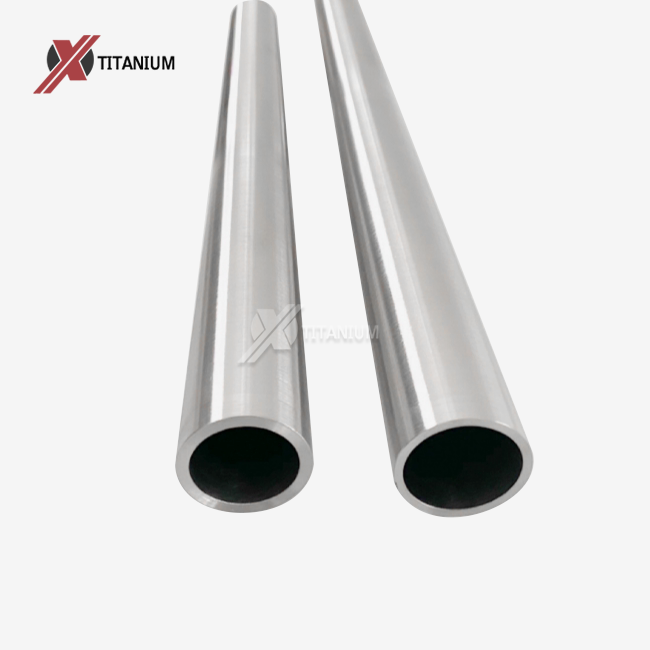
Understanding Corrosion Resistance of Titanium in Chemical Plants
Materials used in pipelines are subjected to a variety of corrosive problems in conditions that are used for chemical processing. These challenges may affect both safety as operational efficiency. Because of the aggressive nature significant acids, chlorine, and oxidizing agents, situations are created in which conventional materials often break prematurely, which results in expensive downtime and the possibility of safety issues.
Corrosive Challenges in Chemical Plant Environments
Pipeline systems are subjected to powerful acids throughout the chemical industry, including sulfuric, hydrochloric, & nitric acid, all of which have the potential to quickly deteriorate traditional materials. Localized corrosion mechanisms, such as pitting and crevice corrosion, are accelerated by chloride ions, which are especially frequent in processes that are based on saltwater and chlorinated chemicals. Furthermore, circumstances that are created by oxidizing environments that include chlorine dioxide, peroxides of hydrogen, and other reactive elements are such that they exceed the protective capacities of conventional alloys.
The corrosive effects of temperature variations are further exacerbated by the fact that raised temperatures increase reaction times and weaken the durability of protective coatings on metal surfaces. Conventional materials have faster deterioration and diminished mechanical qualities when subjected to temperatures that are higher than 200 degrees Celsius, which is the temperature at which many chemical operations are carried out.
Titanium's Unique Corrosion Resistance Mechanisms
Titanium demonstrates exceptional corrosion resistance through its ability to form a stable, adherent titanium dioxide (TiO₂) layer on its surface. This passive oxide film, typically only 2-5 nanometers thick, provides remarkable protection against chemical attack and spontaneously repairs itself when damaged in oxidizing environments.
titanium's extraordinary chemical inertness is a result of its profound liking for oxygen, which enables the establishment and maintenance in this protective barrier. Titanium is very inert to chemical reactions. Titanium's oxide layer is stable throughout a wider variety of pH levels and chemical environments, which makes it especially ideal for applications that include both acidic nor alkaline solutions. This is in contrast to passive coatings on stainless steels that are based on chromium.
Comparative Analysis of Titanium Grades for Chemical Applications
The corrosion resistance of grade 2 titanium is exceptional in the majority of chemical conditions. This grade of titanium is commercially pure and has high formability and weldability. Applications involving oxidizing acids, chloro solutions, including wet chlorine gas are all areas in which this grade provides great performance. As a result of its ductility and the simplicity with which it can be fabricated, it is the material of choice for intricate pipe layouts and specialized applications.
At the same time as it possesses high corrosion resistance qualities, Ti-6Al-4V (Grade 5) offers improved mechanical strength. This grade is appropriate for applications requiring high pressure and structural components inside chemical plants as a result of the inclusion of aluminum and vanadium, which greatly increases the tensile strength of the material. However, as compared to grades that are commercially pure, Grade 5 exhibits a somewhat lower level of corrosion resistance in certain conditions that include reducing acids.
Titanium Alloy Pipes vs. Traditional Materials in Corrosive Applications
It is necessary to give careful thought to both the initial expenses and the long-term performance features when selecting the proper pipe materials for chemical facilities. The greater performance of titanium pipe systems in corrosive environments frequently results in considerable cost savings over the course of their lives, despite the fact that these systems require a larger initial investment.
Performance Comparison with Conventional Materials
Despite the fact that stainless steel is widely used in chemical applications, it has some limits in chloride-rich conditions. These settings may cause pitting and stress-induced corrosion cracking, which are both undesirable properties. Despite the fact that grade 316L is a stainless steel that offers enhanced resistance to chloride, it still confronts issues in conditions that are very acidic or chlorinated at high temperatures, where titanium functions exceptionally well.
Carbon steel requires protective coatings or cathodic protection systems in most chemical applications, adding complexity and maintenance requirements. In contrast, a Titanium Alloy Pipe typically does not require such external protective measures due to its inherent corrosion resistance. The protective measures for carbon steel often prove inadequate in aggressive chemical environments, leading to premature failure and costly replacements.
Inconel and other super alloys based provide superior performance at high temperatures and resistance to corrosion in a wide variety of applications. On the other hand, they continue to be sensitive to certain types of regional corrosion and fetch prices that are equivalent to those of titanium, despite the fact that they provide less varied corrosion resistance across a variety of chemical conditions.
Economic Benefits and Lifecycle Cost Analysis
The extended service life of titanium piping systems translates to reduced maintenance schedules, fewer unplanned shutdowns, and lower replacement costs over the facility's operational lifetime. Chemical plants utilizing titanium piping report maintenance intervals extending 3-5 times longer than comparable stainless steel installations.
Insurance and liability considerations also favor titanium installations, as the reduced risk of catastrophic failure from corrosion-related incidents can result in lower premiums and enhanced operational safety ratings. The exceptional reliability of titanium systems particularly benefits critical process lines where unplanned shutdowns result in substantial production losses.
Industry Deployment Case Studies
After witnessing a series of pitting failures, a significant petrochemical complex in Texas decided to replace the stainless steel pipe in their chlorinated gas manufacturing unit with Class 2 titanium. Their titanium installation has been in continuous operation for more than 15 years without requiring any maintenance due to corrosion, displaying extraordinary endurance in this demanding application.
In a similar vein, a pharmaceutical manufacturing factory that processes corrosive intermediates was able to achieve considerable cost savings by ordering titanium pipes for their new production line. Payback on the original investment in titanium was achieved within seven decades of operation because to the removal of frequent replacement of pipes schedules and the reduction in maintenance personnel expenses.
Manufacturing and Selection of Titanium Alloy Pipes for Chemical Plants
In order to guarantee continuous effectiveness in demanding chemical industry applications, the manufacture of high-quality titanium pipe necessitates the use of complex manufacturing methods and tight quality controls within the manufacturing process. Having an understanding of these processes helps one to make educated choices on procurement and assures the selection of the most appropriate materials for certain applications.
Advanced Manufacturing Techniques
The production process of titanium pipes starts with the careful selection pf raw materials, which may include sponge tin or ti scrap that satisfies stringent specifications for chemical composition characteristics. The material is subjected to either electron beam melting or vacuum arc remelting in order to successfully obtain the homogenous microstructure that is necessary for maintaining constant corrosion resistance qualities.
Both cold rolling and blazing are procedures that are used to form platinum into seamless pipe designs. Hot rolling is often used for pipes with greater diameters, while cold rolling is utilized for precise applications that need high dimensional tolerances. The grain structure that mechanical qualities are optimized by the controlled deformation that occurs during rolling, while the features of corrosion resistance are simultaneously maintained.
As a result of annealing treatments, residual stresses are alleviated and the microstructure is optimized, which guarantees that the pipe wall will have constant mechanical characteristics throughout. A regulated environment is used during this heat treatment procedure in order to avoid contamination, which might affect the corrosion resistance of the material. The removal of surface oxides and impurities via the processes of pickling / acid cleaning results in the creation of a flawless surface finish, which is necessary for achieving optimal efficiency in chemical environments.
Quality Control and Testing Protocols
Titanium pipes are subjected to stringent testing to guarantee that they are able to fulfill the stringent criteria of chemical processing applications. The testing of hardness checks the required mechanical qualities, while the testing of bending verifies the ductility and manufacturing capabilities of the material. The capabilities of pressure containment are validated by hydrostatic testing, which also shows any manufacturing problems that might potentially jeopardize performance.
Treatments such as brilliant, polished, lactic acid cleaning, so sandblasting are available for surface finishing, and each of those choices may be customized to meet the needs of a particular application. Surface treatments like this not only improve the look of the material, but they also improve its resistance to corrosion by creating surfaces that are consistent and free of contaminants, which in turn promotes the production of passive films that are stable.
Alloy Grade Selection Criteria
The choice between the various grades of titanium is determined by the particular circumstances of the process as well as the criteria needed for performance. In order to cater to a wide range of chemical plant applications, alloys such as Ti-6Al-4V, Ti-5Al-2.5Sn, or Ti-6Al-2Sn-4Zr-6Mo provide a variety of combinations of strength, resistance to corrosion, and temperature capacity.
Size specifications ranging from 6mm to 200mm outer diameter with wall thicknesses from 1mm to 20mm accommodate most chemical plant piping requirements. Compliance with ASTM B338, ASTM B861, and ISO 5832-2 standards ensures consistency and reliability across global supply chains.
Installation, Maintenance, and Longevity of Titanium Alloy Pipes
Proper installation techniques and maintenance protocols maximize the exceptional service life potential of titanium piping systems in chemical plant environments. Understanding these best practices ensures optimal performance and return on investment.
Specialized Installation Requirements
Titanium pipe installation requires specialized welding procedures to maintain corrosion resistance properties. Welding must occur under inert gas shielding, typically argon, to prevent contamination that could create corrosion initiation sites. Qualified welders trained in titanium welding techniques, especially for Titanium Alloy Pipe, ensure consistent joint quality and long-term reliability.
The correct spacing of supports helps to minimize high stress concentrations, which might potentially damage performance under the heat cycling circumstances that are typical in chemical industrial facilities. In order to handle thermal growth without producing damaging strains, the coefficient of expansion under heat for titanium must be carefully considered throughout the design process of pipes.
By controlling surface contamination throughout the installation process, it is possible to limit the entry of impurities that might potentially undermine the passive iron oxide layer. In order to prevent infection from ferrous metals or other sources, the tools and machinery for handling used for titanium work must be clean and tailored specifically to titanium operations.
Proactive Maintenance Strategies
The exceptional corrosion resistance of titanium pipes significantly reduces maintenance requirements compared to conventional materials. Routine visual inspections focus on joint integrity and support condition rather than corrosion monitoring, as general corrosion is typically negligible in properly selected applications.
Periodic non-destructive testing, including ultrasonic thickness measurements, provides quantitative assessment of pipe wall condition and confirms the absence of unexpected degradation mechanisms. These inspections typically reveal minimal wall loss even after decades of service in aggressive chemical environments.
Preventive maintenance protocols emphasize system cleanliness and proper operating procedures rather than corrosion mitigation strategies required for conventional materials. The elimination of routine pipe replacement schedules represents a significant operational advantage in chemical plant maintenance planning.
Long-term Performance Documentation
Chemical processing facilities report titanium piping systems achieving service lives exceeding 30 years in applications where stainless steel required replacement every 5-10 years. This exceptional longevity stems from titanium's inherent corrosion resistance rather than protective measures that may degrade over time.
Documentation from operational titanium installations provides confidence in long-term performance predictions and supports lifecycle cost justifications. The consistent performance across diverse chemical environments demonstrates the versatility and reliability of titanium piping solutions.
Procurement Guide and Supplier Insights for Titanium Alloy Pipes
Successful procurement of titanium piping systems requires understanding of market dynamics, supplier capabilities, and quality assurance requirements specific to chemical plant applications. Strategic sourcing approaches can optimize both cost and performance outcomes.
Key Procurement Considerations
Lead times for titanium pipe procurement typically range from 6-12 weeks depending on specifications and quantity requirements. Custom configurations or specialized alloy grades may require extended delivery schedules, making early procurement planning essential for project success.
Minimum order quantities vary among suppliers, with standard sizes often available in smaller quantities while custom specifications may require larger minimum orders. Understanding these constraints enables effective procurement planning and inventory management strategies.
Pricing structures reflect both raw material costs and manufacturing complexity, with premium grades and custom configurations commanding higher unit costs. However, the total cost of ownership calculation should include reduced maintenance, extended service life, and enhanced reliability benefits that titanium provides.
Supplier Evaluation Criteria
Quality system certifications including AS9100, ISO9001, and industry-specific approvals indicate supplier capability to meet stringent chemical plant requirements. These certifications demonstrate commitment to quality management and traceability essential for critical applications.
Technical support capabilities become particularly important for titanium applications, as proper material selection and application guidance can significantly impact performance outcomes. Suppliers with metallurgical expertise and application experience provide valuable consultation throughout the procurement and installation process.
Testing and inspection capabilities ensure compliance with specification requirements and provide confidence in product quality. Suppliers with comprehensive testing facilities can provide complete material certifications and performance documentation required for chemical plant applications.
Verification and Authentication Protocols
Material certification documents for Titanium Alloy Pipe must include complete chemical analysis, mechanical property test results, and traceability information linking products to specific material heats. This documentation enables verification of compliance with applicable standards and specifications.
Third-party testing verification provides additional assurance of material quality and performance characteristics. Independent testing laboratories can confirm supplier test results and provide unbiased assessment of product compliance.
Supply chain traceability ensures accountability and enables rapid response to any quality issues that may arise during installation or service. Comprehensive traceability documentation supports regulatory compliance and quality management objectives.
Company Introduction and Product & Service Information
Baoji Chuanglian New Metal Material Co., Ltd. specializes in manufacturing premium titanium piping solutions specifically engineered for the demanding requirements of chemical plant environments. Located in Baoji City, renowned as the "City of Titanium," we leverage over ten years of titanium processing expertise to deliver exceptional products that exceed industry standards.
Comprehensive Product Portfolio
Our titanium alloy pipe offerings encompass a complete range of specifications designed to meet diverse chemical industry applications. High corrosion resistance, low density, and good thermal stability characteristics make our products ideal for chemical processing, industrial applications, and specialized installations requiring superior performance.
Manufacturing capabilities include cold rolled, hot rolled, annealing, and pickling processes that optimize material properties for specific applications. Surface finishing options including bright, polished, acid cleaning, and sandblasting treatments provide customized solutions tailored to customer requirements.
Quality assurance protocols incorporate hardness testing, bending tests, hydrostatic testing, and comprehensive inspection procedures that ensure consistent performance and reliability. These rigorous testing protocols validate compliance with international standards and customer specifications.
Technical Excellence and Innovation
Our advanced manufacturing facility features comprehensive CNC machining capabilities and specialized processing equipment designed specifically for titanium applications. Continuous technology updates and equipment modernization maintain our competitive edge in precision manufacturing and quality consistency.
Technical support services provide customers with expert guidance on material selection, application optimization, and installation best practices. Our metallurgical expertise enables customized solutions that address specific process conditions and performance requirements unique to each chemical plant application.
Global logistics capabilities ensure reliable delivery schedules and comprehensive customer support regardless of project location. Efficient supply chain management and strategic inventory positioning minimize lead times while maintaining cost competitiveness.
Conclusion
The exceptional corrosion resistance of titanium in chemical plants represents a paradigm shift toward more reliable and cost-effective piping solutions. Titanium Alloy Pipe systems demonstrate superior performance across diverse chemical environments, offering extended service life, reduced maintenance requirements, and enhanced operational safety compared to conventional materials. The initial investment in titanium technology delivers substantial lifecycle cost savings through eliminated replacement cycles, minimized downtime, and reduced maintenance labor. As chemical plants continue demanding higher reliability and performance standards, titanium piping emerges as the optimal choice for critical applications where failure consequences are unacceptable and long-term value creation remains paramount.
Partner with Chuanglian for Superior Titanium Alloy Pipe Solutions
Chemical plant professionals seeking reliable, high-performance piping solutions can trust Chuanglian's expertise in titanium technology. Our comprehensive product line, stringent quality controls, and technical support services ensure optimal performance in your most demanding applications. Contact our specialists at info@cltifastener.com or djy6580@aliyun.com to discuss your specific requirements and receive detailed quotations from a leading titanium alloy pipe manufacturer.
References
1. Davis, J.R. "Corrosion of Titanium and Titanium Alloys in Chemical Processing Industries." ASM International Handbook of Corrosion Resistance, 2018.
2. Smith, A.L. "Performance Evaluation of Titanium Piping Systems in Petrochemical Applications." Journal of Materials Engineering and Performance, Vol. 29, 2020.
3. Chen, M.K. "Economic Analysis of Titanium vs. Stainless Steel in Chemical Plant Infrastructure." Chemical Engineering Economics Quarterly, 2019.
4. Rodriguez, P.T. "Manufacturing Standards and Quality Control for Titanium Alloy Pipes in Industrial Applications." International Standards Review for Titanium Products, 2021.
5. Williams, S.J. "Long-term Corrosion Studies of Titanium in Chlorinated Chemical Environments." Corrosion Science and Technology Journal, Vol. 45, 2020.
6. Thompson, R.E. "Installation and Maintenance Best Practices for Titanium Piping Systems." Chemical Plant Engineering and Maintenance Manual, 2019.
Learn about our latest products and discounts through SMS or email