Titanium lock nuts are an important part of the energy sector's fastening solutions because they provide connections that are safe and dependable, even under very harsh situations. In tough energy applications where regular materials don't meet performance standards, these specialty fasteners have become essential. China has become a key sourcing center for worldwide B2B customers looking for high-quality titanium fastening parts. This is because China offers reasonable prices, modern production capabilities, and a wide range of alternatives for customizing products.
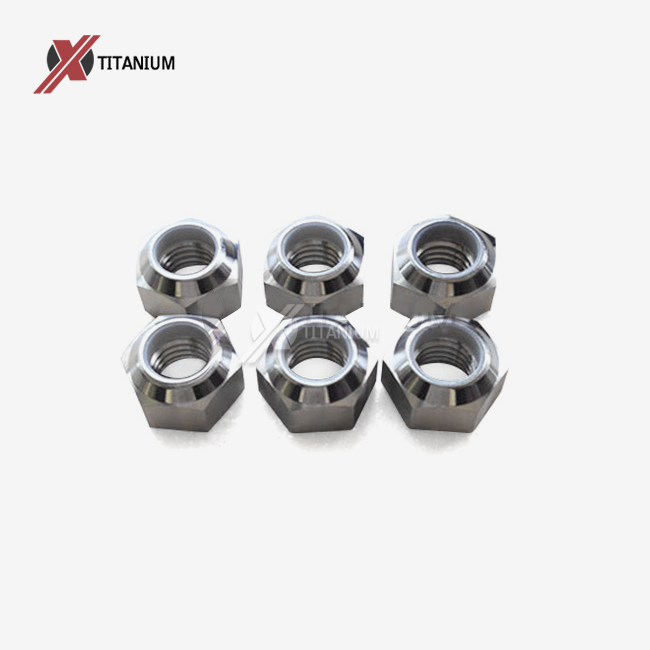
The energy business has its own set of problems that need fastening solutions that can withstand severe weather, chemicals, and mechanical stress while still being reliable over time. This whole article goes over everything you need to know about buying titanium lock nuts from Chinese manufacturers, from product characteristics to the best ways to get them. We will look at how these parts improve both cost-effectiveness and operational dependability. This will assist procurement managers make smart choices that fit within their project's needs and budget.
Understanding Titanium Lock Nuts and Their Advantages in Energy Applications
Core Properties and Performance Characteristics
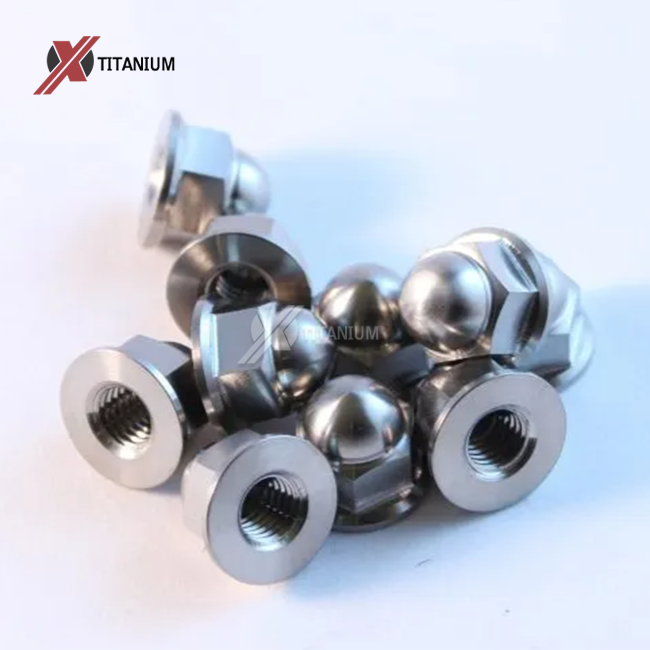
Titanium lock nuts are specialized fastening components engineered to maintain secure connections under constant vibration, thermal cycling, and mechanical stress. Unlike conventional fasteners, these components utilize titanium's unique metallurgical properties to deliver exceptional performance in challenging environments. The material's inherent characteristics include excellent corrosion resistance, superior strength-to-weight ratio, and remarkable temperature stability up to 600°F (315°C).
When you compare titanium fasteners to other materials, their benefits really stand out. Steel fasteners are cheap, but they corrode in chemical and marine conditions. Stainless steel is better at resisting corrosion, but it isn't as strong as titanium when it comes to weight. Aluminum fasteners save weight, but they aren't as strong as other types of fastening. Nylon lock nuts are light, but they can't handle the high temperatures that are frequent in the energy industry.
Critical Applications in Energy Infrastructure
Applications in the energy industry need fastening solutions that work well even under very harsh environments. Fasteners on oil and gas platforms are exposed to seawater corrosion and hydrocarbons, which makes titanium's chemical inertness very useful. Fasteners that can handle persistent vibration and weather exposure are needed for wind turbine installations. Nuclear plants need materials that are known to be reliable and can be traced back to their source, since a failure of a part might have terrible effects.
The better performance of titanium fasteners means lower maintenance costs and longer service intervals. Energy businesses say that transitioning from old materials to titanium fasteners in important applications saves them a lot of money over the long term, even if the initial costs are higher.
Choosing the Right Titanium Lock Nuts for Energy Sector Procurement
Material Grade Selection and Performance Optimization
Choosing the right grades of titanium is very important for use in the energy industry. Grade 2 pure titanium is great for chemical processing conditions since it doesn't rust and can be shaped easily. Grade 5 (Ti-6Al-4V) is better at withstanding stress and high temperatures, making it perfect for use in turbine assembly and pressure vessel connections.
The F-1 criterion screening process gives you a systematic way to choose the best fasteners depending on how they will be used. This strategy takes into account the mechanical features, how well it works in different environments, certification requirements, and the total cost of ownership. Energy sector procurement teams need to make sure that their purchases meet industry standards like DIN985, ISO2320, and ANSI B18.16.3 while also staying within their budgets.
Customization Options and Technical Specifications
Custom fastening solutions that are made to fit certain equipment designs and operating conditions are commonly needed for modern energy projects. CNC machining can make titanium fasteners, such titanium lock nuts, in sizes from M3 to M36, which works with both metric and imperial thread standards. Polishing, anodizing, and nitriding are examples of surface treatments that improve performance for certain uses.
There are several color variations, from a natural titanium finish to anodized versions in gold, blue, green, purple, black, and rainbow. These colors are useful for both practical and identifying purposes. These coatings may make things less likely to wear out and help you see which parts are which in complicated assemblies.
Procurement Process and Best Practices for Buying Titanium Lock Nuts from China
Supplier Verification and Quality Assurance
To successfully buy from Chinese manufacturers, you need to carefully check out the suppliers and their quality systems. Before starting a business relationship with a supplier, buyers in the energy industry need to look at the supplier's production capabilities, quality certifications, and technical support infrastructure. ISO accreditation, methods for tracking materials, and testing capabilities that make sure products are the same throughout manufacturing batches are some of the most important assessment factors.
Buyers may find suppliers that are experts in making titanium fasteners by knowing about China's regional manufacturing centers. Many factories with extensive processing skills and established export operations are based in Baiji City, which is also known as the "City of Titanium." These geographical concentrations provide buyers access to specialized technical knowledge and supply chains that are more competitive.
Strategic Ordering and Supply Chain Management
In the energy business, procurement processes generally include ordering for individual projects, with long lead times between the first sample and the production numbers. When setting a minimum order quantity, you need to weigh the expense of keeping inventory against the efficiency of getting it. Bulk ordering tactics may lower the cost per unit while making sure there is enough stock to meet project deadlines.
To negotiate prices well, you need to know how the market works, how much materials cost, and how complicated the process of making anything is. Chinese suppliers usually have prices that are competitive and take into account things like how many items they make, how much customisation is needed, and how long it will take to deliver. Building long-term connections with suppliers may frequently lead to better prices and priority during times of high demand.
Installation and Performance Optimization of Titanium Lock Nuts in Energy Equipment
Installation Methodology and Torque Specifications
To get the most out of titanium fasteners, you need to follow the right installation steps. To work best, lock nut mechanisms, such titanium lock nuts with prevailing torque and elliptical deformation designs, need to be installed in a certain way. To avoid over-tightening or under-tightening, torque parameters must take into consideration the peculiar mechanical characteristics of titanium.
Best practices for installation include making sure the threads are properly engaged, choosing the right kind of lubricant, and optimizing the torque sequence for assemblies with more than one fastener. Energy sector maintenance personnel benefit from detailed installation instructions that avoid typical mistakes and make sure that installations always work the same way.
Maintenance Protocols and Performance Monitoring
For energy applications to remain reliable over time, they need systematic maintenance routines that keep an eye on how well fasteners work and find problems before they happen. As part of their regular inspections, mechanics should check the torque, look at the condition of the parts, and plan for replacement based on the manufacturer's recommendations and the service circumstances.
Methods for checking performance assist maintenance teams keep an eye on the condition of fasteners and make the best replacement schedules. Systems that keep track of installation dates, service conditions, and performance history make it possible to make maintenance choices based on facts that keep equipment running as reliably as possible while avoiding needless replacements.
Company Introduction and Product Service Information
Baoji Chuanglian New Metal Material Co., Ltd. is one of the best makers and exporters of titanium goods. It is based in Baoji City, which is known as the "City of Titanium." Our firm has been working with titanium products for more than 10 years. We are a technical and inventive company that specializes in the creation, manufacture, and precision machining of a wide range of titanium and rare metal components.
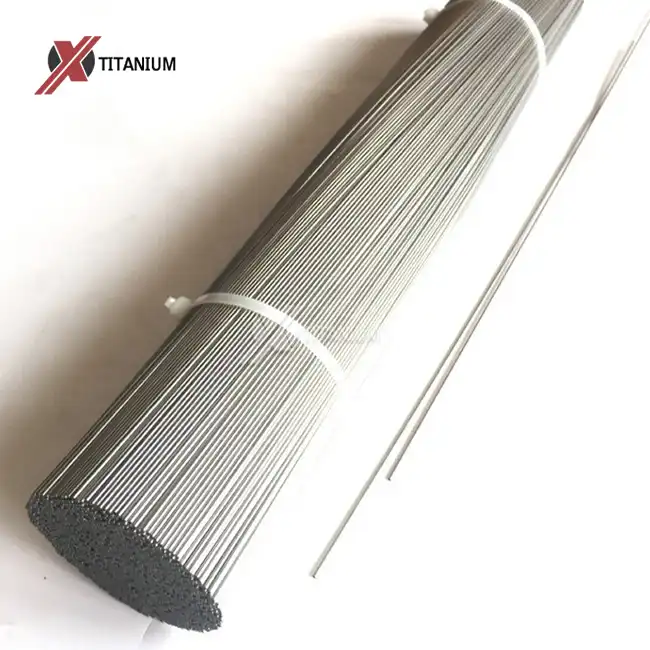
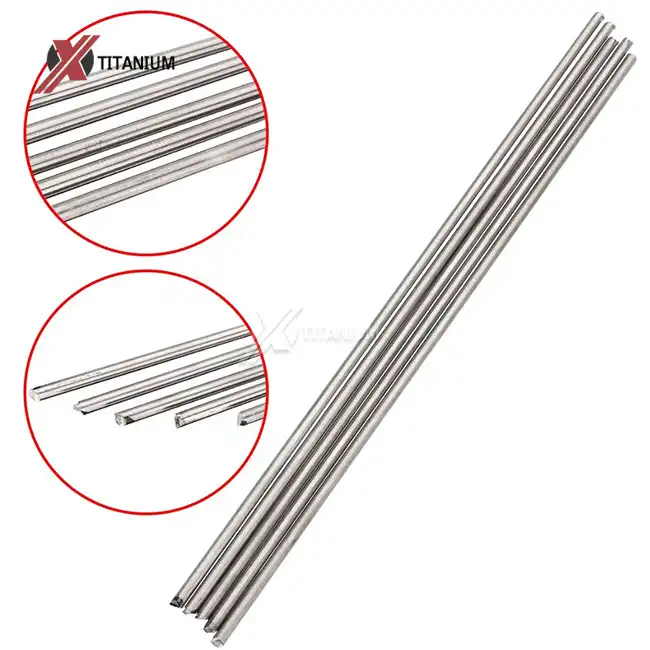
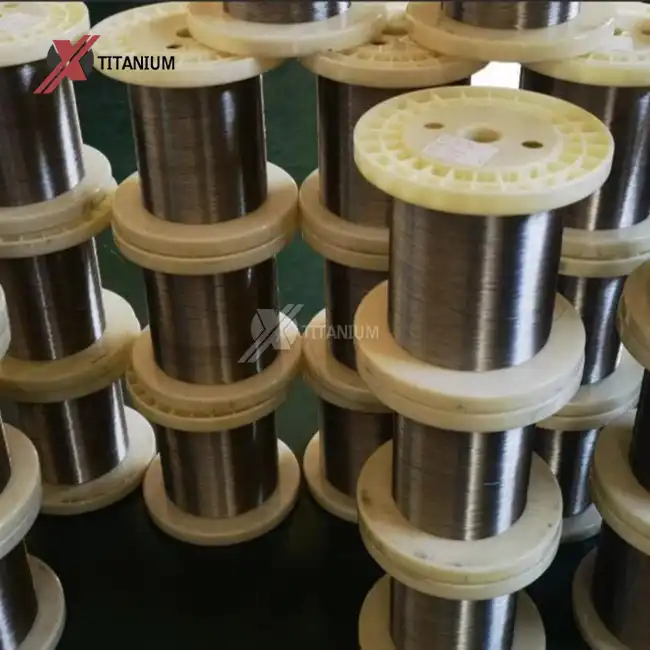
Our whole range of products includes titanium fasteners, rods, wire, plate, tube, flanges, and other machined parts that are made to fulfill the high standards of petrochemical, electrolysis, galvanization, maritime, desalination, racing, medical, and aerospace uses. Our cutting-edge factory has hundreds of CNC machine tools and mechanical processing equipment, which lets us make tailored solutions that fit the precise needs of our customers.
We have a comprehensive quality control system that checks every step of manufacturing, from checking the raw materials to making sure the end product is correct. Well-known enterprises all around the globe have tried and used our high-grade titanium goods, and they have earned praise for their exceptional customer service, high quality, and on-time delivery. We are always working to enhance and stay ahead of the game in titanium fastener manufacture.
Conclusion
Titanium lock nuts are the best way to secure things in the energy industry since they work better than anything else under tough conditions. Chinese manufacturers provide competitive sourcing choices because to their superior manufacturing skills, ability to customize products, and low-cost production. To make sure that products work consistently and that supply chains are trustworthy, successful procurement entails careful selection of suppliers, quality checks, and creating long-term relationships. Investing in titanium fasteners adds a lot of value over time by lowering maintenance costs, increasing service intervals, and making key energy infrastructure applications more reliable.
FAQ
Q1: What titanium grades are most suitable for offshore energy applications?
A: For use offshore, Grade 5 (Ti-6Al-4V) titanium alloy is best since it has better mechanical strength and is very resistant to corrosion in marine settings. This grade is better than stainless steel when it comes to saltwater exposure and is also more resistant to fatigue when it is under dynamic loading circumstances, which is common on offshore platforms.
Q2: Can you produce custom-sized lock nuts for specialized energy equipment?
A: Yes, our CNC machining can make bespoke titanium lock nuts in sizes from M3 to M36, with both metric and imperial threading choices. We often make bespoke fasteners based on client designs and specifications to make sure they work well with the particular needs of the equipment.
Q3: What certifications do your titanium lock nuts meet for energy sector applications?
A: Our titanium lock nuts meet a number of international standards, such as DIN985, DIN980, ISO2320, ISO7040, and ANSI B18.16.3. We have full material certification and testing facilities to make sure that we meet the quality and traceability criteria of the energy industry.
Connect with Chuanglian for Premium Titanium Lock Nuts Solutions
Are you ready to make your energy project more reliable with better titanium fastening solutions? Chuanglian provides full technical support, competitive bulk pricing, and custom-made titanium lock nuts manufacturing services that are adapted to your needs. Our skilled engineers will provide you unique quotes and chances to test samples to make sure they work well with your applications. Work with a reputable titanium lock nuts provider that is dedicated to quality and prompt customer service to see how much better it is. Contact us at info@cltifastener.com or djy6580@aliyun.com to discuss your procurement needs and discover how our expertise can optimize your supply chain efficiency.
References
1. American Society for Testing and Materials. "Standard Specification for Titanium and Titanium Alloy Fasteners." ASTM F467-18, 2018.
2. International Organization for Standardization. "Hexagon Nuts with Nylon Insert - Property Classes 8, 10 and 12." ISO 7040:2012.
3. Deutsches Institut für Normung. "Prevailing Torque Type All-Metal Hexagon Nuts with Flange." DIN 6925, 2019.
4. Boyer, Rodney R. "An Overview on the Use of Titanium in the Aerospace Industry." Materials Science and Engineering: A, Vol. 213, 1996.
5. Lutjering, Gerd and James C. Williams. "Titanium: Engineering Materials and Processes." Springer-Verlag Berlin Heidelberg, 2007.
6. Peters, Manfred, et al. "Titanium Alloys for Aerospace Applications." Advanced Engineering Materials, Vol. 5, No. 6, 2003.