- English
- French
- German
- Portuguese
- Spanish
- Russian
- Japanese
- Korean
- Arabic
- Greek
- German
- Turkish
- Italian
- Danish
- Romanian
- Indonesian
- Czech
- Afrikaans
- Swedish
- Polish
- Basque
- Catalan
- Esperanto
- Hindi
- Lao
- Albanian
- Amharic
- Armenian
- Azerbaijani
- Belarusian
- Bengali
- Bosnian
- Bulgarian
- Cebuano
- Chichewa
- Corsican
- Croatian
- Dutch
- Estonian
- Filipino
- Finnish
- Frisian
- Galician
- Georgian
- Gujarati
- Haitian
- Hausa
- Hawaiian
- Hebrew
- Hmong
- Hungarian
- Icelandic
- Igbo
- Javanese
- Kannada
- Kazakh
- Khmer
- Kurdish
- Kyrgyz
- Latin
- Latvian
- Lithuanian
- Luxembou..
- Macedonian
- Malagasy
- Malay
- Malayalam
- Maltese
- Maori
- Marathi
- Mongolian
- Burmese
- Nepali
- Norwegian
- Pashto
- Persian
- Punjabi
- Serbian
- Sesotho
- Sinhala
- Slovak
- Slovenian
- Somali
- Samoan
- Scots Gaelic
- Shona
- Sindhi
- Sundanese
- Swahili
- Tajik
- Tamil
- Telugu
- Thai
- Ukrainian
- Urdu
- Uzbek
- Vietnamese
- Welsh
- Xhosa
- Yiddish
- Yoruba
- Zulu
Are titanium bicycle pedals prone to wear and tear?
It's not very likely that titanium bicycle wheels will get worn down. Due to the material's natural characteristics, cycling titanium bicycle parts, such as wheels, exhibit exceptional resistance to wear. Grade 9 titanium metals don't break down when they are loaded and unloaded many times. They have a fatigue life that is almost endless under normal stress conditions. The self-healing oxide layer protects against rust naturally, without any extra coats. The hardness of the material also keeps threads from wearing out and the surface from deforming. Titanium stays strong even after years of regular use, while aluminum parts weaken over time and steel parts rust when they come into contact with sweat and water. Understanding these wear traits helps procurement teams figure out how reliable a part will be in the long run.

Introduction
Titanium bicycle wheels are popular with both amateur and expert cyclists because they are very strong for their weight and don't rust. When standard choices don't meet important performance needs, this material does. Understanding how these pedals wear down is important for B2B buyers like procurement managers, technical experts, dealers, and original equipment manufacturers (OEMs). This helps them choose parts that will last and work well.
This guide gives an in-depth look at how long titanium pedals last and how they compare to pedals made of other materials. It also talks about how to maintain them and what business buyers should think about when buying them. When it comes to high-stress cycling, Grade 5 (Ti-6Al-4V) and Grade 9 (Ti-3Al-2.5V) titanium alloys offer clear benefits, from professional races to commuting in harsh environments. This content helps you make smart choices that will help you get the most out of your investment and keep your supply chain running smoothly by talking about important lasting factors backed up by material science data and real-world testing standards.
Understanding Wear and Tear in Titanium Bicycle Pedals
Wear and tear on titanium bike wheels is mostly caused by mechanical stress, repeated contact, and exposure to things like water and dirt in the environment. The type of riding is very important. Road cycling creates steady rotational loads, mountain biking adds contact shocks from the ground, and triathlon uses need dependability in a range of situations. In each situation, different parts of the material's performance are tested.
Material Properties That Influence Durability
Titanium's unique qualities directly affect how long it lasts in harsh circumstances. Aluminum's density of about 4.51 g/cm³ makes it lighter than steel while still providing structural strength that aluminum can't match. Grade 9 titanium has tensile powers between 600 and 900 MPa, which is about the same as high-end steel but only about half as heavy. When the modulus of elasticity is between 100 and 110 GPa, it naturally absorbs shocks, which lowers the stress concentration that causes cracks to start. Because of these things, titanium pedals are a good choice for situations where durability and dependability are very important.
Corrosion Resistance and Fatigue Life
Titanium is almost completely resistant to air and galvanic weathering because it forms a TiO2 oxide layer on its own when exposed to oxygen. For cycling titanium bicycle parts, this protective layer heals itself, eliminating the need for painting steel components and preventing the oxidation-driven degradation that aluminum experiences over time. Titanium offers superior fatigue resistance compared to aluminum, which develops micro-cracks under cyclic loading.
Properly manufactured titanium pedals withstand over 100,000 load cycles without deformation or failure under standard load conditions meeting ISO 4210 requirements. By understanding these fundamental mechanisms and titanium's unique performance characteristics, B2B customers can determine whether the product aligns with their supply chain and end-user requirements. The materials science underlying these components directly translates to reduced warranty claims and improved customer satisfaction across distribution networks.
Comparing Titanium Bicycle Pedals with Other Materials
When you look at the longevity and wear resistance of titanium pedals versus aluminum, steel, and carbon fiber options, you can see clear differences that affect how much it costs to own all of them. The choice of material affects not only the initial cost of buying the product, but also how often it needs to be maintained, replaced, and how happy the end user is with it throughout its lifecycle.
Titanium Versus Aluminum
Titanium is usually harder and more resistant to rust than aluminum. This means that it doesn't bend as much and lasts longer. Aluminum pedals may get surface wear from shoe contact after 12 to 18 months of heavy use, but titanium pedals' surfaces stay in good shape for many years. Ti-6Al-4V has a Vickers hardness of about 300 to 350 HV, which is higher than most aluminum alloys and keeps threads from breaking and bearing seats from getting damaged. Because aluminum has a limited fatigue limit, parts will break after too many stress cycles, but titanium doesn't fail under threshold loads, so it can be used forever.
Titanium Versus Steel
Titanium is lighter than steel but has the same level of strength to impact. It also needs less upkeep to keep it from breaking down in the environment. Steel pedals rust when they come into contact with salt from the road, coastal weather, or rider sweat. To protect them, they need coverings that chip and flake when they are used. Titanium gets rid of this whole upkeep problem. When making a lot of them, the weight advantage becomes important—a titanium pedal system can save 80 to 120 grams compared to steel ones, which adds to the total performance measures that are valued in competitive and high-end markets.
Titanium Versus Carbon Fiber
In some forms, carbon fiber pedals are lighter than titanium pedals, but they might not be as strong or easy to fix as cycling titanium bicycle parts. Impact loads that titanium can handle through elastic bending destroy carbon materials in a massive way. A crash might destroy the body of a carbon pedal, but only scratch the surface of a titanium pedal. This surface can be fixed with easy sanding tools. When it comes to fleet operations and rental businesses, where part life directly affects profits, the reparability factor is very important. These differences in materials affect how efficiently your distribution network works. This makes titanium the best choice for buyers who want to balance performance requirements with investment value. Because they last longer, they cost less to store and require fewer emergency replacements, which doesn't mess up the supply chain.
Maintenance and Care Tips to Minimize Wear on Titanium Pedals
When titanium bicycle pedals are properly maintained, they last a lot longer than their already amazing base sturdiness. Using systematic care routines will protect your investment and make sure that the service times are always the same.
Cleaning and Lubrication Practices
Cleaning titanium surfaces regularly with oils that don't damage them is one of the best things that can be done. Stay away from chemicals that are based on petroleum, as they can embed contaminants into surface textures. To get rid of dirt that has built up on cleat surfaces and bearing seals, use light detergent solutions and soft brushes. Using a copper- or nickel-based anti-seize compound on threaded joints stops galling, a problem where titanium threads can cold-weld under pressure because of friction in the oxide layer. This precaution is very important during setup and will make sure it works well during future maintenance.
Inspection Protocols and Service Intervals
Regular checks for early signs of wear protect against problems that come up out of the blue. Grab the pedal body and try to move it in a horizontal direction to check the bearing play. If you feel any looseness, the bearings need to be adjusted or replaced. Check the areas where the cleats touch the ground for uneven wear patterns that could mean there are problems with the alignment. Following the service intervals set by the maker will ensure the best efficiency. Case studies from major bicycle makers show that regular upkeep can extend the life of pedals by up to 30%, cutting down on repairs and replacement costs across the fleet.
If B2B clients know about these best practices, they can tell end users about them or include them in guarantee and service plans, which will improve the performance of their products over time. Documenting repair processes helps build stronger relationships with customers and supports value-added services that set your distribution business apart from competitors who only focus on price.
Procurement Considerations: Why Choose Titanium Bicycle Pedals?
When it comes to titanium pedals, procurement workers have to make tough choices based on a cost-performance analysis and the trust of the provider. The review method looks at more than just unit price. It also looks at total lifecycle value and lowering supply chain risk.
Cost-Performance Analysis
Although cycling titanium bicycle parts like pedals are more expensive than aluminum, steel, or carbon fiber options, their high sturdiness means that they will last longer and cost less to replace and fix over time, making their total cost of ownership affordable. A titanium pedal that costs 2.5 times as much as an aluminum pedal might last 5 to 7 times longer, which means that it costs less over the course of a year. This estimate works especially well for situations with a lot of use, like hire fleets, bike sharing programs, or professional team gear where the cost of labor to change parts adds to the cost of the materials.
Supplier Evaluation Criteria
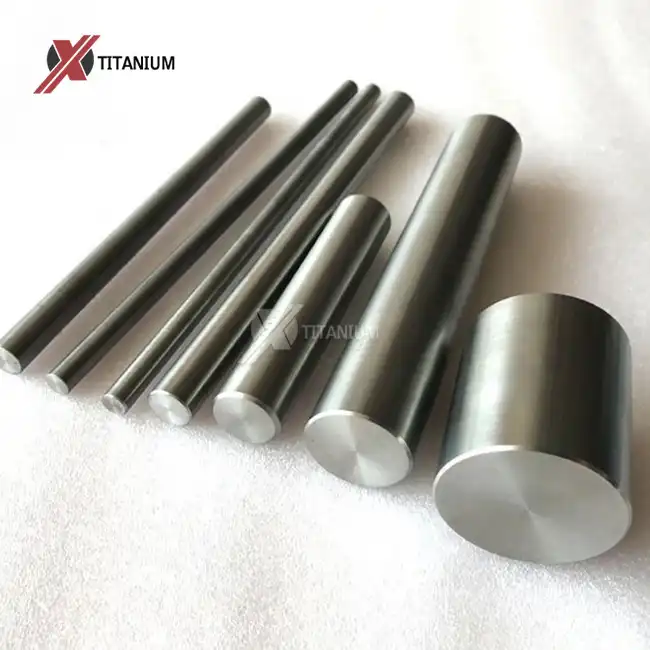
Important things to look at when buying something are the guarantee coverage, the OEM's ability to customize it, and the logistics support, like how reliable the shipping and delivery are. Check the quality control systems that providers offer, such as visual weld oxidation checks, measurement tolerance verification using ISO-certified alignment tables, and non-destructive testing methods like dye penetrant inspection. Certifications like ISO 9001 and following the ASTM B348 standards for titanium bars show that the company knows how to make good products. Being able to provide material tracking documents and batch consistency reports keeps performance from changing in ways that make customers unhappy.
Using these criteria to evaluate providers makes sure that you only buy from reputable companies, which is in line with your business goals and what your clients expect. This method is shown by Baoji Chuanglian New Metal Material Co., Ltd., which has full CNC cutting capabilities and strict quality control systems that cover everything from choosing the raw materials to inspecting the finished products, making sure that all production runs are the same.
Market Insights and Leading Titanium Pedal Brands in 2026
In today's market, there are makers known for coming up with new ideas, having strict quality standards, and having strong brand names that help keep B2B partnerships safe. Learning about the competitive market helps procurement teams find trusted suppliers and new technology possibilities.
Quality Standards and Certifications
Leading manufacturers offer a wide range of quality certificates, such as ISO 4210 compliance for bicycle parts, which show that their products can survive tests of vertical force fatigue and falling mass impact reaching 1200N over 100,000 cycles. When suppliers offer heat-affected zone analysis and grain structure paperwork, it's easier to see how the material is being made, which boosts trust in its consistency. Feedback from expert riders and clients in the industry shows that the product is reliable and works well in harsh conditions, such as on mountain descents and in training areas near the coast where salt is present.
Emerging Technology Trends
Advanced surface processes, such as nitriding and anodizing, make materials more resistant to wear than their basic qualities. By making the surface harder, nitriding lowers the friction coefficient even more at the points where cleats meet, which makes it possible to go longer between service times. Anodizing lets you make changes, and the natural titanium, gold, blue, green, purple, black, and rainbow finishes are just a few of the colors that are available. Smart bike parts that have sensors built in to measure power and track speed are becoming more popular. These are great chances for next-generation development. These technological advances give wholesalers who serve performance-oriented customer groups new ways to stand out.
Keeping up with these changes gives buying teams the power to find cutting-edge, long-lasting solutions that put their product lines in a competitive position. Different types of the material, such as Gr5 (Ti6Al4V) for high-strength uses and Gr9 for better ductility, make it useful for a wide range of bicycle sports, from road races to mountain biking and triathlons.
Conclusion
The natural qualities of titanium, such as its resistance to corrosion, long fatigue life, and high strength-to-weight ratios, make cycling titanium bicycle parts very durable. When compared to aluminum, steel, and carbon fiber options, titanium has lower overall costs of ownership, even though it costs more to buy at first. Good care habits increase the service life that is already very long, and new surface treatments and manufacturing technologies keep making the performance better. Instead of just looking at price, procurement experts should look at suppliers' quality certifications, ability to customize, and technical help. Titanium is the best material for uses that need to be reliable, last a long time, and perform consistently in challenging cycle conditions.
FAQ
Q1: What is the expected lifespan of titanium bicycle pedals compared to other materials?
A: Titanium pedals have a fatigue life that is almost endless under standard load conditions. With proper care, they could last decades. After 18 to 36 months of heavy use, aluminum pedals usually need to be replaced because wear cracks appear. Steel parts, on the other hand, corrode and break down within 3 to 5 years, based on how they are exposed to the environment. Carbon fiber wheels last between two and four years, but they can break very badly if they get hit.
Q2: Can titanium pedals withstand extreme mountain biking conditions?
A: When it comes to mountain riding, titanium is perfect because it is both resistant to contact and corrosion. Because it has a lower modulus of elasticity, the material absorbs shocks. This lowers stress concentrations that start cracks. The self-healing oxide layer guards against mud and water exposure, and the Grade 5 titanium alloy can handle high-torque pedaling forces and rock hits that would damage aluminum or carbon alternatives.
Q3: What warranty terms do manufacturers typically offer on titanium pedals?
A: Reputable titanium pedal makers usually offer warranties that last between 2 and 5 years and cover flaws in the materials or the way they were made. Some high-end sellers may offer lifetime warranties on the structural stability of their products, but not on parts that are worn out quickly, like bearings and seals. For warranty coverage to apply, the part must be installed correctly using anti-seize compound and torque specs must be followed. This keeps the threads from galling and getting damaged during repair operations.
Partner with Chuanglian for Premium Cycling Titanium Bicycle Parts
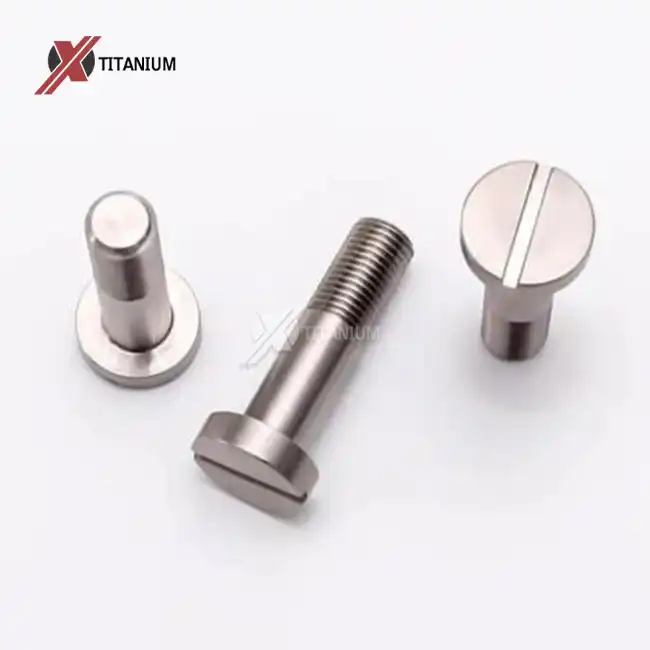
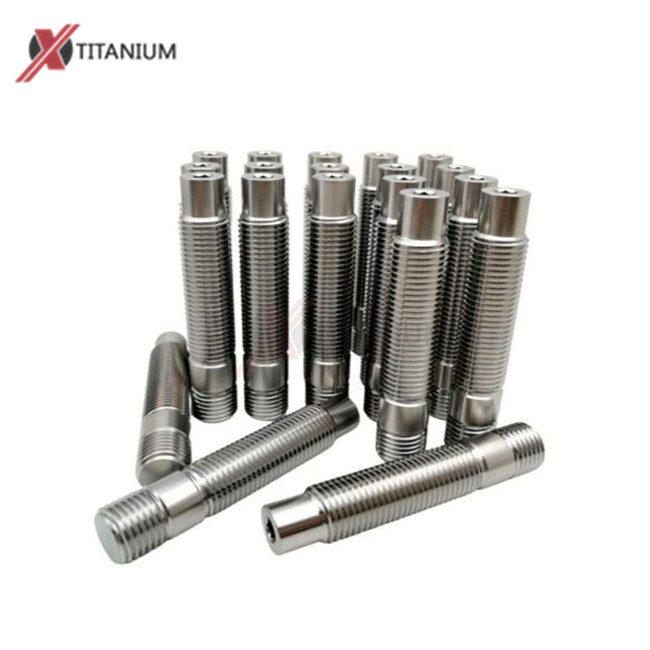
Chuanglian is an expert at using advanced CNC cutting techniques and strict quality control systems to make high-performance cycling titanium bicycle parts. Our special titanium parts are made from Grade 5 (Ti6Al4V) and Grade 9 metals, and their surfaces are treated with polishing, anodizing, and nitriding to make sure they meet the exact needs of pedals, bolts, and structural elements. We are in Baoji City, which is known as the "City of Titanium," and have been working with metals for over ten years.
We use strict testing procedures to make sure that our products meet or beat international standards for size tolerances and weld stability. Our engineering team can help you choose the right materials and make the best use of them, whether you need samples to help you make a new product or large amounts to ship through established channels. Please email our procurement experts at info@cltifastener.com or djy6580@aliyun.com to talk about your needs with a reliable provider of cycling titanium bicycle parts that is committed to long-term partnership success and on-time delivery.
References
1. ASTM International. (2021). ASTM B348: Standard Specification for Titanium and Titanium Alloy Bars and Billets. West Conshohocken: ASTM International Standards Organization.
2. ISO Technical Committee. (2020). ISO 4210: Cycles — Safety Requirements for Bicycles. Geneva: International Organization for Standardization.
3. Donachie, M.J. (2000). Titanium: A Technical Guide (2nd Edition). Materials Park: ASM International Publishing.
4. Lutjering, G. and Williams, J.C. (2007). Engineering Materials and Processes: Titanium (2nd Edition). Berlin: Springer-Verlag.
5. Veiga, C., Davim, J.P., and Loureiro, A.J. (2012). Properties and applications of titanium alloys: A brief review. Reviews on Advanced Materials Science, 32(2), 133-148.
6. Froes, F.H. (2015). Titanium: Physical Metallurgy, Processing, and Applications. Materials Park: ASM International Handbook Committee.

Learn about our latest products and discounts through SMS or email