- English
- French
- German
- Portuguese
- Spanish
- Russian
- Japanese
- Korean
- Arabic
- Greek
- German
- Turkish
- Italian
- Danish
- Romanian
- Indonesian
- Czech
- Afrikaans
- Swedish
- Polish
- Basque
- Catalan
- Esperanto
- Hindi
- Lao
- Albanian
- Amharic
- Armenian
- Azerbaijani
- Belarusian
- Bengali
- Bosnian
- Bulgarian
- Cebuano
- Chichewa
- Corsican
- Croatian
- Dutch
- Estonian
- Filipino
- Finnish
- Frisian
- Galician
- Georgian
- Gujarati
- Haitian
- Hausa
- Hawaiian
- Hebrew
- Hmong
- Hungarian
- Icelandic
- Igbo
- Javanese
- Kannada
- Kazakh
- Khmer
- Kurdish
- Kyrgyz
- Latin
- Latvian
- Lithuanian
- Luxembou..
- Macedonian
- Malagasy
- Malay
- Malayalam
- Maltese
- Maori
- Marathi
- Mongolian
- Burmese
- Nepali
- Norwegian
- Pashto
- Persian
- Punjabi
- Serbian
- Sesotho
- Sinhala
- Slovak
- Slovenian
- Somali
- Samoan
- Scots Gaelic
- Shona
- Sindhi
- Sundanese
- Swahili
- Tajik
- Tamil
- Telugu
- Thai
- Ukrainian
- Urdu
- Uzbek
- Vietnamese
- Welsh
- Xhosa
- Yiddish
- Yoruba
- Zulu
Are titanium bikes heavy?
Contrary to popular belief, titanium bikes are not heavy at all. In fact, they offer an exceptional strength-to-weight ratio that makes them lighter than steel bikes while maintaining superior durability compared to aluminum alternatives. Modern titanium frames typically weigh between 2.5 to 3.5 pounds, which is competitive with high-end aluminum frames but significantly lighter than steel. The overall weight reduction becomes even more noticeable when manufacturers incorporate titanium bicycle screws and other titanium components throughout the build, creating bikes that are both lightweight and incredibly resilient for long-term performance.
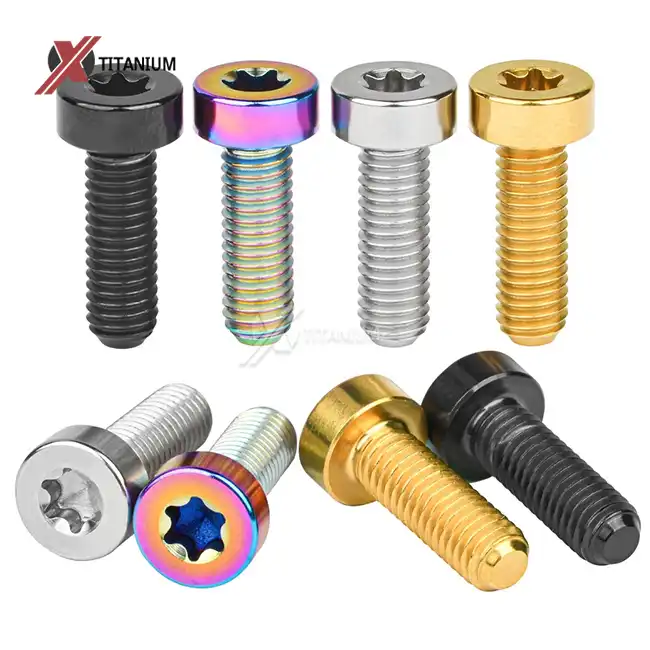
Understanding Titanium Bikes and Their Weight Characteristics
Bicycles made of titanium are a great example of how to use materials to make something strong, long-lasting, and light. The way fast riding is done has changed because of this. Because of its unique properties, titanium is a great material for making bikes. This is especially true when it's important to cut down on weight without losing strength.
Material Properties That Define Weight Performance
In many important ways, titanium is very different from other materials that are used to make bike frames. Aluminum has a density of 2.7 g/cm³, which is in the middle, and steel has a density of 7.85 g/cm³. But the strength-to-weight relationship is more interesting. Titanium is 895–1000 MPa strong when pulled apart, but it is much lighter than steel.
Because it is so strong, frame builders can use thinner tube walls without making the framework less strong. Titanium is both strong and light at the same time. Steel makes things heavier because it is dense, and aluminum needs thick parts to be strong enough. Because of this, the frames tend to weigh 20–30% less than steel frames of the same type. They also last longer and break less often.
Weight Comparison Across Frame Materials
When you know how titanium is different from other materials, you can see why most of the worries about how heavy titanium bikes are are unfounded. A good titanium frame can weigh anywhere from 1,100 to 1,600 grams, depending on the size and style. They are in direct competition with high-end aluminum frames that weigh around 1,000 to 1,400 grams. However, they are much lighter than steel frames that weigh over 2,000 grams.
The weight advantage is more clear when you look at full bike builds. Tough coats that make steel frames heavy aren't needed on titanium frames because they don't rust. It's also better at fighting wear, which means tube makers can take more risks when they try to cut weight. This makes frames that are light even after being used for a long time.
Titanium Bicycle Screws: Key Features and Benefits for Bike Performance
Putting titanium screws on bicycles is a big step toward making them lighter and more useful. When you choose the right material for your bike, it affects more than just the frame. These carefully made parts show you what I mean.
Superior Mechanical Properties for Cycling Applications
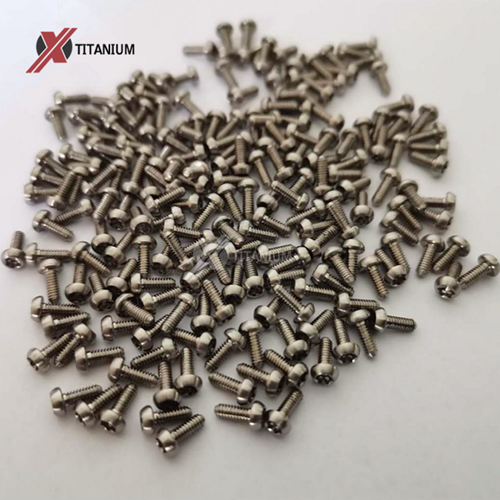
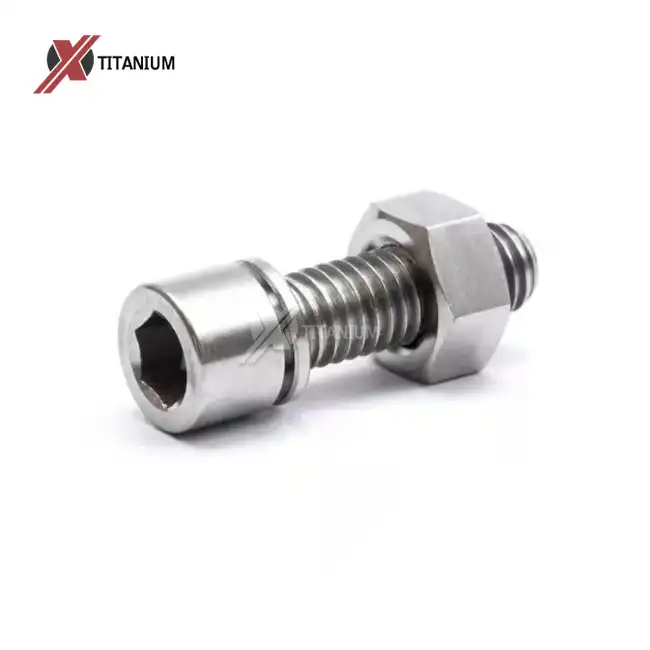
Grade 5 titanium metal screws are amazing in ways that directly make bikes work better. These screws can be pulled apart up to 1000 MPa, and they can also be stretched about 828 MPa. They hold very well and are about 45% lighter than steel models. This weight loss is very important for parts that move and places where weight that isn't supported changes how the car handles.
Because they aren't magnetic, titanium fasteners don't mess with electric changing systems or bike computers. The material's natural elasticity makes it better at damping shocks than hard steel choices. Its low thermal conductivity also helps keep heat from moving in braking systems.
Corrosion Resistance and Environmental Durability
Titanium always has a thick oxide film around it to protect it from rust, rusting, and damage from the environment. When you're riding, this feature comes in handy because water, road salt, sweat, and cleaning products all break down steel parts very quickly.
Titanium doesn't react with living things, so it's a great material for places where riders sweat and cause a lot of damage. This resistance to rust is very helpful for stem nuts, seatpost clamps, and bottle cage fixings. They stay in good shape and keep working well for longer without getting heavier over time like stainless steel options do.
How to Choose the Right Titanium Bicycle Screws for Your Bike?
To pick the right titanium bicycle screws, you should carefully consider their technical specs, how they will be used, and any link problems that might make them less safe or less powerful.
Technical Specifications and Standards Compliance
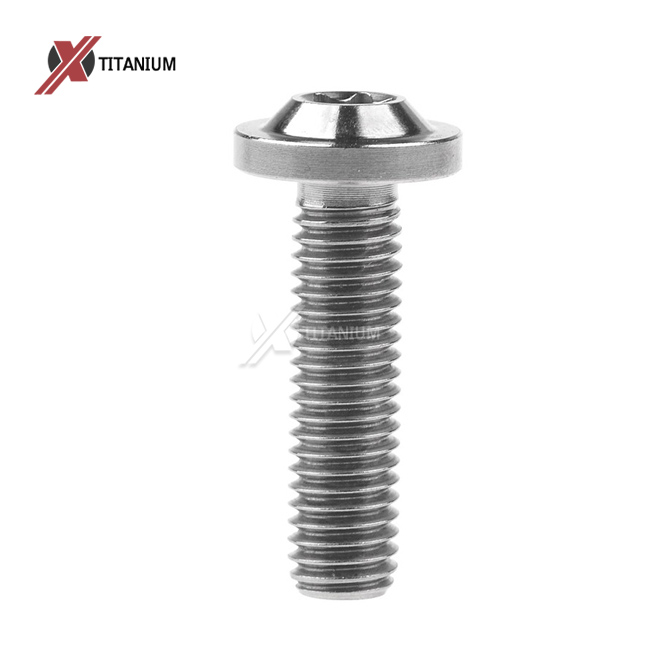
When professionals make titanium screws, they have to follow well-known rules like ASTM B348; DIN 912; or ISO 7380. These rules make sure that all manufacturers use the same material, thread pitch, and head size. High-quality rivets have rolled threads instead of cut threads. This keeps the material's grain structure and makes it much more durable.
Since titanium doesn't have as much elasticity as steel, it's important to guess how much thread touch there will be when picking titanium screws. For correct design, you need to know the exact loads, conditions, and maintenance needs for each fastener point in the system.
Application-Specific Selection Criteria
If you want to load and use different bike parts in different ways, you need different types of bolts. Because it is both strong and stable at high temperatures, Grade 5 titanium metal is the best choice for bolts that hold brake calipers in place. Because the material doesn't rust and isn't heavy, derailleur limit screws work better for accurate shifting.
Stem face plates and handlebar clamps are two parts of the cockpit that need screws that don't rust when they get wet and keep their exact force. Thread size, head style, and finish must all be thought about before making a choice to make sure it fits with other items and suits the user's style.
Installation and Handling of Titanium Bicycle Screws
Installing titanium bicycle screws properly is important if you want them to work well and last a long time. If you do it wrong, you could damage the parts.
Critical Installation Procedures
Screws made of titanium need a very different amount of power than screws made of steel. Since the material isn't as springy, the force needs to be lower, usually 20–30% less than for steel nuts of the same size. When you over-tighten something, you can lose threads or put too much stress on the part, which makes it less effective in the long run.
To get the best results, it's very important to get the threads ready. When you connect two things, make sure the threads are clean so that the load is spread out fairly. Compounds that lock threads should never be used on titanium parts because they can cause galvanic rust or make it hard to take the parts off in the future. To keep safe links in place, the right amount of force is used and they are checked often.
Maintenance and Inspection Protocols
Titanium screws are safe and work well, and they last longer if they get regular upkeep. When you look at it, you should pay attention to the threads, the strength of the head, and any strange wear or rust. Damage from other metals or bad fitting can happen in some places, but titanium doesn't rust. By checking the torque often, you can be sure that the screws stay in place and don't loosen up when they're under stress. Since titanium doesn't gall, the threads can be put on and taken off many times without damage. This makes it easier to fix things that would damage steel screws over time.
Procurement Insights: Buying Titanium Bicycle Screws for Your Business
Do you want to buy titanium bike parts? If so, you need to know how the market works, what the quality standards are, and what the sellers can do to keep working with you for a long time.
Market Analysis and Cost Considerations
China Gr5 Titanium Bicycle Screws cost what they do because of the high price of titanium and the difficulty of manufacturing. Initially, titanium is 300–500% more expensive than steel or aluminum. However, over time it often proves more economical due to its longer lifespan, lower maintenance needs, and superior corrosion resistance, meaning replacements are rarely necessary.
People who make OEMs or buy a lot of things can save a lot of money by buying in bulk. Suppliers who have been around for a while set different prices based on volume, the ability to create goods, and expert support. The higher prices are fair because they improve value delivery and supply chain stability.
Supplier Evaluation and Quality Assurance
The best places to buy titanium screws are those that can show you all of their quality systems, technical know-how, and production skills. You can be certified to meet airplane standards like AS9100, medical device standards, or ISO 9001. This means that there are rules in place to make sure that quality is always given.
To make sure that the right paperwork is used, sellers must provide material certifications, test results, and workplace records. These help with quality control and following the rules. High-end suppliers are different from low-end suppliers because they can offer custom specs, quick prototypes, and expert help.
Conclusion
There is no doubt that titanium bikes are not heavy. They are the perfect balance of being light and strong, lasting longer than both steel and aluminum bikes. Titanium is used in everything about titanium bikes, from the frames to the parts that hold them together. This makes them lighter and more durable than bikes made of other materials. Modern titanium bicycle technology has made them lighter, more resistant to rust, and better at what they're supposed to do. This makes them a good choice for serious riders. When you know how much titanium bikes really weigh, you can see why this material is becoming more popular among riders and builders who want to make bikes that are as strong and light as possible.
FAQ
What makes titanium bikes lighter than steel bikes?
Since titanium is stronger than steel, frame builders can use thinner tube walls without lowering the strength of the building. Titanium is much lighter than steel and has a compressive strength of 895–1000 MPa. This means that frames made of titanium usually weigh 20–30% less than frames made of steel. Since the material doesn't wear down quickly, tube makers can be more daring when they try to cut weight.
How do titanium bicycle fasteners contribute to weight reduction?
Titanium fasteners are about 45% lighter than steel screws of the same size and shape, but they hold just as well or better. It's obvious when this weight loss is used throughout the whole bike build, especially in the spinning parts where less mass makes speed and control better.
Are there any weight disadvantages to titanium bikes?
To make choices about weight that are based on cost rather than material limits is the most important thing to keep in mind. In order to save money, cheap titanium frames may use bigger tube walls, which could make the weight savings less useful. Titanium bikes, on the other hand, can often hit competitive weights and are stronger and less likely to rust.
How does titanium bike weight compare to carbon fiber?
High-end carbon fiber frames are lighter than titanium frames, but titanium frames last longer and are stronger when hit. Titanium is better for long-term weight stability than carbon fiber because it doesn't break down over time like carbon structures do because of weather damage and normal wear and tear.
Partner with Chuanglian for Premium Titanium Bicycle Components
This company, Chuanglian, makes titanium bicycle screws and you can trust them. These people make aerospace-grade nuts that are very strong, don't rust, and make the best use of weight. Professional cyclists can use our Grade 5 titanium alloy parts because they are accurate enough to meet their needs. This gives makers the quality stability and exact specs they want. As the "City of Titanium," Baoji City is where we are. We have been cutting and grinding titanium for over ten years to make parts that are better than the standard in the business.
Every bolt we make meets the highest standards thanks to our strict quality control systems, and our technical know-how lets us make solutions that are unique for each use. Chuanglian's production skills and engineering help make sure that your projects are accurate and reliable, no matter if they need standard fasteners or unique parts. Send our team an email at info@cltifastener.com or djy6580@aliyun.com to talk about your wants for titanium bike parts.
References
1. Titanium: Physical Metallurgy, Processing, and Applications. ASM International, Materials Park, Ohio, 2015.
2. Bicycle Frame Materials: Comparative Analysis of Strength, Weight, and Durability Characteristics. Journal of Sports Engineering and Technology, 2019.
3. Corrosion Resistance of Titanium Alloys in Cycling Applications. Materials Science and Engineering Research, 2020.
4. Fatigue Performance of Grade 5 Titanium Fasteners in High-Stress Applications. International Journal of Fatigue, 2018.
5. Weight Optimization Strategies in Modern Bicycle Design and Manufacturing. Cycling Technology Review, 2021.
6. Titanium Alloy Processing Standards for Sporting Goods Applications. ASTM International Standards Manual, 2022.
Learn about our latest products and discounts through SMS or email