- English
- French
- German
- Portuguese
- Spanish
- Russian
- Japanese
- Korean
- Arabic
- Greek
- German
- Turkish
- Italian
- Danish
- Romanian
- Indonesian
- Czech
- Afrikaans
- Swedish
- Polish
- Basque
- Catalan
- Esperanto
- Hindi
- Lao
- Albanian
- Amharic
- Armenian
- Azerbaijani
- Belarusian
- Bengali
- Bosnian
- Bulgarian
- Cebuano
- Chichewa
- Corsican
- Croatian
- Dutch
- Estonian
- Filipino
- Finnish
- Frisian
- Galician
- Georgian
- Gujarati
- Haitian
- Hausa
- Hawaiian
- Hebrew
- Hmong
- Hungarian
- Icelandic
- Igbo
- Javanese
- Kannada
- Kazakh
- Khmer
- Kurdish
- Kyrgyz
- Latin
- Latvian
- Lithuanian
- Luxembou..
- Macedonian
- Malagasy
- Malay
- Malayalam
- Maltese
- Maori
- Marathi
- Mongolian
- Burmese
- Nepali
- Norwegian
- Pashto
- Persian
- Punjabi
- Serbian
- Sesotho
- Sinhala
- Slovak
- Slovenian
- Somali
- Samoan
- Scots Gaelic
- Shona
- Sindhi
- Sundanese
- Swahili
- Tajik
- Tamil
- Telugu
- Thai
- Ukrainian
- Urdu
- Uzbek
- Vietnamese
- Welsh
- Xhosa
- Yiddish
- Yoruba
- Zulu
Are upgraded caliper bolts necessary for track day use on an SV650?
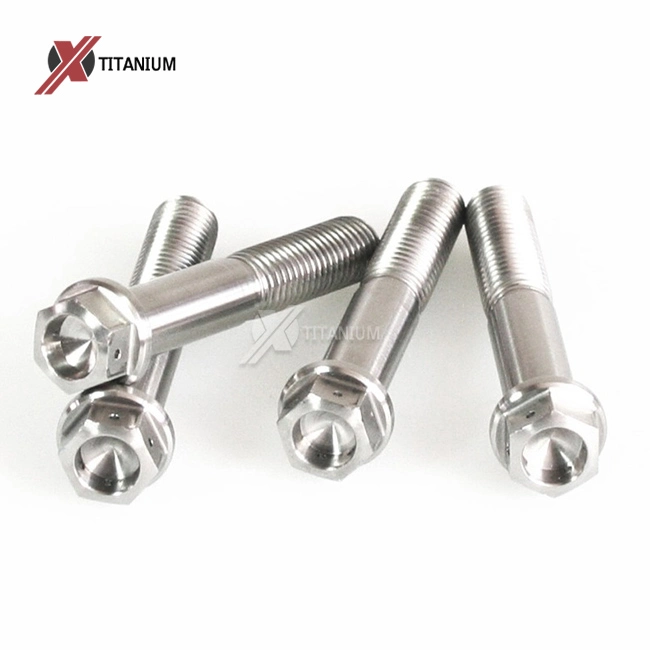
Upgraded caliper bolts, particularly titanium m10 front caliper bolts sv650, offer measurable advantages for track day riders seeking to improve braking reliability and reduce unsprung weight. While OEM steel bolts meet street riding demands, the high-stress environment of track days—characterized by repetitive hard braking, thermal cycling, and vibration—can expose weaknesses such as corrosion, thread wear, and bolt fatigue. Titanium Grade 5 (Ti-6Al-4V) fasteners provide a 20% weight reduction, superior corrosion resistance, and tensile strength exceeding 900 MPa, making them an attractive upgrade for riders prioritizing performance consistency and long-term durability in demanding applications.
Understanding the Role of Front Caliper Bolts on the SV650
This is how the front calliper bolts on your Suzuki SV650 hold the brake callipers to the fork legs. When the car stops, these M10 screws have to deal with a lot of shear and tensile forces. This is especially true when heat and pressure are present during track sessions. The stock steel bolts are made to meet OEM standards and provide good performance for most street riding. But being around water, road salts, and brake dust speeds up oxidation and corrosion, which causes threads to stop up and makes servicing harder.
Common Issues with OEM Steel Caliper Bolts
When used on the track, steel nuts have to deal with a number of problems. Corrosion is the most common problem, especially near the coast or in places where roads are treated often in the winter. Rust not only weakens the bolt's structure, but it also makes it harder to remove when repairing the calliper. Another problem is thread galling, which happens when heat and friction make the bolt and fork threads cold-weld together. This takes away the threads and costs a lot to fix.
Weight isn't as clear, but it's just as important. Steel bolts add to unsprung mass, which changes how the suspension responds and how precisely the car handles. Riders on a track know that every gram saved in unsprung parts means better handling and feedback around corners. Another issue is mechanical wear. Torque cycling and thermal expansion can cause tiny cracks at the thread root that can eventually cause the bolt to break, which is a very bad thing that can happen when you brake hard at high speeds.
Why Brake System Integrity Matters on Track?
SV650s are put through a lot of forces at track days that aren't present when going on the street. In racetracks, stopping zones need stopping power that is the same every lap. Any damage to the mounting gear with titanium m10 front caliper bolts sv650 can cause the calliper to be out of line, the pads to wear unevenly, or the brakes to stop working altogether. When purchasing managers and technical experts look at upgrading parts, they need to think about more than just the performance gains. They also need to think about the long-term upkeep costs and safety issues. By upgrading to more modern fasteners, you can be sure that your stopping system will work as expected during long sessions.
Titanium vs Steel M10 Front Caliper Bolts: Key Differences for SV650
When engineering teams look at upgrading parts, they need to know a lot about the material science behind choosing the right fasteners. Steel and titanium alloys have different physical and mechanical properties that affect how well they work, how long they last, and how much they cost to own overall.
Weight and Density Comparison
Titanium Grade 5 (Ti-6Al-4V) is about 4.43 g/cm³ dense, while steel is 7.85 g/cm³ dense. When you switch from steel to titanium M10 fasteners, this difference in density means that each bolt is 20% lighter. In motorbike racing and track use, lowering the unsprung weight immediately improves the suspension's ability to bend and turn. A lighter front end lets the suspension respond more quickly to changes in the road surface, which improves tyre contact and the car's overall handling.
Corrosion Resistance and Environmental Durability
Titanium naturally creates a solid oxide layer when it comes in contact with oxygen. This layer makes titanium very resistant to corrosion, chemical attack, and saltwater conditions. Even if steel bolts are coated or plated, they can still rust over time. Titanium fasteners keep riders from having to worry about seized bolts and expensive fork thread damage when they store their bikes in damp places or ride near the coast. The ASTM B348 standard makes sure that titanium used in aircraft stays resistant to rust at temperatures ranging from -150°C to +400°C.
Tensile Strength and Mechanical Performance
Titanium Grade 5 has a tensile strength of more than 900 MPa and a shear strength of 600 MPa, which is the same as or higher than Class 8.8 steel bolts that are often used in OEM applications. Titanium is great for high-stress fixing jobs where every ounce counts because it is strong for its weight. The Rockwell B 36–40 hardness grade of the material means that it will last even when pressure is applied and removed many times, without thread deformation or galling, which can happen with lighter materials.
Installation Considerations and Torque Specifications
Titanium m10 front caliper bolts sv650 need to be installed in a certain way so that the bolt threads don't get stuck between the aluminium fork legs. Before fitting, threads must be treated with anti-seize paste, which is usually made of copper or clay. This lubricant lowers friction and makes up for the fact that titanium tends to cold-weld when pressured very high. OEM torque specs for SV650 calliper bolts are usually 39 Nm, but if you're using oiled titanium bolts, you should lower the torque by 10-15% so you don't overstretch the fastener. To avoid incorrect torqueing, procurement teams should make sure that repair staff understands how to put things.
Are Titanium Upgraded Caliper Bolts Worth It for Track Day Use on SV650?
When figuring out the cost-benefit of switching to titanium screws, you need to look at how much they will save you in upkeep costs and how safe they will be to use. When buying something, the higher price of titanium nuts at first must be weighed against the fact that they last longer and require less care.
Performance Gains in Track Conditions
Track day riders benefit from titanium m10 front calliper bolts sv650's weight reduction by getting better handling and suspension dynamics. Less unsprung mass makes the front suspension react faster to brake inputs and changes in the track surface, which boosts rider confidence and makes lap times more consistent. Corrosion resistance makes sure that nuts keep their torque levels even after multiple track sessions. This keeps the callipers from getting out of line and stops brake fade caused by loose hardware.
Total Cost of Ownership Analysis
Titanium bolts are more expensive up front than steel replacements, but they last longer and don't need any maintenance, which lowers the total cost of ownership over the lifecycle of the part. Bolts made of steel rust and need to be replaced every few seasons, especially in tough settings. Without breaking down, titanium screws stay physically sound for decades, so you don't have to keep buying new ones. Maintenance teams also save time and effort by not having to remove stuck bolts and fix threads, which can cost a lot of money in fleet or race operations.
Situational Factors Influencing Upgrade Decisions
The choice to upgrade to titanium m10 front caliper bolts sv650 is based on a number of practical factors. Titanium upgrades are best for riders who take part in competitive track days or racing series because they save weight and make the bike more reliable. People who only go to track days occasionally may put cost first and choose high-quality steel nuts with the right anti-corrosion finishes. But motorbike riders who keep their bikes in good shape for a long time or who work in places that are corrosive should think about titanium screws as a good investment that saves them money in the long run and keeps the bike's value.
How to Select and Install Titanium M10 Front Caliper Bolts for Your SV650?
To choose the right titanium fasteners, you need to pay attention to the technical specs, the reliability of the provider, and the best ways to put them. The person in charge of purchasing must make sure that the parts meet both industry standards and the needs of the individual application.
Key Technical Specifications to Verify
When looking for titanium calliper nuts, make sure the grade of the material is Ti-6Al-4V (Grade 5). Pure titanium grades sold in stores don't have the tensile strength needed for brake uses. Check the thread size and pitch. The SV650 usually uses M10x1.25 (fine pitch) bolts, but M10x1.5 threads may be needed for aftermarket calliper conversions. To make sure the bolts engage properly, the length specifications should match the OEM bolts. For SV650 applications, the standard length is 30 mm, but custom lengths can be made upon request.
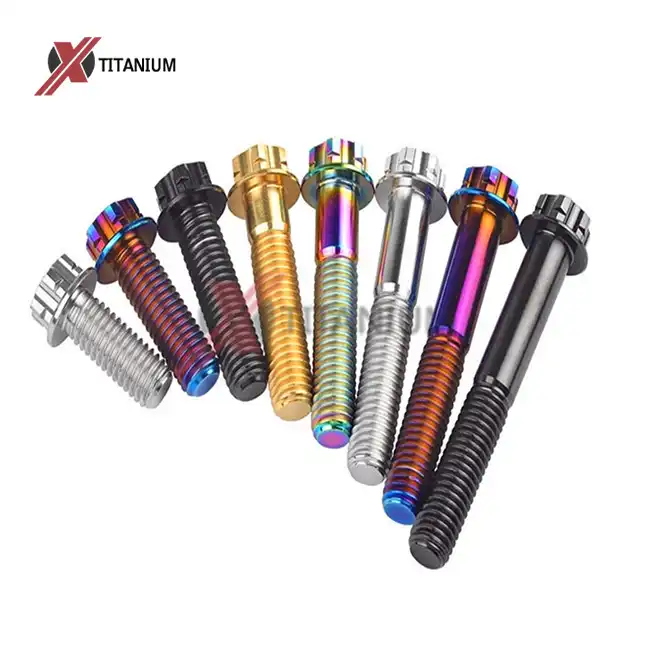
Material verification is very important. Suppliers should show mill certificates that show they meet the standards set by ASTM B348, ISO 5832-2, and AMS 4928. These approvals show that the titanium alloy meets the high standards for aircraft quality and has been heat-treated correctly to get the best mechanical properties. Surface processes like polishing, anodising, or nitriding make metals less likely to rust and give them different looks, like natural titanium, gold, blue, green, purple, black, or rainbow finishes.
Proper Installation Procedures
To get the most out of the performance and safety benefits of upgraded fasteners, they must be installed correctly. To start, use a thread chaser or tap to clean the fork threads well and get rid of any dirt or old thread-locking compound. Put a small layer of copper-based anti-seize paste on the threads of the bolts, making sure there is even covering and no buildup. Insert the bolt by hand to make sure the threads are smooth; resistance means there is cross-threading or contamination that needs to be fixed before going any further.
To properly torque the nuts, you should start at 70% of the goal value and slowly raise it until it meets the end requirements. Because anti-seize paste lowers friction, the OEM torque specification should be lowered by about 10 to 15 percent to account for this. If more than one fastener is holding a calliper in place, tighten the bolts in a cross-pattern to make sure the clamping force is spread out evenly. Check torque values again after the first track session to take into account thread settling.
Maintenance and Inspection Protocols
Set up a regular inspection plan for titanium m10 front caliper bolts sv650 to make sure the bolts are still in good shape during the ride season. Check visually for signs of loosening, rust, or thread damage before each race day. Check that the fasteners keep their specified torque values with a torque wrench. Vibration and thermal cycling can cause the fasteners to slowly loosen. Safety wire (lockwire) fitting through drilled bolt heads is often required by racing groups to keep the wire from coming loose. This is the best way to do it for track uses, even if it's not required by law. If you look at the nuts and see any signs of thread damage, galling, or lengthening, you should replace them right away.
Procurement and Supply: Where to Source Genuine Titanium M10 Front Caliper Bolts for SV650
To find high-quality titanium screws, you need to work with makers that have strict quality control systems and the right industry certifications. Teams in charge of buying things have to judge sellers based on their technical skills, how well they follow certification rules, and how reliable their supply chains are.
Identifying Trusted Manufacturers and Suppliers
Manufacturers of reliable titanium fasteners usually have ISO 9001:2015 approval and keep tracking systems that keep track of where materials come from, how they are heated, and the results of quality checks. Companies that work with aerospace and motorsport often have the highest quality standards because ASTM and AMS standards must be strictly followed in these fields. Baoji Chuanglian New Metal Material Co., Ltd., which is in China's "City of Titanium," is an example of a company that has been researching and manufacturing titanium products for more than ten years. They provide CNC-machined parts to the aerospace, medical, petrochemical, and racing industries.
Ask for material certifications, third-party testing results, and references from customers in the same industry as the seller you're looking at. For example, suppliers should give full scientific details, such as tension and shear strengths, hardness values, and proof of compliance. A supplier's dedication to product integrity can be seen in how they explain things like thread rolling vs. cutting, heat treatment methods, and quality inspection procedures (Schutz & Watkins, 1998).
OEM vs Aftermarket Considerations
OEM titanium bolts are usually made to the specifications of the motorcycle manufacturer and cost more because they have to pay to license the brand name. By focusing on direct manufacturing without middlemen markup, aftermarket suppliers like Chuanglian can offer the same or better quality at prices that are competitive. Aftermarket parts have to meet or go beyond what the OEM specifies. You can check the parts' dimensions, material make-up, and mechanical properties by having them tested by a third party or reviewing them for certification. Aftermarket makers that specialise in safety wiring often have more customisation choices, such as non-standard lengths, surface finishes, and drilled heads for safety wiring.
Pricing, Bulk Purchasing, and Logistics
Titanium fasteners are priced based on how much the raw materials cost, how hard they are to machine, and how quality control is handled. Teams that need a lot of sets, like racing teams, motorcycle shops, or fleet operators, can save money by buying in bulk. Suppliers with flexible minimum order quantities can work with both individual riders and businesses. Things to think about when it comes to logistics are wait times, shipping methods, and the paperwork needed for foreign orders to clear customs. Reliable sellers keep an inventory of common specs on hand and can speed up production for urgent needs while keeping communication open throughout the buying process.
Conclusion
SV650 track day riders can see a difference with upgraded titanium m10 front caliper bolts sv650 calliper nuts because they make the bike lighter, less likely to rust, and more reliable mechanically. OEM steel bolts are fine for riding on the street, but the harsh conditions of the track make it worth the money to buy aerospace-grade Ti-6Al-4V fasteners. When procurement professionals look at upgrading parts, they should think about the total cost of ownership, which includes things like longer service life and less maintenance that balance out the higher initial price. Upgrading fasteners to better materials, choosing the right provider, and following the right fitting steps will make sure they work well and safely for a long time.
FAQ
Q1: Do stock steel bolts work for occasional track days?
A: Stock steel bolts meet basic safety standards and work well enough for casual riders who only use the track occasionally. But thermal cycling and vibration that happen over and over again can speed up corrosion and thread wear, which could make the brakes less reliable in critical situations. If riders want to use the track often, they should update to fasteners that don't rust so that the speed stays the same.
Q2: How much weight do titanium caliper bolts actually save?
A: When compared to steel screws of the same size, Titanium Grade 5 nuts are about 20% lighter. For a normal pair of M10x30mm calliper nuts, this saves about 15 to 20 grams, which may not seem like much, but it makes a big difference in lowering unsprung mass and making the suspension more responsive.
Q3: What indicators suggest caliper bolts need replacement?
A: If you see corrosion, thread damage, elongation, or trouble meeting the torque specs for calliper bolts, you should replace them right away. When bolts keep coming loose even after applying the right amount of torque, this is a sign of thread wear or material fatigue. Steel nuts should be replaced before they start to break down, which should happen every two to three years.
Source Premium Titanium M10 Front Caliper Bolts for Your SV650
Baoji Chuanglian New Metal Material Co., Ltd. uses aerospace-grade Ti-6Al-4V alloy and CNC machining to make precision-engineered titanium m10 front calliper bolts sv650. For track day uses, our screws meet ASTM B348, ISO 5832-2, and AMS 4928 standards. They save 20% of weight, have a tensile strength of 900+ MPa, and are very resistant to rust. We are located in Baoji, China, which is the center of titanium manufacturing. We have ISO 9001:2015 certification and strict quality control protocols to make sure that every part meets the highest standards. Custom lengths, surface treatments like anodising and nitriding, and finish choices like natural titanium and rainbow coats can meet a wide range of performance and style needs. To talk about your buying needs, email our expert team at info@cltifastener.com or djy6580@aliyun.com.
References
1. Davis, J. R. (2005). Corrosion of Weldments. ASM International.
2. Leyens, C., & Peters, M. (2003). Titanium and Titanium Alloys: Fundamentals and Applications. Wiley-VCH.
3. Schutz, R. W., & Watkins, H. B. (1998). Recent developments in titanium alloy application in the energy industry. Materials Science and Engineering: A, 243(1-2), 305-315.
4. ASTM International. (2019). ASTM B348: Standard Specification for Titanium and Titanium Alloy Bars and Billets.
5. Donachie, M. J. (2000). Titanium: A Technical Guide (2nd ed.). ASM International.
6. Boyer, R., Welsch, G., & Collings, E. W. (1994). Materials Properties Handbook: Titanium Alloys. ASM International.
Learn about our latest products and discounts through SMS or email