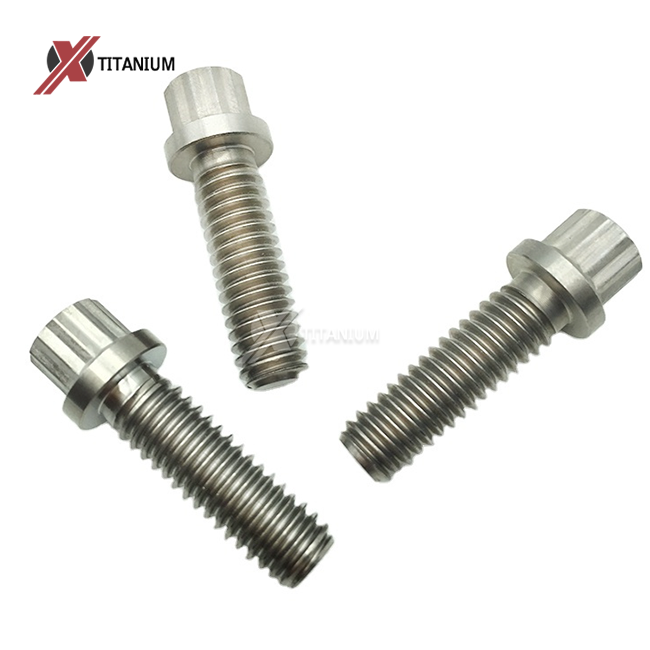
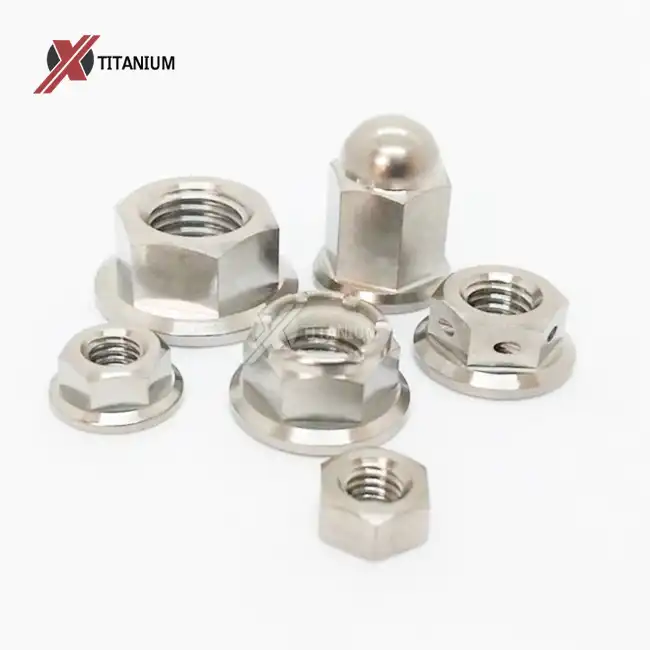
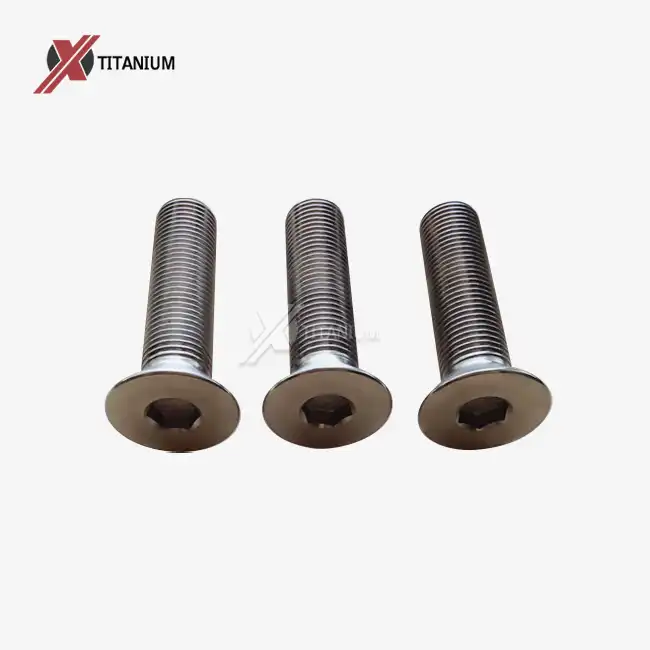
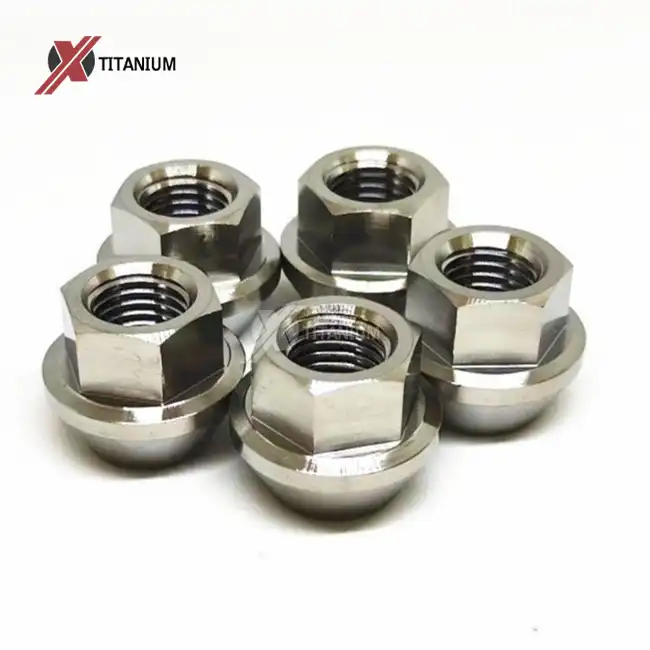
When it comes to motorcycle customization, titanium alloy bolts represent the pinnacle of fastening technology. These precision-engineered components combine exceptional strength with remarkable weight reduction, making them the preferred choice for serious motorcycle enthusiasts and professional builders. Unlike standard steel fasteners, titanium alloy bolts offer superior corrosion resistance, heat resistance, and mechanical properties that withstand the demanding conditions of high-performance motorcycles. The aerospace industry has relied on titanium fasteners for decades, and now this advanced technology is transforming motorcycle customization. Whether you're building a track-focused superbike or restoring a vintage classic, selecting the right titanium alloy bolts can significantly impact both performance and aesthetics while ensuring long-term structural integrity.
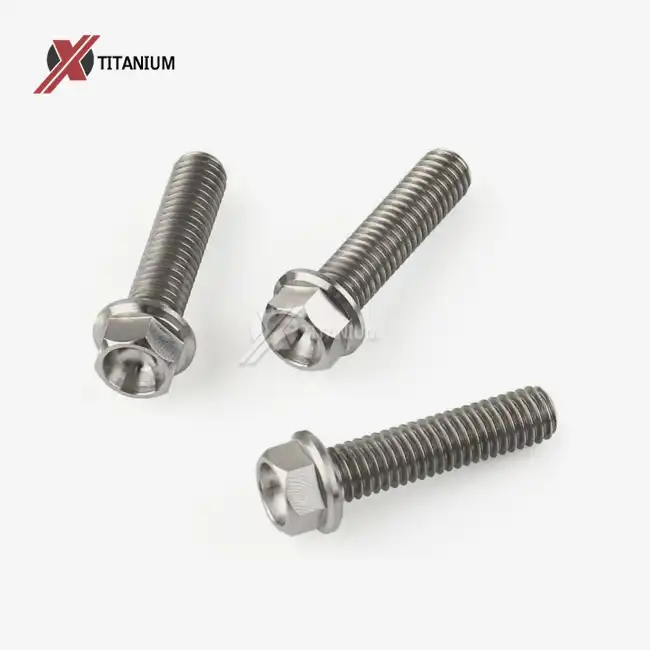
Why Titanium Alloy Bolts Matter in Motorcycle Customization?
Motorcycle customization requires materials that can handle extraordinary pressure while maintaining accuracy and unwavering quality. Conventional latches regularly compromise between weight and quality, but titanium combination jolts dispose of this trade-off completely. The special amalgam composition of Review 5 titanium (Ti6Al4V) gives ductile quality comparable to high-grade stee,whileas weighing around 40% less. This weight diminishment becomes pivotal in dashing applications where every gram influences speeding up andhandlingh characteristics. Corrosion resistance stands as another basic calculation.
Bikes confront cruel natural conditions,includingg rain, salt, and temperaturfluctuationsns. Standard steel jolts create rust and oxidation over time, compromising both appearance and basic judgment. Titanium's common oxidation resistance shapes a defensive layer that anticipates advanced weakening, guaranteeing your custom construct keeps up its perfect condition for years. The non-magnetic properties of titaniu,m moreov,er advantage electronic frameworks cutting-edgedge cruisers. Not at all like ferrous latches that can meddle with touchy components, titanium jolts kmaintainelectromagnetic nonpartisanship, avoiding potential issues with fuel infusion frameworks, ABS controllers, and other electronic modules.
Selection Criteria for Premium Titanium Motorcycle Bolts
Selecting the best titanium alloy bolts requires careful evaluation of multiple factors that directly impact performance and longevity. Material grade serves as the foundation of quality assessment. Grade 5 titanium (Ti6Al4V) offers the optimal balance of strength, weight, and workability for motorcycle applications. This specific alloy composition contains 6% aluminum and 4% vanadium, providing enhanced mechanical properties compared to commercially pure titanium grades. Manufacturing forms altogether impact jolt quality and unwavering quality.
CNC machining guarantees exact string geometry and dimensional precision, whereas appropriate warm treatment optimizes the material's microstructure for greatest strength. Surface medicines such as anodizing or nitriding can assist iin improvingerosion resistance and give tasteful customization options. Load-bearing capacity must coordinate the particular application necessities. Motor mounting jolts require distinctive quality characteristics compared to the body board clasp.
Understanding the stretch conveyance and disappointment modes makes a difference din distinguishingthe suitable jshockdeterminations for each application. Quality certifications give affirmation of fabric genuineness and fmanufacturing processes Legitimate producers keep up AS9100 or ISO9001 certifications, illustrating their commitment to aerospace-grade quality control frameworks. Fabric traceability documentation permits confirmation of the titanium's origin and chemical composition.
Top 6 Titanium Alloy Bolts for Motorcycle Customization
Grade 5 Titanium Engine Mounting Bolts
Engine mounting applications request the most elevated level of quality and unwavering quality, making Review 5 titanium jolts the ideal choice for these basic applications. These precision-engineered latches include CNC-machined strings that guarantee idealize engagement with aluminum or steel motor cases. The Ti6Al4V amalgam composition gives remarkable pliable quality, while keeping up the adaptability required to assimilate motor vibrations without creating metal fatigue. The fabrication process includes cautious warm treatment to accomplish the ideal microstructure for high-stress applications.
Each jolt experiences dimensional review to ensure string pitch exactness within aviation resiliences. The normal erosion resistance of titanium dispenses with the requirement for defensive coatings that might compromise string engagement or present defilement into the motor bay. These jolts exceed expectations in high-temperature situations where motor warm can reach extraordinary levels. Not at all like steel latches that may encounter warm extension issues, titanium maintains dimensionalstabilitys over wide temperature ranges. The material's warm conductivity moreover anticipates warm exchange from the motor to encompassing components, securing touchy materials like elastic gaskets or plastic covers. Installation contemplations incorporate legitimate torque details that account for titanium's one-of-a-kind mechanical properties.
The lower flexible modulus compared to steel requires balanced fixing methods to accomplish ideal clamping constraints without overstressing the fabric. Proficient builders appreciate the steady execution characteristics that eliminate mystery aduringassembly. Weight investment funds ended up especially noteworthy in motor mounting applications where decreased mass progresses the motorcycle's center of gravity. The 40% weight decrease compared to steel jolts contributes to superior taking care of elements and decreased unsprung weight when utilized in swing arm or suspension applications.
Titanium Brake Caliper Bolts with Anodized Finish
Brake system applications present unique challenges that make titanium alloy bolts an excellent investment for performance-oriented builds. These specialized fasteners must withstand the extreme heat generated during aggressive braking while maintaining precise clamping force on critical safety components. The anodized surface treatment provides both aesthetic appeal and enhanced corrosion protection in environments exposed to brake dust and moisture. The anodizing handle makes a controlled oxide layer that can be colored to coordinate custom paint plans or give visual differentiation for hustling applications.
Prevalent colors incorporate gold, blue, and purple wraps that keep up their appearance beneath the unforgiving conditions of track utilize. The oxide layer alsoincreasess surface hardness, giving extra security against wear and ranking aduringestablishment or removal. Precision fabricating guarantees reliable string geometry that avoids cross-threading or authoritative amid establishment. The smooth surface wrap-up decreases the chance of push concentrations that might lead to weariness disappointment beneath cyclic loading. Each jolt experiences aan ttractive molecule assessment to identify any inner imperfections that might compromise auxiliary integrity. Heat resistance becomes pivotal in brake applications where temperatures can surpass 500°F during supported track utilize.
Titanium's temperature stability guarantees that clamping constraint remains steady indeed beneath extraordinarythermalm cycling. The material's moisture coefficient of warm development anticipates extricating due to temperature fluctuations that commonly influence steel fasteners. The lightweight nature of the titanium brake caliper jolts contributes to diminished unsprung weight, improving suspension reaction and generally taking care of characteristics. This weight diminishment becomes especially recognizable in hustling applications where every gram of mass influences increasing speed and braking execution. Proficient racers frequently indicate a titanium clasp all through the brake system to maximize these benefits.
Custom Length Titanium Body Panel Bolts
Body board connections require a clasp that combines quality with tastefuldesignt, making custom titanium jolts a perfect arrangement for aappearancebicycles and café racer builds. These jolts can be made to correct length determinations, disposing of the requirement for spacers or washers that compromise the clean lines fundamental to custom bike aesthetics. The normal silver wrap up of titanium complements both present-day and vintage styling themes. Customization alternatives expand past straightforward length alterations to incorporate head styles, string pitches, and embellishing highlights. Button head jolts give a smooth, streamlined appearance for fairings and fuel tanks, whereas hex head jolts offer superior instrument engagement for regularly overhauled boards.
The capacity to indicate correct measurements guarantees an ideal fit and wrap up for one-off custom builds. The fabrication prepare utilizes CNC turning and processing to accomplish exact measurements and surface finishes. Cold shaping methods can enhance head designs or company logos for branded builds. Each jolt gets a person assessment to confirm dimensional precision and surface quality some sometimes recently shipment. Corrosion resistance becomes especially critical for body board applications where latches are exposed to natural elements.
The detached oxide layer that forms on titanium gives long-term assurance without requiring support or occasional substitution. This strength guarantees that custom builds keep up their appearance over amplified periods. Installation adaptability permits builders to accomplish particular tasteful objectives while keeping up necessities. The tall strength-to-weight proportion of titanium licenses the utilization of smaller amplitude vibrations without compromising holding control, empowering more unobtrusive visual integration. Proficient builders appreciate the plan opportunity that titanium latches give for making one-of-a-kind custom motorcycles.
High-Temperature Titanium Exhaust System Bolts
Exhaust framework mounting presents a few of the most demanding conditions for cruiser latches, with temperatures regularly surpassing 1000°F and consistent exposure to destructive gases. High-temperature titanium combination jolts, particularly designed for these applications, utilize specialized warm medicines and amalgam compositions optimized for warm cycling and oxidation resistance. The fabrication process incorporates strengthening and aging treatments that optimize the microstructure for high-temperature execution. These warm forms make a steady grain structure that stands up to development and mutilation beneath maintained warm presentation.
The coming about jolts keep up their mechanical properties and dimensional exactness indeed after thousands of warming and cooling cycles. Surface planning includes cautious expulsion of any machining buildup or defilement that seems to compromise high-temperature execution. The characteristic passivation layer of titanium gives great oxidation resistance, but a legitimate surface arrangement guarantees an ideal arrangement of this defensive oxide. A few applications advantage from specialized coatings that improve warm scattering or give extra erosion protection. Thread engagement contemplations have become essential in high-temperature applications where warm extension can influence joint keenness.
The lower coefficient of development for titanium compared to steel deplete components makes a difference keep up reliable clamping drive over temperature ranges. Appropriate string engagement length calculations guarantee satisfactory holding control without overstressing the latch or parent material. Weight decrease benefits amplify past basic mass investment funds to incorporate diminished warm mass in the debilitate framework. Lighter clasp warm up and cool down more rapidly, diminishing warm stretch and extending component life. Dashing applications especially advantage from the decrease in general weight of titanium depleted mounting equipment, contributing to progressed power-to-weight ratios and handling dynamics.
Precision Titanium Suspension Linkage Bolts
Suspension linkage applications require latches that can handle complex stacking designs while keeping up exact arrangement and smooth operation. Accuracy titanium alloy bolts planned for these applications highlight ultra-tight dimensional resiliences and specialized surface wraps that minimize contact and wear. The tall strength-to-weight proportion of titanium permits for optimized suspension geometry without including pointless mass to the unsprung components. Manufacturing accuracy centers on accomplishing culminate cylindricity and surface wrap up to guarantee smooth turn in bushings or heading.
CNC crushing operations can accomplish surface wraps up to underneath 8 microinches Ra, giving ideal conditions for long bearing life. Each jolt experiences facilitate measuring machine assessment to confirm geometric precision within micron tolerances. Material choice utilizes Review 5 titanium optimized for weakness resistance beneath cyclic stacking conditions. The microstructure control accomplished through appropriate warm treatment gives fabulous split engendering resistance, fundamental for suspension components that encounter millions of push cycles. Weariness testing approves the anticipated benefit of life under recreated hustling conditions.
Corrosion security becomes vital in suspension applications where jolts may be exposed to street salt, mud, and flotsam and jetsam. The normal passivation of titanium gives long-term security without requiring upkeep or occasional grease. This solidness guarantees steady suspension execution and decreases the requirement for visit component replacement. Installation contemplations incorporate legitimate torque details that account for the interaction between titanium bolts and aluminum or steel suspension components. The distinctive flexible moduli require careful consideration of constraints to avoid over-compression of bushings or heading. Proficient suspension tuners appreciate the reliable execution characteristics that titanium latches give over different natural conditions.
Decorative Titanium Bolts with Rainbow Anodizing
Show-quality motorcycle builds often require fasteners that serve as jewelry-like accents while maintaining structural integrity. Rainbow anodized titanium bolts provide spectacular visual appeal through interference color effects created by precisely controlled oxide layer thickness. These decorative fasteners combine artistic beauty with the inherent performance advantages of titanium alloy construction. The rainbow anodizing process involves careful voltage control during electrochemical oxidation to achieve specific color gradients. The resulting finish displays shifting colors from gold through blue to purple, creating a unique appearance that changes with viewing angle and lighting conditions.
Each bolt becomes a miniature work of art while retaining full structural capabilities. Durability of the anodized finish exceeds that of painted or plated alternatives because the color exists within the oxide structure rather than as a surface coating. This integration prevents chipping, flaking, or wear that commonly affects decorative finishes on traditional fasteners. The oxide layer also provides additional corrosion protection beyond titanium's natural resistance. Application versatility allows these decorative bolts to enhance various motorcycle components from engine covers to brake calipers.
The vibrant colors complement carbon fiber components and provide a striking contrast against matte black finishes popular in modern custom builds. Show bike builders often specify rainbow anodized fasteners as signature elements that distinguish their work. Manufacturing quality ensures that decorative appeal never compromises structural performance. Each bolt meets the same dimensional and material specifications as standard titanium fasteners while adding the visual enhancement of rainbow anodizing. Professional builders can specify these decorative bolts with confidence in both their aesthetic impact and mechanical reliability.
Global Market Characteristics and Regulations
The global titanium fastener market reflects the increasing sophistication of motorcycle customization across different regions. North American markets emphasize performance applications with strong demand for racing-grade components, while European markets show a preference for precision engineering and environmental sustainability. Asian markets demonstrate growing interest in both performance and aesthetic customization options.
Regulatory considerations vary significantly across international markets. European Union regulations require compliance with REACH directives for material composition and manufacturing processes. United States markets operate under ASTM specifications that define material grades and testing requirements. Japanese industrial standards emphasize dimensional accuracy and surface finish quality that exceeds many international specifications. Cultural preferences influence product selection and marketing approaches.
European customers typically prioritize technical documentation and material certifications, while North American markets focus on performance benefits and racing heritage. Asian markets show strong interest in aesthetic customization options and color variations that reflect personal style preferences. Supply chain considerations affect availability and pricing across different regions. Titanium raw material sourcing concentrates in specific geographic areas, influencing regional pricing structures. Manufacturing capabilities vary significantly, with some regions specializing in high-volume production while others focus on custom or small-batch applications.
Purchasing Recommendations and Considerations
Successful titanium alloy bolt selection requires balancing performance requirements with budget constraints and availability considerations. Start by identifying critical applications where titanium's benefits justify the premium cost, such as rotating assemblies or high-stress mounting points. Gradually expand titanium usage to less critical applicationsthe budgetdget allows and experience with the material grows. Supplier evaluation should prioritize companies with aerospace industry experience and proper quality certifications.
Request material test certificates and manufacturing documentation to verify authenticity and traceability. Establish relationships with suppliers who can provide technical support and application guidance for specific motorcycle projects. Installation planning requires consideration of titanium's unique characteristics and proper tooling requirements. Invest in quality torque wrenches and anti-seize compounds specifically formulated for titanium applications. Develop installation procedures that account for material properties and prevent damage during assembly. Inventory management strategies should account for the longer lead times typically associated with custom titanium components. Plan purchases well in advance of project deadlines and consider stocking commonly used sizes and specifications. Bulk purchasing can provide cost advantages while ensuring availability for multiple projects.
Conclusion
Selecting the best titanium alloy bolts for motorcycle customization requires understanding both the material's exceptional properties and your specific application requirements. The six categories covered provide comprehensive coverage for most custom builds, from engine mounting to decorative accents. While the initial investment exceeds traditional fasteners, the long-term benefits of weight reduction, corrosion resistance, and aesthetic appeal justify the premium for serious enthusiasts. Quality suppliers with aerospace experience ensure you receive authentic materials and proper technical support throughout your build process.
Frequently Asked Questions
What makes Grade 5 titanium superior to other grades for motorcycle applications?
Grade 5 titanium (Ti6Al4V) offers the optimal balance of strength, weight, and workability for motorcycle applications. The 6% aluminum and 4% vanadium additions significantly increase tensile strength compared to commercially pure titanium grades while maintaining excellent corrosion resistance and machinability. This alloy provides strength comparable to high-grade steel at 40% less weight, making it ideal for performance applications where both strength and weight reduction matter.
How do I prevent galling when installing titanium bolts?
Preventing galling requires proper installation techniques and appropriate anti-seize compounds. Use titanium-compatible lubricants and avoid over-tightening beyond specified torque values. Install bolts slowly with frequent backing off to allow heat dissipation. Never force seized bolts, as this can cause permanent damage. Quality titanium bolts with proper surface finishes significantly reduce galling risk compared to lower-grade alternatives.
Are titanium bolts worth the investment for street motorcycles?
While titanium bolts provide measurable benefits for any motorcycle, the value proposition depends on your specific priorities and budget. Street riders benefit from corrosion resistance, reduced maintenance, and improved aesthetics, while track riders gain additional advantages from weight reduction and heat resistance. Consider starting with high-stress applications like engine mounts and brake components, where titanium's benefits are most pronounced, then expanding usage based on experience and budget.
Partner with Chuanglian for Premium Titanium Alloy Bolts Manufacturing
Chuanglian stands as a leading titanalloy bolt supplier with over ten years of specialized experience in precision titanium component manufacturing. Our comprehensive CNC machining capabilities and strict quality control systems ensure every bolt meets aerospace-grade standards for motorcycle customization projects. Located in Baoji, the renowned "City of Titanium," we maintain direct access to premium raw materials and cutting-edge processing technologies that guarantee superior product quality.
Our engineering team provides comprehensive technical support throughout your project development, from material selection to custom specifications that match your exact requirements. We understand the unique demands of motorcycle applications and can recommend optimal solutions for specific performance goals. Whether you need standard fasteners or completely custom designs, our manufacturing flexibility accommodates projects from prototype development through full production runs.
Quality assurance protocols include material traceability documentation, dimensional verification, and performance testing that exceeds industry standards. Our AS9100 and ISO9001 certifications demonstrate our commitment to consistent quality and reliable delivery schedules. Each shipment includes complete documentation verifying material grades, heat treatment specifications, and dimensional accuracy.
Ready to elevate your motorcycle build with premium titanium fasteners? Our application engineers are standing by to discuss your specific requirements and provide detailed quotations for custom solutions. Contact us at info@cltifastener.com or djy6580@aliyun.com to begin your partnership with a trusted titanium components manufacturer dedicated to your success.
References
1. American Society for Testing and Materials. "Standard Specification for Titanium and Titanium Alloy Bars and Billets." ASTM B348-19, 2019.
2. Boyer, R.R., and Briggs, R.D. "The Use of β Titanium Alloys in the Aerospace Industry." Journal of Materials Engineering and Performance, vol. 14, no. 6, 2005, pp. 681-685.
3. Donachie, Matthew J. "Titanium: A Technical Guide." ASM International Materials Park, 2nd edition, 2000.
4. Peters, M., and Leyens, C. "Titanium and Titanium Alloys: Fundamentals and Applications." Wiley-VCH, 2003.
5. Society of Automotive Engineers. "Aerospace Material Specification for Titanium Alloy Fasteners." AMS 4967M, 2018.
6. Williams, J.C., and Boyer....Opportunitiesdand Issues in the Application of Titanium Alloys for Aerospace Components." Metals, vol. 10, no. 6, 2020, pp. 705.