Asia is the only place in the world that makes more high-quality titanium bottle cage bolts for cycling than any other area. The best aerospace-grade fasteners are made by companies like Baoji Chuanglian New Metal Material Co., Ltd., which is based in China's "City of Titanium." These bolts are small, light, and won't rust. They make bikes work better and last longer. Asian manufacturers are great at precise machining, quality control systems, and setting OEM prices that are competitive. These things help global distributors and brands of cycling parts that are looking for reliable supply partnerships.
Introduction
Parts for bikes need to be carefully designed to improve performance without putting safety at risk. These titanium bottle cage bolts are both very light and very strong, which is why both professional and amateur cyclists need them. Because these special fasteners don't rust as easily as regular steel ones, they can be used to securely attach hydration systems in a lot of different weather conditions.
Asian companies are the leaders in this niche market because they are very good at working with metal and can make products for very little money. China, Japan, and South Korea are home to some of the best titanium processing plants in the world. There are three industries that use these plants at the same time: aerospace, medicine, and cycling. As a result of working in different fields, the quality standards for bike parts are now higher.
Companies that make titanium fasteners are coming up with new ideas because more and more cyclists want high-end gear. Cycling fans who watch their weight know that when they are racing or going on a long tour, every gram counts. When it comes to bike weight, titanium bottle cage screws can help. They are stronger and last longer than aluminum or steel ones.
Things You Should Look for in High-End Titanium Fasteners
There are many technical and business factors that you need to carefully think about in order to choose the best titanium bottle cage bolts. The quality of the material can be judged by its grade. It's easy to shape grade 2 titanium, and it's not too strong either. To the contrary, Grade 5 (Ti-6Al-4V) is stronger than Grade 4 and is better for high-stress situations.
How well the threads fit and how well the assembly is done depend on how well the parts were made. High-end manufacturers use CNC machining centers that can hold tolerances of just a few microns. When the threads are tightened to this level, they stay in place and don't cross-thread, which can make the bottle cage less secure during rides.
Certifications for quality show that a business can make something and that the process is managed well. ISO 9001 certification shows that you have a system for managing quality, and AS9100 aerospace certification shows that you are very good at working with metal. Medical device certifications (ISO 13485) show that you know a lot about how to use high-purity titanium in a way that doesn't harm living things.
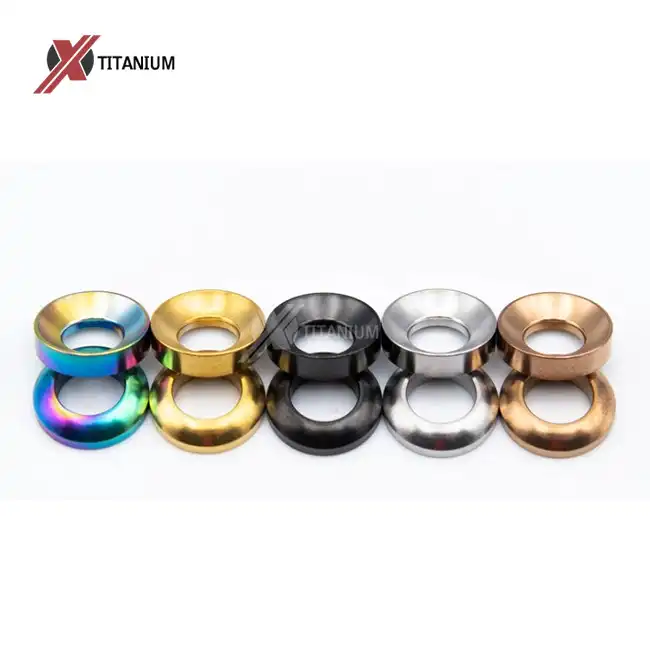
Putting something on a surface makes it look better and work better too. You can pick from different colors of anodized finishes, and they still don't rust. When things are shot peened, they are less likely to wear out quickly during high-cycle situations. Titanium surfaces that are left naturally look classic and show how pure the metal is.
To work with an OEM, the supply chain needs to be reliable. When manufacturers keep track of their inventory well, have flexible production schedules, and have a history of making deliveries on time, supply disruptions are less likely to happen. Orders from other countries take less time and cost less to ship when they are close to major shipping ports.
Top Asian Companies That Make Titanium Bolts
Baoji Chuanglian New Metal Material Co., Ltd. does business in China
Baoji Chuanglian is one of the best companies in Asia for making titanium fasteners. They have over ten years of experience in precision titanium machining. The company is located in Baoji City, which is known around the world as the "City of Titanium." The city has easy access to a lot of raw materials and a lot of experts in the field.
The company has complete CNC machining centers with cutting-edge multi-axis machines that can make complex shapes very precisely. Their quality control systems check every step of the production process, from checking the raw materials to making sure the finished product is good. This methodical approach makes sure that the quality of each batch is the same and meets international standards.
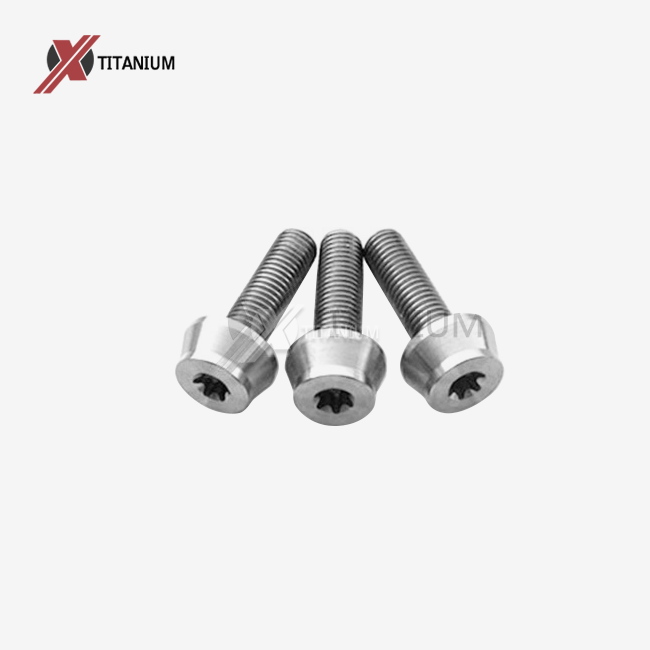
Chuanglian's titanium water bottle cage hardware comes in a range of grades and shapes. Standard M5 bolts can be used with most bottle cages, and custom threading options can be used with certain mounting systems. Their corrosion-resistant cage bolts are put through a lot of salt spray tests, which show that they work better in marine environments and bad weather.
Changes that can be made to a product include the thread pitch, the head style, and the length. OEM customers work with the engineering team to make sure that titanium bottle cage bolt designs are the best they can be for each application. Each shipment comes with material certifications, which are needed by quality-conscious cycling brands for tracking purposes.
Expertise in international shipping makes sure that goods get to markets around the world safely. The company has strategic partnerships with freight forwarders that specialize in titanium products. This helps them deal with the complicated rules for exporting while cutting down on transit times. Competitive pricing structures show that production processes are working well and that getting raw materials is easy.
Analysis of the global market and regional preferences
The global market for high-quality bike cage replacement bolts shows that different regions have different performance needs and tastes. Precision engineering and protecting the environment are important in European markets, which increases the need for recycled titanium content and eco-friendly packaging. In Europe, professional cycling teams often ask for custom bolt sets with anodizing colors that are unique to their team.
In North America, performance benefits and weight loss capabilities are most important. Because of the vibration and impact stresses that come from riding mountain bikes on rough terrain, applications need to be more durable. In the road cycling segments, aerodynamics and minimizing weight are important for getting an edge over the competition.
As more people in cities start riding bikes, Asian markets show a growing appreciation for high-quality materials. Adding an e-bike requires special fasteners that can handle heavier systems while still fitting into standard mounting holes. New designs for fasteners can be made for this growing market segment.
Different regions have very different regulatory issues to think about. European RoHS rules limit some surface treatment chemicals, which affects the choice of anodizing process. Labeling rules in California Proposition 65 affect how goods are packed and what paperwork is needed to sell them in the United States. Asian manufacturers must figure out how to meet these complicated requirements in order to sell their goods in global markets.
Cultural preferences affect how a product looks and how it is packaged. Japanese markets like clean, simple designs and high-quality packaging materials. Customers in Europe like detailed technical documentation and certifications for materials. By knowing these preferences, manufacturers can make their products more appealing to the market as a whole.
Advice on What to Buy and Some Strategic Thoughts
For successful acquisition of high-quality titanium bottle cage bolts, evaluations must go beyond initial price considerations. The total cost of ownership takes into account things like how long something lasts, what warranties cover, how easy it is to get technical help, and how reliable the supply chain is. These things often make it okay to charge more for better products.
Sample evaluation programs let you test things thoroughly before placing large orders. Manufacturers with a good reputation offer sample kits with different grades, finishes, and shapes. Fit checking, torque testing, and corrosion resistance testing should all be part of physical testing that takes place in real-world use situations.
Manufacturing companies and customers both benefit from long-term partnership growth. A lot of the time, commitments to buy in bulk open up better pricing and earlier scheduling for production. Technical opportunities to work together can lead to new products that help both companies' market positions.
Different types of end-use applications and customer requirements have different quality documentation needs. For medical device applications, you need a lot of material certifications and process documentation. Full traceability is needed in aerospace applications, from the source of the raw materials to the final inspection. Knowing these requirements can help you avoid delays and extra work that cost a lot of money.
Inventory management plans weigh the costs of keeping things in stock against the need to keep supplies safe. Just-in-time delivery programs keep production going while reducing the amount of inventory that needs to be kept. Setting up emergency stock arrangements gives you extra supplies for important uses. Collaborative forecasting makes it easier to predict demand and cuts down on waste in the supply chain.
Trends in the Industry and the Future
The titanium fastener business is always changing because of new technologies and shifting consumer needs. Using additive manufacturing techniques, you can make shapes that were previously impossible to make with traditional machining methods. Because of these abilities, it's possible to make designs that are small, light, and integrated, and where one part can do more than one thing.
Smart manufacturing integration makes it easier to control quality and make things more quickly. IoT sensors keep an eye on the parameters of machining in real time, so problems can be fixed right away before they get worse. Predictive maintenance programs keep production levels steady while reducing the time that equipment is down.
Innovations in recycling technologies and production methods that use less energy are driven by concerns about sustainability. Closed-loop recycling systems make it possible to reuse titanium scrap without breaking down the material. Using renewable energy lowers the carbon footprint of manufacturing while keeping costs down.
Conclusion
Titanium bottle cage bolts made in Asia are the best because the manufacturers there know the most about metals and can make them cheaply. Companies like Baoji Chuanglian show what professionals in the cycling business look for in a good partner they can trust. Titanium fasteners are the best choice for serious cyclists because they are highly resistant to corrosion, are very light, and last a long time.
You should carefully look at the manufacturing capabilities, quality systems, and the chance for long-term partnerships if you want to do a good job of procurement. Buying high-quality fasteners is a good idea because they make things work better, require less maintenance, and make customers happier. Titanium fasteners are the way of the future for high-performance bike parts as the cycling industry moves toward better materials and methods that are better for the environment.
Frequently Asked Questions
Q1: What grade of titanium works best for bottle cage applications?
A: Grade 2 titanium provides excellent corrosion resistance and formability for standard bottle cage mounting applications. Grade 5 (Ti-6Al-4V) offers higher strength for demanding applications but costs more. Most recreational cyclists find Grade 2 perfectly adequate for their needs.
Q2: How do titanium bolts compare to aluminum alternatives in terms of durability?
A: Titanium bolts offer superior fatigue resistance and corrosion protection compared to aluminum fasteners. While aluminum bolts may cost less initially, titanium's longevity often provides better value over the product lifecycle, especially in harsh weather conditions.
Q3: What threading specifications are standard for bicycle bottle cage mounting?
A: Most bicycle bottle cage mounts use M5 x 0.8 threading with lengths ranging from 12mm to 20mm depending on frame tube thickness. Some lightweight frames may require longer bolts to ensure adequate thread engagement for secure mounting.
Partner with Chuanglian for Premium Titanium Bottle Cage Bolt Solutions
Chuanglian delivers exceptional value for companies seeking reliable titanium bottle cage bolts supplier partnerships. Our decade of specialized titanium machining experience ensures consistent quality that meets demanding performance requirements. Advanced CNC capabilities produce precision fasteners with tolerances measured in microns, guaranteeing perfect fitment across diverse bottle cage designs.
Our comprehensive quality control systems span every production phase, from raw material inspection through final verification testing. ISO-certified processes provide documentation traceability required by quality-conscious cycling brands. Competitive pricing structures reflect efficient production capabilities and strategic raw material sourcing in China's titanium capital.
Technical support services include application engineering assistance and custom design development. Our engineering team collaborates with OEM partners to optimize bolt specifications for specific applications. Flexible production scheduling accommodates urgent requirements while maintaining quality standards. Ready to elevate your cycling component offerings with premium titanium fasteners? Contact us at info@cltifastener.com and djy6580@aliyun.com to discuss your titanium bottle cage bolts manufacturing requirements.