To find the best titanium bolt source, you need to look at a number of important factors that will have a direct effect on the success of your project. Whether you need titanium button head bolts for use in flight or gear that won't rust in naval settings, the right source relationship is more than just getting the right products. Consistency in quality, professional know-how, on-time delivery, and industry certifications are all important for building long-lasting buying relationships. Knowing these selection factors can help buying teams find their way around the complicated titanium bolt market and get the best performance for tough industrial uses.
Understanding Your Titanium Fastener Requirements
Defining clear requirements is the first step in choosing a good seller. Different businesses need different grades of titanium metal. For example, Grade 2 titanium is great for marine uses because it doesn't rust, while Grade 5 titanium is better for aircraft parts because it's stronger and lighter. The tensile strength, yield strength, and stretch rates of the material must match the needs of your product. Specifications for the surface finish are very important for how well it works.
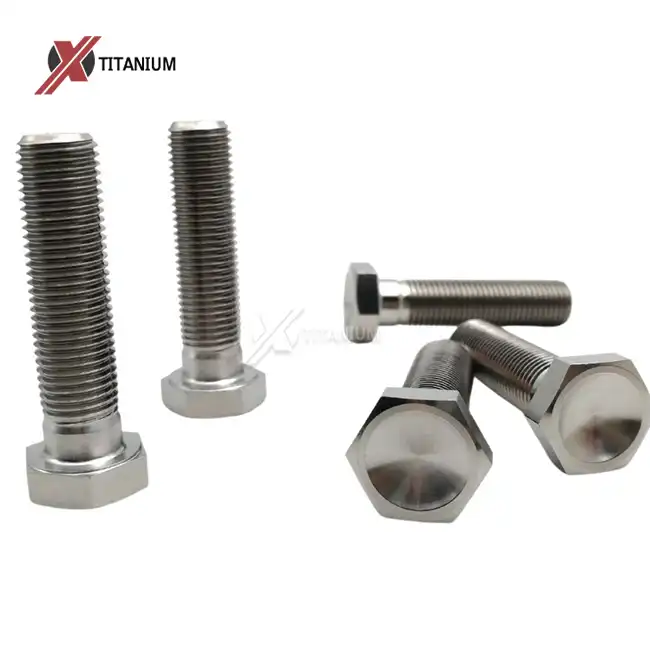
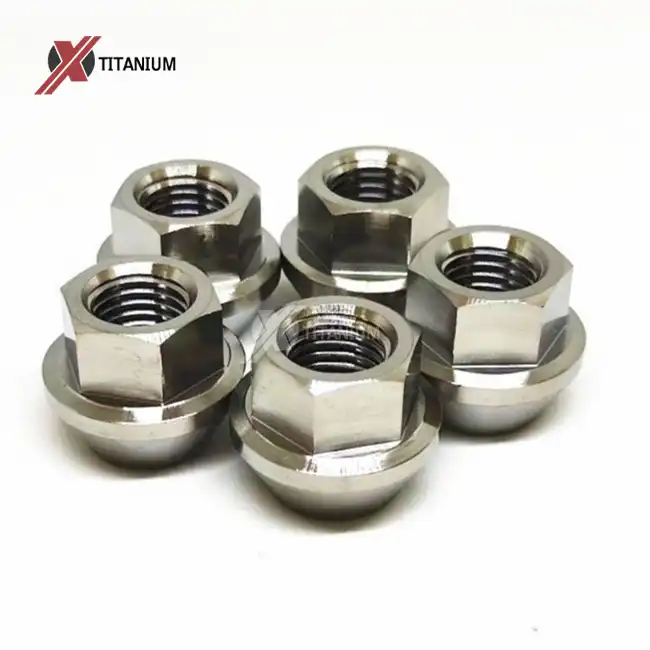
Titanium socket head screws and structural nuts need different processes on the outside. Passivation methods make things less likely to rust, and coatings may be needed in harsh settings. Knowing these standards helps you rate a supplier's skills correctly. In precision uses, dimension errors have a big effect on how well fasteners work. For aerospace parts, tolerances need to be tighter than for most industry uses. Exact standards must be met for thread measurements, head measures, and length differences.
Writing down these needs makes it easy for possible sellers to judge who can meet them. Strategies for choosing a provider are affected by factors like volume. Specialized makers can handle small orders, but suppliers with a lot of space may be needed for big orders. Custom titanium bolts usually have longer wait times and cost more for unique tools. Supplier review methods are based on finding a balance between the need for numbers and the need for quality.
Evaluating Technical Expertise and Manufacturing Capabilities
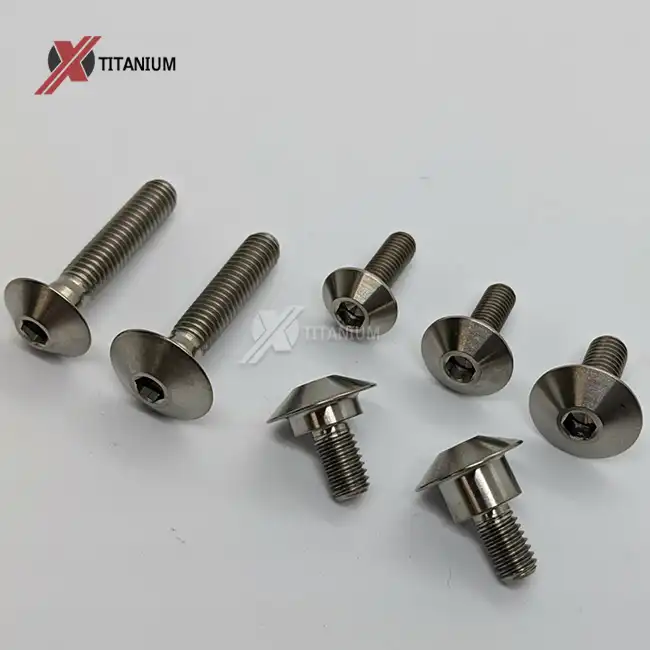
Technical expertise is what distinguishes top suppliers from average ones. Experienced manufacturers of titanium button head bolts understand how to prevent material work hardening or overheating during machining processes, ensuring precise dimensions, optimal strength, and reliable performance in critical applications. Suppliers should show that they know a lot about the features of titanium alloys, how to treat them with heat, and how to check the quality of their products.
Manufacturing machinery has a direct effect on the quality of the products and how quickly they can be made. Modern CNC cutting centers make sure that the measurements are exact and that the surface finish is always the same. Specialized tools for cutting titanium lower costs and raise the quality of the work. When suppliers spend money on new tools, they usually end up making better goods at lower costs. Process control tools show how sophisticated a provider is. Implementing statistical process control (SPC) shows a dedication to quality uniformity.
Monitoring in real time helps find problems before they affect the quality of the result. Suppliers who use advanced process control usually get better stability from batch to batch. With research and development skills, providers can help with new apps. Titanium gear is always changing as new alloys are made and new ways of making them are discovered. Suppliers who are doing research and development (R&D) can help with difficult projects by giving useful expert advice. When creating personalized solutions for specific needs, this knowledge is especially useful.
Quality Systems and Industry Certifications
Industry-specific certificates show that a provider can meet the needs of controlled markets. AS9100 certification shows that a company is compliant with the aircraft business, while ISO 13485 certification shows that a company is competent in making medical devices. For these certificates, strict quality systems must be put in place, a nd regular audits must be done. Suppliers who have more than one license usually have better quality control practices. Material tracking systems make sure that all the information is recorded, from the raw materials to the end product.
Titanium alloy bolts need full material certificates that show the bolts' chemical makeup, mechanical qualities, and heat treatment conditions. Advanced tracking systems help with legal compliance and quickly resolve problems. The ability to test shows that the provider is dedicated to quality assurance. In-house testing labs make it easy to quickly check the quality of materials and their dimensions. Suppliers who can try a lot of different things can give you thorough reports on the materials they supply and data that proves they work.
This feature lowers the risks of buying and ensures that specifications are met. Quality management systems do more than just meet the standards for approval. Quality keeps getting better thanks to plans for continuous growth. Supplier quality ratings give you an objective way to measure success. Suppliers that show they can consistently improve quality are often chosen to be long-term partners.
Supply Chain Reliability and Production Capacity
Strategies for sourcing raw materials have a significant impact on delivery reliability and cost stability. When suppliers maintain strategic inventories, they can promptly fulfill urgent orders for titanium button head bolts, ensuring consistent availability without compromising quality or lead times. Having direct relationships with titanium makers can save you money and give you priority when you need materials quickly. Understanding how suppliers choose their customers helps you decide if a partnership will work in the long run.
Production planning tools make it possible to keep correct supply promises and control capacity. When suppliers use advanced planning tools, they can give accurate lead time figures and keep track of multiple project deadlines well. Clear information about when things will be made builds trust and makes it easier to coordinate the job. Having backup output skills protects against problems. Suppliers with various factories or networks of partners can keep orders going even when things go wrong. Geographic diversity lowers the risks that come with things like natural disasters or problems with area supplies.
Checking the supplier's backup plans shows that you are ready for any problems that might come up. Costs and shipping times are both affected by how inventory is managed. If suppliers keep the right amount of safety stock on hand, they can meet sudden rises in demand. Just-in-time delivery cuts down on the costs that customers have to pay to keep goods on hand. Balanced stocking methods get the best of both low costs and on-time supply.
Technical Support and Customer Service Excellence
Support for application building adds a lot of value on top of providing products. Engineers with a lot of experience can suggest the best fastener designs for different uses. Help with choosing the right materials helps improve performance while keeping costs low. When suppliers offer full expert help, they stop being just sellers and become important development partners. Documentation and feedback tools help meet customer quality standards.
Customers can check the quality of the goods using detailed material certificates, measurement records, and test results. Electronic writing tools make it easier to find information and make management easier. Full paperwork shows that the provider is skilled and pays attention to detail. Customer service that is quick to respond builds strong business relationships. Dedicated account management makes sure that conversations and relationships stay strong. Response times for technical questions show how committed a seller is to helping customers.
Suppliers who put customer service first usually have better rates of client renewal and happiness. Training and education programs show that the provider cares about the success of their customers. Customers can get the most out of fasteners by attending technical workshops, using material selection guides, and reading application notes. Support for learning builds customer trust and encourages the right way to use the product. Customers tend to have better, longer-lasting ties with suppliers that put money into educating their customers.
Cost Evaluation and Value Assessment
When comparing costs, the total cost of ownership is more true than just unit prices. Costs related to quality, effects on shipping performance, and the value of expert help must all be taken into account. Titanium threaded screws that are of higher quality may be a better deal, even if they cost more at first. A full cost study helps people choose a seller with more knowledge. Clear pricing builds trust and makes it easier to stick to a budget. When suppliers break down costs in great depth, it shows that they are skilled and helps with bargaining.
Changes in material costs rules help keep budget risks in check during long-term projects. Communicating clearly about prices helps keep relationships upbeat and avoids misunderstandings. Value-added services can have a big effect on how much a whole job costs. Custom packing, kitting services, and inventory management systems all help customers save money on the costs of running their businesses. Advice on design improvement can boost efficiency while cutting down on material use.
Overall, suppliers who offer a wide range of value-added services usually have better value packages. Terms of payment and financial security affect the ability of a partnership to last for a long time. Having fair payment terms helps you keep your cash flow in check. Suppliers whose finances are stable can keep doing business and make investments. Checking the financial health of a seller guards against problems with the supply chain and broken relationships.
Making the Final Supplier Selection Decision
Supplier rating grids enable objective comparisons across multiple factors. By assigning weighting based on project priorities, manufacturers can ensure that the most critical criteria are emphasized when selecting suppliers for titanium button head bolts, resulting in more reliable quality, timely delivery, and optimal performance. It is important to look at technical skills, quality processes, service performance, and cost factors in a fair way. Structured review methods make decisions better by lowering emotional bias.
Pilot programs let you test how well a company does in the real world. Small initial buys let you test a supplier's skills without taking on a lot of risk. Monitoring performance during test stages gives useful information for making decisions about long-term partnerships. When test projects go well, they boost trust, which leads to more supply ties. Checking references verifies what a dealer says and how well they've done in the past. Customer reviews give you an idea of how things really work with other people.
Researching an industry's image can show problems or records of great success. Doing thorough due research lowers the risks of a relationship and improves the results of the selection process. During contract talks, clear goals and achievement standards are set. Clear writing is needed for delivery dates, quality standards, and price terms. Metrics and review methods for performance make sure that people are always held accountable. Contracts that are well-written protect both sides and help relationships work.
Conclusion
Selecting the right titanium fastener supplier requires careful evaluation of technical capabilities, quality systems, and service excellence. The ideal supplier combines manufacturing expertise with responsive customer support, delivering consistent quality while meeting demanding delivery requirements. Successful partnerships extend beyond transactional relationships, evolving into collaborative alliances that drive innovation and competitive advantage. By following this comprehensive evaluation framework, procurement teams can identify suppliers capable of supporting both immediate needs and long-term strategic objectives in the demanding titanium fastener marketplace.
Partner with Chuanglian for Premium Titanium Button Head Bolts
Chuanglian stands as your trusted titanium button head bolts manufacturer, combining over a decade of specialized experience with cutting-edge manufacturing capabilities. Located in Baoji City, known globally as the "City of Titanium," our facility leverages regional expertise and material access advantages. Our comprehensive quality control systems ensure every titanium cap screw and precision fastener meets the strictest industry standards.
Our state-of-the-art CNC machining equipment enables the precise production of titanium hardware for aerospace, marine, medical, and industrial applications. We maintain AS9100, ISO9001, and medical device certifications, demonstrating our commitment to quality excellence across diverse industries. From prototype development to volume production, our technical team provides expert consultation throughout your project lifecycle.
Ready to experience the Chuanglian advantage for your titanium fastener requirements? Our engineering team stands ready to discuss your specific application needs and provide customized solutions. Whether you need standard titanium socket head screws or custom-engineered solutions, we deliver exceptional quality with reliable delivery performance. Contact us at info@cltifastener.com or djy6580@aliyun.com to start your partnership journey with a leading titanium fastener specialist.