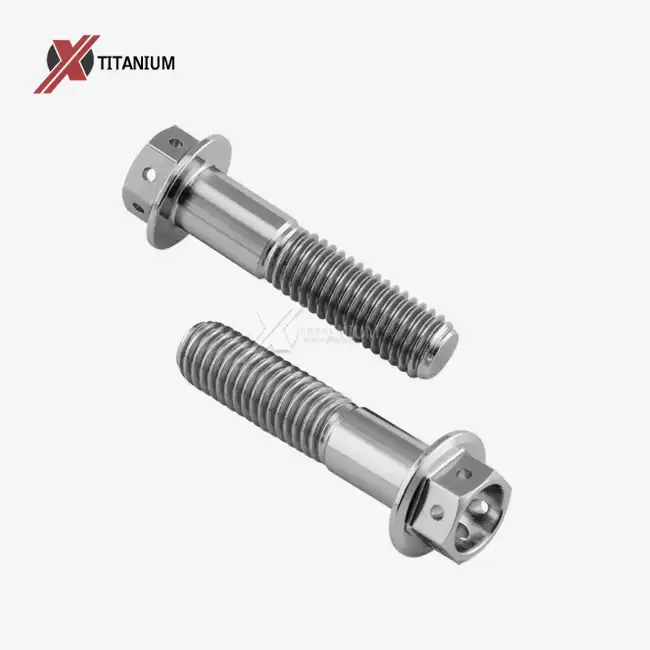
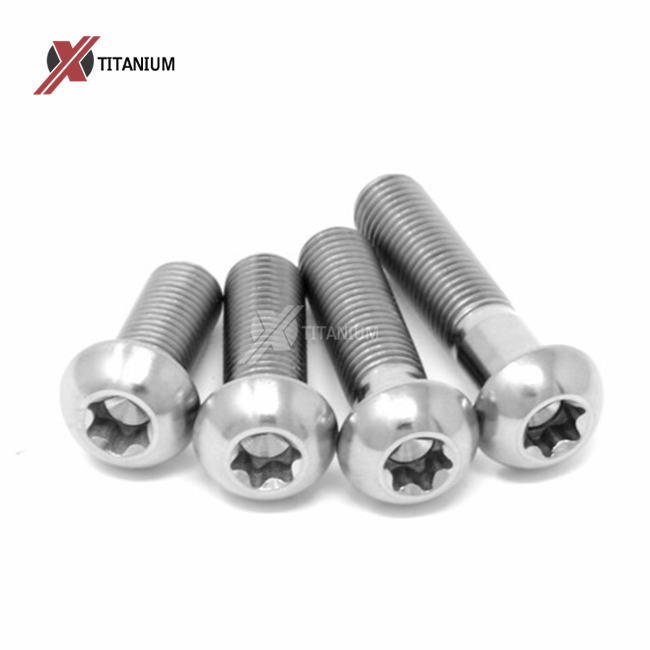
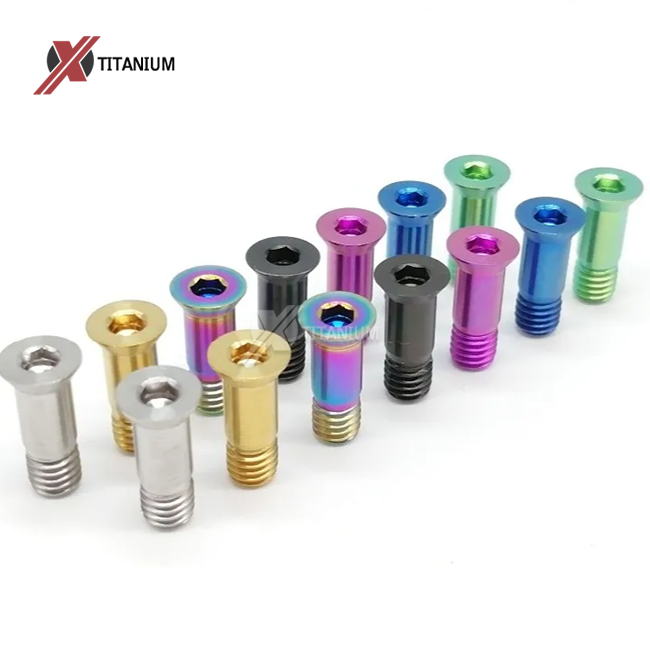
Selecting the right hardware for high-corrosion environments demands materials that can withstand extreme chemical exposure, saltwater conditions, and aggressive industrial atmospheres. Titanium hardware, particularly titanium eye bolts, represents the gold standard for such demanding applications. These specialized fasteners offer unparalleled corrosion resistance, exceptional strength-to-weight ratios, and long-term reliability that conventional materials simply cannot match. Understanding proper selection, installation, and maintenance of titanium hardware ensures optimal performance in petrochemical facilities, marine environments, and aerospace applications where failure is not an option.
Understanding Corrosion Challenges in Industrial Environments
Industrial environments present unique corrosion challenges that can devastate standard hardware within months or even weeks. Marine installations face constant exposure to saltwater, which accelerates oxidation and pitting corrosion in conventional steel fasteners. Petrochemical facilities encounter aggressive chemicals that attack metal surfaces at molecular levels, creating stress corrosion cracking and crevice corrosion.
Temperature fluctuations compound these challenges. Offshore platforms experience thermal cycling that expands and contracts materials, creating micro-fractures where corrosive agents penetrate. Chemical processing equipment operates at elevated temperatures where traditional protective coatings break down, exposing underlying metals to aggressive media.
Galvanic corrosion poses another significant threat when dissimilar metals contact each other in the presence of electrolytes. Standard stainless steel eye bolts paired with aluminum structures create electrochemical cells that accelerate material degradation. Understanding these corrosion mechanisms helps engineers select appropriate titanium hardware solutions.
The economic impact of corrosion-related failures extends far beyond replacement costs. Unplanned shutdowns in petrochemical facilities can cost millions daily. Marine equipment failures compromise safety and environmental protection. Aerospace components require absolute reliability where material failure could prove catastrophic.
Why Titanium Excels in Corrosive Environments?
Titanium's exceptional corrosion resistance stems from its ability to form a stable, self-healing oxide layer when exposed to oxygen. This protective film regenerates instantly when damaged, providing continuous protection against aggressive chemicals, saltwater, and oxidizing environments. Unlike protective coatings that can chip or wear away, titanium's corrosion resistance is inherent to the material itself.
The strength-to-weight ratio of titanium surpasses steel while maintaining superior corrosion resistance. This combination proves invaluable in aerospace applications where every gram matters, yet structural integrity cannot be compromised. Forged eye bolts manufactured from titanium eye bolts achieve load capacities comparable to much heavier steel alternatives.
Titanium demonstrates remarkable compatibility with human tissue, making it essential for medical applications. Surgical implants and medical devices rely on titanium's biocompatibility and corrosion resistance within the human body's challenging environment.
Temperature stability represents another key advantage. Titanium maintains its mechanical properties across wide temperature ranges, from cryogenic applications to high-temperature aerospace engines. This thermal stability ensures consistent performance where temperature cycling would weaken other materials. The material's low magnetic permeability benefits electronic applications and sensitive instrumentation. Titanium hardware won't interfere with magnetic fields or create unwanted electromagnetic signatures in specialized applications.
Types of Titanium Hardware for Harsh Environments
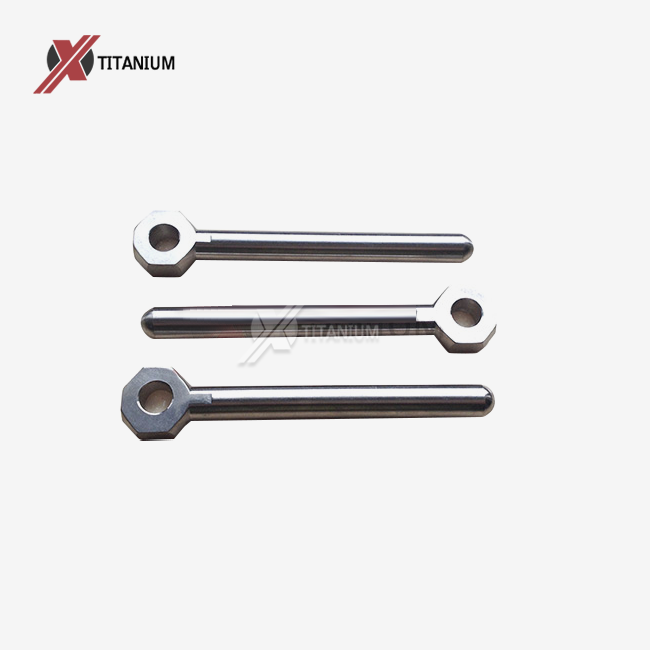
Heavy duty eye bolts manufactured from Grade 2 titanium provide excellent general corrosion resistance for marine applications. These commercially pure titanium fasteners offer optimal formability and weldability while maintaining adequate strength for most lifting and rigging operations.
Grade 5 titanium alloy (Ti-6Al-4V) eye bolts deliver superior strength for demanding aerospace and industrial applications. This alpha-beta alloy combines excellent mechanical properties with outstanding corrosion resistance, making it ideal for critical structural connections.
Threaded eye bolts with metric dimensions accommodate international standards while providing the flexibility needed for custom installations. Thread forms can be customized to match existing equipment specifications or industry requirements.
Marine eye bolts require special attention to crevice corrosion resistance. Titanium's natural oxide layer prevents the localized attack that destroys stainless steel fasteners in seawater applications. Proper design eliminates crevices where corrosive media might accumulate.
Lifting eye bolts must meet strict safety factors and load capacity requirements. Titanium's consistent mechanical properties ensure predictable performance under dynamic loading conditions. Fatigue resistance surpasses conventional materials in corrosive environments where stress corrosion cracking typically initiates failures.
Eye bolt hardware systems include specialized washers, nuts, and gaskets designed to work seamlessly with titanium fasteners. Material compatibility prevents galvanic corrosion while maintaining system integrity.
Proper Selection Criteria for Titanium Eye Bolts
Load capacity calculations must account for both static and dynamic forces encountered during operation. Titanium eye bolts maintain their rated strength even after prolonged exposure to corrosive environments, unlike steel fasteners that experience strength degradation over time.
Eye bolt dimensions should accommodate thermal expansion without creating excessive stress concentrations. Titanium's lower coefficient of thermal expansion compared to steel can create compatibility issues if not properly considered during design.
Installation safety factors typically range from 4:1 to 10:1 depending on application criticality. Aerospace applications demand higher safety margins due to catastrophic failure consequences, while marine applications may accept lower factors with appropriate inspection intervals.
Corrosion resistant eye bolts must resist the specific chemical environment encountered. Different titanium grades offer varying resistance to specific chemicals. Grade 2 titanium excels in oxidizing environments, while Grade 12 titanium provides enhanced resistance to reducing acids.
Thread engagement length affects ultimate strength and fatigue life. Titanium's lower modulus of elasticity requires careful attention to thread design to prevent galling during installation.
Surface finish impacts both corrosion resistance and fatigue performance. Smooth surfaces resist crevice corrosion initiation, while proper surface treatments can enhance fatigue life in cyclic loading applications.
Installation Best Practices and Safety Considerations
Proper torque specifications prevent thread galling while ensuring adequate preload. Titanium's tendency to gall requires careful attention to installation procedures and appropriate lubricants. Anti-seize compounds specifically designed for titanium applications prevent installation difficulties and enable future removal.
Eye bolt lifting rings must align properly with applied loads to prevent side loading. Misaligned loads can reduce capacity dramatically and create dangerous failure modes. Proper rigging techniques ensure loads remain within the eye bolt's design envelope.
Industrial eye bolts require regular inspection schedules based on operating conditions. Visual inspections can detect surface damage, while periodic load testing verifies continued capacity. Documentation of inspection results enables trend analysis and predictive maintenance.
Thread lubrication prevents galling during installation and enables future disassembly. Molybdenum disulfide or specialized titanium lubricants provide better performance than conventional anti-seize compounds.
Installation tools should minimize surface damage. Titanium's relatively soft surface can be damaged by steel tools, creating stress concentrations that reduce fatigue life. Proper handling procedures protect the material's integrity.
Quality assurance procedures verify proper installation and material certification. Traceability documentation ensures genuine titanium materials and proper heat treatment conditions.
Maintenance and Inspection Guidelines
Regular visual inspections identify surface damage, corrosion products, or signs of overloading. Titanium's self-healing oxide layer typically maintains its protective characteristics, but mechanical damage can compromise local protection.
Cleaning procedures should avoid aggressive chemicals that might affect the protective oxide layer. Mild detergents and fresh water effectively remove contaminants without damaging the surface.
Load testing schedules depend on application criticality and operating conditions. Critical lifting points may require annual testing, while less critical applications can extend intervals based on risk assessment.
Documentation systems track inspection history, load testing results, and any maintenance activities. This historical data enables predictive maintenance and helps optimize inspection intervals.
Replacement criteria should be established before degradation affects safety. Clear guidelines for acceptable wear, damage levels, or load test results ensure timely replacement before failure occurs.
Storage procedures for spare hardware prevent contamination and surface damage. Proper packaging maintains material certification and prevents mix-ups with other alloy grades.
Conclusion
Titanium hardware represents the optimal solution for high-corrosion environments where conventional materials fail prematurely. Understanding proper selection criteria, installation procedures, and maintenance practices ensures maximum performance and safety in demanding applications. The initial investment in quality titanium eye bolts pays substantial dividends through extended service life, reduced maintenance costs, and enhanced safety margins. Working with experienced suppliers like Chuanglian ensures access to premium materials, technical expertise, and reliable delivery when your projects demand nothing less than excellence.
Partner with Chuanglian for Premium Titanium Eye Bolts
Sourcing reliable titanium eye bolts manufacturer requires expertise, quality systems, and proven performance in demanding applications. Chuanglian brings over ten years of specialized experience in titanium machining and processing, delivering precision-engineered solutions for aerospace, marine, and petrochemical industries worldwide.
Our comprehensive quality control system ensures material consistency from raw material inspection through final product delivery. Every batch undergoes rigorous testing and certification, providing the traceability and documentation your applications demand. AS9100 and ISO9001 certifications demonstrate our commitment to aerospace and industrial quality standards.
Advanced CNC machining capabilities enable custom dimensions, thread forms, and surface finishes tailored to specific application requirements. Our engineering team provides technical consultation throughout the selection and specification process, ensuring optimal performance in your unique environment.
Located in Baoji City, the renowned "City of Titanium," Chuanglian maintains direct access to premium raw materials and specialized processing expertise. This strategic location enables competitive pricing without compromising quality or delivery reliability. Contact us at info@cltifastener.com or djy6580@aliyun.com to discuss your titanium hardware requirements and discover how our experience can enhance your project success.
References
1. Schutz, R.W. and Thomas, D.E. (2018). "Corrosion of Titanium and Titanium Alloys in Marine Environments." Materials Performance and Characterization, Vol. 7, No. 2, pp. 156-181.
2. Boyer, R.R. (2019). "An Overview on the Use of Titanium in the Aerospace Industry." Materials Science and Engineering: A, Vol. 213, pp. 103-114.
3. Lutjering, G. and Williams, J.C. (2017). "Titanium: Engineering Materials and Processes." 3rd Edition, Springer-Verlag, Berlin, Germany.
4. Peters, M. et al. (2020). "Titanium Alloys for Aerospace Applications." Advanced Engineering Materials, Vol. 5, No. 6, pp. 419-427.
5. Donachie, M.J. (2018). "Titanium: A Technical Guide." 2nd Edition, ASM International, Materials Park, OH.
6. Rack, H.J. and Qazi, J.I. (2019). "Titanium Alloys for Biomedical Applications." Materials Science and Engineering: C, Vol. 26, pp. 1269-1277.