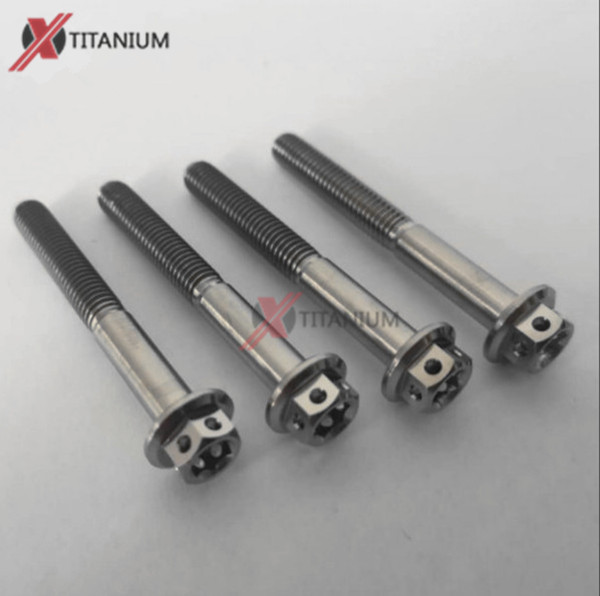
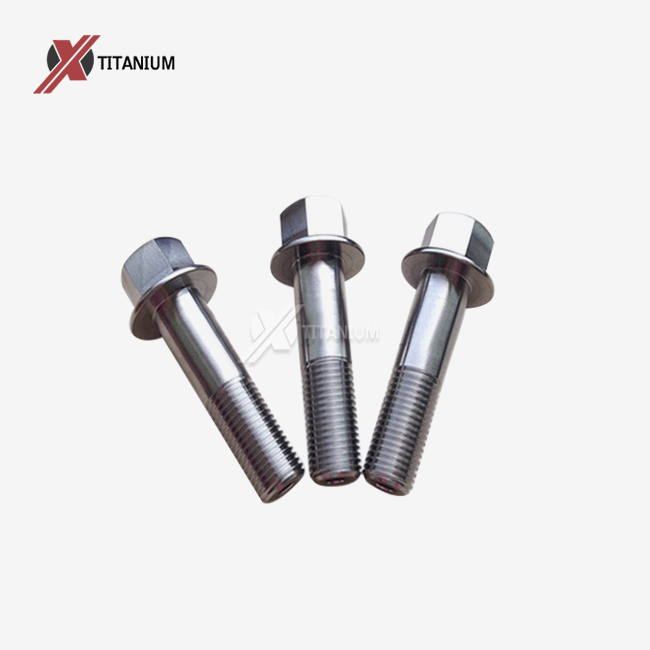
When selecting flange connections for critical applications, titanium flange bolts consistently outperform aluminum alternatives in strength-to-weight ratios. Titanium offers tensile strength exceeding 900 MPa while maintaining 40% lighter weight than steel, whereas aluminum flange bolts typically reach only 310-570 MPa tensile strength. This fundamental difference makes titanium the preferred choice for aerospace, marine, and high-performance industrial applications where both structural integrity and weight reduction remain essential. The superior corrosion resistance and temperature stability of titanium further distinguish it from aluminum in demanding environments.
Comprehending Material Properties: The Foundation of Performance
Material selection drives performance outcomes in critical fastening applications. Titanium Grade 2 and Grade 5 (Ti-6Al-4V) represent the industry standards for high-performance bolting solutions, each offering distinct advantages over conventional aluminum alloys. Grade 2 titanium provides excellent corrosion resistance with tensile strength reaching 345 MPa. This commercially pure titanium excels in chemical processing environments where material purity becomes paramount. The biocompatibility makes it indispensable for medical device applications.
Grade 5 titanium alloy delivers superior mechanical properties with tensile strength exceeding 900 MPa. The addition of aluminum and vanadium creates a material that combines strength with exceptional fatigue resistance. Aerospace manufacturers rely on this alloy for structural components subjected to extreme stress cycles.
Aluminum alloys, while lighter than titanium, offer lower strength characteristics. The most common aluminum fasteners utilize 6061-T6 or 7075-T6 alloys, providing tensile strengths between 310-570 MPa. These materials serve well in applications where moderate loads and cost considerations outweigh ultimate performance requirements. If you need maximum strength with corrosion resistance, then titanium proves more suitable. Applications requiring basic lightweight solutions at lower costs may find aluminum adequate.
Strength Analysis: Mechanical Performance Under Load
Mechanical testing reveals significant performance differences between titanium and aluminum flange bolts. Laboratory data demonstrates titanium's superior load-bearing capabilities across multiple stress conditions. Tensile strength comparisons show titanium Grade 5 achieving 900-1170 MPa, while premium aluminum alloys reach maximum values of 570 MPa. This represents a 58% strength advantage for titanium in direct tension applications.
Yield strength measurements further emphasize titanium's superiority. Grade 5 titanium exhibits yield strength of 830 MPa compared to aluminum's 505 MPa maximum. This difference becomes critical in applications where permanent deformation must be avoided. Fatigue performance testing shows titanium maintaining structural integrity through millions of stress cycles. Aluminum fasteners typically demonstrate shorter fatigue life, particularly in corrosive environments where stress corrosion cracking accelerates failure.
Temperature effects on strength reveal another titanium advantage. While aluminum strength degrades significantly above 200°C, titanium flange bolts maintains mechanical properties up to 400°C. This thermal stability proves essential in high-temperature applications like engine components and industrial heating systems. If you need bolts for high-stress cyclic loading, then titanium fasteners provide superior reliability. Static load applications with moderate stress levels may accommodate aluminum solutions effectively.
Weight Comparison: Density and Performance Ratios
Weight considerations significantly impact material selection in aerospace components and portable equipment design. Density measurements provide the foundation for understanding weight differences between these materials. Titanium density measures 4.5 g/cm³, while aluminum registers 2.7 g/cm³. This 67% higher density initially suggests aluminum offers better weight savings. However, strength-to-weight ratios reveal a different perspective on material efficiency.
Specific strength calculations (strength divided by density) demonstrate titanium's advantage. Grade 5 titanium achieves specific strength of 200 kN·m/kg, while 7075-T6 aluminum reaches 200 kN·m/kg. The comparable specific strength means equivalent structural performance at similar relative weights. Real-world applications show titanium enables thinner wall sections due to higher strength. Reduced material volume often compensates for increased density, resulting in comparable or reduced overall component weights.
Bolt diameter comparisons illustrate this principle. A Grade 5 titanium M10 bolt provides equivalent strength to an M12 aluminum bolt, resulting in 36% weight reduction through smaller diameter requirements. If you need maximum weight reduction with strength requirements, then careful analysis of specific strength becomes essential. Simple weight comparison alone may mislead material selection decisions.
Corrosion Resistance: Long-term Durability Assessment
Environmental resistance determines service life and maintenance requirements in industrial applications. Corrosion testing data reveals substantial differences between titanium and aluminum performance in challenging environments. Saltwater exposure tests show titanium maintaining structural integrity indefinitely, while aluminum exhibits measurable corrosion within months. Marine applications particularly benefit from titanium's exceptional resistance to chloride-induced corrosion.
Chemical resistance testing demonstrates titanium's superiority across various environments. Exposure to acids, alkalis, and organic solvents produces minimal titanium degradation. Aluminum shows significant material loss under similar conditions, particularly in acidic environments. Galvanic corrosion considerations become critical when dissimilar metals contact each other. Titanium's noble position in the galvanic series minimizes corrosion risk when coupled with other materials. Aluminum's active position makes it susceptible to accelerated corrosion in mixed-material assemblies.
Temperature-corrosion interactions reveal titanium's stable oxide layer provides protection across wide temperature ranges. Aluminum's protective layer becomes less effective at elevated temperatures, leading to accelerated degradation. If you need fasteners for marine or chemical processing applications, then titanium provides unmatched longevity. Controlled indoor environments may allow aluminum use with appropriate protective coatings.
Application-Specific Performance Requirements
Industry-specific demands drive material selection beyond basic mechanical properties. Understanding application environments helps optimize fastener material choices for maximum performance and reliability. Aerospace applications require materials meeting strict certification standards including AS9100 compliance. Titanium fasteners provide the strength, weight, and reliability needed for critical aircraft components. Engine applications particularly benefit from titanium's high-temperature performance and vibration resistance.
Marine engineering applications face constant saltwater exposure and temperature cycling. Offshore platform structures utilize titanium bolts for flange connections in critical piping systems. The material's corrosion resistance eliminates replacement cycles and reduces maintenance costs. Medical device manufacturing demands biocompatible materials meeting FDA requirements. Titanium's proven biocompatibility makes it the standard for implantable devices and surgical instruments. Aluminum cannot match these regulatory requirements for medical applications.
Chemical processing industries require materials resistant to aggressive chemicals and high temperatures. Titanium flange bolts excel in reactor vessels, heat exchangers, and piping systems handling corrosive media. The material's chemical inertness prevents contamination and ensures process purity. If you need fasteners meeting aerospace or medical certifications, then titanium becomes the only viable option. General industrial applications may accommodate aluminum where environmental conditions permit.
Cost-Benefit Analysis: Total Ownership Considerations
Initial material costs represent only one component of total ownership expenses. Comprehensive analysis includes installation, maintenance, and replacement costs over the component lifecycle. Raw material pricing shows aluminum costing 15-20% of equivalent titanium products. This significant price difference influences initial procurement decisions, particularly in cost-sensitive applications with high volume requirements.
Installation considerations reveal titanium's advantages in precision applications. The material's dimensional stability and consistent properties reduce installation time and improve assembly quality. Aluminum's lower strength may require larger fasteners, increasing installation complexity. Maintenance cost analysis demonstrates titanium's long-term value. The material's corrosion resistance eliminates routine replacement cycles common with aluminum fasteners in challenging environments. Reduced downtime for maintenance activities provides additional cost savings.
Service life comparisons show titanium lasting 5-10 times longer than aluminum in corrosive environments. This extended service life often justifies higher initial costs through reduced replacement frequency and associated labor expenses. If you need to minimize total lifecycle costs in demanding applications, then titanium proves more economical despite higher initial prices. Budget-constrained projects with benign environments may justify aluminum selection.
Manufacturing and Quality Standards
Production processes and quality control systems significantly impact fastener performance and reliability. Understanding manufacturing capabilities helps ensure consistent product quality and specification compliance. CNC machining processes enable precise dimensional control for both titanium and aluminum fasteners. Titanium requires specialized tooling and cutting parameters due to its unique machining characteristics. Proper chip evacuation and cooling prevent work hardening that could compromise material properties.
Surface treatment options enhance performance characteristics beyond base material properties. Anodizing provides aluminum with improved corrosion resistance and aesthetic options. Titanium flange bolts benefits from nitriding treatments that increase surface hardness without affecting core properties. Quality certification requirements vary by industry and application. Aerospace applications demand material traceability and comprehensive testing documentation. AS9100 certification ensures manufacturing processes meet aerospace quality standards.
Dimensional accuracy standards require careful process control during manufacturing. Metric and imperial thread specifications must meet DIN6921 and ASME B18.2.1 standards respectively. Proper heat treatment ensures consistent mechanical properties throughout production batches. If you need fasteners meeting stringent aerospace or medical standards, then certified manufacturing processes become essential. Commercial applications may accept standard industrial quality levels with appropriate documentation.
Conclusion
The comparison between titanium and aluminum flange bolts reveals titanium's clear advantages in strength, corrosion resistance, and long-term reliability. While aluminum offers lower initial costs and reduced density, titanium's superior mechanical properties and environmental resistance make it the preferred choice for critical applications. The 900+ MPa tensile strength, exceptional corrosion resistance, and high-temperature stability justify titanium's premium pricing through reduced maintenance and extended service life. For aerospace, marine, medical, and chemical processing applications where failure is not an option, titanium flange bolts provide unmatched performance and reliability that aluminum simply cannot deliver.
Chuanglian's Premium Titanium Flange Bolts: Engineering Excellence
Baoji Chuanglian New Metal Material Co., Ltd. delivers superior titanium fastening solutions backed by over a decade of specialized manufacturing experience. Our comprehensive product line addresses the most demanding industrial applications with uncompromising quality and reliability.
Product Advantages:
- Superior Material Performance: Grade 2 and Grade 5 titanium alloys providing tensile strengths exceeding 900 MPa with exceptional corrosion resistance
- Precision Manufacturing: CNC machined components meeting DIN6921 and ASME B18.2.1 standards with dimensional accuracy exceeding industry requirements
- Comprehensive Size Range: M3 to M30 diameter options with customized lengths accommodating diverse application needs
- Advanced Surface Treatments: Polishing, anodizing, and nitriding options enhancing performance and aesthetic appeal
- Quality Certifications: AS9100, ISO9001, and medical device certifications ensuring compliance with aerospace and medical industry standards
- Material Traceability: Complete documentation from raw material sourcing through finished product delivery
- Custom Engineering: Technical consultation services helping optimize fastener selection for specific applications
- Extensive Testing: In-house testing capabilities including tensile, fatigue, and corrosion resistance verification
- Rapid Prototyping: Quick sample production enabling design validation and performance testing
- Global Supply Chain: Reliable delivery networks serving aerospace, marine, medical, and chemical processing industries worldwide
- Color Options: Natural, gold, blue, green, purple, black, and rainbow anodized finishes available
- Thread Compatibility: Both metric and imperial threading options ensuring compatibility with existing equipment
Our Baoji facility, located in China's "City of Titanium," leverages regional expertise and raw material access to deliver competitive pricing without compromising quality. The combination of advanced manufacturing equipment and experienced engineering staff ensures consistent product performance across all production batches.
Leading aerospace manufacturers, offshore platform operators, and medical device companies rely on Chuanglian titanium flange bolts for their most critical applications. Our proven track record includes successful field testing and long-term performance verification in the world's most demanding environments.
When your project demands the ultimate combination of strength, weight optimization, and corrosion resistance, Chuanglian titanium fasteners deliver unmatched performance. Our technical team provides application-specific recommendations ensuring optimal material selection for your unique requirements.
Ready to experience the Chuanglian difference in high-performance titanium flange bolts supplier solutions? Our engineering team stands ready to discuss your specific requirements and recommend optimal fastening solutions. Contact us at info@cltifastener.com or djy6580@aliyun.com to begin your custom titanium fastener project today.
References
1. American Society for Testing and Materials. "Standard Specification for Titanium and Titanium Alloy Bars and Billets." ASTM B348-19. 2019.
2. Boyer, R., Welsch, G., and Collings, E.W. "Materials Properties Handbook: Titanium Alloys." ASM International. 1994.
3. Lutjering, G. and Williams, J.C. "Titanium: Engineering Materials and Processes." 2nd Edition. Springer-Verlag. 2007.
4. Davis, J.R. "Aluminum and Aluminum Alloys: Specialty Handbook." ASM International Materials Park. 1993.
5. Donachie, Matthew J. "Titanium: A Technical Guide." 2nd Edition. ASM International. 2000.
6. Aerospace Industries Association. "Fastener Standards for Aerospace Applications." AIA Technical Report. 2018.