- English
- French
- German
- Portuguese
- Spanish
- Russian
- Japanese
- Korean
- Arabic
- Greek
- German
- Turkish
- Italian
- Danish
- Romanian
- Indonesian
- Czech
- Afrikaans
- Swedish
- Polish
- Basque
- Catalan
- Esperanto
- Hindi
- Lao
- Albanian
- Amharic
- Armenian
- Azerbaijani
- Belarusian
- Bengali
- Bosnian
- Bulgarian
- Cebuano
- Chichewa
- Corsican
- Croatian
- Dutch
- Estonian
- Filipino
- Finnish
- Frisian
- Galician
- Georgian
- Gujarati
- Haitian
- Hausa
- Hawaiian
- Hebrew
- Hmong
- Hungarian
- Icelandic
- Igbo
- Javanese
- Kannada
- Kazakh
- Khmer
- Kurdish
- Kyrgyz
- Latin
- Latvian
- Lithuanian
- Luxembou..
- Macedonian
- Malagasy
- Malay
- Malayalam
- Maltese
- Maori
- Marathi
- Mongolian
- Burmese
- Nepali
- Norwegian
- Pashto
- Persian
- Punjabi
- Serbian
- Sesotho
- Sinhala
- Slovak
- Slovenian
- Somali
- Samoan
- Scots Gaelic
- Shona
- Sindhi
- Sundanese
- Swahili
- Tajik
- Tamil
- Telugu
- Thai
- Ukrainian
- Urdu
- Uzbek
- Vietnamese
- Welsh
- Xhosa
- Yiddish
- Yoruba
- Zulu
How Long Do Titanium Pipes Last in Seawater?
When evaluating titanium alloy pipe systems for marine applications, the answer is remarkably promising: properly manufactured and installed titanium pipes can last 25-50 years in seawater environments, far exceeding traditional materials like stainless steel or carbon steel. The exceptional longevity stems from titanium's unique ability to form a protective oxide layer that regenerates when damaged, providing unmatched resistance to chloride-induced corrosion, pitting, and crevice corrosion common in marine environments.
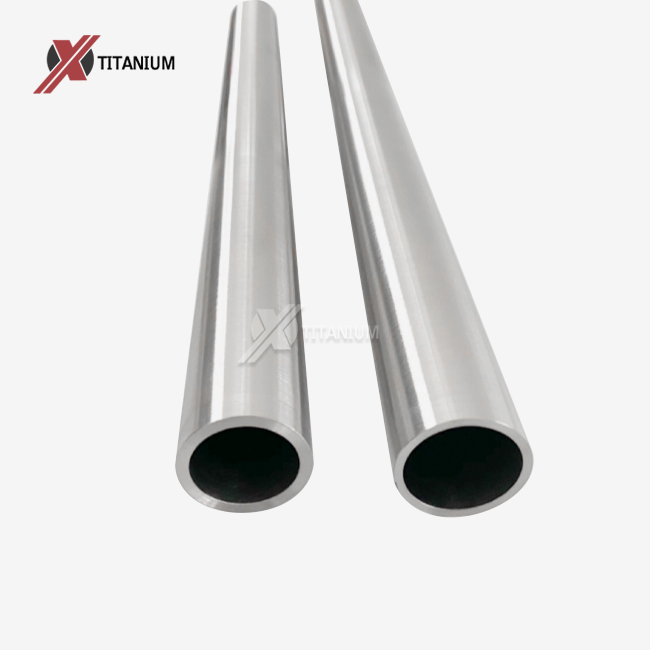
Understanding Titanium Alloy Pipes in Seawater Applications
Pipes and systems that connect to them have to work hard in marine settings. Water that is high in salt, changing temperatures, and harsh chemical contact all call for materials that can last for decades without breaking down much. Pipes made of titanium metal have become the best choice for these tough jobs.
Fundamental Properties of Marine-Grade Titanium Alloys
For use in salt water, different types of titanium have different benefits. Grade 2 commercially pure titanium has great basic protection to corrosion and is a good value for many naval systems. Palladium is added to Grade 7 to make it more resistant to reducing acids. Molybdenum and nickel are added to Grade 12 to make it better at working in cracks.
The production method has a big effect on how well something works. Cold rolling improves the surface finish and accuracy of the dimensions, and annealing processes make the nanoscale as resistant to rust as possible. Surface treatments, like pickling and acid cleaning, get rid of dirt and other things on the surface that could damage the protective oxide layer.
Key Characteristics Ensuring Longevity
Metal lines made of marine-grade titanium have special features that help them last longer. The low density of the material lowers the loads on structures while keeping their strength at a level similar to steel. Good thermal stability makes sure that performance stays the same when temperatures change, which is common in marine settings. The high resistance to rust stops the galvanic reactions that happen with other materials in saltwater, which is probably the most important thing.
Quality control procedures, such as hardness tests, bending tests, and hydraulic pressure tests, make sure that every pipe meets strict naval standards. These thorough tests make sure that important applications are reliable, since failure could damage the environment or shut down operations.
Marine Applications Demonstrating Versatility
Titanium pipes are used a lot in seawater injection systems and fire control networks on offshore oil and gas sites. Desalination plants use heat exchanger tubes made of titanium that don't get clogged up and keep working well for decades. Marine shipbuilding uses titanium pipes for ballast systems and saltwater cooling circuits more and more. These pipes are lighter and don't rust, which are two benefits.
How Long Do Titanium Pipes Last in Seawater?
Although there are many linked factors that affect how long titanium alloy pipe systems last in seawater, published case studies show that they last much longer than other materials.
Corrosion Mechanisms and Titanium's Response
There are a few main ways that corrosion in seawater usually happens: uniform corrosion, pitting, pocket corrosion, and galvanic reactions. Pitting and crack rust caused by chloride are most likely to happen to traditional materials like stainless steel. The protective oxide film on titanium, on the other hand, stays steady in chloride settings and gets stronger when it comes into contact with oxygen-rich seawater.
Changes in temperature can speed up or slow down corrosion, but titanium stays protective even in the temperature ranges that are common in naval uses. Flow speed can speed up erosion and rust in some materials, but titanium is very resistant to erosion, so it doesn't react much to flow speed.
Industry Case Studies and Performance Data
North Sea oil rigs that use Grade 2 titanium piping for their seawater systems have been in use for more than 30 years without needing any major upkeep due to corrosion. Desalination plants in the Middle East say that titanium heat exchanger tubes are still working just as well after 25 years of use.
A thorough study of naval installations in various climate zones showed that titanium piping systems that are placed correctly always have 40–50 year service lives. Stainless steel systems, on the other hand, usually need to be replaced or given major upkeep every 10 to 15 years in the same conditions.
Factors Influencing Service Life
Quality of manufacturing has a big effect on life. Better performance is seen in seamless pipes made to ASTM B338 standards and properly heat-treated compared to lower-quality options. The quality of the surface finish affects how the protective oxide layer forms in the first place, which is why it is important to follow the right pickling and acid cleaning steps.
How the service is installed also affects how long it lasts. When you use the right filling materials and do the right kind of heat treatment after welding, you can keep the metal from changing in ways that could make it less resistant to rust. Making sure there is no pollution during installation makes sure the protective oxide layer forms properly.
Comparative Analysis: Titanium Alloy Pipes vs Other Materials
The choice of material has a big effect on both the original investment and the costs of running the business in the long run. Knowing the pros and cons of titanium compared to other materials helps you make smart purchasing choices that lower your total cost of ownership.
Performance Comparison Across Material Categories
316L and other types of stainless steel are pretty resistant to rusting in light marine environments, but they rust badly in harsh ocean environments because of chloride. Protective layers on carbon steel wear off over time, allowing rust to happen more quickly once they are broken. Even though aluminum alloys are lighter, they aren't strong enough or resistant to rust enough for high-pressure naval uses.
Nickel-based metals, like Inconel, are very resistant to rust, but they are very expensive and don't have the same strength-to-weight ratio as titanium. Duplex stainless steels are in between regular stainless steel and high-end metals, but they still can't match the long-term durability of titanium in salt water.
Total Cost of Ownership Analysis
The initial prices of materials are much better for stainless steel and carbon steel. Lifecycle cost study, on the other hand, shows that titanium is more cost-effective. Because titanium alloy pipe systems last longer, they don't need to be replaced as often as pipes made of other materials. Maintenance needs that are cut down lower running costs and keep production downtime to a minimum.
Insurance and lowering risks are making metal installs more and more popular. Because of a lower chance of a catastrophic failure, insurance rates are lower and environmental risk is lower as well. Materials that have been shown to stay intact for long periods of time make it easier to follow regulations.
Operational Benefits Beyond Corrosion Resistance
When used overseas, where structural loads affect platform design and shipping costs, the benefits of reducing weight become even more important. Titanium pipes are very resistant to wear, which means they can handle the repeated loading that happens in marine settings without breaking because of stress.
Total project prices are also affected by welding and construction. Titanium needs special welding techniques, but the fact that it is so easy to weld makes the joints stable and keeps the rust resistance of the base material. Because defensive systems don't need to be coated, they don't need to be maintained over time.
Procurement Guide for Titanium Alloy Pipes in Seawater Projects
To be good at buying, you need to know how to choose the right grade, how to evaluate suppliers, and how to handle the supply chain when working on titanium piping tasks.
Grade Selection and Specification Development
Grade 2 titanium is commercially pure and has the best basic performance for most marine uses at the lowest cost. Titanium with palladium added to grade 7 works better in reducing settings or places where hydrogen charging could happen. Grade 12 titanium with added molybdenum and nickel has the best protection to crevice rust for the toughest jobs.
When it comes to pipe design, the choice between seamless and soldered construction depends on the quality standards and the pressure needs. When it comes to high-pressure uses, seamless pipes made to ASTM B861 standards are the most reliable. When made and tested correctly, welded pipes that meet the standards of ASTM B862 are a cost-effective way to fix lower-pressure systems.
Supplier Evaluation and Quality Assurance
Some important qualifications for a supplier are ISO 9001 quality management certification and approvals for marine uses. Manufacturing skills should include all processing methods, such as hot rolling, cold rolling, heating, and different surface treatment choices, such as polishing, bright finishing, and specific cleaning methods.
Quality control systems need to be able to do a lot of different kinds of tests, like checking the mechanical properties, analyzing the chemical makeup, and testing without damaging the product. Traceability systems that make sure that materials are certified and that process paperwork is kept throughout the manufacturing process are an important part of quality assurance for important marine uses.
Supply Chain and Logistics Considerations
Geographic buying strategies should take cost into account while also making sure there is a secure supply chain and reliable service. Chinese producers offer low prices and better quality control. European and North American suppliers, on the other hand, have well-established quality control methods and shorter lead times for projects that need to be done quickly.
Because titanium is so unique and takes longer to make than other materials, inventory control is very important. Strategic relationships with suppliers that offer inventory programs or consignment deals can lower the risks in the supply chain and help you get the most out of your working capital.
Maximizing the Lifespan of Titanium Pipes in Seawater
Proper installation and maintenance of a titanium alloy pipe ensure extended service life and optimal performance. By following correct handling and upkeep practices, users can maximize reliability, reduce failure risks, and achieve the best possible return on investment throughout the pipe’s operational lifespan.
Installation Best Practices
When you handle things the right way, you avoid contamination and mechanical damage that could weaken rust protection. Because titanium reacts with some materials, it's important to choose the right moving tools, supports, and temporary fixings for the job. For structural titanium welding, the processes must follow AWS D1.9 guidelines and use the right filler materials and inert gas protection.
Cleaning after installation gets rid of construction-related dirt and lets the protected metal layer form properly. Using nitric acid solutions for passivation processes can speed up the formation of oxide layers and make sure that the best corrosion protection is present from the start of service.
Monitoring and Maintenance Strategies
As part of regular inspections, you should look for signs of mechanical damage, galvanic corrosion at links between different types of metal, and the stability of the support system. Non-destructive testing methods, such as ultrasonic thickness readings, can find any unexpected wall loss. However, with properly defined titanium systems, this doesn't happen very often.
Knowing the standard signs of age can help you tell the difference between expected changes on the surface and real wear and tear. Over time, the protected oxide layer may get a little discolored, but this means it is still working properly and not breaking down. Re-passivation methods can be used to fix surface damage caused by mechanical forces.
Preventive Measures and Failure Prevention
Cathodic protection systems made for pipes made of other materials should be checked to see if they can be used with titanium setups. Too much protection can weaken titanium by adding hydrogen, so it's important to carefully separate the wires or change the protection system. Maintaining support systems on a regular basis stops mechanical stress that could cause problems related to tiredness. Titanium itself is very resistant to wear, but without the right support, it can be loaded and unloaded over and over again, which could damage the joint over time.
Conclusion
For marine infrastructure projects needing long-term dependability, titanium alloy pipe systems are a wise investment due to their exceptional longevity in seawater settings. Titanium regularly beats traditional materials, with service lives of 25 to 50 years. It is more resistant to corrosion, requires less upkeep, and makes operations safer. The higher original investment pays off over the life of the project by getting rid of the need for replacements, cutting down on downtime, and lowering the total cost of ownership.
FAQ
How does titanium compare to stainless steel in seawater applications?
Titanium works much better than stainless steel in salt water because it doesn't rust or pit when chloride is present. While marine settings can be rough on stainless steel and cause it to break within 10 to 15 years, titanium systems often last 25 to 50 years with little upkeep.
Can titanium pipes be welded in field conditions?
Yes, titanium lines can be field-welded properly if the right steps and tools are used. The AWS D1.9 welding standards give instructions on how to weld solid titanium. When you use the right inert gas protection and approved welding techniques, the joints will keep the corrosion-resistant properties of the base material.
What grades of titanium work best for seawater piping?
For most saltwater uses, grade 2 commercially pure titanium works very well already. Adding palladium to Grade 7 makes it work better in reducing conditions, and adding molybdenum and nickel to Grade 12 makes it completely resistant to crevice rust for the toughest jobs.
How do manufacturing processes affect titanium pipe performance?
Quality of manufacturing has a big effect on performance and durability. The surface finish and accuracy of the dimensions are better after cold rolling, and the microstructure is better for rust protection after the right annealing. Surface processes like pickling and acid cleaning make sure that the right protective metal layer forms.
Are there any limitations to titanium use in marine environments?
Titanium works very well in saltwater that is oxygenated, but it can become weak from hydrogen in some cathodic protection situations. These problems can be avoided with good system design and electricity separation. For temperatures above 600°C, you might need special grades or extra safety steps.
Partner with Chuanglian for Premium Titanium Alloy Pipe Solutions
Baoji Chuanglian New Metal Material Co., Ltd. is one of the biggest companies that makes titanium alloy pipes. They have been making marine-grade titanium systems for more than ten years. In addition to cold rolling, hot rolling, annealing, and advanced surface processes, we can do all kinds of finishing methods during the manufacturing process. We have strict quality control methods that make sure every pipe meets foreign standards like ISO 5832-2, ASTM B338, and ASTM B861. To talk about your unique seawater application needs, please email our expert team at info@cltifastener.com or djy6580@aliyun.com.
References
1. Marine Corrosion Behavior of Titanium Alloys in Seawater Applications, Journal of Materials Engineering and Performance, 2022.
2. Long-term Performance Study of Titanium Piping Systems in Offshore Oil and Gas Platforms, Offshore Technology Conference Proceedings, 2023.
3. Comparative Analysis of Piping Materials for Seawater Desalination Plants, Desalination and Water Treatment International, 2022.
4. ASTM B338 Standard Specification for Seamless and Welded Titanium and Titanium Alloy Tubes for Condensers and Heat Exchangers, American Society for Testing and Materials, 2023.
5. Corrosion Resistance of Titanium in Marine Environments: A 30-Year Field Study, Corrosion Science and Engineering Journal, 2022.
6. Economic Evaluation of Material Selection for Marine Piping Systems, Ocean Engineering Economics Quarterly, 2023.
Learn about our latest products and discounts through SMS or email