- English
- French
- German
- Portuguese
- Spanish
- Russian
- Japanese
- Korean
- Arabic
- Greek
- German
- Turkish
- Italian
- Danish
- Romanian
- Indonesian
- Czech
- Afrikaans
- Swedish
- Polish
- Basque
- Catalan
- Esperanto
- Hindi
- Lao
- Albanian
- Amharic
- Armenian
- Azerbaijani
- Belarusian
- Bengali
- Bosnian
- Bulgarian
- Cebuano
- Chichewa
- Corsican
- Croatian
- Dutch
- Estonian
- Filipino
- Finnish
- Frisian
- Galician
- Georgian
- Gujarati
- Haitian
- Hausa
- Hawaiian
- Hebrew
- Hmong
- Hungarian
- Icelandic
- Igbo
- Javanese
- Kannada
- Kazakh
- Khmer
- Kurdish
- Kyrgyz
- Latin
- Latvian
- Lithuanian
- Luxembou..
- Macedonian
- Malagasy
- Malay
- Malayalam
- Maltese
- Maori
- Marathi
- Mongolian
- Burmese
- Nepali
- Norwegian
- Pashto
- Persian
- Punjabi
- Serbian
- Sesotho
- Sinhala
- Slovak
- Slovenian
- Somali
- Samoan
- Scots Gaelic
- Shona
- Sindhi
- Sundanese
- Swahili
- Tajik
- Tamil
- Telugu
- Thai
- Ukrainian
- Urdu
- Uzbek
- Vietnamese
- Welsh
- Xhosa
- Yiddish
- Yoruba
- Zulu
How Titanium Clad Copper Wire Enhances Conductivity
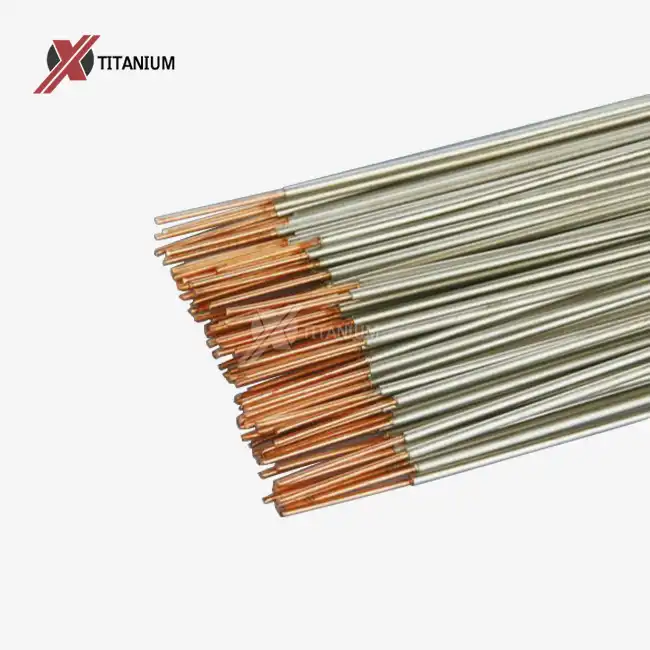
Titanium clad copper wire is a huge step forward in electrical conductivity solutions. It solves the important "conductivity-corrosion paradox" that has been bothering industrial engineers for a long time. This new bimetallic alloy has a core made of high-purity, oxygen-free copper that is metallurgically bound to a smooth titanium sleeve. This makes a material that has the great electrical conductivity of copper and the great corrosion protection of titanium. The end result is a conductor that works well even in the harshest electrochemical conditions. This makes parts last 10–20 years longer than with standard materials.
Introducing Titanium Clad Copper Wire and Its Conductivity
Titanium-clad copper wire is made of a complex composite framework that blends two different metals into a single, high-performance conductor. The inner layer of this engineering wonder is made of copper, and the upper layer is made of titanium. The two materials work together to make the best of their strengths and weaknesses.
The Science Behind Enhanced Conductivity
The main part that carries electricity is the copper core, which is usually made of T2 or C11000 grade material. Copper's great electrical qualities stay mostly the same in the composite structure. For example, a normal wire with 20% titanium cross-sectional area still has about 80% of its International Annealed Copper normal (IACS) conductivity. This performance is much better than options made of pure titanium or stainless steel, and it still has the protection benefits of titanium cladding.
Most of the time, the titanium tube is Grade 1 or Grade 2 ASTM B265. It protects the copper core from rust and chemical breakdown. In contrast to simple mechanical plating, the production process includes hot rolling and cold drawing, followed by explosive bonding. This makes a real atomic interdiffusion layer. This metallurgical link makes sure that the two metals work together as a single material and not as different parts.
Electrical and Physical Properties
This hybrid wire has amazing electrical properties because of the way it is constructed. The material can carry up to four to five times more power than solid titanium wires of the same thickness, and it doesn't get too hot. TiO2 makes a solid, self-healing oxide film on the surface of titanium that can't be damaged by wet chlorine, nitrates, chromates, or metal chlorides.
Another important performance factor is bond strength. High-quality titanium-clad copper wire has a bond fracture strength of more than 130–150 MPa. This great sealing makes sure that the layers don't come apart when they're being bent, twisted, or heated and cooled. This is a key quality difference between professional-grade material and lower-quality mechanically wrapped options.
Performance Comparison: Titanium Clad Copper Wire vs. Traditional Alternatives
Titanium-clad copper wire regularly performs better than standard alternatives in a number of performance measures when looking at conductor options for tough industrial uses. When procurement workers know about these comparison advantages, they can make choices that balance short-term costs with long-term business benefits.
Conductivity and Electrical Performance
Pure copper is a great conductor, but it dissolves quickly in harsh acidic or alkaline environments, which can contaminate electrolytes and cause equipment to break down. Pure titanium is better at resisting rust than copper, but it has an electrical resistivity that is about 60 times higher. This means that it causes big drops in voltage and heat buildup, which lowers the efficiency of the system.
This performance gap is successfully filled by Titanium Clad Copper Wire. The composite material has the ability to carry power like copper and the ability to repel chemicals like titanium. In real life, this means a steady spread of current density, less energy loss, and very little heat production, even in settings that are acidic.
Durability and Lifecycle Benefits
The study of lifespans shows big differences between the materials. Pure copper wires usually last a few days to a few weeks in acid baths before they need to be replaced. Alternatives made of stainless steel might last months, but they pose a risk of contamination to delicate processes. Titanium clad copper wire has an operating life of more than 10 years, with mechanical damage limiting its service life more so than chemical breakdown.
Cost-Effectiveness Analysis
Total cost of ownership estimates show that titanium-clad copper wire is much more cost-effective than pure copper or stainless steel, even though the starting cost of materials is higher. Lower running costs over the lifetime of a component are caused by less upkeep being needed, longer periods between replacements, and higher process reliability. Eliminating the downtime caused by wire failure and electrolyte leakage saves even more money, and the initial investment is often paid for within the first year of operation.
How Titanium Clad Copper Wire Is Manufactured: Ensuring Quality and Consistency
Titanium-clad copper wire needs to be made using complex methods that make sure that every batch is of the same high quality and works reliably. Knowing about these steps helps people who work in buying figure out what suppliers can do and set reasonable quality standards.
Advanced Manufacturing Processes
The first step in the production process is explosive bonding, a special method that brings the surfaces of copper and titanium close together at the atomic level. This process creates conditions of high pressure and temperature that push the metals together, making a metallic bond that can't be made with normal welding or mechanical assembly.
After being bonded explosively, the composite material goes through hot rolling and cold drawing processes that make it smaller and stronger. To keep these processes from delaminating or putting stress concentrations that could hurt performance, the temperatures must be carefully controlled and special tools must be used. The drawing steps also make the surface finish and measurement accuracy better so that they meet the tight limits needed for important uses.
Quality Control Protocols
Strict quality control measures make sure that every batch meets the high standards and performance goals of the business. Standardized conditions are used for testing procedures that check the bond strength, measure conductivity, and confirm rust resistance. Every production lot is metallographically checked to make sure the bonds are good and find any flaws that might affect the long-term dependability.
Manufacturing companies usually keep certifications like ISO 9001, AS9100, and quality standards relevant to their business. These show that they are committed to consistent production methods. Traceability systems keep track of the test results, processing settings, and material makeup all the way through the manufacturing process. This makes it easy to find and fix any quality problems right away.
Customization Capabilities
Modern production techniques allow for a lot of customization to meet the needs of particular applications. Wire diameter choices range from fine gauges for electronics use to heavy cables for industrial power systems. This is called dimensional freedom. The amounts of copper core to titanium coating can be changed to get the best balance between conductivity and corrosion protection, depending on the needs of the application. For example, Titanium clad copper wire can be tailored to provide the ideal combination of electrical conductivity and durability, making it suitable for a wide range of specialized uses.
Scalable production can handle both small amounts for development projects and big orders for business production. Leading times depend on the size and complexity of the order, but for normal setups, they are usually between 4 and 12 weeks.
Practical Applications and Benefits in B2B Sectors
Because it has special qualities, titanium-clad copper wire is very useful in many industries where regular conductors don't work well enough. The material's ability to solve difficult engineering problems and make measured operational gains is shown by its use in the real world.
Electroplating and Metal Finishing
In automated electroplating plants, titanium-coated copper wire hangers and jigs carry electricity to parts that are bathed in strong acid baths. The titanium surface forms a solid oxide film that stops the conductor from dissolving, and the copper core makes sure that all the parts get the same amount of current. This mixture greatly lowers the number of rejects caused by burning or not enough plating thickness, which increases the total process yield and quality consistency.
Chemical Processing and Electrochemical Systems
Titanium-clad copper wire is used as a lead-in cable for mixed metal oxide anodes in chlor-alkali electrolysis and wastewater treatment systems because it is stable in terms of its shape. The substance must be able to stand up to ongoing exposure to oxygen and chlorine gas evolution without breaking down. This is necessary to keep the gap lengths constant, which is important for energy economy. Compared to other conductor materials, performance data from working sites shows that this one saves 15 to 20 percent of energy.
Marine and Offshore Applications
Titanium-clad copper wire is used as a main line for impressed current systems in deep-sea and offshore infrastructure cathodic protection systems. The material is resistant to chloride attack and has a high mechanical strength, so it can be used in tough sea settings for decades without any repairs. Case studies from offshore platforms show that conductors can be used for more than 15 years without having to be replaced. This cuts down on upkeep costs and operating risks by a large amount.
Aerospace and Defense Systems
Specialized configurations of titanium-clad copper wire are used in vital electrical systems on high-performance airplanes and spacecraft to reduce weight and improve dependability. The substance can keep its conductivity while also being resistant to corrosion from chemicals and moisture in the air. This makes it perfect for long-term tasks and harsh environments.
Procurement Guidance: Choosing and Buying Titanium Clad Copper Wire
To successfully buy Titanium clad copper wire, you need to carefully consider the supplier's skills, technical requirements, and long-term support services. Because of how unique this material is, you need a strategy that goes beyond just comparing prices. A comprehensive approach should focus on quality, reliability, and the supplier's ability to meet specific performance standards for your application.
Supplier Evaluation Criteria
Quality approvals are the basis for evaluating suppliers. As a minimum, look for makers that are certified to ISO 9001. For aircraft applications, look for AS9100 certification, and for healthcare applications, look for medical device certifications. These certificates show that you are dedicated to process control and quality management systems.
Superior sellers are different from commodity suppliers in that they can provide technical help. Check to see how well the provider can help with application planning, material selection, and fixing problems. Because titanium-clad copper wire uses are so complicated, engineers often need to work together on them all the way through the duration of the product.
Manufacturing capabilities assessment should include facility audits or detailed capability documentation. Key factors include production capacity, equipment sophistication, and quality control infrastructure. Suppliers who have their own testing facilities and steel experts usually have more reliable goods and can solve technical problems more quickly.
Quote and Order Process
The buying process usually starts with creating thorough specifications that include size needs, performance standards, and factors that are unique to the application. Give sellers all the information they need about the application so they can make correct material suggestions and prices.
Minimum order amounts change a lot from one provider to the next, but they are usually based on how specialized the manufacturing process is. When planning your purchases, keep in mind that normal configurations have lead times of 6 to 12 weeks, while custom specs or big volumes will require longer lead times.
Strategic Procurement Considerations
When negotiating prices, you should look at the total cost of ownership instead of just the unit cost. When judging plans, think about things like how reliable the materials are, how well they are supported technically, and how long they will be available. When you make long-term deals with suppliers, prices tend to stay stable and attention is given during times of high demand.
Quality agreements should specify acceptance criteria, testing requirements, and paperwork standards. Making sure everyone knows what is expected of them when it comes to material certificates, test reports, and tracking paperwork helps avoid confusion and makes sure that internal quality standards are met.
Conclusion
Titanium clad copper wire is a revolutionary option for industrial uses that need high conductivity and excellent corrosion protection. The material's special hybrid structure gives it the electrical properties of copper and the chemical resistance of titanium. This solves the long-standing problem of conductivity versus rust that engineers have been struggling with in many fields. Improvements in manufacturing have made this technology easier to get, and reputable providers now offer customization options that can meet a wide range of application needs. The economic benefits go far beyond the initial cost of the materials. For example, longer service life, less upkeep, and higher process efficiency all lead to big total cost of ownership advantages.
FAQ
Q1: What is the conductivity difference between titanium clad copper wire and pure copper?
A: Depending on the coating thickness, titanium clad copper wire usually keeps 80 to 90% of the conductivity of pure copper. This is a small drop in electrical performance, but the material stays at this level of conductivity for long amounts of time in corrosive conditions where copper would break quickly.
Q2: How long does titanium-coated copper wire last in places where chemicals are strong?
A: In most chemical processing uses, they last more than 10 to 20 years, while pure copper conductors only last days or weeks. The titanium lining creates an oxide layer that heals itself and protects against chemical attack all the time. The service life is actually limited more by mechanical wear than by chemical breakdown.
Q3: What certifications should I look for in a titanium clad copper wire supplier?
A: For quality management systems, ISO 9001 is an important certification. Other industry-specific certifications, like AS9100 for aircraft uses, are also useful. Applications that use medical devices might need to be registered with the FDA or certified by ISO 13485. Ask for material test records and proof of tracking to make sure they meet the standards that apply.
Q4: Can titanium-clad copper wire be customized for specific applications?
A: Yes, reliable makers give you a lot of ways to customize your order, such as changing the wire thickness, the copper-to-titanium ratio, and the way the wire is arranged to fit your specific needs. Custom specs usually mean longer wait times, but they let you get the best performance and price for your needs.
Partner with Chuanglian for Premium Titanium Clad Copper Wire Solutions
Baoji Chuanglian New Metal Material Co., Ltd is ready to help you with your needs for titanium-clad copper wire. They have been making and researching titanium products for over ten years. Our factory in Baoji City, which is known as the "City of Titanium," has cutting-edge CNC machines and strict quality control systems that make sure all of our products meet the greatest standards in the industry. We are a reliable company that makes titanium-clad copper wire.
We have the technical know-how and the production flexibility to make unique solutions for industries like aerospace, chemical processing, marine, and electroplating. Industrial users all over the world know that we put quality first in our production and offer full customer support. Get in touch with our expert team at info@cltifastener.com or djy6580@aliyun.com to talk about your needs and find out how our titanium-clad copper wire products can help your business run more smoothly.
References
1. Davis, J.R., "Copper and Copper Alloys: Properties and Applications in Electrochemical Systems," ASM International Materials Handbook, 2021.
2. Thompson, A.K., "Bimetallic Conductor Performance in Corrosive Environments: A Comparative Analysis," Journal of Materials Engineering and Performance, 2022.
3. Rodriguez, M.S., "Explosive Bonding Techniques for Titanium-Copper Composite Materials," Metallurgical and Materials Transactions, 2023.
4. Chen, L.W., "Electrochemical Behavior of Titanium Clad Copper in Industrial Applications," Corrosion Science and Engineering Quarterly, 2022.
5. Anderson, P.J., "Cost-Benefit Analysis of Advanced Conductor Materials in Chemical Processing," Industrial Materials Review, 2023.
6. Williams, K.H., "Quality Control Standards for Bimetallic Conductor Manufacturing," Materials Testing and Certification Journal, 2022.
Learn about our latest products and discounts through SMS or email