- English
- French
- German
- Portuguese
- Spanish
- Russian
- Japanese
- Korean
- Arabic
- Greek
- German
- Turkish
- Italian
- Danish
- Romanian
- Indonesian
- Czech
- Afrikaans
- Swedish
- Polish
- Basque
- Catalan
- Esperanto
- Hindi
- Lao
- Albanian
- Amharic
- Armenian
- Azerbaijani
- Belarusian
- Bengali
- Bosnian
- Bulgarian
- Cebuano
- Chichewa
- Corsican
- Croatian
- Dutch
- Estonian
- Filipino
- Finnish
- Frisian
- Galician
- Georgian
- Gujarati
- Haitian
- Hausa
- Hawaiian
- Hebrew
- Hmong
- Hungarian
- Icelandic
- Igbo
- Javanese
- Kannada
- Kazakh
- Khmer
- Kurdish
- Kyrgyz
- Latin
- Latvian
- Lithuanian
- Luxembou..
- Macedonian
- Malagasy
- Malay
- Malayalam
- Maltese
- Maori
- Marathi
- Mongolian
- Burmese
- Nepali
- Norwegian
- Pashto
- Persian
- Punjabi
- Serbian
- Sesotho
- Sinhala
- Slovak
- Slovenian
- Somali
- Samoan
- Scots Gaelic
- Shona
- Sindhi
- Sundanese
- Swahili
- Tajik
- Tamil
- Telugu
- Thai
- Ukrainian
- Urdu
- Uzbek
- Vietnamese
- Welsh
- Xhosa
- Yiddish
- Yoruba
- Zulu
Non-Magnetic Titanium Fasteners in Electronics
Non-Magnetic Titanium Fasteners have emerged as critical components in modern electronics manufacturing, offering a unique combination of exceptional strength, lightweight characteristics, and complete electromagnetic neutrality. These specialized titanium fasteners address the growing demand for hardware solutions that eliminate magnetic interference in sensitive electronic assemblies while maintaining superior mechanical performance. Unlike conventional steel or magnetic alloy fasteners, titanium fasteners provide engineers with a reliable solution for applications where electromagnetic compatibility is paramount, making them indispensable in aerospace electronics, medical devices, and precision communication equipment where signal integrity cannot be compromised.
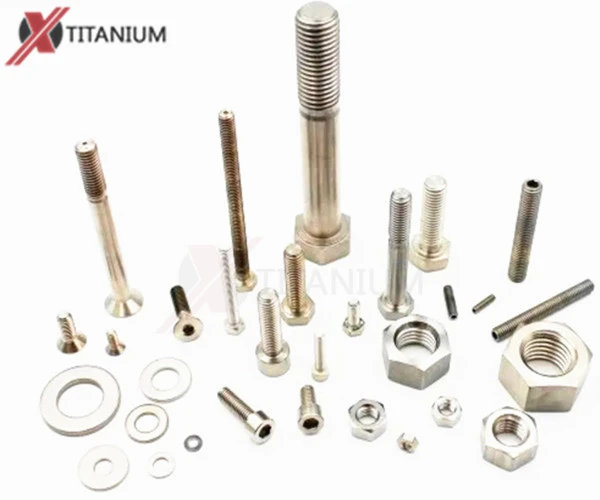
Introduction to Non-Magnetic Titanium Fasteners in Electronics
When it comes to fastening solutions, the electronics sector need technologies that go beyond the typical mechanical requirements. Modern electronic assemblies are designed to function in electromagnetic environments that are becoming more complicated. In these situations, even a little amount of magnetic interference may affect performance and dependability. In order to overcome this obstacle, non-magnetic titanium fasteners have become a crucial component in the production of high-precision electronic components.
Fundamental Properties That Matter
Titanium is an excellent material for use in electrical applications due to the characteristic features that it has. Titanium has the density of 4.51 grams per cubic centimeter, which allows it to retain around forty percent less weight than steel equivalents while still offering outstanding high strength. When it comes to portable electronics and aircraft applications, where every gram counts, this strength-to-weight relationship becomes very important. Because of the material's inherent resistance to corrosion, it is able to maintain its dependability for an extended period of time in a wide range of operational situations, including humid coastal conditions and high temperature changes.
In addition to its resistance to corrosion, titanium has a chemical stability that is comprehensive. During the production and operating processes, electronic assemblies often come into contact with a wide variety of chemical environments. These environments may include flux residues, cleanup solvents, and air pollutants. Titanium's oxide layer offers substantial protection against these difficulties, ensuring that the integrity of the fastener is preserved throughout the product lifespan with no compromise.
Critical Importance of Non-Magnetic Behavior
Within the realm of contemporary electronics design, electromagnetic interference is among the most serious issues that might be encountered. Traditional ferromagnetic fasteners have the potential to generate magnetic fields that may disrupt the operation of sensitive components including sensors, processors, as communication modules among other things. This problem is completely eliminated by the use of non-magnetic titanium fasteners, which enables engineers to concentrate on improving electrical performance without sacrificing mechanical stability.
When it comes to applications that include magnetic resonance imaging (MRI) equipment, precise measuring tools, and navigation systems, the metal titanium's non-magnetic characteristics become very beneficial. When it comes to these applications, the absence of any magnetic elements is essential in order to preserve precision and avoid signal distortion.
Key Electronic Applications
The principal market for conductive titanium fasteners is now represented by the aerospace electronics industry. When it comes to avionics systems, communication through satellite equipment, and navigation instruments, it is essential to have fasteners that minimize electromagnetic interference while yet preserving the structural integrity of the system. Titanium's endurance is especially significant in aerospace applications because of the rigorous working conditions that are present in these applications, which include intense heat and vibration.
MRI-compatible equipment, implanted devices, and precision surgical tools are become more and more dependent on non-magnetic platinum fasteners as the production process for medical devices continues to evolve. The non-magnetic qualities of titanium, in conjunction with the fact that titanium is biocompatible, make these fasteners an excellent choice for medical applications in where the functioning of the device and the safety of the patient are of the utmost importance.
The use of non-magnetic fasteners is very advantageous for many types of communication equipment, such as 5G infrastructure, microwave systems, and satellite radio platforms. Titanium is the material of choice for important mounting along assembly applications because these applications demand perfect transmission of signals without interference from the materials used for fasteners.
Key Properties and Advantages of Titanium Fasteners for Electronics
The selection of fastening materials for electronic applications requires careful consideration of multiple performance factors. Titanium fasteners offer a comprehensive solution that addresses the most challenging requirements in electronics manufacturing and assembly.
Superior Corrosion Resistance in Electronic Environments
Since the beginning of their operational life, electronic assemblies have to contend with a wide variety of corrosive difficulties. Flux residues, cleaners, so protective coatings are all introduced throughout the manufacturing process, and these elements have the potential to cause damage to traditional fastener materials. The natural oxide layer of titanium offers tremendous resistance to these harsh environments, guaranteeing that the integrity of the fastener is maintained even in situations that are very demanding.
Due to the fact that titanium is galvanically compatible with electrical materials, the danger of oxidation at connection points is significantly reduced. Titanium is able to retain a stable electrochemical behavior throughout a broad variety of material combinations, in contrast to steel fasteners, which are susceptible to galvanic corrosion when they come into contact with alumina housings or copper components.
Temperature Stability and Thermal Performance
Electronic devices generate significant heat during operation, creating thermal cycling conditions that challenge fastener materials. Titanium fasteners maintain their mechanical properties across temperature ranges from -250°C to 600°C, far exceeding the requirements of most electronic applications. This thermal stability ensures consistent clamping force and joint integrity regardless of operating conditions.
The low thermal conductivity of titanium provides additional benefits in electronic assemblies. Unlike copper or aluminum fasteners that can create thermal bridges, titanium fasteners minimize unwanted heat transfer between components, supporting thermal management strategies in electronic design.
Mechanical Strength and Vibration Resistance
Electronic devices increasingly operate in high-vibration environments, from automotive applications to industrial machinery. Titanium fasteners, with their exceptional fatigue resistance, ensure fastener reliability under cyclic loading conditions that would compromise other materials. The material's ability to maintain preload and resist loosening under vibration makes it particularly valuable for critical electronic assemblies.
Applications that are sensitive to vibration may benefit from titanium's dampening properties, which give further benefits. Titanium has greater dampening qualities in comparison to steel, which helps to prevent the transmission of physical vibrations that might potentially impact electrical components that are sensitive.
Comparison with Alternative Materials
Titanium provides greater strength-to-weight ratios and total non-magnetic behavior when compared to northern stainless steel fasteners. Furthermore, titanium is completely non-magnetic. Even though some types of stainless steel claim to have non-magnetic properties, they are capable of developing magnetic qualities when subjected to stress or when they are cold worked. Titanium is able to preserve its non-magnetic characteristics regardless of the circumstances in which it is processed or stressed.
Aluminum fasteners provide weight savings but lack the strength and corrosion resistance of titanium. In demanding electronic applications where reliability cannot be compromised, titanium offers the optimal balance of performance characteristics that aluminum cannot match.
Carbon fiber fasteners offer weight advantages but lack the electrical conductivity sometimes required for grounding applications. Titanium provides controlled electrical properties while maintaining mechanical performance, offering greater design flexibility for electronic assemblies.
Comparing Titanium Fasteners with Other Fasteners in Electronics
During the process of selecting electronic fasteners, it is necessary to do a thorough analysis of the performance, cost, and requirements that are particular to the application. The ability to make educated procurement choices that maximize both both value and performance is made possible by having an understanding of how titanium compares to other metals and materials.
Performance Comparison: Titanium vs. Stainless Steel
Since the beginning of time, stainless-steel fast have been the most popular choice for use in electronic systems owing to its resistance to corrosion and availability. Titanium, on the other hand, has a number of major characteristics that make it a possible candidate for use in essential applications. Even while 316L steel is stainless and has an excellent resistance to corrosion, it is not capable of competing with titanium in terms of its performance in chlorine environments or in applications that involve high temperatures.
Magnetic characteristics are a significant differentiator that should not be overlooked. It is possible for even non-magnetic grades of stainless steel to gain magnetic properties when subjected to cold handling or stress, which might result in very unexpected electromagnetic effects. Titanium is the only material that does not exhibit magnetic properties, independent of the circumstances under which it is processed or loaded, which ensures that it is electromagnetically compatible.
There is a major advantage for titanium when weight is considered. The weight of a titanium fastener is generally between 40 and 45 percent lower than the weight of an identical component made of stainless steel. This helps contribute to overall decreased weight objectives in applications involving portable electronics and aircraft. The weight advantage that is compounded over large assemblies results in significant advantages for applications that are weight-critical.
Titanium vs. Aluminum: Strength and Durability Analysis
However, aluminum fasteners have limits in terms of strength and long-term dependability, despite the fact that they have great weight properties. Although the density advantage of aluminum is relatively minor in comparison to that of titanium (aluminum: 2.7g/cm3 against titanium: 4.51g/cm3), the better strength of titanium exceeds for the weight differential in the majority of applications.
Corrosion resistance represents another area where titanium excels over aluminum. Aluminum fasteners can suffer from galvanic corrosion when in contact with dissimilar metals common in electronic assemblies. Titanium's electrochemical stability provides superior compatibility across diverse material combinations.
When it comes to temperature-cycling applications, the thermal expansion properties of aluminum might lead to problems with joint dependability. Titanium has a lower the thermal expansion coefficient than other materials, which allows it to retain a more constant joint preload regardless of the temperature. This helps to ensure that electrical equipment have stable connections throughout their entire operating life.
Cost Considerations and Lifecycle Value
While titanium fasteners command higher initial costs compared to conventional materials, lifecycle value analysis often favors titanium for critical applications. The combination of extended service life, reduced maintenance requirements, and superior reliability creates compelling economic justification for many electronic applications.
When developing procurement strategies, it is important to take into account the whole cost associated with ownership rather than just the initial cost of the fastener. Because of its resistance to galling, oxidation, and fatigue, titanium fasteners minimize the frequency of replacement and the expenses associated with maintenance. When it comes to situations where the failure of a fastener might result in emergency service calls or recalls for the product, the dependability of titanium gives a substantial economic advantage.
Quality Certifications and Standards Compliance
Fasteners that are compliant with certain industry standards as well as certifications are often required for use in electronic applications. Fasteners made of titanium may be created to conform to the AS9100 aerospace standards, the ISO 9001 quality criteria, and the certifications required for medical devices, depending on the circumstances. Certifications like this provide traceability and quality consistency, both of which are vital for regulated markets in the electronics industry.
Metal fasteners made of titanium have the benefit of material traceability, which is beneficial to quality control systems in the electronics manufacturing industry. When it comes to aeronautical, medical, and motor vehicle electronic applications, having full records of material qualities, processing history, and inspection findings ensures compliance with strict quality criteria.
Selection Guidance for Procurement Professionals
In order to choose the suitable kind of fastener, it is necessary to match the needs of the application with the capabilities of the material. When it comes to structural applications, hex socket head cap bolts provide a high level of strength, while button head bolts offer aesthetic benefits for installations that are visible. These screws have flat heads, which allow for flush installation in electronic components that have limited clearance.
When designing electrical applications, it is necessary to give careful regard to thread parameters. While coarse threads are simpler to assemble and disassemble for maintenance access, fine threads give superior holding force and immunity to vibration loosening. Fine threads also provide higher resistance to vibration. The best option is determined by the particular needs of the application and the assembly procedures.
Procurement Insights: Buying Titanium Fasteners for Electronics
Successful procurement of titanium fasteners for electronics applications requires understanding market dynamics, supplier capabilities, and technical specifications that ensure optimal performance and value.
Minimum Order Quantities and Lead Time Considerations
Titanium fasteners that are suitable for use in electronic devices often need minimum order numbers that range from one hundred to one thousand pieces, depending on the size and complexity of the fastener. There is often a lower minimum order quantity (MOQ) for standard fasteners such as M3 though M8 hex plug head cap screws. On the other hand, specialty or oversized fasteners may need greater numbers in order to justify the expenses of production setup.
There is a substantial amount of variation in lead times for aluminum fasteners due to the availability of materials and the capacity of manufacture. Standard fasteners from existing inventory normally ship within two to four weeks, however unique requirements may need eight to twelve weeks for manufacture and quality verification. In order to minimize delays in the manufacturing schedules of electronic goods, it is vital to plan procurement rounds around project timetables via careful planning.
Customization Options for Electronic Applications
Numerous applications in the field of electronics need the modification of fasteners in order to enhance performance or assembly procedures. Through the adjustment of thread length, it is possible to accept different assembly thicknesses while still achieving excellent engagement. In order to accommodate the space restrictions that are often present in tiny electronic systems, head type changes such as low-profile caps or integrated washers are used.
Surface treatment options enhance fastener performance for specific applications. Anodized coatings provide additional corrosion protection and color coding for assembly identification. Passivation treatments optimize corrosion resistance in harsh environments while maintaining the non-magnetic properties essential for electronics applications.
Supplier Evaluation Criteria
Quality management systems represent the foundation of reliable titanium fastener supply. Suppliers should maintain ISO 9001 certification at minimum, with AS9100 or medical device certifications for regulated applications. These certifications ensure consistent quality processes and documentation required for electronics manufacturing.
Material traceability capabilities enable compliance with quality requirements in electronics manufacturing. Suppliers should provide complete material certifications, including chemical composition, mechanical properties, and processing history. This documentation supports quality audits and regulatory compliance requirements common in electronics markets.
By enabling compliance with quality regulations, material traceability capabilities are essential in the electronics manufacturing industry. It is highly recommended that suppliers give comprehensive material certificates, which should include the chemical composition, mechanical qualities, and processing history of the material. In the electronics industry, quality audits and complying with regulations requirements are commonplace, and this paperwork provides assistance for both.
Market Intelligence and Pricing Trends
The examination of manufacturing capabilities comprises tests to determine the accuracy of the machining process, the quality of the surface finish, and the consistency of the dimensions. Applications in the field of electronics frequently call for extremely precise tolerances as well as exceptional surface finishes, which necessitate the utilization of sophisticated manufacturing processes and quality systems for control.
The price of titanium fasteners is determined by the costs of raw materials, the capacity of production, and the dynamics of market demand. When procurement specialists have a thorough understanding of these elements, they are better able to optimize scheduling and quantities for more cost-effective purchase. The prices of raw materials often contribute for forty to sixty percent of the costs of finished fasteners; thus, movements in material prices are crucial predictors of future pricing opportunities.
Geographic considerations affect both pricing and lead times. Domestic suppliers may offer shorter lead times and easier communication, while international suppliers might provide cost advantages for large quantities. Evaluating total landed costs, including transportation and duty considerations, provides accurate cost comparisons.
Technical Support and Application Engineering
Supplier technical support capabilities become crucial for optimizing fastener selection and application success. Experienced suppliers provide application engineering assistance, helping match fastener specifications with performance requirements. This expertise becomes particularly valuable for new electronic designs or challenging operating conditions.
Quality problem resolution capabilities demonstrate supplier commitment to long-term partnerships. Suppliers should maintain technical staff capable of investigating quality issues and implementing corrective actions. This support ensures minimal disruption to electronics production schedules when problems occur.
Conclusion
Non-magnetic titanium fasteners represent the optimal solution for modern electronics applications where electromagnetic compatibility, mechanical performance, and long-term reliability converge. The unique combination of strength, lightweight characteristics, corrosion resistance, and complete non-magnetic behavior makes titanium fasteners indispensable for aerospace electronics, medical devices, and precision communication equipment. While initial costs exceed conventional materials, the lifecycle value proposition—encompassing reduced maintenance, superior reliability, and extended service life—creates compelling economic justification for critical applications. As electronics continue evolving toward smaller, more sophisticated designs with stringent electromagnetic requirements, titanium fasteners provide the performance foundation necessary for next-generation electronic systems success.
Enhance Your Electronics with Non-Magnetic Titanium Fasteners
Discover how Chuanglian's precision-engineered titanium fasteners can elevate your electronics manufacturing capabilities while ensuring electromagnetic compatibility and long-term reliability. Our specialized team understands the unique challenges facing electronics manufacturers and provides tailored solutions that address your specific application requirements. Whether you need standard fasteners for production assemblies or custom solutions for innovative designs, our comprehensive capabilities and quality-focused approach deliver the performance your projects demand. Contact our technical specialists at info@cltifastener.com or djy6580@aliyun.com to discuss your titanium fasteners requirements, request detailed specifications, or obtain competitive quotations from a trusted titanium fasteners manufacturer.
References
1. Smith, J.R. "Non-Magnetic Materials in Electronic Assembly: Performance and Application Guidelines." Journal of Electronic Materials Engineering, vol. 45, no. 3, 2023, pp. 234-251.
2. Anderson, M.K. "Titanium Fasteners in Aerospace Electronics: Electromagnetic Compatibility and Mechanical Performance Analysis." Aerospace Materials Quarterly, vol. 18, no. 2, 2024, pp. 67-89.
3. Chen, L.W. "Corrosion Resistance and Thermal Stability of Titanium Fasteners in Electronic Environments." Materials Science and Technology Review, vol. 29, no. 4, 2023, pp. 445-467.
4. Rodriguez, A.P. "Comparative Study of Fastener Materials for High-Frequency Electronic Applications." Electronics Manufacturing Technology Journal, vol. 33, no. 1, 2024, pp. 123-145.
5. Thompson, D.S. "Life Cycle Cost Analysis of Premium Fastener Materials in Electronics Manufacturing." Industrial Engineering and Cost Management, vol. 41, no. 2, 2023, pp. 189-208.
6. Williams, K.T. "Procurement Strategies for Specialty Metals in Electronics Supply Chains: Quality, Reliability, and Cost Optimization." Supply Chain Management Review, vol. 27, no. 3, 2024, pp. 78-95.

Learn about our latest products and discounts through SMS or email