- English
- French
- German
- Portuguese
- Spanish
- Russian
- Japanese
- Korean
- Arabic
- Greek
- German
- Turkish
- Italian
- Danish
- Romanian
- Indonesian
- Czech
- Afrikaans
- Swedish
- Polish
- Basque
- Catalan
- Esperanto
- Hindi
- Lao
- Albanian
- Amharic
- Armenian
- Azerbaijani
- Belarusian
- Bengali
- Bosnian
- Bulgarian
- Cebuano
- Chichewa
- Corsican
- Croatian
- Dutch
- Estonian
- Filipino
- Finnish
- Frisian
- Galician
- Georgian
- Gujarati
- Haitian
- Hausa
- Hawaiian
- Hebrew
- Hmong
- Hungarian
- Icelandic
- Igbo
- Javanese
- Kannada
- Kazakh
- Khmer
- Kurdish
- Kyrgyz
- Latin
- Latvian
- Lithuanian
- Luxembou..
- Macedonian
- Malagasy
- Malay
- Malayalam
- Maltese
- Maori
- Marathi
- Mongolian
- Burmese
- Nepali
- Norwegian
- Pashto
- Persian
- Punjabi
- Serbian
- Sesotho
- Sinhala
- Slovak
- Slovenian
- Somali
- Samoan
- Scots Gaelic
- Shona
- Sindhi
- Sundanese
- Swahili
- Tajik
- Tamil
- Telugu
- Thai
- Ukrainian
- Urdu
- Uzbek
- Vietnamese
- Welsh
- Xhosa
- Yiddish
- Yoruba
- Zulu
Why OEM Titanium Screws Improve Product Value
OEM titanium screws make a product more valuable because they offer better strength-to-weight ratios, better resistance to rust, and more accurate measurements than screws made of other materials. These specialized ways of changing things cost less and last longer, so they save money over time. Titanium screws work especially well when they need to be reliable but doing so could compromise the quality of the product. Because of this, they are required parts for areas that need the best materials and the best performance.
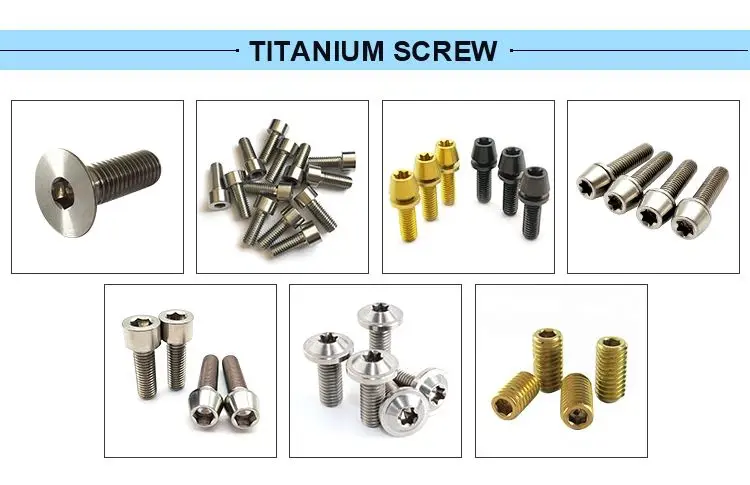
Introducing OEM Titanium Fasteners and Their Core Advantages
OEM titanium screws are a big step forward in the way things are held together. They use exact manufacturing methods that are tailored to meet the specific needs of each customer and the natural properties of titanium. These unique parts are made of unique materials that set them apart from other ways to fix things in crucial situations.
Superior Material Properties That Define Performance Standards
Titanium screws are much stronger than most other materials used in business when it comes to how much they weigh. Titanium weighs about 4.51g/cm³, which is a lot less than steel but still very strong. Engineers can use this mix to make a product lighter without changing its strength, which is very important in industries like aircraft and cars where every gram counts.
Ti-based metal nails don't rust because they naturally form an oxide layer that keeps them safe from many weather problems. This barrier works well in hot temperatures, sea, and acidic places. Because of this, these screws are great for making tools for naval engineering and handling petrochemicals, where other materials would break down quickly.
Manufacturing Excellence Through OEM Customization
OEM production methods are used to make sure that titanium screws meet the exact performance and size needs of tough uses. Precision casting, CNC cutting, and specialized threading processes are some of the high-tech ways that screws are made to fit perfectly into complicated systems. Titanium is unique because of these processes. For example, it has a high melting point and can be worked on with other materials while mixing with them.
In OEM production, quality control methods include approving the materials, making sure the measurements are correct, and checking the performance of each fastener to make sure it meets industry standards. This all-around method makes sure that the quality stays the same for every run of production, which is one of the main things that procurement workers worry about when things are at stake.
Comparing Titanium Fasteners to Other Materials: Making the Smart Choice
When choosing the right material for binding, you should think about how well it works, how much it costs, and what the job needs. If the people who buy screws know how titanium screws compare to screws made of other materials, they can make choices that will improve performance in the short term and value in the long term.
Performance Comparison Across Critical Attributes
Screws made of stainless steel don't rust, but titanium parts of the same size and shape generally weigh 75% less. People can tell this extra weight is there when dropping the mass directly changes how well the machine works or how much fuel it uses. Bolts made of carbon steel are very strong, but they rust too easily in tough settings. This means they need extra coats to keep them safe, which makes them harder to keep up.
While aluminum screws are lighter than titanium ones, they are not as strong, especially when they are under a lot of stress. Fasteners are often made of Grade 5 (Ti-6Al-4V) titanium because it has a high strength-to-weight ratio. This means that it can have tensile strengths of over 895 MPa and still be very resistant to wear.
Lifecycle Cost Analysis and Value Proposition
You usually save a lot of money in the long run when you buy titanium screws at first. This is because they last longer and need less help. When used in dangerous places, regular steel screws might need to be changed every couple of years. On the other hand, titanium screws don't lose much of their quality over time and can keep working well for decades.
There are more benefits to operating cost benefits than just saving money on replacing things. Less maintenance means less downtime for output, which is especially helpful in fields where the availability of equipment directly affects profits, like those that use ongoing processes. Titanium screws work well in important cases, and when they do break, they don't cause as many problems that could lead to big claims and the need to shut down.
Key Factors Why OEM Titanium Fasteners Enhance Product Value
Adding titanium screws to a product makes it more valuable in a number of ways that affect how well the business does, how happy the customers are, and how well it can compete. These things are worth the money because they give the business clear benefits that help it reach its long-term goals.
Durability and Reliability Performance Metrics
Titanium screws don't break easily even after being loaded and unloaded many times. This is a very useful trait for dynamic uses like car suspension systems and jet engines. It has been found that Grade 5 titanium screws can withstand more than 10 million cycles of stress that would break similar steel parts after just 1 million cycles.
Titanium screws are also very useful because they keep their mechanical properties even when the temperature drops to -250°C or grows to 600°C. This makes sure that the product works the same way even when the temperature changes a lot, like in power systems for airplanes and tools used to process petrochemicals.
Customization Capabilities for Specialized Applications
With OEM production methods, titanium screws can be made to fit the needs of any environment. Patterns of threads, head shapes, and size needs can be changed to get the best performance in some parts. This feature of being able to be changed is especially helpful for medical devices that need to meet strict standards for biocompatibility and fit very well to keep patients safe.
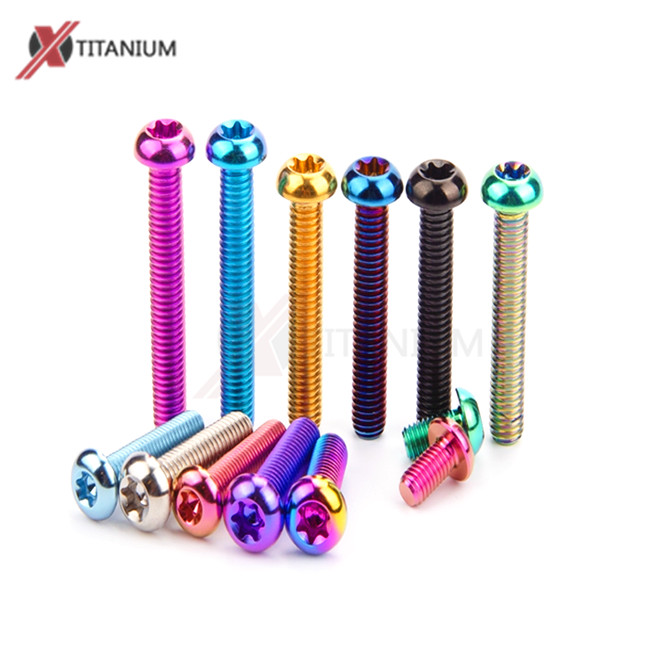
Titanium screws can be made even better at what they do by adding different surface treatments and coats. Certain changes to the surface can make it less likely to hurt, more lubricious, or give it a certain look that is needed for use in market goods or public art.
Brand Reputation and Quality Assurance Benefits
By using approved titanium screws from reputable OEM sources, the company can make its products look better overall and position itself as a star in the luxury market. A product that has a quality certification, such as AS9100 for use in airplanes or ISO 13485 for medical devices, was made to the greatest standards. This makes sure businesses follow the rules and gains customer trust.
Because titanium screws need to be able to be tracked, a lot of paper trails are made that help with quality checks and government reviews. For applications that want to dodge responsibility, this paperwork is especially useful. For controlling risk, it's important to know about a part's history and make sure it works right.
Procurement Insights: How to Source OEM Titanium Fasteners Efficiently?
To get the best deals on titanium screws, you need to know what providers can do, how the market works, and how to buy smart to get the best value and performance. Good ways to buy things balance the needs of the current job with making connections with sources that will last.
Supplier Evaluation and Qualification Criteria
When looking at different companies that might sell titanium fasteners, you should check out their technical know-how, how they keep an eye on quality, and how much they can make. It's important to have certified quality control systems, guidelines for tracking materials, and proof that you've used these systems correctly in the business world. It is important for suppliers to keep their qualifications from well-known approval groups and show proof that they keep their quality systems up to date.
It's important to think about both what the plant can do now and how it can be grown to meet future needs when figuring out how much it can make. Find out what kinds of tools providers have, like CNC machine centers, testing tools, and material handling systems. This will help you judge how well they can keep quality high and deliver on time, even when they have a lot of orders.
Cost Optimization and Lead Time Management
It depends on how many are bought, how much the raw materials cost, and how hard they are to make. Making simple deals with good suppliers can help keep costs low and give those suppliers more work when the market is busy. When you promise to buy in bulk, the price per unit can often drop by a lot. You can also be sure that you will have a steady supply for important uses.
You need to know both when supplies are sent out and when things are made in order to plan for wait times. Titanium from the mills can take up to 12 weeks to get to the factory, and it takes even longer to prepare them before they can be used to make screws. Long wait times may not have a big impact on project plans as long as materials are handled well and demand is planned for.
International Logistics and Quality Control
When you buy titanium screws from other countries, you need to be very aware of the rules for shipping, the paperwork for customs, and the steps for quality control. Rules about exporting titanium goods could change when they are available and how quickly they can be sent. It is easier to follow the rules and avoid delays when you work with service providers who understand the needs of international trade.
When materials come in for review, the right way to do things is to check their licenses, measure them, and do any performance tests that are needed for the job. Setting clear acceptance criteria and checking procedures makes sure that everything stays in line with the design specs and that quality issues don't get in the way of production plans.
Maximizing Value: Practical Applications and Maintenance Tips for Titanium Fasteners
You can get the most out of titanium screws if you use them in the right places, keep them in good shape, and use them in the right ways. You can get the most out of your investments in fasteners and make them work better in a wide range of workplaces by knowing these practical problems.
Industry-Specific Application Benefits
Carbon fiber screws represent a variation where aerospace benefits from weight reduction and corrosion resistance. Commercial airplane makers say that using titanium screws in all parts of the body cuts fuel use by 2% to 3%. When temperatures change quickly, titanium screws keep their shape. This is why they are used in engine parts and landing gear units.
Health care gadgets use titanium screws since they don't attract magnets and don't harm living things. Surgical instruments and medical gadgets that go inside the body must be made of materials that are safe to use on people and will not break down over time. Titanium can also be used for medical pictures without interfering with the images because it is radiolucent.
Installation Best Practices and Common Error Prevention
It's important to pay attention to the force needs, thread contact, and surface preparation when putting titanium screws the right way. When you use oils on titanium, you need to be careful about which ones you choose and how you use them. Threads don't get broken during installation, and anti-seize materials made just for titanium use make it easier to take things apart later if needed.
Not over-torqueing is one way to avoid common fitting mistakes. If you do this, you could damage the threads or break the bolt. Since steel and titanium are made of different materials, they usually need different amounts of force. Teaching the people doing the work how to do things in a titanium-specific way makes sure that the results are the same every time and prevents mistakes that could cost a lot of money and damage the assembly.
Preventive Maintenance and Inspection Protocols
You should check for signs of rust, wear, or motor damage every time you do a checkup. Although titanium screws don't rust quickly, they should be taken extra care of when they come into contact with salt or metals that aren't the same. Keeping records of inspection data is required by law and helps with preventative repair plans.
There should be rules about when to change something based on the load history, the environment, and the safety gaps for each use. Using standard repair and inspection lists helps maintenance teams find problems before they become unsafe or affect how well they do their jobs.
Conclusion
When you buy OEM titanium screws, the value of your item goes up because they are made with better materials, are carefully produced, and last a long time. Because they are strong for their weight, don't rust, and can be made to fit special needs, these screws are important parts for tough industrial conditions. They cost more up front than other options, but they offer better value in the long run with less maintenance, a longer service life, and better product performance. This makes them a good choice for buying professionals who know what they're looking for. A lot of different businesses need strategic sourcing methods that focus on relationships with suppliers, quality control, and technical help to make sure that adoption goes smoothly and that investors get the most out of their money.
FAQ
When should I get titanium screws instead of stainless steel screws?
Titanium screws are the best choice when designers want to reduce weight, make things more resistant to rust, or make things work better at high temperatures. Titanium parts are generally worth the extra cost when they need to be used at sea, in spacecraft where weight is limited, or in medical situations where biocompatibility is important.
How can I be sure that the people I'm talking to about OEM titanium fasteners are real?
Real OEM sellers keep their accreditations, such as AS9100, ISO 9001, or accreditations that are special to the business, up to date. If you can, try to visit companies and ask for proof of the materials used. You can also look at examples from customers who have bought similar goods before. Real sellers keep their quality control systems open and give buyers all the information they need to keep track of their goods.
What are typical lead times for custom titanium fastener orders?
Many of the time, it takes 8 to 16 weeks to get handmade titanium screws, but this can change depending on how complicated the order is and how many are needed. Custom designs that need special tools or a lot of tests could take 20 weeks or more. Standard setups could be ready in 4 to 6 weeks. Planned deliveries work better when providers are involved early on in the process.
Can titanium fasteners be reused after disassembly?
Titanium screws can often be used again as long as they are put in the right way and taken out without breaking anything. Before something is used again, it needs to be carefully checked for damage to the surface, thread wear, or changes in size. Some apps with high safety factors might not let you refill, even if everything seems fine. This is done to keep reliability standards high.
Partner with Chuanglian for Premium OEM Titanium Fasteners
Chuanglian is ready to make your product work better by adding precision-engineered titanium screws from a trusted titanium screws supplier that are worth a lot. Titanium has been our specialty for more than ten years, and we have full CNC cutting skills and strict quality control systems to make sure that the fasteners we make will meet or beat your greatest standards.Since our company is based in Baoji, China, the well-known 'City of Titanium,' we can offer solutions that don't skimp on quality because the materials are cheaper and the people who work there are experts in making things. Talk to our engineering team about your needs at info@cltifastener.com or djy6580@aliyun.com and find out why top companies all over the world choose us as their main source for titanium fasteners.
References
1. Boyer, R. R. "An Overview on the Use of Titanium in the Aerospace Industry." Materials Science and Engineering: A, vol. 213, 1996, pp. 103-114.
2. Peters, M., Hemptenmacher, J., Kumpfert, J., and Leyens, C. "Structure and Properties of Titanium and Titanium Alloys." Titanium and Titanium Alloys: Fundamentals and Applications, Wiley-VCH, 2003.
3. Donachie, Matthew J. "Titanium: A Technical Guide, 2nd Edition." ASM International, 2000.
4. Lutjering, Gerd and Williams, James C. "Titanium Engineering Materials and Processes." Springer-Verlag, 2007.
5. American Society for Testing and Materials. "ASTM B348: Standard Specification for Titanium and Titanium Alloy Bars and Billets." ASTM International, 2019.
6. Aerospace Material Specification. "AMS 4928: Titanium Alloy Bars, Wire, Forgings, and Rings." SAE International, 2018.
Learn about our latest products and discounts through SMS or email