- English
- French
- German
- Portuguese
- Spanish
- Russian
- Japanese
- Korean
- Arabic
- Greek
- German
- Turkish
- Italian
- Danish
- Romanian
- Indonesian
- Czech
- Afrikaans
- Swedish
- Polish
- Basque
- Catalan
- Esperanto
- Hindi
- Lao
- Albanian
- Amharic
- Armenian
- Azerbaijani
- Belarusian
- Bengali
- Bosnian
- Bulgarian
- Cebuano
- Chichewa
- Corsican
- Croatian
- Dutch
- Estonian
- Filipino
- Finnish
- Frisian
- Galician
- Georgian
- Gujarati
- Haitian
- Hausa
- Hawaiian
- Hebrew
- Hmong
- Hungarian
- Icelandic
- Igbo
- Javanese
- Kannada
- Kazakh
- Khmer
- Kurdish
- Kyrgyz
- Latin
- Latvian
- Lithuanian
- Luxembou..
- Macedonian
- Malagasy
- Malay
- Malayalam
- Maltese
- Maori
- Marathi
- Mongolian
- Burmese
- Nepali
- Norwegian
- Pashto
- Persian
- Punjabi
- Serbian
- Sesotho
- Sinhala
- Slovak
- Slovenian
- Somali
- Samoan
- Scots Gaelic
- Shona
- Sindhi
- Sundanese
- Swahili
- Tajik
- Tamil
- Telugu
- Thai
- Ukrainian
- Urdu
- Uzbek
- Vietnamese
- Welsh
- Xhosa
- Yiddish
- Yoruba
- Zulu
OEM Titanium Fastener Manufacturing Guide
To make high-performance screws, you need accurate engineering, high-quality materials, and strict quality control. Titanium micro screws are the best fasteners on the market because they have the best strength-to-weight ratio and protection to rust. This makes them essential in many important industries. These precision-engineered parts solve hard engineering problems that traditional materials can't, especially when uses need to be as light as possible without sacrificing strength.
Titanium alloys have special benefits when used in OEM production that come from their basic qualities. Grade 5 (Ti-6Al-4V) titanium has a tensile strength of more than 900 MPa and is 45% lighter than steel alternatives. This mix is very important in fields like aircraft engineering, medical devices, and tooth implants where every gram counts. Titanium is biocompatible, which means it can safely bond with human flesh. This makes it the best material for dental implants and other medical tools.
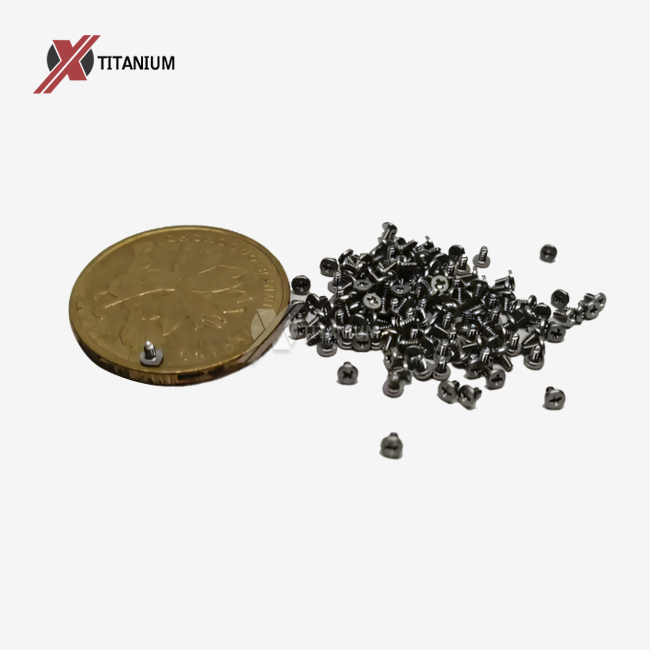
Understanding Titanium Micro Screws: Material Properties and Manufacturing Process
Advanced Material Science Behind Titanium Fasteners
Titanium screws work better than other types because of their unique crystalline structure and alloy makeup. Pure titanium and the Ti-6Al-4V alloy are very resistant to corrosion because they form a solid oxide layer that fixes itself when it gets harmed. Titanium is great for naval engineering and chemical processing because it has a passive protection system that keeps it strong in harsh chemical conditions.
Another very important benefit is biocompatibility, especially for medical-grade uses. Titanium micro screws show excellent osseointegration properties, allowing bone tissue to grow directly onto the material surface. Because of this, they are essential for dental implants, orthopedic fixation, and medical devices that must integrate safely with the human body over long periods.
Manufacturing Excellence Through Precision Machining
With modern CNC cutting, titanium screws can be made with tolerances as small as a few microns. CNC lathes in the Swiss style can handle the special needs of working with titanium, like the fact that it doesn't carry heat very well and tends to strengthen over time. Specialized cutting tools and carefully managed machine factors keep the material from breaking down while achieving exact measurements.
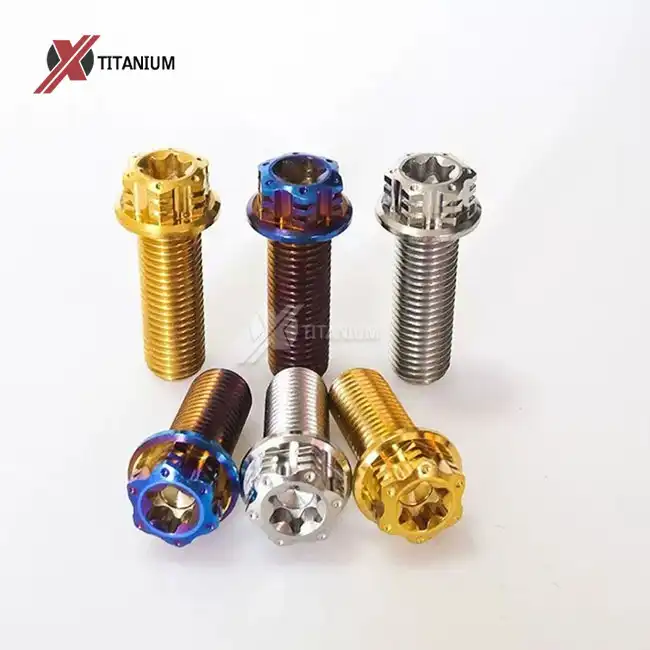
Titanium screws are much more useful when they can be treated on the outside. Anodizing processes add colored oxide layers that can make titanium look like it does naturally or give it a gold, blue, green, purple, black, or rainbow finish. These processes not only make things look better, but they also protect against rust and wear better. Nitriding processes make the surface harder, which extends the life of things that are used in high-wear situations.
Quality control procedures make sure that the qualities of materials are the same from one production batch to the next. Each bolt is measured, its material makeup is checked, and its mechanical properties are tested. Following the rules set by ASTM B348 and ISO 5832 ensures dependability and transparency from the collection of raw materials to the delivery of the finished product.
Titanium Micro Screws vs Alternative Materials: Making the Right Choice
Comprehensive Material Comparison Analysis
Understanding the performance traits of the different fastener materials is necessary to choose the best one. Stainless steel screws are less expensive at first, but they don't hold up as well against corrosion in harsh settings. Steel has a 45% weight penalty that becomes important in aerospace uses where fuel economy has a direct effect on costs.
Cobalt chrome metals are very strong and don't rust, but they aren't biocompatible enough to be used in medical devices that are implanted. Additionally, cobalt chrome has magnetic qualities that can cause problems with sensitive electronics and medical imaging systems. Titanium micro screws eliminate these concerns while maintaining superior mechanical qualities.
Bioabsorbable materials can be used in some medical situations, but they aren't reliable enough to be used for long-term devices or structure parts. Titanium fasteners can be used in a lot of different situations, but bioabsorbable screws can only be used in certain situations because of how quickly they dissolve.
Size Range and Performance Specifications
Standard titanium micro screws have widths between M1 and M3, but other sizes can be made to fit special needs. In the small size group, there are options that meet the rising need for miniaturization across many industries while still ensuring structure stability under working loads. Thread pitch optimization makes sure that the tightening force is spread out evenly and stops stress from building up in one place.
When you compare performance by titanium grade, you can see that different grades are better for different uses. Grade 2 commercially pure titanium is the most resistant to corrosion in chemical production settings. In the aircraft and automobile industries, Grade 5 Ti-6Al-4V is used for structural purposes because it is stronger. Engineers can choose the best materials for specific performance needs when they understand these differences.
Procurement Strategies for Titanium Micro Screws in OEM Manufacturing
Supplier Selection Criteria and Quality Assurance
Finding suppliers with the right certifications and industrial skills is the first step in effective buying. The AS9100 aircraft certification shows that a company follows the strict quality control systems needed for mission-critical uses. ISO 9001 certification gives you basic quality security, and medical device certifications make sure that you're following all FDA and foreign rules.
It is very important for manufacturers to have experience working with titanium because of the way it behaves. Suppliers who don't know much about titanium often have trouble with stability in dimensions, surface finish, and material properties. Established makers can show that they have a good track record by giving customer examples and finishing projects successfully in a wide range of industries.
In addition to basic processing, the company can do advanced surface processes, custom threading, and custom packing. Being able to show material certificates, dimensional records, and proofs of mechanical properties helps with quality control and meeting legal standards. During the procurement process, suppliers who offer design advice and application tech support are very helpful.
Optimizing Order Management and Logistics
Because titanium micro screws are so specialized, there are usually minimum order amounts that go along with them. Order numbers may seem small compared to normal fasteners, but the high value per piece makes it worth it to carefully handle inventory and build relationships with suppliers. Setting up blanket buy orders with planned releases helps keep inventory costs low and supply safe.
To handle lead times, you need to know about the whole manufacturing process, from getting the raw materials to checking them for quality. Titanium material supply can affect production plans, so it's important for project planners to be able to see what suppliers have in stock. Forecasting together with providers lets you plan ahead for capacity and lowers the risk of delivery.
Best Practices for Handling and Sterilizing Titanium Micro Screws
Sterilization Methods and Protocol Development
For therapeutic employments, strict sterilization methods are required to keep the material's structure whereas getting freed of natural contaminants. Steam cleaning in an autoclave at 121°C for the right sum of time slaughters germs without changing the qualities of titanium. Titanium metals are thermally steady, which implies that their mechanical qualities and precision in estimations do not alter indeed after numerous sterilization rounds.
Chemical cleaning with ethylene oxide or hydrogen peroxide plasma is a distinctive way to do things that require to be done at a certain temperature. To keep chemical buildups from shaping that might influence biocompatibility, these forms require to have their parameters carefully controlled. Approval testing makes beyond any doubt that cleaning works and that the material's properties are kept.
Gamma light is another way to sterilize things, and it works particularly well for bundled products that require to be sterilized at the conclusion of their life. Titanium is safe to radiation, so you do not have to stress approximately the fabric breaking down. It too makes beyond any doubt that everything is totally sterile. Measurement gauges and optimizing presentation time keep individuals from being over-irradiated whereas still assembly the levels of sterility ensure required.
Contamination Prevention and Storage Solutions
Using the right handling techniques keeps things clean while they are being stored and put together. Particulate contamination is kept to a minimum in clean rooms, and special packaging keeps things sterile while they're being shipped. Individual packaging in medical-grade bags protects against pollution and tampering until the product is used.
Controls for the temperature, humidity, and make-up of the air in the storage area stop rusting and the buildup of contamination. Finding out a product's shelf life through studies of rapid aging sets limits on how long it can be stored while still keeping its quality. Inventory rotation methods make sure that goods stay within the limits of their shelf life.
Conclusion
Titanium micro screws are important parts for businesses that need high performance, dependability, and accuracy. Because they are strong, don't rust, and are safe for living things, these fasteners are essential in medical, naval, aircraft, and electronics settings. By knowing about the qualities of materials, how they are made, and how they are bought, you can make decisions that are better for both efficiency and cost-effectiveness. Buying high-quality titanium micro screws pays off in the long run by increasing system stability, extending service life, and lowering the need for upkeep.
FAQ
What makes titanium micro screws superior to steel alternatives?
Titanium micro screws offer 45% weight reduction compared to steel while maintaining superior strength-to-weight ratios. The corrosion resistance eliminates the need for protective coatings, reducing long-term maintenance costs. Additionally, titanium's non-magnetic properties prevent interference with sensitive electronics and medical equipment.
How does manufacturing precision influence performance?
Precision manufacturing ensures consistent thread engagement, proper load distribution, and dimensional accuracy critical for miniaturized assemblies. Tight tolerances prevent loosening under vibration and thermal cycling while maintaining assembly integrity throughout service life.
What certifications should I look for in titanium screw suppliers?
Essential certifications include AS9100 for aerospace applications, ISO 13485 for medical devices, and ISO 9001 for general quality management. Material compliance with ASTM B348 and ISO 5832 standards ensures consistent properties and traceability.
Can custom sizes and specifications be accommodated?
Most established titanium manufacturers offer custom sizing, threading, and surface treatments to meet specific application requirements. Custom specifications typically require minimum order quantities and extended lead times compared to standard products.
Partner with Chuanglian for Premium OEM Titanium Micro Screws
Baoji Chuanglian New Metal Material Co., Ltd. has been making titanium products for more than ten years and can help you with your most difficult projects. Our advanced CNC cutting tools and strict quality control systems make sure that the titanium micro screws we make meet the high standards needed for use in aircraft, medicine, and industry. We are experts at making unique solutions in sizes from M1 to M3 with a range of surface styles and treatments. Get in touch with our skilled staff at info@cltifastener.com or djy6580@aliyun.com to discuss your specific requirements.
References
1. ASTM International. "Standard Specification for Titanium and Titanium Alloy Bars and Billets." ASTM B348-19. West Conshohocken, PA: ASTM International, 2019.
2. Boyer, Rodney R. "An Overview on the Use of Titanium in the Aerospace Industry." Materials Science and Engineering: A 213, no. 1-2 (1996): 103-114.
3. Geetha, M., et al. "Ti Based Biomaterials, the Ultimate Choice for Orthopaedic Implants – A Review." Progress in Materials Science 54, no. 3 (2009): 397–425 in Progress in Materials Science.
4. Leyens, Christoph, and Manfred Peters, eds. "Titanium and Titanium Alloys: Fundamentals and Applications." Weinheim: Wiley-VCH published it in 2003.
5. Rack, H.J., and J.I. Qazi. "Titanium Alloys for Biomedical Applications." Engineering and Materials: C 26, no. 8 (2006): 1269–1277.
6. Welsch, Gerhard, Rodney Boyer, and E.W. Collings, eds. "Materials Properties Handbook: Titanium Alloys." ASM International, 1994. Materials Park, OH.
Learn about our latest products and discounts through SMS or email