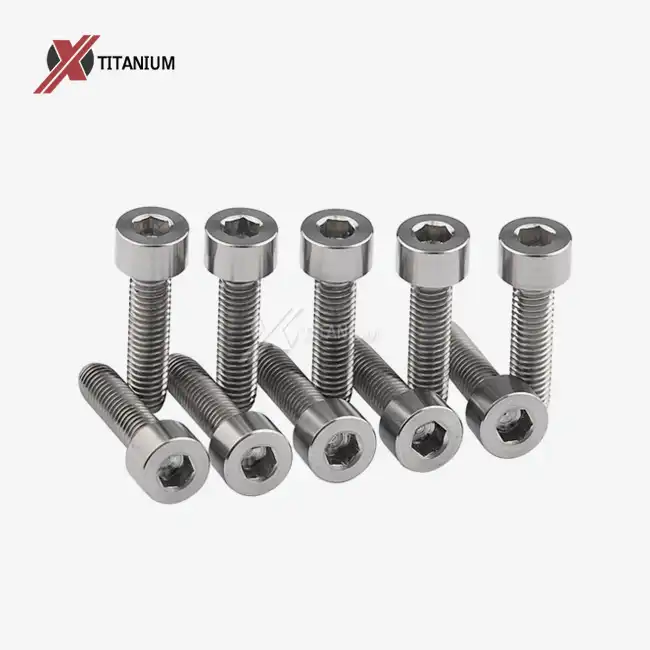
Titanium bolts serve as critical components in medical device manufacturing, revolutionizing how we approach biomedical engineering and surgical applications. Among the various fastener configurations, titanium allen bolts have emerged as particularly valuable due to their hexagonal socket design that enables precise torque application during installation. These specialized fasteners combine the inherent advantages of titanium material properties with practical engineering benefits that meet the demanding requirements of medical environments. The adoption of titanium fastening solutions in healthcare applications continues to expand as manufacturers recognize their superior performance characteristics compared to traditional materials.
Understanding Titanium Allen Bolts in Medical Applications
The unique properties of titanium allen bolts make them exceptionally well-suited for medical device applications where performance and safety cannot be compromised. The corrosion resistance of Grade 5 titanium (Ti-6Al-4V) surpasses that of stainless steel significantly, particularly in biological environments where exposure to bodily fluids and sterilization chemicals occurs regularly. This material maintains its structural integrity even when subjected to repeated autoclave cycles and chemical disinfection processes.
Strength and durability represent fundamental advantages that distinguish titanium fasteners from alternative materials. Grade 5 titanium achieves tensile strengths up to 130,000 psi while maintaining excellent fatigue resistance properties. This combination ensures that medical devices can withstand the mechanical stresses encountered during surgical procedures and long-term implantation without failure.
The lightweight characteristics of titanium allen bolts contribute to overall device ergonomics and patient comfort. Titanium's density of 4.43 g/cm³ makes it approximately 45% lighter than stainless steel, reducing the overall weight of surgical instruments and implantable devices. This weight reduction becomes particularly beneficial in handheld surgical tools where operator fatigue can impact precision and safety.
Biocompatibility stands as perhaps the most critical property for medical applications. Titanium exhibits excellent compatibility with human tissue, showing minimal inflammatory response and promoting osseointegration in orthopedic applications. The material's passive oxide layer prevents ion release into surrounding tissues, making it suitable for long-term implantation without adverse biological reactions.
Comparing Titanium Allen Bolts with Other Materials
When evaluating material options for medical device fasteners, manufacturers must consider multiple performance factors that influence both immediate functionality and long-term reliability. The strength comparison between titanium and alternative materials reveals significant advantages for specific applications.
Stainless steel fasteners, while offering good corrosion resistance, cannot match titanium's biocompatibility and weight advantages. Medical-grade stainless steel (316L) provides adequate performance for many applications but may release nickel ions over time, potentially causing allergic reactions in sensitive patients. The magnetic properties of stainless steel also create limitations in MRI environments, where titanium's non-magnetic nature allows for safer imaging procedures.
Cost implications represent a significant consideration in material selection decisions. Titanium allen bolts typically cost 3-5 times more than equivalent stainless steel fasteners due to material costs and processing complexity. However, the long-term investment benefits often justify this initial expense through reduced revision surgeries, improved patient outcomes, and enhanced device longevity.
Weight considerations become crucial in applications where device portability and patient comfort matter. Aluminum fasteners offer lighter weight than titanium but lack the strength and corrosion resistance required for medical environments. The strength-to-weight ratio of titanium provides an optimal balance for demanding medical applications.
Application suitability varies significantly between materials based on specific device requirements. Titanium allen bolts excel in implantable devices, surgical instruments exposed to aggressive sterilization, and equipment requiring MRI compatibility. The material's thermal stability and chemical inertness make it suitable for applications involving temperature variations and exposure to pharmaceutical compounds.
Applications of Titanium Allen Bolts in Medical Devices
The versatility of titanium allen bolts enables their integration across diverse medical device categories, each leveraging specific material properties to enhance performance and safety. Understanding these applications helps manufacturers identify optimal fastening solutions for their products.
Surgical instruments represent a primary application area where titanium allen bolts provide exceptional value. Orthopedic tools, such as bone fixation devices and surgical guides, benefit from titanium's strength and corrosion resistance. The precise torque control enabled by the hexagonal socket design ensures consistent assembly and prevents over-tightening that could damage delicate components.
Prosthetic devices utilize titanium fasteners extensively in both temporary and permanent applications. Hip and knee replacement systems incorporate titanium allen bolts to secure modular components while allowing for precise adjustment during surgical placement. The material's osseointegration properties promote bone growth around fasteners in direct bone contact applications.
The non-magnetic properties of titanium allen bolts create significant advantages in diagnostic equipment and MRI-compatible devices. Unlike ferromagnetic materials that can cause image artifacts or safety hazards, titanium fasteners allow for safe operation in high-field magnetic environments. This compatibility enables the development of MRI-safe surgical instruments and monitoring devices.
Resistance to wear and tear proves particularly valuable in high-precision manufacturing applications where dimensional stability affects device performance. Titanium's excellent fatigue resistance ensures that fasteners maintain their integrity through repeated loading cycles, preventing loosening or failure that could compromise device function.
How to Choose the Right Titanium Allen Bolts for Medical Manufacturing?
Selecting appropriate titanium allen bolts requires careful evaluation of multiple factors that influence both immediate performance and long-term reliability. The decision process involves technical assessment, supplier qualification, and cost-benefit analysis to ensure optimal outcomes.
Evaluating supplier quality begins with examining certifications and standards compliance. Medical device manufacturers must verify that suppliers maintain ISO 13485 certification for medical device quality management systems. Additional certifications such as AS9100 for aerospace applications or FDA registration demonstrate comprehensive quality capabilities.
Material traceability represents a critical requirement for medical applications. Suppliers should provide complete documentation tracking titanium source materials through all processing stages. This documentation enables manufacturers to demonstrate compliance with regulatory requirements and facilitates recall procedures if necessary.
Customization options allow manufacturers to optimize fastener specifications for specific applications. Diameter ranges from 2mm to 20mm accommodate various device scales, while custom thread specifications (UNC, UNF, Metric) ensure compatibility with existing designs. Surface treatments including polishing, anodizing, and nitriding can enhance specific properties such as wear resistance or visual identification.
Long-term investment benefits justify the higher initial cost of titanium allen bolts through improved device performance and reduced maintenance requirements. The material's durability minimizes replacement needs while its biocompatibility reduces the risk of adverse reactions that could necessitate revision procedures.
About Our Company and Product Offerings
Baoji Chuanglian New Metal Material Co., Ltd. brings over ten years of specialized experience in titanium products machining and research to the medical device manufacturing industry. Located in Baoji City, known as the "City of Titanium," our company leverages regional expertise and material access to deliver superior titanium fastening solutions.
Our comprehensive manufacturing capabilities include more than a dozen CNC machine tools and advanced mechanical processing equipment specifically configured for precision titanium machining. This equipment enables us to maintain tight tolerances and consistent quality across production runs, meeting the exacting standards required for medical device applications.
Customization services represent a core strength of our operations, allowing us to tailor titanium allen bolts to specific customer requirements. We offer custom diameter ranges, thread specifications, and surface treatments including natural titanium finish, gold, blue, green, purple, black, and rainbow anodizing options. These customization capabilities enable medical device manufacturers to optimize fastener specifications for their unique applications.
Our global distribution network ensures reliable delivery and technical support for customers worldwide. We maintain strict quality control systems that inspect every production stage from raw materials to finished products. This comprehensive quality assurance approach has earned us recognition from well-known companies globally and established our reputation for excellence in customer service and prompt lead times.
The technological innovation focus of our company drives continuous improvement in processing capabilities and product performance. We invest regularly in equipment upgrades and technician training to maintain our position at the forefront of titanium manufacturing technology.
Frequently Asked Questions
Q1: What are the advantages of using titanium bolts over traditional steel bolts in medical devices?
A: Titanium bolts offer superior corrosion resistance, biocompatibility, and strength-to-weight ratio compared to steel alternatives. They resist degradation in biological environments, eliminate the risk of nickel allergies, and provide MRI compatibility. The lightweight nature of titanium reduces device weight while maintaining exceptional strength properties, making them ideal for both implantable devices and surgical instruments.
Q2: Are titanium allen bolts suitable for all types of medical devices?
A: While titanium allen bolts excel in most medical applications, their suitability depends on specific device requirements, environmental conditions, and cost considerations. They work exceptionally well in implantable devices, surgical instruments, and MRI-compatible equipment. However, applications with extremely high volume requirements and cost sensitivity might consider alternative materials for non-critical fastening applications.
Q3: How do I ensure the quality of titanium bolts purchased for medical applications?
A: Quality assurance requires selecting suppliers with relevant medical device certifications, complete material traceability documentation, and proven track records in the medical industry. Verify ISO 13485 certification, request material certificates showing Grade 5 titanium compliance, and confirm that manufacturing processes meet medical device standards. Additionally, consider suppliers who provide comprehensive testing data and maintain robust quality control systems throughout production.
Conclusion
Titanium allen bolts represent a critical advancement in medical device manufacturing, offering unmatched combinations of strength, biocompatibility, and corrosion resistance. The unique properties of Grade 5 titanium enable medical device manufacturers to create safer, more durable products that improve patient outcomes while reducing long-term maintenance requirements. As the medical device industry continues to advance, the role of titanium fastening solutions will expand, driven by increasing demands for biocompatible materials and precision engineering. Selecting the right supplier and maintaining focus on quality assurance ensures that these advanced materials deliver their full potential in life-critical applications.
Partner with Chuanglian for Superior Titanium Allen Bolts Manufacturing
Chuanglian stands ready to support your medical device manufacturing requirements with high-quality titanium allen bolts that meet the most demanding specifications. Our comprehensive understanding of medical device requirements, combined with advanced manufacturing capabilities, positions us as your ideal titanium allen bolts supplier for critical applications.
Our Grade 5 titanium (Ti-6Al-4V) fasteners deliver exceptional performance through precise CNC machining and rigorous quality control processes. We offer complete customization services including diameter ranges from 2mm to 20mm, multiple thread specifications, and various surface treatments to meet your exact requirements. The acid and alkali resistance, anti-corrosion properties, and excellent mechanical strength of our products ensure reliable performance in demanding medical environments.
As an experienced titanium allen bolts manufacturer, we understand the critical importance of consistency, traceability, and technical support in medical device applications. Our team provides comprehensive technical consultation to help you select optimal fastening solutions while ensuring compliance with industry standards and regulations.
Take the next step in enhancing your medical device manufacturing capabilities by partnering with Chuanglian. Contact us at info@cltifastener.com and djy6580@aliyun.com to discuss your specific titanium allen bolts requirements and discover how our solutions can improve your production processes. Visit cl-titanium.com for detailed product specifications and technical resources.
References
1. Williams, D.F. "Titanium in Medicine: Material Science, Surface Science, Engineering, Biological Responses and Medical Applications." Springer, 2018.
2. Long, M. and Rack, H.J. "Titanium Alloys in Total Joint Replacement: A Materials Science Perspective." Biomaterials Research, Vol. 19, 2019, pp. 85-108.
3. Niinomi, M. "Mechanical Biocompatibilities of Titanium Alloys for Biomedical Applications." Journal of the Mechanical Behavior of Biomedical Materials, Vol. 1, 2020, pp. 30-42.
4. Ryan, G., Pandit, A., and Apatsidis, D.P. "Fabrication Methods of Porous Metals for Use in Orthopedic Applications." Biomaterials, Vol. 27, 2018, pp. 2651-2670.
5. Steinemann, S.G. "Titanium: The Material of Choice for Implants in Medical Technology." Materials Science and Engineering: C, Vol. 26, 2019, pp. 1173-1178.
6. Geetha, M., Singh, A.K., Asokamani, R., and Gogia, A.K. "Ti-Based Biomaterials: The Ultimate Choice for Orthopedic Implants." Progress in Materials Science, Vol. 54, 2020, pp. 397-425.