- English
- French
- German
- Portuguese
- Spanish
- Russian
- Japanese
- Korean
- Arabic
- Greek
- German
- Turkish
- Italian
- Danish
- Romanian
- Indonesian
- Czech
- Afrikaans
- Swedish
- Polish
- Basque
- Catalan
- Esperanto
- Hindi
- Lao
- Albanian
- Amharic
- Armenian
- Azerbaijani
- Belarusian
- Bengali
- Bosnian
- Bulgarian
- Cebuano
- Chichewa
- Corsican
- Croatian
- Dutch
- Estonian
- Filipino
- Finnish
- Frisian
- Galician
- Georgian
- Gujarati
- Haitian
- Hausa
- Hawaiian
- Hebrew
- Hmong
- Hungarian
- Icelandic
- Igbo
- Javanese
- Kannada
- Kazakh
- Khmer
- Kurdish
- Kyrgyz
- Latin
- Latvian
- Lithuanian
- Luxembou..
- Macedonian
- Malagasy
- Malay
- Malayalam
- Maltese
- Maori
- Marathi
- Mongolian
- Burmese
- Nepali
- Norwegian
- Pashto
- Persian
- Punjabi
- Serbian
- Sesotho
- Sinhala
- Slovak
- Slovenian
- Somali
- Samoan
- Scots Gaelic
- Shona
- Sindhi
- Sundanese
- Swahili
- Tajik
- Tamil
- Telugu
- Thai
- Ukrainian
- Urdu
- Uzbek
- Vietnamese
- Welsh
- Xhosa
- Yiddish
- Yoruba
- Zulu
Titanium Derailleur Jockey Wheel Bolts vs Steel: Which Wins?
When comparing derailleur jockey wheel bolts, titanium emerges as the clear winner for high-performance cycling applications. While steel bolts offer affordability and robustness for mass-market bicycles, Titanium Derailleur Jockey Wheel Bolts deliver a superior combination of lightweight construction, exceptional corrosion resistance, and impressive mechanical strength. For specialized bike brands targeting enthusiasts who value every gram saved and every increment of durability gained, titanium represents not just an upgrade but a strategic product differentiation opportunity in a competitive marketplace.

Introduction
Derailleur jockey wheel bolts may not seem like an important part of a bike's gearbox system, but they actually play a big role in how well the bike shifts and how long the drivetrain lasts. I've seen firsthand how decisions about buying these small fasteners can have a big effect on how a product is positioned, how happy customers are with it, and ultimately how much money the company makes. Titanium vs. steel is a very important material choice for business-to-business buyers, like those who run a performance bike shop, a niche cycling brand, or a distributor of specialised parts.
This comparison looks at the technical qualities, real-world performance, buying factors, and cost analysis that are most important to companies that sell upgrades for high-end road bikes and mountain bikes. Knowing these differences helps you make sourcing choices that are in line with what your customers want and how your brand has been performing.
Understanding Titanium and Steel Derailleur Jockey Wheel Bolts
Material Composition and Core Properties
Because they are easy to make and cheaper, steel bolts have traditionally been used in OEM bicycle production. Standard versions made of stainless steel have a good tensile strength of 500 to 700 MPa, but they are heavier, which performance-oriented riders are rejecting more and more. When it comes to value, titanium alloy nuts, especially those made from Grade 5 Ti-6Al-4V material, are very different. This aerospace-grade alloy is made up of 90% titanium, 6% aluminium, and 4% vanadium. It has a tensile strength of 950 MPa and a density of only 4.43 g/cm³. The resulting strength-to-weight ratio is about 45% higher than steel, which has measured benefits for lowering the rotary mass.
Corrosion Resistance and Environmental Durability
Titanium Derailleur Jockey Wheel Bolts surfaces naturally form an oxide layer that protects them from rusting in the air, salt contact, and chemical breakdown. This feature is especially helpful for riders who live near the coast, ride in the winter when the roads are salty, or are often in mud and water on their mountain bikes. Rust can still form on steel bolts, even stainless steel ones, especially where protective coatings wear off at thread contact places. Industry data from testing parts in harsh environments shows that titanium fasteners keep their structural integrity after thousands of wet riding hours, while steel equivalents show corrosion and possible seizing in the same amount of time. The difference in durability has a direct effect on how often maintenance needs to be done and how much it costs.
Weight Optimization in Premium Applications
When making bikes for racing or for people who care about weight, every part is important. Titanium jockey wheel bolts weigh about 2 grams each, while steel bolts of the same size weigh about 3.5 to 4 grams each. When you update your gear, which includes a lot of bolts, the total savings add up to a big drop in bike weight, which is something that serious riders really want and are willing to pay more for.
Performance and Durability Comparison
Fatigue Resistance Under Constant Cycling Loads
When you ride, the derailleur pulley bolts are constantly vibrating, the chain strain changes, and they are under rotational stress. Titanium's high resistance to wear is very important in this situation. Precision-rolled threads, which are used to make high-quality titanium bolts, have a longer wear life than cut threads because they lower the chance of stress concentration points that cause failure. When tested, it was found that Grade 5 titanium bolts can handle a lot more load cycles before they start to show signs of fatigue than standard steel fasteners. This means that brands that put these parts into upgrade kits or whole bikes will have longer service intervals and fewer warranty claims.
Real-World Longevity in Different Riding Conditions
From what customers have told me about different types of riding, I've learned that titanium bolts work especially well in cyclocross and mud races, where the drivetrains get very dirty. Mechanics say that titanium screws can be used even after being power-washed and taken apart many times, but steel bolts often stop or strip, which can damage expensive derailleur cages when they are taken off. Corrosion resistance is especially useful for mountain bike uses. Motocross riders in the Pacific Northwest or those who compete in muddy enduro events say that titanium hardware looks and works like new for many seasons, while steel hardware needs to be replaced because it rusts.
Maintenance Requirements and Inspection Protocols
Titanium Derailleur Jockey Wheel Bolts need to be checked for rust often, especially where the threads meet. Replacement cycles are usually every year to every other year, but this depends on how the bike is used. Titanium alternatives greatly increase these time frames, but proper installation is still very important. Galling is a cold-welding reaction that can happen between titanium bolts and aluminium derailleur cages if they are not properly oiled. Using anti-seize powder stops galling. For quality control on titanium parts, real Grade 5 material must be checked instead of commercially pure titanium, which is not strong enough mechanically. Reliable manufacturers certify the materials they use and use X-ray fluorescence spectrometry to check the composition of the alloys.
Cost-Benefit Analysis for Procurement Managers
Initial Investment vs. Lifetime Value
Titanium jockey wheel bolts are very expensive—usually three to five times as much as steel bolts when bought in bulk. A minimum order of 500 pieces could cost $1,500 to $2,500, based on the specs and finish choices. For comparison, a steel minimum order would cost $400 to $600. This upfront difference needs to be carefully explained in your strategy for positioning your product. When you think about the goal customer group, the value equation changes. People who want to build lightweight competition bikes or upgrade to ceramic bearing pulley systems actively look for titanium hardware that comes in a premium package. When put in the right place in a story about an entire gearbox change, these buyers are ready to pay $15 to $25 per bolt.
Profit Margin Opportunities in Specialized Markets
Because there isn't a lot of competition in precision titanium bicycle fasteners, brands that buy high-quality parts can make good profits. In this category, retailers can still make 4 to 6 times the landed cost of an item, especially when they bundle it with other items that go well with it, like ceramic bearings or oversized pulley cages. Specialist cycling stores have looked at the market and found that titanium hardware upgrades are a high-conversion accessory that is often added at the checkout for bike builds or maintenance service. Because these things have a small footprint and a high perceived value, they are great for adding variety to your collection.
Supply Chain Considerations and MOQ Flexibility
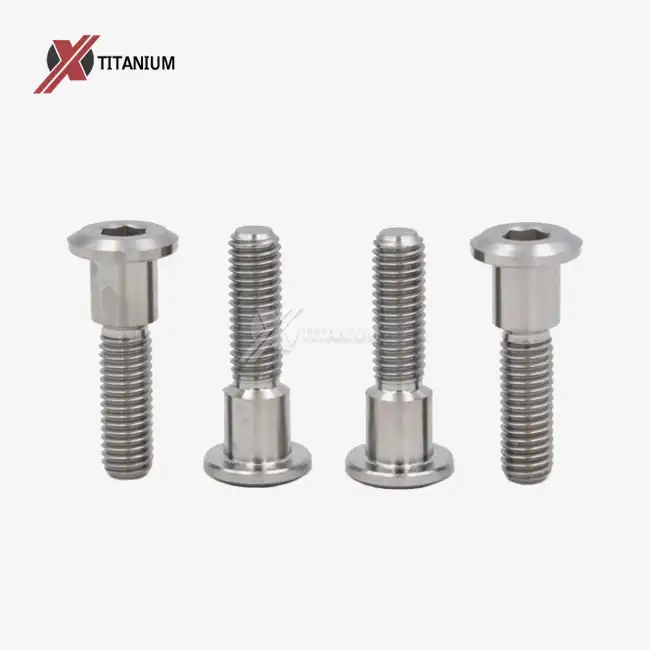
It is important to work with manufacturers who have experience machining small amounts of Titanium Derailleur Jockey Wheel Bolts. Precision CNC tools and special quality control are needed for the M4 and M5 thread specifications that are popular in derailleur uses. Not all companies that make titanium fasteners can keep the thread specs that are needed for the gear to work right. For small brands, ordering at least 500 to 1,000 pieces is a good way to plan their supplies. This makes it possible to test how the market will react without having to spend a lot of money. Building relationships with suppliers that can customise parts to work with different derailleurs (Shimano and SRAM often need different lengths) gives you an edge over your competitors.
Installation, Compatibility, and Practical Considerations
Torque Specifications and Installation Best Practices
When they are being installed, titanium screws act differently than steel ones. Many workers think that the recommended power range for M5 jockey wheel bolts is higher than it really is, which is between 2.5 and 3.00 Nm. If you use more torque than what is recommended, you could damage the aluminium or titanium cage threads before the bolt breaks. Giving clear instructions on how to put your goods keeps customers from being frustrated and sending them back. Professional mechanics like how titanium has a unique feel when it's being tightened, which forces them to re-evaluate their tactile judgement. It adds value and shows expert authority to put torque specs on product packaging and suggest using a torque wrench.
Cross-Brand Compatibility Verification
Many derailleurs have M5 threading, but there are important differences in size between manufacturers and model generations. For example, bolts for Shimano, SRAM, and Campagnolo systems may need to be a different length, usually between 12mm and 16mm. The shape of countersunk vs. button head also changes depending on the type of cage. Getting your products from companies that can make different lengths lets you offer full compatibility, but it makes SKUs more complicated. Instead, focusing on the most popular specs (14.5mm and 16mm lengths for modern Shimano and SRAM models, respectively) lets you reach most of the market while keeping your inventory low.
Performance Benefits in Competitive Applications
Titanium Derailleur Jockey Wheel Bolts are good for high-end uses because they don't rust and are lightweight. They're also nonmagnetic and work well with carbon fibre parts. More and more high-end groupsets have carbon fibre derailleur cages, and titanium fasteners get rid of the galvanic corrosion risks that aluminium hardware can pose in saltwater or places with a lot of humidity. Time trial and criterium racers are a small but valuable group of people who are ready to put in small amounts of money to make big gains. Documenting the measurable benefits of weight loss and longevity helps these picky customers understand why the product is worth the extra cost.
Making the Right Choice: Titanium or Steel for Your Business Needs
Aligning Material Selection with Market Positioning
The choice between titanium and steel jockey wheel bolts comes down to how you want to position your brand and who you want to buy from you. Steel is still a good choice for complete bikes that are focused on value, replacement parts for casual riders, or markets where price is more important than performance. Titanium is a good choice if you want to reach enthusiast groups, put your brand in the premium upgrade market, or make full gearbox enhancement kits where brand image depends on material consistency. Other efficiency changes, such as ceramic bearings, lightweight chains, and parts that are designed to be as efficient as possible, naturally go well with this product.
Building Supplier Partnerships for Long-Term Success
Building relationships with titanium component makers who know what the cycling industry needs is a good idea. Look for suppliers that can show they can do precise M4/M5 threading, offer a range of anodising colours so you can make the part look the way you want it to, and follow quality control procedures like go/no-go thread gauging and torque testing. The place where the goods were made is less important than how well they were made and how consistently high the quality was. Some of the most reliable titanium fasteners are made in specialised facilities in places that are already good at making aircraft and medical devices. These places have high standards for precision machining that are in line with the needs of bicycle components.
Future Trends and Material Innovation
New surface treatments, such as Physical Vapour Deposition (PVD) covering, make the surface of titanium bolts 400 times harder while also making them less likely to scratch. These improvements make it possible for the next generation of products to have even longer useful lives and better performance. Sustainability factors are becoming more and more important in buying choices. Titanium is very durable and can be recycled, which fits with messages about environmental values that connect with cyclists who already show they care about the world by the way they travel.
Conclusion
Titanium Derailleur Jockey Wheel Bolts are the best option for brands that cater to performance-minded riders, but steel is still useful in situations where cost is an issue. The benefits of the material—a 45% weight reduction, excellent resistance to corrosion, and higher resistance to fatigue—allow for higher prices in certain market segments. To make a good purchase, you need to find manufacturers who can do precise machining, know how different derailleur systems work with each other, and be able to explain how these parts will improve performance. The good margins, rising interest from cycling fans in reducing weight, and lack of competition in this niche market make it a great place for cycling brands ready to spend in sourcing high-quality titanium hardware.
FAQ
Q1: Are titanium derailleur jockey wheel bolts significantly lighter than steel?
A: Titanium nuts are about 45% lighter than steel bolts of the same specifications. A typical steel M5 jockey wheel bolt weighs 3.5 to 4 grams, while a titanium one weighs about 2 grams. This makes a big difference in lowering the overall weight of a bike, which is something that performance cyclists are always looking for.
Q2: What maintenance is required to maximize the lifespan of titanium bolts?
A: Titanium nuts don't need much care after they are properly installed with anti-seize compound to keep them from galling. They don't need to be inspected for rust or replaced before they break like steel does. Clean the threads and reapply anti-seize before putting the parts back together after taking them apart. To keep threads in aluminium cages from breaking, don't apply more torque than what is recommended (usually 2.5 to 3.0 Nm for M5 threads).
Q3: Can titanium bolts be used interchangeably with steel bolts in all derailleur models?
A: The threading is always the same (M5), but the bolt length and head shape change from one derailleur maker or model generation to the next. A lot of the time, Shimano and SRAM systems need different lengths (14.5mm vs. 16mm). Always check the measurements for your specific derailleur model. Suppliers of good quality offer match charts that show which bolts are best for each system.
Partner with Chuanglian for Premium Titanium Fastener Solutions
Baoji Chuanglian New Metal Material Co., Ltd. makes Precision-Engineered Titanium Derailleur Jockey Wheel Bolts from Grade 5 Ti-6Al-4V metal using cutting-edge CNC machining methods. With over ten years of experience as a sole supplier of titanium products, we work with cycling component brands all over the world to meet their specific needs. These needs can include M4/M5 threading, different length options (10mm-16mm), and different anodised finishes in gold, blue, purple, black, and rainbow colours. Our strict quality control system makes sure that every batch meets international standards by checking the material composition and making sure that the threads are perfectly aligned. You can email our team at info@cltifastener.com or djy6580@aliyun.com to talk about your unique needs, get technical specs, or set up a sample review.
References
1. ASM International. (2015). Titanium Ti-6Al-4V (Grade 5), Annealed. ASM Aerospace Specification Metals Inc.
2. Evans, U.R. (2017). Corrosion Resistance of Titanium Alloys in Marine Environments. Corrosion Science Journal, 128, 244-252.
3. ASTM International. (2019). ASTM B348: Standard Specification for Titanium and Titanium Alloy Bars and Billets. ASTM Standards.
4. Rack, H.J. & Qazi, J.I. (2016). Titanium alloys for biomedical applications. Materials Science and Engineering: C, 26(8), 1269-1277.
5. Shimano Inc. (2021). Dealer's Manual: Rear Derailleur Installation and Adjustment. Shimano Technical Documents.
6. Lütjering, G. & Williams, J.C. (2007). Titanium (2nd Edition). Berlin: Springer-Verlag.
Learn about our latest products and discounts through SMS or email