- English
- French
- German
- Portuguese
- Spanish
- Russian
- Japanese
- Korean
- Arabic
- Greek
- German
- Turkish
- Italian
- Danish
- Romanian
- Indonesian
- Czech
- Afrikaans
- Swedish
- Polish
- Basque
- Catalan
- Esperanto
- Hindi
- Lao
- Albanian
- Amharic
- Armenian
- Azerbaijani
- Belarusian
- Bengali
- Bosnian
- Bulgarian
- Cebuano
- Chichewa
- Corsican
- Croatian
- Dutch
- Estonian
- Filipino
- Finnish
- Frisian
- Galician
- Georgian
- Gujarati
- Haitian
- Hausa
- Hawaiian
- Hebrew
- Hmong
- Hungarian
- Icelandic
- Igbo
- Javanese
- Kannada
- Kazakh
- Khmer
- Kurdish
- Kyrgyz
- Latin
- Latvian
- Lithuanian
- Luxembou..
- Macedonian
- Malagasy
- Malay
- Malayalam
- Maltese
- Maori
- Marathi
- Mongolian
- Burmese
- Nepali
- Norwegian
- Pashto
- Persian
- Punjabi
- Serbian
- Sesotho
- Sinhala
- Slovak
- Slovenian
- Somali
- Samoan
- Scots Gaelic
- Shona
- Sindhi
- Sundanese
- Swahili
- Tajik
- Tamil
- Telugu
- Thai
- Ukrainian
- Urdu
- Uzbek
- Vietnamese
- Welsh
- Xhosa
- Yiddish
- Yoruba
- Zulu
Titanium vs magnesium anode rod comparison
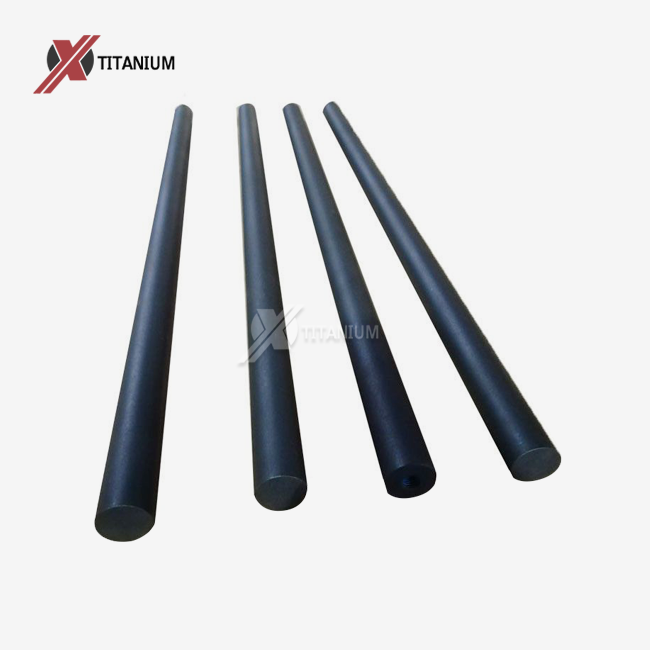
It's important to know the difference between titanium anode rod technology and standard magnesium alternatives when looking at anode rods for commercial water heating systems. The titanium-based anode rod works as an impressed current cathodic protection (ICCP) system, with a Grade 2 titanium base that doesn't corrode and is covered in mixed metal oxides. Titanium rods give controlled electrical current to stop rust without using up any material, unlike magnesium rods that are used as a sacrifice and break down over time. This main difference means that titanium lasts 15-20 years instead of 2–4 years, which means that it doesn't produce hydrogen sulfide smells and doesn't collect sediment. These are two things that have a direct effect on maintenance costs and system reliability in petrochemical plants, marine facilities, and commercial installations.
Understanding Anode Rods: Role and Importance in Water Heater Protection
Anode rods are the main way that water heating systems protect themselves from rust. This is a bigger problem in industry settings where broken equipment can cause a lot of problems and cost a lot of money.
The Electrochemical Protection Mechanism
Water heater tanks are always at risk of rusting because water, dissolved oxygen, and steel surfaces that are exposed to electricity respond. Through galvanic action, anode bars become the best place for rusting to happen. In systems that act as a sacrifice, like magnesium bars, the anode material corrodes instead of the steel tank, breaking down slowly while keeping the vessel safe. Titanium anode rod systems protect in a different way by actively moving electrical current throughout the tank's interior. This creates a protected electrochemical environment that keeps steel surfaces from rusting. This active way keeps the amount of protection the same even if the water chemistry changes, which fixes a common problem with passive protection systems.
Consequences of Inadequate Anode Performance
Poor performance of the anode rod leads to a number of practical problems. Tank perforation from unchecked rust causes major system breakdowns that need to replace all the equipment instead of just doing regular maintenance. Degradation of water quality due to rust byproducts pollutes process lines in industrial settings, which could lower the quality of products made in food or drug making. The average cost of replacing a business water heater too soon is more than $8,000 per unit, not counting the cost of installation work and system downtime. These are costs that add up quickly in facilities with multiple units or industrial plants that are always running.
Strategic Importance for Procurement Decision-Makers
When purchasing managers look at anode rod specs, they have to weigh the original capital cost against the total cost of ownership over the lifetime of the equipment. Traditional magnesium rods have lower initial costs, but they need to be inspected regularly, replaced at regular times, and maintained by a team of people all the time. The decision framework includes more than just unit price. It also takes into account the dependability of the supply chain, the technical support skills of vendors, and the needs for compliance documents.
Marine engineering facilities that have to follow Coast Guard standards or medical device manufacturers that have to follow FDA rules are examples of industries that have to follow strict regulatory guidelines. These industries need suppliers that can provide full material certifications, traceability documentation, and quality system verification that meets AS9100 or ISO 13485 standards.
Titanium vs Magnesium Anode Rods: Detailed Performance Comparison
When you compare these anode technologies across a number of performance factors, you can see that they work in different ways, which affects how well they work in certain industrial settings.
Material Composition and Structural Properties
Magnesium sacrificial anodes are made of high-purity magnesium alloys (usually AZ63 or AZ31B mixes) that are designed to rust through galvanic action. The anode dissolves at set rates that depend on how conductive the water is, how hot it is, and how many minerals are dissolved in it. Anodes that use titanium anode rods utilize ASTM B348 Grade 2 titanium plates that provide structural stability and are coated with mixed metal oxides, most often iridium oxide or ruthenium oxide compounds.
This layer, which is between 2 and 10 micrometers thick, speeds up electrochemical processes without using up any materials. The titanium base has great mechanical qualities, such as a tensile strength of 480 MPa, a density of 4.43 g/cm³, and a melting point of 1668°C. This makes sure that the dimensions stay the same over long periods of time.
Corrosion Resistance and Operational Longevity
Titanium anodes are better at resisting rust in a wide range of water chemicals. Performance testing in saltwater, acidic (pH levels below 5.5), and high-chloride industrial water sources shows that there isn't much degradation over long periods of time. The non-consumable design keeps the same level of current distribution and security efficiency no matter what the world is like. When used in normal watery situations, magnesium anodes work as expected, but when the water is rough, they wear out faster.
High calcium and magnesium levels in hard water can cause insulation layers to form on the magnesium anode surfaces. This makes protection less effective and, in the worst cases, shortens the time between replacements to 18 to 24 months. If, on the other hand, you use warm water or high temperatures, your magnesium may be used up too quickly, causing silt to build up at the bottom of your tanks and making it impossible for the heating element to work.
Maintenance Requirements and Lifecycle Economics
The maintenance rate makes a big difference between these systems. Magnesium anodes need to be checked every six months to see how much material is left and replaced when they lose 75% of their original mass. This plan calls for regular system shutdowns, methods for accessing tanks, and control of the inventory of replacement parts. In business settings, the cost of yearly maintenance for magnesium systems is usually between $200 and $400 per tank, which includes work and materials.
Titanium-impressed current systems don't need to be replaced on a regular basis; they only need to have their power supplies checked and their electrical connections inspected every so often. Maintenance checks are now done every three to five years instead of every six months, which saves time and keeps operations running smoothly. Initial investment for titanium systems is 300–400% higher than for magnesium alternatives. However, over the 15-year equipment lifecycles, the total cost of ownership study shows 40–60% cost savings due to fewer replacement cycles, less maintenance work, and longer tank service life.
Environmental and Safety Considerations
Environmental effect studies are becoming more and more important in deciding what to buy. When magnesium anodes dissolve, metallic compounds enter water systems. These compounds create silt that needs to be flushed out and thrown away on a regular basis. On average, each anode uses 0.5 to 0.8 kg of magnesium per year, which builds up as sludge that contains magnesium hydroxide and carbonate compounds. Even though disposal procedures are usually safe, they need to take into account local environmental laws that rule metal waste streams.
When titanium systems are in use, they don't make any trash, which is in line with sustainability goals and makes compliance paperwork easier. One safety issue is the production of hydrogen gas. Magnesium anodes produce hydrogen through electrochemical processes, so sites that are closed off must have enough air flow. Titanium-impressed current systems make very little hydrogen when the current levels are just right, which lowers the risk of explosion in small mechanical areas.
Procurement Considerations: Choosing Between Titanium and Magnesium Anode Rods
When procurement teams look at titanium anode rods, they have to make decisions based on more than just price. These decisions have to be based on technical suitability, supplier skills, and long-term operating impacts.
Technical Suitability Assessment
Material decision is based on the needs of the application. Water chemistry research gives us important information, like the total dissolved solids concentration, pH range, chloride content, and temperature factors that set the best conditions for different anode technologies to work. Installing titanium in coastal marine facilities, remote platforms, or desalination plants that deal with saltwater or brackish water is helpful because it is very resistant to chloride and doesn't need to be replaced
Chemical processing plants that deal with acidic vapors or pH levels that change also need titanium's chemical stability. Magnesium anodes work well in typical industrial settings with municipal water sources, stable chemistry profiles, and a care system that supports regular replacement plans. System voltage needs also affect the choice. For example, low-voltage power sources (usually 3–12V DC) are needed for pressed current titanium systems, which means that electrical infrastructure needs to be added for retrofit uses. Power needs can be incorporated into the planning stages of new construction projects, but installation issues may arise at current buildings, which calls for a cost-benefit analysis.
Total Cost of Ownership Analysis
A full financial analysis looks at up-front capital costs, ongoing upkeep costs, replacement part costs, labor allocation, and the effects of operating downtime over the expected lifetimes of the equipment. Standard magnesium anode units cost between $45-85 per rod, based on their size and other features. In most industrial settings, they need to be replaced every three years. The average annual costs for a covered tank, which include work, are $150 to $200. Initial investments in titanium-impressed current systems range from $280 to $450 per unit, which includes power source parts. However, upkeep costs drop to $30 to $50 per year for checking the electrical system. Titanium systems have 45–55 percent lower total ownership costs over 15-year study periods, which are typical for planning industrial equipment.
This is true even though they cost more at first. If you buy a lot of titanium systems for multiple sites or a big building installation, you may be able to get savings of 20 to 30 percent, which will help your bottom line. Procurement managers should ask possible sellers to provide lifetime cost modeling that takes into account site-specific factors such as labor rates, energy costs, and the difficulty of planning upkeep.
Supplier Evaluation and Certification Requirements
Qualification of suppliers includes more than just product requirements. It also includes quality systems, testing skills, and the dependability of the supply chain. Important factors for evaluation include material approvals that show the titanium grade meets ASTM B348 standards, documents of electrical performance tests, and proof that the oxide coating composition is correct. Suppliers with ISO 9001 quality management systems show they know how to control the production process, and AS9100 certification shows they can meet the quality standards of the aerospace industry.
For medical gadget uses, ISO 13485 compliance and biocompatibility testing records may be needed. Procurement teams should check the testing infrastructure of suppliers. For example, does the maker do their own hardness testing, tensile strength checks, and coating thickness measurements, or do they hire outside labs to do these tasks? The second one adds more lead time factors and possible quality control holes. Checking the production capacity stops supply delays. Check to see if sources keep enough stock for standard sizes, know the manufacturing wait times for custom specs, and have backup plans for when materials run out or production stops. Checking references with current customers in related fields gives practical details that go beyond what is said in marketing.
Customization Capabilities and OEM Integration
Off-the-shelf products aren't always enough for industrial uses that need non-standard sizes, wiring requirements, or mounting arrangements. Specifications can be quickly met by suppliers who have their own manufacturing facilities, such as CNC cutting, surface treatment facilities, and paint application equipment. Standard titanium rod diameters of 20mm, 25mm, and 30mm and lengths of 1000mm or 2000mm are useful for many things. But when there are specific needs, like longer lengths for tall storage tanks, smaller diameters for installations with limited space, or different electrical connections for certain power supply systems, manufacturers need to be able to be flexible.
Suppliers who give cold rolling, hot rolling, annealing, pickling, and different surface finishes (bright, polished, and sandblasted) show that they can handle a wide range of materials to meet different needs. OEM partnerships for equipment makers that want to add anode protection to water heater designs need suppliers to work together on design specs, testing procedures, and production schedules that work with what the assembly line needs. Technical help during the development stages of a product, such as finite element analysis for optimizing current distribution, accelerated life testing, and organization of field trials, adds value beyond just providing parts.
Installation and Maintenance of Titanium and Magnesium Anode Rods
The right way to place and maintain a titanium anode rod directly affects how well it works, how well it protects, and how long it lasts. Best practices for implementation change by technology, but they all follow the same basic rules to make sure the system works perfectly.
Installation Procedures and Technical Requirements
Installation of a magnesium anode is a simple mechanical process. Technicians take out the old anode rod from its threaded entry port, which is usually on the tank's top or side panel, after turning off the water heater and draining the tank. Before reinstalling, check the port threads for damage or rust to make sure they close properly. The new magnesium rod is installed with thread sealer that is approved for use with drinkable water.
It is then tightened to the manufacturer's recommended torque values, which prevents either overtightening, which could damage the tank threads, or undertightening, which could cause water to leak. Flexible anode designs can be used in setups with limited headroom, which means that straight rods can't be put in. After the system is installed, it needs to be properly vented so that air pockets don't form that could stop heat from moving or make noise while the system is running.
The placement of a titanium-impressed current anode includes extra electrical parts. Similar mechanical steps are needed to mount the titanium rod, but the electrical lead wire needs to be connected to the power supply unit. The place where the power supply is mounted should keep it out of the water while still letting service workers get to it and letting you see the warning lights. For electrical connections to work, the wires must be routed correctly, strain relief must be installed to protect the wires from damage caused by vibration or temperature changes, and safe end connections must be tested for continuity.
Following the rules in the electrical code for grounding the tank makes sure it works safely and that the current flows correctly. After the mechanical and electrical parts have been installed, the system is "commissioned," which means that the power source is turned on, the current flow is checked with a multimeter, and the warning lights are checked to make sure the system is working correctly. Recording the installation details, like current settings, voltage readings, and the date of approval, helps with future upkeep tasks and managing warranties.
Maintenance Schedules and Performance Monitoring
When it comes to magnesium anode upkeep, inspections are usually done every 12 or 24 months, depending on the water conditions and what the maker recommends. For eye inspection, the inspection process calls for the tank to be shut down, the water to drain, and the anode to be removed. Technicians measure the length and width of the leftover anode to figure out how much material has been used up. Replacement is needed when the leftover material is less than 25 to 30 percent of its original size or when the visible steel core wire is more than 6 inches long, which means there isn't enough protected material.
The results of the inspection should be recorded with photos and measures of all the parts to show patterns in how quickly they are worn out so that replacements can be planned in the future. Tanks with harsh water conditions that show faster anode consumption may need water chemistry tests to find ways to reduce the problem by making changes to the water treatment system.
Titanium-impressed current system repair puts more emphasis on checking the electrical system than on checking the mechanical parts. As part of the annual maintenance checks, the power supply warning light is checked to make sure it is working, the voltage output at the power supply connections is measured, and the current flow is checked to make sure the circuit stays connected. By looking at electrical connections visually, you can find rust, loose leads, or damaged wire insulation that needs to be fixed. The titanium rod doesn't need to be taken out or replaced on a regular basis, but it should be directly inspected every five years to make sure the coating is still intact and the rod is still in good functional condition.
Manufacturers of water heaters may include upkeep instructions in the equipment manuals that must be followed in order to keep the guarantee valid. Monitoring system performance by checking tanks on a regular basis as part of regular maintenance stops any problems with the security system early, stopping rust damage. Keeping records of inspection dates, electrical measurements, and any repairs made to equipment helps keep track of its past, which is useful for planning preventative maintenance and filing warranty claims if security fails.
Troubleshooting Common Issues
When magnesium anode devices fail, they fail in simple ways. If the anode wears out too quickly, it means that the water chemistry is too aggressive and needs to be looked into. High salt levels, high temperatures, or electrical ground problems that speed up galvanic corrosion are all things that need to be looked into. If a hydrogen sulfide smell appears even though there is still enough anode material left, it means that bacteria have gotten into the system and need to be cleaned up or the titanium system should be changed to get rid of the bacteria's food sources. If the tank corrodes after the anode was replaced not long ago, it could mean that the fitting wasn't done right, like if there wasn't enough electrical contact between the anode and the tank, the threads were broken and the connection wasn't tight, or the anode materials weren't compatible.
Different types of breakdown can happen in titanium-impressed current devices. Loss of the indicator light or no current flow usually means that the power source is broken, breakers have blown, or electrical connections aren't working right, not that the anode element isn't working. The first step in troubleshooting is to make sure the power source is working. Next, the circuit is tested to find broken wires, rusted connections, or damaged electronics in the power supply. Continuing corrosion even though the electrical system is working properly could mean that the current flow is too low for the size of the tank. This means that the power source needs to be adjusted or replaced with one that can handle more current. Professional technical support from the system's maker helps figure out what's wrong and makes sure the right steps are taken to fix it so the problem doesn't happen again.
Case Studies: Real-World Applications and Success Stories
By looking at real-life examples, we can see how choosing the right titanium anode rod affects operations in a range of workplace settings. This gives us useful information for making decisions about buying.
Marine Engineering Facility – Extended Service Life Achievement
A marine equipment maker with testing facilities near the coast had to deal with water heaters that kept breaking down because saltwater was getting into their public water supply. Average chloride levels of 850 ppm made the conditions very acidic, and regular magnesium anodes were destroyed in 9 to 12 months, which is half of their normal service life. Their 40-tank system had annual repair costs that were close to $12,000. Unexpected failures caused problems during important testing programs. The facility engineering team looked at titanium-impressed current systems as an option, even though the 4x higher unit price at first made them nervous about the cost.
Titanium anodes were put in place across the whole building over the course of 18 months, as the magnesium units hit their replacement times. These titanium rods, which were made from Grade 2 titanium with mixed metal oxide coats and were custom-made to a width of 25 mm and a length of 1200 mm, showed benefits right away. The hydrogen sulfide smell problems that the building had even though magnesium was replaced regularly went away totally. This meant that employees no longer had to complain and the air system didn't need to work any harder.
Over the next five years, there were no anode repairs, and a check of the tank in the sixth year showed that there was no corrosion on the inside. The total cost study showed that the extra titanium system investment paid for itself twice as quickly, giving a return of 280%. This was due to the $48,000 saved on replacement costs and the $15,000 saved on maintenance work. Since then, the building has made sure that all of its water heaters use titanium anodes.
Chemical Processing Plant – Customization Meeting Specialized Requirements
A company that makes specialty chemicals needed water heating systems to help control the temperature of the reactor jacket. The heat transfer fluid had to heat the water at high temperatures (85–95°C all the time), and the pH levels were sometimes affected by process fluid contamination. When standard magnesium anodes were used, they didn't work right because they got too hot and the pH changed from 4.5 to 8.5, which made the defense less reliable. Even though the equipment was inspected every three months, it broke down every 14 to 18 months, which messed up production plans and cost $75,000 a year in replacement and emergency repairs.
The purchasing team got in touch with a titanium anode maker that could make OEM modifications. Together with the supplier's engineering team, they created special impressed current anodes with improved mixed metal oxide layers that can work at high temperatures and with a wide range of pH levels. Custom electrical specs let the facility's water pH changes be taken into account when changing the current flow. The manufacturer's quality certifications, such as ISO 9001, and experience with applications in the chemical business gave us faith in their technical skills.
Putting in the custom titanium systems in 28 water heaters had to be coordinated with plans for shutting down production. This was done over four repair periods every three months. In all kinds of working situations, the systems always provided protection, and over the next eight years, no problems or loss of performance were seen. The plant's maintenance manager said that getting rid of unplanned water heater fixes helped improve total equipment efficiency measures, which supported the operational excellence goals of the facility.
Commercial Building Complex – Cost-Effective Selective Application
A property management business was in charge of 180 water heaters across a mixed-use building that had hotel, residential, and office parts. Their old way of maintaining things used magnesium anodes everywhere, and a dedicated technician did checks and repairs every three months, which took a lot of time and effort. Management tried to cut costs as much as possible without affecting the stability of the system or the happiness of the tenants. They came up with a selective application approach after talking to experts in water treatment and anode providers.
Titanium-impedance improvements were made to high-demand equipment in the hotel and exercise center, which is where it was used the most and where the water heater worked the longest. These 35 units had the biggest number of failures and repair needs in history. Standard household and light business uses kept using magnesium anodes on replacement plans that were best based on analysis of usage rate data. This mixed method cut down on upkeep work by 40% while making the system more reliable in important situations.
Over a three-year time, there were no water heater failures in the hotel section, compared to 8–12 failures per year before. Tenant happiness scores went up after problems with getting hot water went away. The case shows that choosing the right anode technology based on the needs of the application improves both cost and performance across a wide range of installation types.
Conclusion
Before choosing between titanium anode rod and magnesium alternatives, you need to carefully consider application requirements, operational objectives, and long-term costs. For standard water heating with stable chemistry and established maintenance infrastructure, magnesium sacrificial anodes offer cost-effective protection. In harsh conditions including saltwater, demanding industrial environments, and situations requiring extended service life with minimal maintenance, titanium anode rod impressed current systems provide superior performance.
When selecting a titanium anode rod supplier, procurement managers should evaluate water chemistry parameters, supplier technical support capabilities, total cost of ownership over relevant timeframes, and equipment maintenance requirements. The optimal choice aligns titanium anode rod performance characteristics with operational demands and organizational goals, ensuring effective corrosion protection that supports long-term equipment reliability.
FAQ
What is the typical lifespan difference between titanium and magnesium anode rods?
Titanium impressed current anodes usually protect for 15 to 20 years without needing to be replaced. On the other hand, magnesium sacrificial anodes need to be replaced every 2 to 4 years, based on the water chemistry and working conditions. This big difference comes from the fact that titanium is non-consumable, while magnesium is designed to break down during its protective role. The actual service life depends on the weather, chloride level, water hardness, and how the tank is used.
Are titanium anode rods compatible with all water heater types?
Water heaters with steel tanks that are used in business and industrial settings work well with titanium impressed current systems. For installation, an electrical link to a low-voltage power source is needed. This means that some small changes need to be made to the electrical infrastructure. Standard domestic tanks with glass lines, stainless steel vessels, and custom heat exchangers may not be compatible with everything, so check with the maker to be sure. Talking to the equipment maker and anode provider makes sure that the systems are properly matched and that the guarantee is still valid.
How do the starting costs compare, and what causes the price difference?
Titanium impressed current systems usually cost three to four times more than magnesium sacrificial anodes at first. This is because they use more modern materials, an oxide coating, and power source parts. Prices depend on the size of the rod, the type of coating, the power source, and any special needs. Prices may be better when you buy in bulk, work with an OEM, or sign a long-term supply deal. Total cost of ownership analysis shows that titanium systems have lower lifetime costs, even though they cost more up front. This is because they don't need to be replaced as often and don't need as much upkeep over the usual 15-year working period of equipment.
Partner with a Trusted Titanium Anode Rod Manufacturer
Chuanglian is an expert at making high-performance titanium anode rod solutions that are designed for tough industrial uses. Our plant is in Baoji City, which is known as the "City of Titanium." It has advanced CNC cutting tools and full quality control systems that make sure materials always work well. We make titanium anodes from Grade 2 titanium that is approved and meets ASTM B348 standards. The sizes can be changed to 20mm, 25mm, or 30mm, and the lengths can be up to 2000mm or whatever you need. We can do cold rolling, hot rolling, heating, and a number of surface finishing methods, such as grinding, pickling, and sandblasting.
Every product goes through a lot of tests, such as checking the toughness, measuring the tensile strength, and making sure the electrical conductivity is correct. To back up your quality standards, all of the materials are certified and there is proof that they can be traced. For the best anode system design, our engineering team offers expert advice, whether you need standard configurations or OEM solutions that are made to fit your needs. To talk about your requirements, email our sales team at info@cltifastener.com or djy6580@aliyun.com.
References
1. American Society for Testing and Materials. (2021). Standard Specification for Titanium and Titanium Alloy Bars and Billets (ASTM B348-21). West Conshohocken, PA: ASTM International.
2. National Association of Corrosion Engineers. (2019). Impressed Current Cathodic Protection Systems for Water Storage Tanks and Vessels. Houston, TX: NACE International.
3. Bradford White Corporation. (2020). Technical Guide to Anode Rod Selection and Maintenance in Commercial Water Heating Systems. Ambler, PA: Bradford White Corporation.
4. Schweitzer, P.A. (2018). Fundamentals of Metallic Corrosion in Fresh Water (2nd ed.). Boca Raton, FL: CRC Press.
5. Water Quality Association. (2020). Effects of Water Chemistry on Water Heater Component Longevity and Performance. Lisle, IL: Water Quality Association Technical Publication.
6. International Titanium Association. (2022). Titanium in Electrochemical Applications: Properties, Processing, and Industrial Implementation. Broomfield, CO: International Titanium Association.
Learn about our latest products and discounts through SMS or email