- English
- French
- German
- Portuguese
- Spanish
- Russian
- Japanese
- Korean
- Arabic
- Greek
- German
- Turkish
- Italian
- Danish
- Romanian
- Indonesian
- Czech
- Afrikaans
- Swedish
- Polish
- Basque
- Catalan
- Esperanto
- Hindi
- Lao
- Albanian
- Amharic
- Armenian
- Azerbaijani
- Belarusian
- Bengali
- Bosnian
- Bulgarian
- Cebuano
- Chichewa
- Corsican
- Croatian
- Dutch
- Estonian
- Filipino
- Finnish
- Frisian
- Galician
- Georgian
- Gujarati
- Haitian
- Hausa
- Hawaiian
- Hebrew
- Hmong
- Hungarian
- Icelandic
- Igbo
- Javanese
- Kannada
- Kazakh
- Khmer
- Kurdish
- Kyrgyz
- Latin
- Latvian
- Lithuanian
- Luxembou..
- Macedonian
- Malagasy
- Malay
- Malayalam
- Maltese
- Maori
- Marathi
- Mongolian
- Burmese
- Nepali
- Norwegian
- Pashto
- Persian
- Punjabi
- Serbian
- Sesotho
- Sinhala
- Slovak
- Slovenian
- Somali
- Samoan
- Scots Gaelic
- Shona
- Sindhi
- Sundanese
- Swahili
- Tajik
- Tamil
- Telugu
- Thai
- Ukrainian
- Urdu
- Uzbek
- Vietnamese
- Welsh
- Xhosa
- Yiddish
- Yoruba
- Zulu
Which is better, Titanium Plate 6al 4v or pure titanium?
The choice between a 6al 4v titanium plate and pure titanium depends entirely on your application requirements. Ti-6Al-4V (Grade 5) delivers superior tensile strength around 900 MPa and exceptional fatigue resistance, making it the preferred material for aerospace structural components, high-performance fasteners, and medical implants requiring load-bearing capacity. Pure titanium (Grades 1-4), conversely, offers unmatched corrosion resistance in aggressive chemical environments and superior formability for complex geometries, ideal for heat exchangers, chemical processing vessels, and marine applications where strength is secondary to environmental stability.
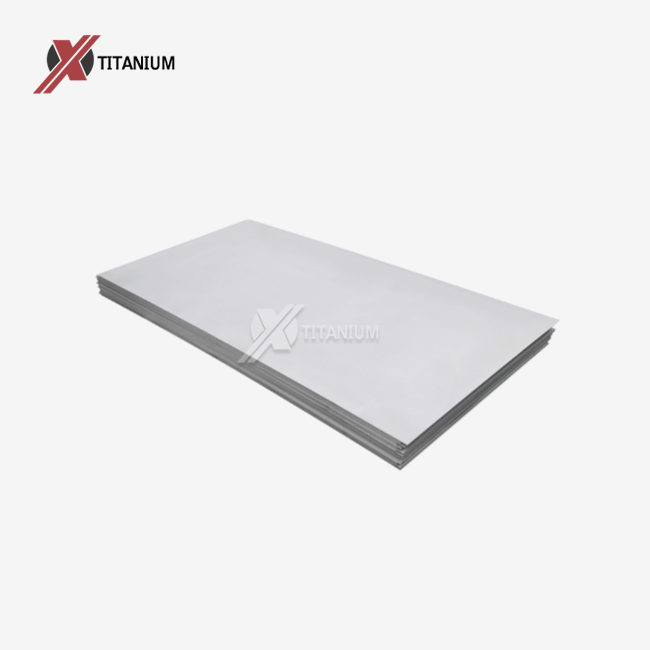
Understanding Titanium Plates: 6Al-4V Alloy vs Pure Titanium
To choose the right titanium material, you need to know how the makeup and structure of these two groups of materials are different. Both are very important in industry, but their different metallurgical profiles decide how well they work in different circumstances.
Chemical Composition and Alloy Classification
The 6al 4v titanium plate is made of an alpha-beta titanium metal that is listed as UNS R56400 or Grade 5 in ASTM B265 standards. Almost 90% of this material is titanium. Another 6% is aluminum, which stabilizes the alpha phase, and the remaining 4% is vanadium, which stabilizes the beta phase. This carefully balanced mixture makes a two-phase microstructure with great mechanical qualities and heat stability up to 400°C. The aluminum content lowers the density while raising the strength, and the vanadium content improves the flexibility at room temperature and keeps the material from becoming weak during processing.
Pure titanium comes in four grades, which are separated mostly by the amount of oxygen and iron in them, which affects how strong and flexible the titanium is. Grade 2, which is the most common type of widely pure titanium, has at least 99.2% titanium and managed interstitial elements. Unlike alloyed versions, pure titanium stays in a single-phase alpha structure across its entire operating temperature range. This means that the material will behave consistently in acidic conditions. Chemical processing companies often choose Grade 2 because it is very resistant to stress corrosion cracking caused by salt, a type of failure that limits the uses of stainless steel.
Manufacturing Techniques and Material Properties
To get the right thickness tolerances and mechanical traits, both types of material go through similar main processing steps, such as hot rolling, cold rolling, and annealing processes. Hot rolling at temperatures between 850°C and 950°C breaks down the structures of cast ingots. Later, cold rolling smooths out the grain structure and makes the surface finish better. Annealing heat processes remove leftover stresses and improve flexibility. Precise temperature control is needed to make sure that specifications are met.
There are different ways to prepare a surface depending on what it will be used for. Controlled atmosphere annealing gives surfaces a bright finish, and pickling or acid cleaning gets rid of oxide scale on hot-worked surfaces. Sandblasting makes flat, smooth surfaces that can be used for sealing with adhesives or coating with thermal spray. As part of quality control procedures, materials are hardness tested according to ASTM E18, flexibility tested by bending, and hydraulic pressure tested for use in pressure vessels. This makes sure the materials are complete before they are shipped.
There are big differences in these materials' mechanical properties that make them unsuitable for certain uses:
| Property | 6Al-4V (Grade 5) | Pure Titanium (Grade 2) |
|---|---|---|
| Tensile Strength | 900-930 MPa | 345 MPa |
| Yield Strength | 830-860 MPa | 275 MPa |
| Density | 4.51 g/cm³ | 4.51 g/cm³ |
| Elongation | 10-15% | 20-30% |
| Corrosion Resistance | Excellent | Superior |
This comparison data shows the main trade-off: adding alloys makes steel much stronger, but it also makes it less resistant to rust and less easy to shape than pure steel.
Performance Comparison: Strength, Corrosion Resistance, and More
Choosing the right materials depends on how well their performance qualities match the needs of the job. When engineering teams look at more than one property feature at the same time, they know that in order to optimize one trait, they often have to make concessions in others.
Strength and Structural Performance
The 6al 4v titanium plate is most often used in situations where strength-to-weight ratios need to be as high as possible. This material has a tensile strength of more than 900 MPa, which is similar to heat-treated alloy steels but only 56% as dense as steel. Engineers in the aerospace industry use this metal for parts of airplane bulkheads, landing gear, and engine casings where reducing weight directly affects fuel economy and payload capacity. The material's high wear strength—about 510 MPa at 10^7 cycles—makes it reliable in situations where loads are applied and removed over and over again, which would cause cracks to spread in weaker materials.
Grade 2 titanium has a tensile strength of 345 MPa, which is about average for pure titanium. While this amount of strength isn't good enough for structures that are under a lot of stress, it's good enough for systems like heat exchangers, pressure vessels, and pipes where corrosion protection is more important than load-bearing. The material's high stretch values (20–30%) make it easier to do cold forming operations like deep drawing and hydroforming that would break less flexible alloys.
Corrosion Resistance Across Industrial Environments
Strong resistance to rust is shown by both materials, but pure titanium has a slight edge in some harsh settings. A solid, protected layer of titanium dioxide forms on the surface on its own, which protects against corrosion. In oxidizing acids, chloride solutions, and seawater, pure titanium works very well. It has rust rates below 0.025 mm/year in settings with a lot of chloride, where stainless steels fail very badly.
It is very hard for the 6al 4v titanium plate to rust in most industrial settings, even in sea conditions, weak acids, and basic solutions. When compared to pure grades, the alloying elements cause a small amount of electrochemical heterogeneity, which could speed up localized breakdown in very reducing acid environments. Both materials are used in marine engineering, but pure titanium is better for parts of the ship that will be submerged in water all the time, and 6al 4v titanium plate is better for parts of the structure that need to be stronger.
Fabrication and Machinability Considerations
When working with these products, manufacturing teams face unique problems. 6al 4v titanium plate is stronger than pure titanium, so cutting tools wear out more quickly and need to be used at slower speeds. Because it has a thermal conductivity that is about 60% lower than steel, heat builds up at the cutting edges, which means that flood cooling systems and special tooling shapes are needed. For 6al 4v titanium plate welding, you need to use an inert gas shield and limited heat input to keep the metal from becoming too weak. For important uses, post-weld stress release is often required.
Pure titanium is more flexible, which makes shaping easier but makes work hardening harder during cutting more difficult. Because the material tends to stick to and gall on cutting tools, they need to be sharp and the right cutting fluids need to be used. Welding pure titanium is pretty easy; the joins are strong enough to be considered base metal without any post-weld heat treatment as long as the right protection keeps the air from contaminating the weld.
Application Suitability: Which Material Works Best Where?
Material choices in different industries are based on operating needs, government rules, and cost limitations. When procurement teams understand these application trends, they can choose the right materials and avoid costly mistakes like over-engineering or fails that happen too soon.
Aerospace and High-Performance Engineering
The aerospace sector uses about half of the world's 6al 4v titanium plate production. They use the alloy's high strength-to-weight ratio for things like aircraft structures, engine parts, and fastener systems. Commercial airplane makers use this material for parts that connect the wings, parts of the hydraulic system, and landing gear units where a broken part would be very bad. Following the rules set by AMS 4928 and AMS 4977 makes sure that materials can be tracked and that properties stay the same from one production lot to the next.
Military aerospace applications demand even tighter material specifications, with enhanced testing protocols verifying fracture toughness and fatigue crack growth resistance. Engine manufacturers utilize this alloy for compressor blades, casings, and rotors operating at temperatures up to 400°C, replacing heavier nickel-based superalloys in lower-temperature sections. The material's biocompatibility extends applications into space systems where outgassing characteristics and corrosion resistance in oxygen-rich atmospheres prove critical.
Medical Device and Implant Applications
For orthopedic implants, oral fixtures, and surgery tools, medical device makers use 6al 4v titanium plate that meets ASTM F136 (surgical implant grade). The material is biocompatible, doesn't corrode in body fluids, and is strong enough to support long-term insertion without causing bad tissue reactions. The alloy's resistance to wear lets hip and knee replacement devices last for decades, even after millions of loading cycles.
In medical equipment that value corrosion protection over mechanical strength, pure titanium is used. Grade 2 material is used for cardiovascular stents, pacemaker housings, and medical mesh goods because it can be shaped better and doesn't rust in salty environments. Because it has a lower amount of elasticity than stainless steel, it doesn't protect against stress as well in bone fixation uses. This helps bone grow better around implants.
Chemical Processing and Marine Industries
Chemical processing plants need pure titanium for heat exchangers, reactor vessels, and pipe systems that deal with acidic media. These include making chlorine, organic acids, and desalination. The material doesn't crack or corrode when exposed to chloride stress, so it can be used in places where stainless steels would break in months. When making complicated shapes like tube-to-tubesheet joints and expansion bellows, equipment makers like how easy it is to shape pure titanium.
Titanium alloys are being used more and more in offshore platforms and underwater tools. The type of material used depends on the function of the part. Riser tensioners and structural connections use 6al 4v titanium plate because it is strong and small, which lowers the cost of installation and component size. Pure titanium is used in cooling systems for seawater, pipes for ballast, and instrument housings where rust resistance makes the higher cost of the material worth it.
Cost, Procurement, and Supplier Considerations for B2B Buyers
In strategic buying, you have to weigh the costs of materials against how well they work over their entire life cycle, keeping in mind that the original purchase price is only one part of the total costs of ownership. Sophisticated buyers look at more than just price when deciding which seller to buy from. They also look at the supplier's quality processes and technical help.
The cost of materials for titanium plates changes depending on where in the world the raw materials are available, how hard they are to process, and the specifics of the order. The 6al 4v titanium plate alloy usually costs 15–25% more than widely pure grades. This is because it costs more to make and requires more complicated processes. On the market right now, mill quantities of Grade 2 pure titanium plate cost between $25 and $35 per kilogram, and similar 6al 4v titanium plate costs between $30 and $45 per kilogram, based on the thickness, width, and number. If you buy more than 1,000 kilograms, you can get a volume discount. Long-term supply deals keep prices stable for projects that last more than one year.
Lead times vary a lot depending on the specifics needed and the amount of material that is available. Standard thickness plates in typical sizes usually ship within 4 to 6 weeks from well-known makers who keep stock on hand. Delivery times can be extended to 10–14 weeks if you need specific sizes, finishes, or testing requirements. This means that you need to carefully plan your production to avoid project delays. Suppliers with integrated manufacturing capabilities, including melting, forging, and finishing operations, generally provide more reliable delivery performance compared to distributors dependent on third-party sources.
In controlled businesses, certification compliance and traceability are musts that can't be skipped. Suppliers must keep up quality control systems that are certified to ISO 9001:2015, and customers in the aircraft industry also need AS9100 approval. Each shipment comes with a material test record that lists the chemical make-up, mechanical qualities, and history of heat treatment. This makes it possible to fully trace back to the original melt batches. Third-party testing proof through independent laboratories gives people even more faith that the specifications are being followed.
When an application needs a non-standard setup, the ability to customize has a direct effect on the success of the project. Cutting to size, precise machining, and specialized surface treatments are some of the services that progressive providers offer. These services lower the costs and complexity of downstream processing and buying. Offering waterjet cutting, slicing, and CNC machining services along with material supply speeds up supply lines and keeps quality under control. Moisture barriers, edge protection, and crating are some of the custom packaging options that keep things safe during foreign shipping.
Making the Right Choice: Decision Criteria for Procurement Managers
Material selection that works well takes into account technical needs, budgetary limitations, and suppliers' abilities to make choices that support project goals while minimizing risk. Professionals in procurement use structured review systems to balance a lot of different objectives.
Technical Specification Alignment
The properties of the material must meet basic performance standards in all operating circumstances. For uses involving main load-bearing buildings, 6al 4v titanium plate's higher strength and resistance to stress are needed. Higher material costs are seen as investments in safety and dependability. When it comes to environments with strong corrosion processes, pure titanium's higher chemical protection is more important than its strength limits.
Temperature affects the choice of material. For example, pure titanium keeps its traits up to about 300°C, and 6al 4v titanium plate stays stable up to 400°C. Titanium's low thermal expansion rate makes it better for uses that involve thermal cycling because it reduces thermal stress compared to steels and aluminum alloys. Design experts figure out the amounts of stress, safety factors, and expected service life. They then choose material types that will provide enough performance gaps across the expected operational envelopes.
Economic Analysis and Total Cost of Ownership
Smart buying teams look at products' lifecycle costs instead of just their purchase price. Higher-strength materials allow for lighter designs, which lowers the cost of foundations, shipping, and energy use over the life of the equipment. Corrosion-resistant materials get rid of the need for coating upkeep, spare parts inventories, and unexpected downtime costs that come with using cheaper materials.
Estimates of how long equipment will last are used in economic studies. Titanium's long durability (decades) often justifies its higher price compared to carbon steel options that need to be replaced every 5–10 years. Total ownership costs include the cost of repairs, the frequency of inspections, and the availability of extra parts. Using the same tried-and-true materials for multiple projects cuts down on engineering costs, makes managing inventory easier, and builds institutional knowledge that gives the company long-term competitive benefits.
Supplier Qualification and Partnership Development
The technical skills and quality control methods of the provider determine how consistent the material quality is. Certifications like ISO 9001, AS9100 for aircraft uses, and appropriate medical device standards for implant-grade materials are checked by procurement teams. Auditing source sites makes sure that process controls, testing tools calibration, and training programs for employees are in place to ensure consistent quality output.
Chuanglian, which is in Baoji City, which is known as the "City of Titanium," is a great example of the high-quality production and technical skills needed for tough industrial uses. With ten years of experience in titanium goods, we can do all kinds of processes, from choosing the raw materials to carefully machining complicated parts. Strict quality control procedures check materials at every stage of production to make sure they meet specifications and keep their properties before they are shipped.
We have a wide range of tools, such as CNC machining centers, rolling mills, and heat treatment ovens, to meet the needs of all of our customers. Whether you need precision-machined parts, hot-rolled plate for structural parts, or cold-rolled sheet for shapeability, our combined skills offer full solutions that make the supply chain simpler. Customers in North America, Europe, and Asia-Pacific buy products that are made to meet ASTM B348, ASTM F136, AMS 4928, and AMS 4977 standards. These standards are used in aircraft, medical, chemical processing, and marine engineering.
One thing that sets transactional sellers apart from strategic partners is their technical help. Our engineering team helps customers succeed by giving them tips on choosing the right materials, handling them, and using them in the right way. When people ask about forming operations, welding processes, or corrosion protection in certain settings, they get detailed answers based on test results and real-world experience. This consultative method helps customers get the best material specs, which keeps them from having to pay for unnecessary engineering and makes sure they get enough performance margins.
Conclusion
The choice of material between pure titanium and the 6al 4v titanium plate relies on the needs of the product, taking into account factors like strength, resistance to corrosion, shapeability, and cost. The 6al 4v titanium plate works really well in aircraft, medical implants, and high-performance engineering tasks that need to be strong but also need to save weight and prevent fatigue. Pure titanium is mostly used in chemical processing, naval, and heat exchanger uses where resistance to corrosion is more important than structural needs. To do good procurement, you need to use structured models to look at technical requirements, lifecycle costs, and supplier skills. This will help you make smart choices. Managing supply chain risks and ensuring project success are both easier when you work with experienced makers who offer certified products, technical know-how, and reliable delivery.
FAQ
Is it possible to use 6Al-4V titanium plates for medical pieces?
6al 4v titanium plate that meets the requirements of ASTM F136 is the main material used for orthopedic and oral implants around the world. This type of surgical implant goes through more strict processing controls and more thorough testing procedures to make sure it is biocompatible, resistant to fatigue, and free of any harmful interstitial elements. Many millions of successful implants have shown that the material is safe and works well in hip replacements, knee prostheses, and spine fixation devices over many years.
How does rust protection measure up in salt water?
Both materials are very resistant to rust in seawater, but pure titanium is slightly better for uses that will be submerged in water for a long time. The rate of corrosion for pure titanium in seawater is less than 0.005 mm/year, so it can't be damaged by pitting or crevice corrosion. 6al 4v titanium plate also works very well and doesn't rust, with corrosion rates of only 0.010 mm/year. This makes it a good choice for naval structural uses that need high strength. In chloride-rich saltwater settings, both materials work much better than stainless steels and nickel-copper alloys.
How long do most orders for a lot of titanium plates take to get?
Standard sizes and widths usually ship within 4 to 6 weeks from when makers keep stock on hand. Delivery times can be extended to 10 to 14 weeks if you need custom sizes, surface finishes, or more thorough testing. This depends on the production queue and the mill's plan. Setting up long-term supply deals with qualified makers gives you faster access to production and more reliable delivery performance for ongoing project needs.
Source Premium 6Al 4v Titanium Plate from Chuanglian
Chuanglian's wide range of manufacturing skills and focus on quality make it a good choice for procurement workers looking for a trusted 6al 4v titanium plate source. Our production facilities are ISO 9001:2015 approved and make certified titanium plates that meet ASTM, AMS, and foreign standards. The plates come with full testing and material tracking paperwork. Customization services include precise cutting, surface treatment, and custom packing that meets the needs of global transportation. We know how important it is for your business that deliveries are reliable and that specifications are followed.
To talk about your unique needs, please email our expert team at info@cltifastener.com or djy6580@aliyun.com. Our technical knowledge helps you choose the best materials for your project, whether it needs a high-strength aerospace-grade metal or pure titanium that doesn't rust. Chuanglian is your smart partner for buying titanium because they offer competitive prices, can accommodate different order sizes, and provide quick customer service.
References
1. Boyer, R., Welsch, G., & Collings, E.W. (1994). Materials Properties Handbook: Titanium Alloys. ASM International, Materials Park, Ohio.
2. Donachie, M.J. (2000). Titanium: A Technical Guide, 2nd Edition. ASM International, Materials Park, Ohio.
3. Lutjering, G. & Williams, J.C. (2007). Titanium: Engineering Materials and Processes, 2nd Edition. Springer-Verlag, Berlin.
4. Schutz, R.W. & Watkins, H.B. (1998). Recent developments in titanium alloy application in the energy industry. Materials Science and Engineering A, 243(1-2), 305-315.
5. ASTM International (2023). ASTM B265-20a: Standard Specification for Titanium and Titanium Alloy Strip, Sheet, and Plate. West Conshohocken, Pennsylvania.
6. Peters, M., Kumpfert, J., Ward, C.H., & Leyens, C. (2003). Titanium alloys for aerospace applications. Advanced Engineering Materials, 5(6), 419-427.
Learn about our latest products and discounts through SMS or email