Medical device companies are buying more nickel titanium memory wire from China because the country has advanced manufacturing skills, low prices, and high standards for quality control. A world leader in making medical-grade nitinol materials that meet strict international standards like FDA and ISO 13485 requirements, China has come into being. Chinese suppliers are very appealing to companies that need high-performance shape memory alloys for their medical devices because they have a lot of technological know-how, strong supply chains, and low-cost production. Using this strategic approach to sourcing lets companies that make medical devices get better materials at reasonable prices and on time for their important projects.
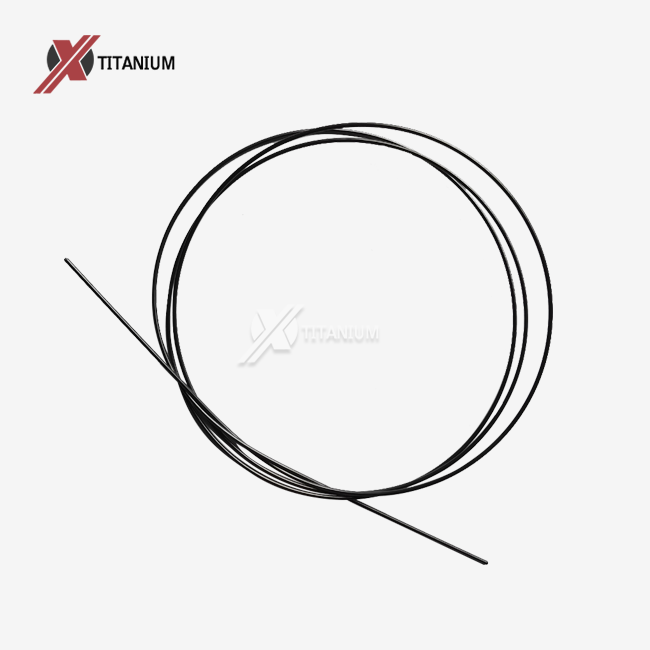
How Nickel Titanium Memory Wire Is Used in Medical Settings?
Shape memory alloys are a huge step forward in medical device technology, and nitinol is at the forefront of this innovation. Nickel titanium memory wire has special superelastic properties that let it return to its original shape after being deformed. This makes it very useful for minimally invasive surgeries and implantable devices.
In many medical settings, nitinol is better at being biocompatible than traditional materials like stainless steel. Medical professionals use these high-tech materials to make stents, guidewires, orthodontic archwires, and other surgical tools. Because the wire can stay flexible while still applying consistent force, it is perfect for cardiovascular interventions that require precise control and patient safety.
Temperature-activated transformation properties make it possible to make new devices that respond to body heat. This makes it possible to use mechanisms for deployment that weren't possible with regular materials before. Nitinol-based medical devices have better outcomes for patients and lower complications rates compared to traditional options, which is why they are becoming more popular in many medical specialties.
Dominance in Nitinol Manufacturing Excellence in China
China has become one of the best places to get medical-grade nitinol by putting a lot of money into advanced metalworking and precise manufacturing technologies. The country has developed full production capabilities that include processing raw materials to making finished medical parts. This makes sure that quality is maintained throughout the supply chain.
The level of accuracy with which Chinese manufacturers control the important temperature changes needed for medical uses is truly impressive. This level of technical skill makes it possible to make nitinol materials that meet the exact requirements of different medical devices. The complex melting, hot working, and cold drawing processes used in the manufacturing infrastructure keep the delicate balance of nickel and titanium compositions.
Leading Chinese suppliers often go above and beyond international standards when it comes to quality management systems. These systems include strict testing protocols and traceability measures. These places keep cleanrooms and use high-tech analytical tools to check the properties of materials, making sure that every batch meets the exact needs of medical device applications. Medical device companies around the world look to Chinese suppliers as reliable partners because they are dedicated to doing a great job.
Advantages in terms of cost and manufacturing efficiency
There are economic benefits to buying from China that go beyond just comparing prices. These include lower total costs of ownership. Chinese companies offer low prices without lowering quality standards by using economies of scale and improving the way they make things.
Chinese suppliers have been able to cut lead times while keeping the quality of their nickel titanium memory wires consistent by making factories more efficient. When medical device companies buy from China, they get the following main economic benefits:
- Lowered Material Costs: Medical device companies can better use their resources on their development programs when they have competitive pricing structures, and they can still make a profit.
- Scalable Production Capacity: Chinese factories can handle both small batches of prototypes and large commercial production runs, and they can do this by making flexible schedules.
- Integrated Supply Chains: Full manufacturing ecosystems lower transportation costs and make buying things easier by using single-source solutions.
- Technical Support Services: Help with engineering and application development that adds value to the overall procurement value proposition
Because of these economic benefits, companies that make medical devices can put more money into research and development and still have easy access to high-quality materials. Because of the lower costs that come with buying from China, medical devices are often more affordable for both patients and healthcare providers.
Quality Standards and Following the Law
Chinese companies that make nitinol have set up full quality management systems that are in line with international rules for medical devices. These places keep their ISO 13485 and ISO 9001 certifications up to date and follow FDA rules for medical device materials.
Tough testing procedures make sure that important material properties are checked, such as transformation temperatures, mechanical properties, and biocompatibility parameters. Differential scanning calorimetry, tensile testing, fatigue analysis, and corrosion resistance evaluation are some of the advanced analytical tools that can be used. Documentation systems make it possible to track everything from raw materials to finished goods, which is useful for regulatory submissions and quality audits.
Good Manufacturing Practices make sure that production conditions are always the same and that contamination is kept to a minimum. To keep up with the changing needs of global medical device markets, Chinese suppliers have put a lot of money into training programs and good infrastructure. These quality systems are regularly checked by customers and third parties, which gives international buyers more confidence.
Manufacturing processes and quality control measures are always getting better thanks to programs for continuous improvement. Because of this dedication to quality, defect rates often go above and beyond industry standards. This helps to build the trustworthiness of nitinol materials made in China.
Capabilities for technological innovation and research
China's spending on materials science research has led to big improvements in the ways that nitinol is processed. Manufacturers and research institutions work together to create better alloy compositions and processing methods that improve the performance characteristics of materials.
The main goals of innovation are to find the best transformation temperature ranges, make materials more resistant to fatigue, and come up with special surface treatments that make them more biocompatible. These technological advances make it possible for medical devices to be used in new ways and for existing products to work better. Chinese manufacturers are very involved in international programs that work together on research and share technology.
Chinese suppliers have been able to make nitinol materials with better properties for certain medical uses by coming up with their own processing methods. Advanced heat treatment protocols and precise forming techniques help make materials more consistent and reliable. Because of their technical know-how, Chinese manufacturers are now seen as partners in innovation rather than just suppliers of materials.
Conclusion
China is a top supplier of nickel titanium memory wire for medical uses. This shows how advanced their technology is, how well they make things, and how committed they are to quality standards. Medical device makers can get high-performance materials at reasonable prices, and the materials still meet the strict standards for dependability and consistency needed for important medical uses. Chinese suppliers are valuable partners for companies making new medical devices because they have strong quality systems, a lot of technical know-how, and the ability to handle the whole supply chain. As the medical device industry changes, strategic partnerships with qualified Chinese manufacturers help companies make new products and stay competitive in the market.
Frequently Asked Questions
Q1: What certifications should I look for when sourcing medical-grade nitinol from China?
A: Essential certifications include ISO 13485 for medical device quality management, ISO 9001 for general quality systems, and FDA compliance documentation. Reputable suppliers also maintain ASTM and other international material standards certifications. These certifications ensure the materials meet stringent medical device requirements and support regulatory approvals.
Q2: How does the quality of Chinese nitinol compare to materials from other countries?
A: Leading Chinese manufacturers produce nitinol materials that meet or exceed international quality standards. Advanced manufacturing technologies and rigorous quality control systems ensure consistent material properties and performance. Many global medical device companies successfully use Chinese-sourced nitinol in critical applications with excellent results.
Q3: What are typical lead times for custom nitinol wire orders from Chinese suppliers?
A: Standard lead times range from 4 to 8 weeks depending on specification complexity and order quantity. Custom specifications may require additional development time. Experienced suppliers like Chuanglian maintain inventory of common specifications to reduce delivery times for urgent requirements while accommodating both prototype and production volumes.
Join forces with Chuanglian to get high-quality nickel titanium memory wire solutions
Baoji Chuanglian New Metal Material Co., Ltd is a reliable company that has been making nickel titanium memory wire for more than ten years. They have a lot of experience with titanium and rare metal products. Our company serves the medical device industry around the world by combining advanced manufacturing skills with thorough quality control systems. It is located in Baoji City, which is known as the "City of Titanium."
Precision-engineered nitinol wire in a range of diameters and specifications made for medical uses is one of our many products. We stick very closely to international quality standards and offer reasonable prices and dependable delivery times. Our technical team helps with every step of the procurement process, from coming up with the first specifications to delivering the finished product.
Medical device makers all over the world depend on our ability to consistently make high-quality materials that meet the strict needs of modern healthcare applications. Because we are dedicated to new ideas and happy customers, we have long-term partnerships with top companies in many different fields. Get in touch with us at info@cltifastener.com and djy6580@aliyun.com to find out how our nickel titanium memory wire solutions can help your medical device projects.
References
1. Morgan, N.B. (2004). Medical shape memory alloy applications - the market and its products. Materials Science and Engineering: A, 378(1-2), 16-23.
2. Duerig, T., Pelton, A., & Stöckel, D. (1999). An overview of nitinol medical applications. Materials Science and Engineering: A, 273-275, 149-160.
3. Mohd Jani, J., Leary, M., Subic, A., & Gibson, M.A. (2014). A review of shape memory alloy research, applications and opportunities. Materials & Design, 56, 1078-1113.
4. Petrini, L., & Migliavacca, F. (2011). Biomedical applications of shape memory alloys. Journal of Metallurgy, 2011, Article ID 501483.
5. Ryhänen, J. (1999). Biocompatibility evaluation of nickel-titanium shape memory metal alloy. Oulu University Library, Academic Dissertation.
6. Thompson, S.A. (2000). An overview of nickel-titanium alloys used in dentistry. International Endodontic Journal, 33(4), 297-310.