- English
- French
- German
- Portuguese
- Spanish
- Russian
- Japanese
- Korean
- Arabic
- Greek
- German
- Turkish
- Italian
- Danish
- Romanian
- Indonesian
- Czech
- Afrikaans
- Swedish
- Polish
- Basque
- Catalan
- Esperanto
- Hindi
- Lao
- Albanian
- Amharic
- Armenian
- Azerbaijani
- Belarusian
- Bengali
- Bosnian
- Bulgarian
- Cebuano
- Chichewa
- Corsican
- Croatian
- Dutch
- Estonian
- Filipino
- Finnish
- Frisian
- Galician
- Georgian
- Gujarati
- Haitian
- Hausa
- Hawaiian
- Hebrew
- Hmong
- Hungarian
- Icelandic
- Igbo
- Javanese
- Kannada
- Kazakh
- Khmer
- Kurdish
- Kyrgyz
- Latin
- Latvian
- Lithuanian
- Luxembou..
- Macedonian
- Malagasy
- Malay
- Malayalam
- Maltese
- Maori
- Marathi
- Mongolian
- Burmese
- Nepali
- Norwegian
- Pashto
- Persian
- Punjabi
- Serbian
- Sesotho
- Sinhala
- Slovak
- Slovenian
- Somali
- Samoan
- Scots Gaelic
- Shona
- Sindhi
- Sundanese
- Swahili
- Tajik
- Tamil
- Telugu
- Thai
- Ukrainian
- Urdu
- Uzbek
- Vietnamese
- Welsh
- Xhosa
- Yiddish
- Yoruba
- Zulu
Are titanium bicycle bolts worth the upgrade?
When evaluating whether titanium bicycle bolts justify their premium cost, the answer depends on your performance priorities and operational environment. Cycling titanium bicycle parts, particularly fasteners, deliver measurable advantages in weight reduction, corrosion immunity, and fatigue resistance that traditional steel or aluminum hardware cannot match.
Titanium alloy bolts—typically manufactured from Grade 5 (Ti-6Al-4V) or Grade 9 (Ti-3Al-2.5V)—provide tensile strengths between 600-900 MPa while maintaining a density of just 4.51 g/cm³, roughly 45% lighter than steel. This strength-to-weight ratio translates into real-world benefits: reduced rotational mass, enhanced responsiveness, and virtually unlimited fatigue life under normal cycling loads, making them a strategic investment rather than a mere aesthetic upgrade.
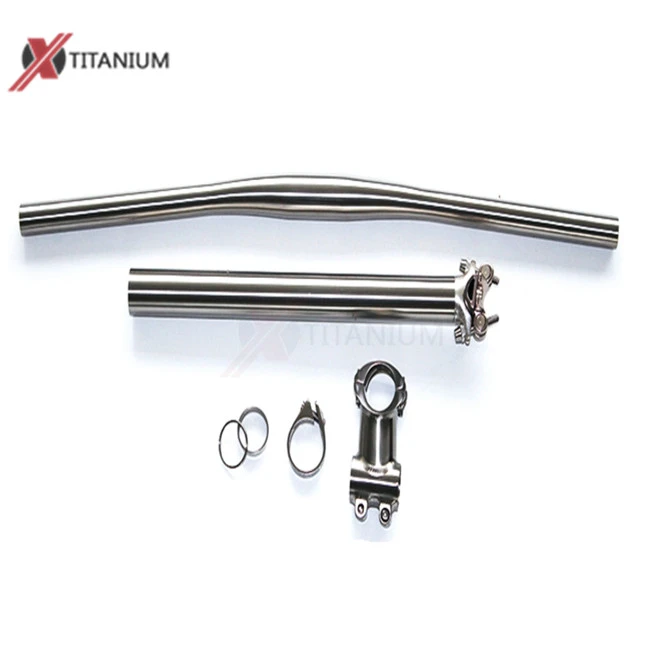
Understanding the Value of Titanium Bicycle Bolts
Technical Superiority Backed by Material Science
Titanium screws are the best because of the way metal works in general. Titanium makes a thin, self-healing titanium dioxide (TiO2) layer when it comes into contact with air, while steel rusts when it comes into contact with water and salt. If this passive film gets scratched, it heals itself, protecting against atmospheric and galvanic rust for good without the need for paint or covering. Riders who train near the coast or in the winter on roads treated with magnesium chloride like how long-lasting this is because titanium hardware doesn't seize up or lose its threads over time like stainless steel hardware does.
The modulus of elasticity for titanium metals is much smaller than that for steel, which is 200 GPa. This feature gives the bike natural flexibility and sound damping, which blocks out road chatter and keeps riders from getting tired on long rides or when navigating rough terrain. This may not seem like a big deal for individual bolts, but when you add up the effects of all the stem bolts, seatpost clamps, bottle cage mounts, and brake caliper gear, it makes for a unique "ride quality" that endurance riders and bikepacking fans love.
Economic Justification Through Lifecycle Costing
Many times, purchasing managers are hesitant to buy titanium bolts because they are so much more expensive than steel bolts. Total cost of ownership estimates, on the other hand, show a different economic picture. Titanium fasteners don't need to be replaced because the threads break down due to corrosion. They also don't need to be inspected for corrosion on a regular basis, and they don't cause galvanic reactions that damage carbon or aluminum parts nearby. A fleet operator who takes care of rental bikes in damp places or a frame builder who buys parts for custom builds sees a return on investment (ROI) in 18 to 24 months thru lower service costs and happier customers.
Standards for manufacturing, like ASTM B348 for titanium bar stock and ISO 4210 for checking bicycle parts, make sure that the dimensions are always the same and that the parts work well. Certified sellers of CNC machined titanium bolts show consistent thread pitch, head geometry, and surface finish from batch to batch. These are important factors when torque standards need to be met exactly to avoid damaging carbon fiber components or creating stress concentrations.
Titanium vs Alternative Bolt Materials: A Comparative Analysis
Performance Metrics Across Common Fastener Materials
When you compare titanium to steel, aluminum, and some special metals, you can see that each has its own pros and cons. Standard stainless steel (304 or 316 types) is strong enough and doesn't cost too much, but it's heavier (about 7.8 g/cm³ density) and the threads get galled over time when used with stainless nuts. High-strength chromoly steel has a high tensile strength, but it can still rust if it doesn't have protection layers applied, which are heavy and break down over time.
Cycling titanium bicycle parts offer a compelling alternative, as they combine titanium's excellent strength-to-weight ratio with superior corrosion resistance, making them ideal for high-performance frames and components where durability and reduced mass are critical, though they come at a higher cost than steel or aluminum options.
At 2.8 g/cm³ density, aluminum alloy bolts (usually 7075-T6) save about the same amount of weight as titanium, but they come with some important drawbacks. Aluminum has a clear wear life limit; repeated stress cycles finally cause tiny cracks to spread, which leads to sudden failure. Because of this, aluminum isn't good for high-load uses like stem face plates or brake fixing points. Titanium, on the other hand, is the only metal that can handle these loads without ever wearing out. Aluminum also rusts in alkaline settings or makes galvanic cells with carbon fiber, so it needs to be kept away from other things carefully.
Material Selection Decision Framework
Procurement professionals should match the criticality of an application to the bolt material. Titanium's higher price is worth it in these situations:
High-Stress Structural Mounting: Stem bolts, seatpost clamps, and derailleur hangers are all examples of places where failure would have very bad results and where resistance to fatigue is very important. Grade 5 titanium has yield strengths higher than 880 MPa and is still flexible enough not to break easily.
Corrosion-Prone Environments: Coastal training routes, winter commutes, or bikepacking trips where gear is constantly exposed to salt spray or water are examples of environments that are likely to rust. The self-passivating oxide layer gets rid of the need for regular upkeep on steel screws.
Weight-Critical Racing Applications: In competitive road cycling, track racing, or XC mountain biking, every gram changes how quickly and efficiently you can climb. A full titanium bolt kit can save between 80 and 120 grams compared to stainless steel equivalents. This is a small difference on its own, but it adds up to a big difference over time.
Thinking about carbon fiber frames in a certain way is important. The epoxy matrix of the material can be broken by steel fasteners that are too tight or by galvanic corrosion from aluminum hardware. Titanium is the best fastener choice for high-end carbon framesets because it is similar to carbon electrically and has a middle hardness. This protects maker guarantees and structural integrity.
Procurement Considerations for Titanium Bicycle Bolts
Supplier Qualification and Quality Assurance
Finding titanium screws requires more than just comparing prices. Suppliers must be carefully evaluated. Reliable companies keep certifications like ISO 9001 for quality management systems and, if possible, AS9100 for aircraft uses, which shows that their process controls are good for making important fasteners. Each batch should come with a material certification that lists the alloy's makeup (using spectroscopy) and its mechanical qualities (using tensile tests).
Visual weld oxidation inspection is more useful for frame tubes, but it can also be used for titanium fasteners that are going thru secondary operations. Any blue, purple, or white discoloration means oxygen got into the material during heat treatment, which made it less flexible and could lead to brittle failure. After being made, the surfaces of high-quality CNC machined bolts are always a consistent silver-gray color. You can choose to anodize them in colors like gold, blue, green, purple, black, or rainbow by controlling the growth of oxide layers.
Customization Capabilities and Order Flexibility
When suppliers give customizations that go beyond ISO or DIN standards, it's good for OEM partnerships and unique projects. "City of Titanium" Baoji, China, is home to companies like Chuanglian that can make custom bolt lengths, head types (button, countersunk, low-profile), and thread pitches (metric or imperial). Cycling titanium bicycle parts similarly benefit from such tailored manufacturing, as these components often require precise dimensions and specialized surface treatments to meet the demands of lightweight performance and long-term reliability. In addition to anodizing, other surface processes include nitriding to make the surface harder or polishing to make tools look nice.
Different suppliers have very different minimum order amounts. Small frame builders and prototype developers need to be able to get titanium fasteners in as few as 50 to 100 pieces. Production bike manufacturers, on the other hand, negotiate bulk contracts for thousands of units at different prices. Lead times for custom specifications are usually between 4 and 6 weeks. This includes getting the materials, setting up the machine, inspecting the quality, and shipping them across international borders. Procurement managers should keep these timelines in mind when making plans for production.
Maintenance and Longevity: Practical Tips for Titanium Bicycle Bolts
Installation Best Practices to Prevent Galling
"Cold welding" or galling is a well-known problem with titanium. This is when titanium threads bond to titanium nuts or plugs when they are torqued. When friction breaks thru the oxide layer, it leaves bare metal surfaces that can molecularly bond when pressure is applied. To avoid problems, you must carefully follow the directions for applying anti-seize product.
Before every installation, use an anti-seize lubricant with copper or nickel in it on the threads and contact surfaces. Molybdenum disulfide products should be avoided because they can speed up rusting in some situations. Titanium bolts usually have lower torque requirements than steel bolts of the same size because they have lower friction coefficients when they are properly oiled. Digital torque tools that are accurate to within ±2% make sure that the right preload is used without going over the yield strength.
Routine Inspection and Environmental Protection
The fact that titanium doesn't rust means that maintenance needs to be done less often, but inspections still need to be done. Every six months, checks should be done to:
- Check the thread for signs of galling or damage from cross-threading.
- Check the engagement surfaces of the heads for burrs that could make torque distribution worse.
- Changes in color show that the brake calipers or bottom bracket areas are getting hot.
- Proper fitting with no gaps that could mean parts are moving
Simple steps are needed to clean titanium gear. Mild soap and water get rid of dirt and grime from the road, and Scotch-Brite pads smooth out light cuts on raw titanium surfaces to bring back the brushed look. Anodized finishes need to be handled with more care. Microfiber cloths and pH-neutral cleaners will keep the color saturation. Cycling titanium bicycle parts benefit from the same gentle approach, especially around pivot joints and threaded areas where grime can hide. Scratched titanium doesn't cause corrosion to spread like painted steel does, so damage for looks purposes doesn't matter.
When and Why to Upgrade to Titanium Bicycle Bolts: A Decision Support Framework
Application-Specific Investment Analysis
Titanium fastener upgrades have instant benefits in racing sports that focus on speed and climbing efficiency. Competitive road runners who want to stay within the UCI-legal minimum weight of 6.8 kg can use the extra grams they save to buy aerodynamic wheels or automatic shifting. Criterion racers like how resistant it is to crashes—titanium bolts can handle hits that bend aluminum hardware, which means repairs can be done faster at the track.
The best use case is for endurance and ultra-distance cycling. Bikes are constantly vibrating, the temperature can change a lot, and there aren't many chances to fix them during events like the Tour Divide or transcontinental randonneuring. Titanium screws keep rusted seatpost clamps and stem bolts from breaking during a ride. This level of reliability is more important than cost when a mechanical failure 200 miles from help can end an event.
Strategic Sourcing for Long-Term Value
Professionals in charge of purchasing should judge suppliers based on both the quality of their products and their ability to provide technical support. Manufacturers that offer engineering consulting can help you choose the best bolt grades, head styles, and lengths for your frameset. This is especially helpful when you're making new models or changing old ones to fit disk brakes or internal wire lines.
Stability in the supply line is very important in today's manufacturing world. Titanium raw materials are mostly found in certain areas of the world. For example, about 60% of the world's industrial titanium sponge is made in the Baoji area of China. Building partnerships with vertically integrated providers that manage their titanium alloy supply chains lowers the risks of disruptions and price changes that spot-market buyers face.
Quality system approvals that go beyond ISO 9001, like NADCAP for aircraft fasteners or ISO 13485 for medical-grade titanium, show that the process is mature enough to be used for bicycle parts. Suppliers who work with a lot of high-reliability industries have good manufacturing practices that lead to cycling hardware with consistent mechanical properties and size tolerances.
Conclusion
Titanium bicycle bolts are a smart upgrade that gives you real benefits in speed, longevity, and care that make the higher price worth it for certain uses. The material has an unbeatable mix of low density, high strength, resistance to corrosion, and resistance to fatigue. This makes it perfect for use in competitive racing, endurance cycling, and harsh environments.
Cycling titanium bicycle parts share these same advantages, and even though titanium costs a lot more than steel or aluminum at first, it is cheaper in the long run because it doesn't need to be replaced as often, requires less maintenance work, and protects nearby carbon fiber or aluminum parts from galvanic damage. When making purchases, people should think about how important the application is, the working environment, and the total cost of ownership, not just the unit price. This is because titanium screws are investments in performance and reliability, not just purchases of goods.
FAQ
What makes Grade 5 titanium different from Grade 9 in bicycle bolts?
Grade 5 (Ti-6Al-4V) has 6% aluminum and 4% vanadium, which gives it more strength (about 900 MPa tensile). This makes it perfect for CNC machined bolts that will be under a lot of stress, like those on stem face plates. Grade 9 (Ti-3Al-2.5V) has a slightly lower strength of about 620 MPa but is more flexible, making it the best choice for uses that need some give. Because Grade 5 is so hard, it can't be shaped into tubes, but it's great for making accurate fasteners.
Do titanium bolts require special tools for installation?
Standard hex keys or Torx drivers will work, but it's important to get good tools because cheap ones made of soft metal may round off titanium bolt heads more easily than steel ones. Calibrated torque tools are necessary, not extra, because titanium's strength lets it clamp down with lower torque values, and carbon parts can be damaged by over-tightening.
How does titanium hardware pricing compare across suppliers?
Quality-approved titanium bolt kits for full bike sets cost between $80 and $200, based on the number of pieces and how they are customized. Specialty bolts, such as Ti bottom bracket bolts, cost between $15 and $35 per pair. When you buy in bulk thru OEM channels, unit costs drop by 30 to 40 percent. Depending on the complexity of the color, custom anodizing adds 50 to 200 cents to each piece.
Can titanium bolts be safely mixed with other materials?
When anti-seize substance is used, titanium can be safely paired with carbon fiber, aluminum, and most metals. Titanium-to-titanium threaded surfaces that aren't oiled should be avoided because they can hurt. Aluminum nuts should not be used on titanium bolts because they corrode more quickly in galvanic couples. Stainless steel nuts work well on titanium bolts.
Partner with a Trusted Cycling Titanium Bicycle Parts Supplier
Chuanglian is an expert at making precision-engineered titanium parts and bolts that are used in high-performance bicycles. We are based in Baoji, which is the center of China's titanium production industry. With more than ten years of experience in metalworking and advanced CNC machining, we can provide custom solutions that meet the exacting needs of OEM manufacturers and racing teams.
Our strict quality control procedures make sure that every bolt meets the ASTM B348 standards for material quality and size limits that are necessary for current carbon framesets and electronic drivetrains. Our engineering team is here to help you with the whole design process, whether you need standard ISO metric bolts, custom anodized finishes in rainbow, gold, or black, or special low-profile fasteners for aerodynamic uses.
We keep up-to-date certifications like ISO 9001 and strong material traceability systems that meet the paperwork needs of aircraft companies. Procurement managers like that our minimum order quantities are flexible enough to accommodate everything from prototype development to full production runs. They also like that our prices are clear and that we have reliable logistics partners that make sure our products get to markets in North America and Europe on time.
Get in touch with our technical sales team at info@cltifastener.com or djy6580@aliyun.com to talk about your project needs and get material certifications that show how committed we are to making the best cycling titanium bicycle parts.
References
1. Titanium: A Technical Guide (2nd Edition), by Matthew J. Donachie, ASM International, 2000.
2. Bicycle Design: An Illustrated History, by Tony Hadland and Hans-Erhard Lessing, MIT Press, 2014.
3. Materials Selection in Mechanical Design (4th Edition), by Michael F. Ashby, Butterworth-Heinemann, 2010.
4. Fatigue of Materials (2nd Edition), by S. Suresh, Cambridge University Press, 1998.
5. High-Performance Bicycle Components: Titanium in Racing Applications, Journal of Materials Engineering and Performance, Vol. 28, 2019.
6. Corrosion Resistance of Titanium Alloys in Marine and Industrial Environments, ASTM International Standards Worldwide, 2021.
Learn about our latest products and discounts through SMS or email