When you need to keep things together for crucial jobs, the choice between titanium self-tapping screws and steel screws may make a major difference in how smoothly the project goes. Titanium self tapping screws are superior for usage in aerospace, marine, and medical settings since they are stronger for their weight and last longer. For most construction jobs, steel screws are still a viable option. Titanium fasteners are the best choice if you want something sturdy that doesn't require a lot of attention. The ultimate option will rely on the application's demands, the environment, and the long-term cost.
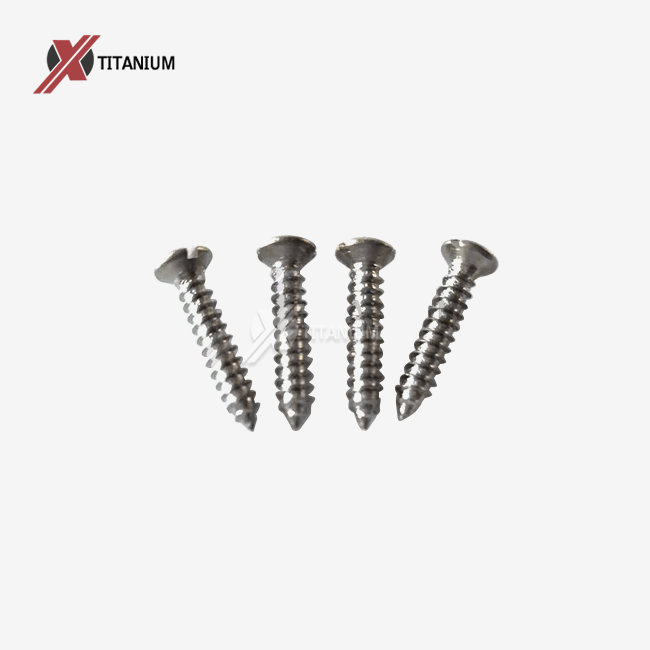
Comprehending Titanium and Steel Self Tapping Screws
What Are Titanium Self Tapping Screws?
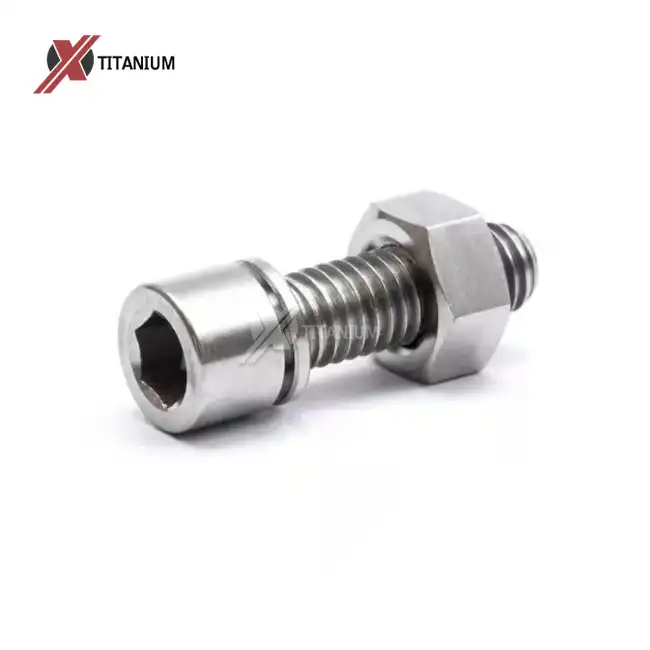
Titanium self tapping screws are a new way to hold things together that is made only of titanium or titanium alloys. These particular fasteners are robust, biocompatible, and resistant to corrosion, much like titanium. They also have the added advantage of being able to tap themselves. The quality of the parts that went into making something is a big part of how well it works. Grade 2 titanium is a great material for chemical processing and marine applications because it doesn't rust easily and is strong enough.
What Are Steel Self Tapping Screws?
There are many various types of steel self-tapping screws, and each one is created for a certain task or environment. When dealing with wood and making things, carbon steel screws are a cheap and reliable option. Most of the time, these screws and bolts have a coating on them, such zinc plating, to protect them from rusting.
You may use stainless steel outdoors and in situations where rust isn't a serious concern since it doesn't rust as easily as carbon steel. But titanium fasteners are better than even the highest grades of stainless steel at not rusting when they come into contact with corrosive chemicals or seawater.
How Do Titanium and Steel Self Tapping Screws Work?
The self-tapping mechanism lets you create solid connections without needing to drill pilot holes beforehand. It achieves this by employing threads that are exactly the right amount of hard and have been meticulously produced. It's simple to thread titanium, and it remains strong even when it's under a lot of stress. This is because titanium has a unique combination of mechanical characteristics.
Some elements that impact performance include the pitch of the thread, the geometry of the cutting edge, and how hard the material is. Because titanium is simple to work with, you can cut threads neatly and sharply. This makes it simpler to install since it needs less torque to stay in place. The material doesn't gall or seize, so it's simple to put on and take off when you need to.
Comparing Titanium and Steel Self Tapping Screws: Performance and Benefits
Strength and Durability Comparison
When procurement experts understand how these materials perform mechanically, they can make good decisions. Here are some reasons why titanium fasteners are stronger than steel fasteners:
- Tensile Strength: Grade 5 titanium can withstand more than 900 MPa of tension, which is about the same as high-strength steel but significantly lighte
- Fatigue Resistance: Titanium can handle stress better than other metals, particularly when it is utilized in settings where it is loaded and unloaded repeatedly, such in the aerospace and automotive sectors
- Temperature Performance: Titanium's mechanical qualities don't change much throughout a broad range of temperatures, from very low to extremely high
They endure longer and are more dependable because they are stronger. This is especially crucial in circumstances when a fastener's failure might have disastrous effects or cost a lot of money due of downtime.
Corrosion Resistance and Magnetic Properties
When titanium touches oxygen, it creates a persistent oxide coating that keeps it from rusting. This passive barrier keeps seawater, most acids, and powerful chemicals from getting to steel fasteners, which would tear them down extremely rapidly if they did.
Another important difference is how they respond to magnets. Titanium fasteners are highly useful for fragile electronics, medical equipment, and MRI systems since they don't cling to magnets. Steel screws, on the other hand, may be magnetic, which can mess with precision tools or generate electromagnetic interactions that aren't intended.
Weight and Handling Advantages
Titanium is much lighter than steel because it has a density of about 4.5 g/cm³ compared to steel's 7.8 g/cm³. This means it can be used without losing strength. This weight loss, which can be seen in parts like titanium self tapping screws, helps many uses by lowering structural loads, making transportation more fuel-efficient, and making installation easier.
Weight is not the only benefit of installation. It's easier to install titanium because it doesn't get harder when you work with it, and the torque requirements stay the same the whole time you're fastening it.
Suitable Applications for Each Material
The right material depends a lot on what the application needs and what the environment is like. Titanium fasteners are great for marine settings, chemical processing equipment, aerospace structures, and medical devices where biocompatibility is important. Steel screws are still good for framing wood, building things in general, and when cost is more important than performance.
Procurement and Cost Considerations for Titanium vs Steel Screws
Price Comparison and Value Analysis
When you first look at the prices, you can see that titanium fasteners are more expensive because the raw materials are more expensive and they need to be made in a certain way. But a full value analysis needs to look at costs over the life of the product, such as how much maintenance costs, how often things need to be replaced, and what could happen if things break.
Because titanium lasts so long, it's frequently worth the additional money up front because it doesn't require as much maintenance and lasts longer between treatments. It saves money since steel fasteners don't need to be changed as frequently in regions where they rust because titanium is so robust.
Availability and Supplier Landscape
Some companies that offer titanium fasteners all around the globe are better at what they do than others. Chuanglian and other well-known enterprises provide a variety of diverse services, including as bespoke production, multiple grades, and specific surface treatments like anodizing and nitriding that help things operate better.
You may change OEM parts to match your requirements by thinking about things like size, thread type, and how well they need to operate. Good manufacturers preserve certifications like AS9100, ISO9001, and medical device standards to make sure that quality remains the same and can be tracked.
Delivery and Order Flexibility
Standard titanium fasteners normally take two to four weeks to deliver to you. It might take them six to eight weeks to be ready, depending on how hard they are. For projects that need to be done fast, good supply chain management and smart inventory placement may assist reduce delivery delays to a minimal.
Purchasing in quantity has its perks, such earning discounts for purchasing a lot and allowing frequent clients arrange appointments first. When you have a solid connection with a supplier, they can frequently assist you with hard applications by getting things done quicker and offering you technical support.
Installation and Usage Tips for Titanium Self Tapping Screws
How to Install Titanium Self Tapping Screws Correctly
If you put titanium fasteners in the right way, they will work better and last longer. Standard installation practices say that the right torque settings are needed to keep the clamps from being too tight while still giving them enough clamping force.
It's very important to pick the right tools for a successful installation, especially for things like titanium self tapping screws. Good bits with the right hardness keep the threads from stripping, and titanium's resistance to galling makes it less likely that the threads will get damaged during installation. You can get reliable results with a lot of fasteners if you use the same method and keep an eye on the speed of installation.
Maintenance and Longevity Tips
Because titanium doesn't rust as easily as steel, it doesn't need as much care. When checking mechanical integrity, corrosion problems should come second. The right amount of tension and watchfulness should be given to possible loosening caused by vibration or thermal cycling.
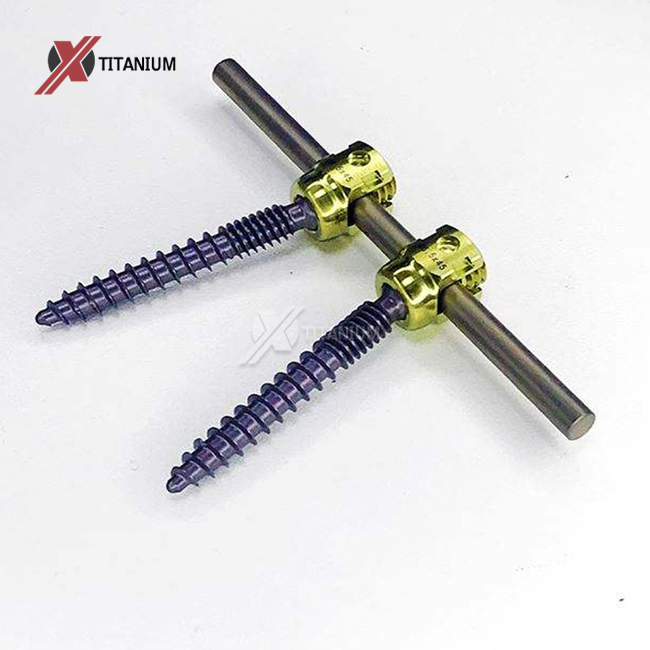
Anodizing and other surface treatments make the parts easier to see and protect them more. We offer a wide range of colors for our custom solutions, such as natural titanium, gold, blue, green, purple, black, and rainbow finishes, to meet the needs of each application.
Case Studies: Successful Applications of Titanium Screws
In aerospace, titanium is useful for building things that need to be light and where using regular steel fasteners would hurt performance. Airplane makers say that important parts of the airframe are lighter and less likely to rust.
The marine industry shows that titanium works better in saltwater than other metals. Offshore platform operators say that when titanium fasteners are used instead of steel ones in important structural connections, the service life is longer and the maintenance costs are lower.
Why Choose Titanium Self Tapping Screws Over Steel?
Advantages Driving B2B Procurement Decisions
Less need for maintenance, longer times between replacements, and better system reliability all lead to lower long-term costs. Titanium works well in a lot of different temperatures and environments that are corrosive, so there are no surprise costs or downtime.
Following quality standards is becoming more and more important in industries that are regulated. Titanium fasteners are used in the aerospace, medical, and chemical processing industries where it is important to be able to trace materials and keep performance levels the same.
Considerations When Selecting Titanium Screws
When choosing titanium screws, the load requirements and the fastener specifications must match up to make sure there are enough safety factors. Evaluating environmental exposure makes it easier to choose the right grade and surface treatment for the best performance.
Different industries have different rules for getting certified. For example, medical devices must show that they are biocompatible, and aerospace applications must follow AS9100. To back up their claims about quality, good suppliers give test reports and full material certificates.
Future Trends in Fastening Technologies
New surface treatments and coating technologies are making titanium fasteners even better. As more and more uses for renewable energy and electric cars come up, fastening solutions that are lightweight and resistant to corrosion are becoming more and more important.
Industry trends favor materials that last a long time and are good for the environment. Titanium fasteners are better for the environment because they can be recycled and last longer.
Conclusion
When you need to keep things together for crucial jobs, the choice between titanium self tapping screws and steel screws may make a major difference in how smoothly the project goes. Titanium self-tapping screws are superior for usage in aerospace, marine, and medical settings since they are stronger for their weight and last longer. For most construction jobs, steel screws are still a viable option. Titanium fasteners are the best choice if you want something sturdy that doesn't require a lot of attention. The ultimate decision will rely on the demands of the application, the environment, and the pricing over time.
FAQ
Q1: Are titanium self tapping screws always better than steel in every application?
A: Not every night. Steel screws may be better for building things in general and in warmer conditions, but titanium screws are strong for their weight and don't corrode. When picking materials, think about how much money you have, what your project needs, and how much time it will spend outside.
Q2: Can titanium self tapping screws be used on wood and metal equally well?
A: Titanium self-tapping screws work well on both wood and metal surfaces. You need to pick the right thread design and installation methods depending on the base material to make sure that the fastening works and doesn't break during assembly.
Q3: How do I verify the quality of titanium self tapping screws from suppliers?
A: Look for providers that have the proper certifications, including AS9100, ISO9001, or medical device requirements. Ask for traceability documents, test results, and certifications of material. Good suppliers offer you all the documents you need to assess the quality of B2B purchases.
Contact Chuanglian for Premium Titanium Self Tapping Screws
Chuanglian makes high-quality titanium self-tapping screws that can be made to order with different specifications, such as Grade 2 and Grade 5 materials, CNC machining for accuracy, and a variety of surface treatments. We have a full range of sizes, from M2 to M10, and lengths, from 5mm to 50mm, so we can meet a lot of different needs. We have been making titanium self-tapping screws for more than ten years and are a trusted company. We provide technical help, low prices on large orders, and delivery times that you can count on. Contact us at info@cltifastener.com or djy6580@aliyun.com to discuss your specific requirements and receive detailed quotations.
References
1. Boyer, R., Welsch, G., & Collings, E.W. (1994). Materials Properties Handbook: Titanium Alloys. ASM International.
2. Lutjering, G., & Williams, J.C. (2007). Titanium: Engineering Materials and Processes. Springer-Verlag Berlin Heidelberg.
3. ASM Handbook Committee. (1990). Properties and Selection: Nonferrous Alloys and Special-Purpose Materials, Volume 2. ASM International.
4. Donachie, M.J. (2000). Titanium: A Technical Guide, Second Edition. ASM International.
5. Schutz, R.W., & Thomas, D.E. (1987). Corrosion of Titanium and Titanium Alloys. Metals Handbook, 9th Edition, Volume 13, Corrosion.
6. Peters, M., Kumpfert, J., Ward, C.H., & Leyens, C. (2003). Titanium Alloys for Aerospace Applications. Advanced Engineering Materials, 5(6), 419-427.