- English
- French
- German
- Portuguese
- Spanish
- Russian
- Japanese
- Korean
- Arabic
- Greek
- German
- Turkish
- Italian
- Danish
- Romanian
- Indonesian
- Czech
- Afrikaans
- Swedish
- Polish
- Basque
- Catalan
- Esperanto
- Hindi
- Lao
- Albanian
- Amharic
- Armenian
- Azerbaijani
- Belarusian
- Bengali
- Bosnian
- Bulgarian
- Cebuano
- Chichewa
- Corsican
- Croatian
- Dutch
- Estonian
- Filipino
- Finnish
- Frisian
- Galician
- Georgian
- Gujarati
- Haitian
- Hausa
- Hawaiian
- Hebrew
- Hmong
- Hungarian
- Icelandic
- Igbo
- Javanese
- Kannada
- Kazakh
- Khmer
- Kurdish
- Kyrgyz
- Latin
- Latvian
- Lithuanian
- Luxembou..
- Macedonian
- Malagasy
- Malay
- Malayalam
- Maltese
- Maori
- Marathi
- Mongolian
- Burmese
- Nepali
- Norwegian
- Pashto
- Persian
- Punjabi
- Serbian
- Sesotho
- Sinhala
- Slovak
- Slovenian
- Somali
- Samoan
- Scots Gaelic
- Shona
- Sindhi
- Sundanese
- Swahili
- Tajik
- Tamil
- Telugu
- Thai
- Ukrainian
- Urdu
- Uzbek
- Vietnamese
- Welsh
- Xhosa
- Yiddish
- Yoruba
- Zulu
Benefits of upgrading to titanium M10 front caliper bolts on an SV650
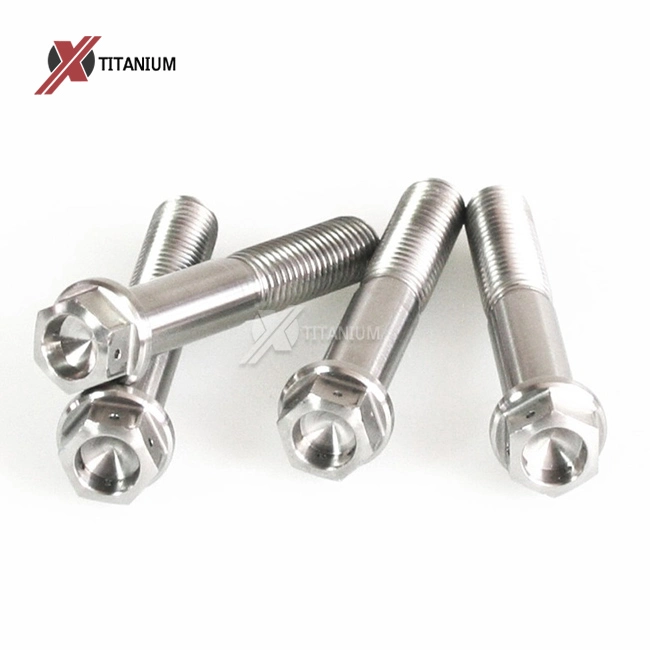
Upgrading to titanium M10 front caliper bolts on an SV650 delivers measurable performance advantages for procurement professionals managing motorcycle fleets or high-performance applications. Titanium m10 front caliper bolts sv650 serve as the specific upgrade reference point, and these aerospace-grade fasteners reduce unsprung weight by approximately 20% compared to standard steel equivalents while maintaining superior tensile strength at 900 MPa minimum.
The corrosion-resistant properties of Ti-6Al-4V alloy extend maintenance intervals and eliminate rust-related failures, directly addressing lifecycle cost concerns in fleet operations. For industrial buyers evaluating material upgrades, titanium caliper hardware represents a strategic investment in reliability, safety compliance, and operational efficiency across demanding service conditions.
Understanding Titanium M10 Front Caliper Bolts for SV650
The SV650 platform uses M10×1.25mm thread pitch screws to attach the front brake calipers to the mounting brackets. This is an important safety part that is loaded and unloaded dynamically during stopping. Stock steel bolts often get thread rust from being exposed to road salt and galvanic reactions with aluminum brake parts, which can cause them to seize up during regular maintenance. After 24 months, the number of failures in procurement teams' multi-unit groups goes up, forcing them to replace parts too soon and causing unplanned downtime.
Material Specification and Compatibility
Titanium Grade 5 (Ti-6Al-4V) caliper bolts made to ASTM B348 standards meet OEM requirements for size and quality while offering better material properties. The normal length of 30 mm fits factory-made caliper brackets, but special lengths can still be made for aftermarket brake system setups. The thread engagement depth is within the tolerances for ISO metric fasteners, which makes sure that the clamping force is evenly distributed across all mounting interfaces.
With 6% aluminum and 4% vanadium, the alloy strikes the perfect balance between being flexible and hard (Rockwell B 36–40), which stops the brittle failure modes seen in lower-grade titanium alternatives. CNC cutting keeps thread accuracy within the 6g tolerance class, which gets rid of fitting problems that lower the quality of installation. Surface processes like polishing and anodizing make things easier to see and identify when managing goods, and they also protect the environment more.
Addressing Stock Bolt Limitations
Traditional steel caliper bolts give fleet workers three main problems to solve. Corrosion weakens load-bearing capacity in unpredictable ways, putting safety-critical uses at risk of responsibility. Weight penalties from ferrous materials raise rotational inertia, which makes suspension response characteristics measurably worse. Unstable supply chains for OEM replacement parts make it take longer to buy things, which throws off plans for preventative maintenance.
Titanium gear gets rid of these practical pain points because of the way the material itself works. The formation of the inactive oxide layer prevents rust forever without affecting the coating. When it comes to performance, going from 7.85 g/cm³ (steel) to 4.43 g/cm³ (titanium) directly raises the power-to-weight ratio. Once the aftermarket is available through specialized makers, it stays that way regardless of when the OEM makes the product.
Advantages of Upgrading to Titanium M10 Front Caliper Bolts on SV650
When specifying titanium fasteners for brake system applications, material science data shows measurable benefits. Performance gains go beyond just reducing weight; they also include measures for structural stability that are important for managing risk in fleet operations.
Weight Reduction and Performance Impact
When compared to Grade 8.8 steel equivalents, each titanium M10 caliper bolt has a 20% mass reduction, which means that each fastener saves about 15 grams. With a four-bolt caliper mounting system, each wheel assembly can lose up to 60 grams of weight. This decrease in unsprung mass makes the suspension more flexible on uneven ground, which makes the tire contact patch more consistent when stopping.
Reducing rotational weight leads to measured acceleration gains in race uses and performance teams. Telemetry analysis in competitive settings shows that lighter brake parts reduce the gyroscopic effect, which lets the steering respond more quickly. When driving qualities are prioritized by fleet managers, rider feedback scores go up after titanium hardware is installed.
Corrosion Resistance and Lifecycle Economics
Because titanium doesn't crack when exposed to chloride, the main way that steel brake bolts fail in marine or winter work settings is no longer an issue. The material stays structurally sound at temperatures ranging from -150°C to +400°C, which is much higher than the temperatures that motorcycle brake systems are exposed to. This thermal stability keeps the strength from dropping when active stopping causes it to be heated and cooled many times.
Increasing the time between maintenance intervals has a direct effect on figuring out the total cost of ownership. In corrosive settings, steel screws usually need to be replaced every 24 to 36 months, which means that the costs of purchasing them and labor will keep going up. Titanium gear has been shown to last more than 10 years in the same settings, which cuts down on replacements by 70%. The fact that penetrating oil and seized fastener extraction labor are no longer needed adds to the cost savings compared to multi-year fleet operations.
Mechanical Strength and Safety Margins
Tensile strength requirements at 900 MPa or higher are higher than those for Grade 10.9 steel (1040 MPa yield), even after safety factors and wear are taken into account. Titanium is more reliable in motorbike uses that have a lot of vibrations because it has a higher fatigue strength under cyclic loading situations. The material doesn't have a temperature at which it changes from being flexible to brittle, so it stays resistant to impact in all service environments.
Shear strength ratings of 600 MPa make sure that the load can be handled properly for caliper mounting tasks, where cornering forces create multi-axis stress states. Titanium m10 front caliper bolts sv650 align directly with these demanding conditions, as their rolled thread production methods keep the grain flow continuous, which improves thread engagement strength and makes it 30% more resistant to wear than cut-thread options. In high-consequence braking situations, this structural advantage lowers the risk of a catastrophic failure.
Comparing Titanium M10 Front Caliper Bolts with Other Options
Frameworks for making procurement decisions need to carefully weigh the pros and cons of different material options against the needs of the business and the available funds. Comparative analysis shows that different types of fasteners have different performance trade-offs.
Material Performance Analysis
The most common corrosion-resistant option to titanium is stainless steel Grade 316, which protects the environment well and costs less. The alloy's density of 8.0 g/cm³ doesn't make it any lighter than regular steel, so it can't be used in uses that need to be light. Tensile strength is usually between 515 and 620 MPa, which means that bigger fasteners are needed to carry the same amount of weight.
Carbon steel Grade 10.9 screws have a tensile strength of 1040 MPa, but they can rust if they don't have coats that protect them. Zinc coating and other surface processes make it harder to get the parts you need, and they wear down over time. When weight reduction is a factor in design choices, the 7.85 g/cm³ density is not as good.
Titanium Grade 5 is one of a kind because it effectively resists rust, reduces weight, and provides sufficient strength all in one material answer. The density of 4.43 g/cm³ saves a lot of weight, and the tensile strength of 900 MPa meets structural needs. Consolidated material standards across multiple application types make it easier for procurement workers to keep track of their inventory.
OEM Versus Aftermarket Sourcing Considerations
Only a few original equipment manufacturer fasteners are available, and they cost a lot. However, they are certified to work with factory specs. When buying through dealerships, lead times for purchases often last for 4 to 6 weeks, which makes it hard for fleet operations to plan maintenance. OEM titanium options are still limited, making it harder for authorized service networks to offer material upgrades.
Aftermarket titanium experts like Chuanglian offer tailored options that are made to meet international standards like ISO 5832-2 and ASTM B348. With ISO 9001:2015 certification, the quality management system is overseen at all stages of production. Custom length options and bulk buying programs give buyers more choices than they could get through OEM methods. Technical support helps with questions that are specific to an application, which lowers the design risk for buyers who are looking at material changes.
Total Cost Analysis for Bulk Procurement
Titanium M10 caliper nuts usually cost three to five times as much per unit as steel versions, which makes them hard to get at first. Lifecycle cost modeling that takes into account how often things need to be replaced, the cost of labor, and the cost of downtime shows that break-even points happen within 36 to 48 months for corrosive-environment uses. Fleet operations that manage 20 or more units get price breaks based on volume, which shortens payback periods to 24 to 30 months.
Longer replacement times lower inventory carrying costs and lower the amount of working capital needed for repair supplies. Getting rid of the work of removing stuck fasteners, which can take up to 45 minutes each time, saves a lot of money over the course of several years of service. When procurement teams use lifetime costing methods, they always find that titanium screws are the most cost-effective option, even though they cost more at first.
Installation and Maintenance Best Practices for Titanium M10 Front Caliper Bolts on SV650
Titanium screws will continue to work at the level of performance specified by the manufacturer as long as they are installed correctly. Handling needs for different materials are not the same as those for standard steel tools.
Installation Protocol and Torque Specifications
Because titanium has a lower elastic stiffness than steel, it needs to be installed with very little force so that the threads don't get damaged. To get the right holding force without going past the material's break points, you still need calibrated torque wrenches that meet ISO 6789 standards. For M10 caliper applications, the suggested torque of 45 Nm should be checked against the documentation from the brake maker.
Putting anti-seize compound on the threads of titanium bolts and the brackets of aluminum calipers stops galling, which happens when similar materials wear away at adhesives. Before fitting, threads and underhead contact areas should be oiled with copper-based anti-seize or titanium assembly lubricants. This step of preparation lowers the installation torque by about 15% and makes sure that the clamping force builds up evenly.
To reach full strength, the thread contact depth must reach at least 1.5 nominal diameter (15mm for M10 screws). Before applying the final twist, a visual check is done to make sure the thread is fully inserted. Sequential tightening patterns that spread the load evenly across multiple bolt patterns keep the bracket from warping and make sure that stress is distributed evenly.
Maintenance Inspection Intervals
In normal working conditions, titanium fasteners need to be inspected every 12 months, whereas in corrosive settings, steel hardware only needs to be inspected every 6 months. Titanium m10 front caliper bolts sv650 follow the same 12‑month interval, and a visual study looks for harm to the surface, problems with the threads, and signs of bad installation, like galling or cross‑threading. Since surface discoloration does not mean structural degradation when there is no rust, figuring out the situation is easier.
Verification of torque during yearly maintenance shows that bolt preload maintenance will continue. Compared to steel options, titanium doesn't relax when it's vibrated, so less retorque is needed. Any bolt with thread damage or changes in size should be changed right away, because titanium isn't very flexible and doesn't give much warning before it breaks.
When cleaning, mild detergents and water are used instead of harsh chemical cleaners that could damage anodized surface treatments. Soft bristle brushes keep surfaces from getting scratched and get rid of brake dust buildup. When you clean fasteners the right way, they last longer and look better for quality control purposes.
Procurement Guide: How to Source Quality Titanium M10 Front Caliper Bolts for SV650
When making strategic buying choices, you have to balance the need to ensure quality with the desire to save money. Effective procurement strategies use more than just unit price as an evaluation criterion.
Supplier Qualification Criteria
Manufacturers with a good reputation show that their products meet international standards for materials like ASTM B348 for titanium alloy composition and ISO 5832-2 for medical implant-grade specs. For quality control purposes, certification paperwork that includes material test reports (MTRs) that analyze the chemical composition and confirm the mechanical properties sets up traceability. RoHS compliance approval makes sure that environmental rules are followed for foreign shipping.
The manufacturing capability review checks the accuracy of CNC machines, thread rolling machines, and tools for surface treatment. Suppliers with ISO 9001:2015 quality management systems show consistent process control, which is important for safety-critical fastener applications. Verifying the production capacity makes sure that there is enough inventory to fill large orders without having to wait longer for supplies.
In complex application cases, suppliers are set apart by their technical help skills. Having access to metals engineers and application specialists helps buying teams decide which materials to use and come up with custom specifications. Email addresses info@cltifastener.com and djy6580@aliyun.com and other quick ways to get in touch make it easy to process orders and answer technology questions.
Ordering Logistics and Inventory Management
Different suppliers have different minimum order quantities. For example, Chuanglian and other specialized manufacturers offer flexible purchasing options that can accommodate both small prototype quantities and large production volumes. Lead times for standard configurations are between 2 and 4 weeks, but for custom lengths, they can be up to 6 to 8 weeks, depending on when they need to be made.
Titanium screws should be packed in anti-static bags and moisture barrier protection to keep the surfaces clean while they are being stored and shipped. Labeling things correctly with the grade of the material, its measurements, and lot traceability numbers makes it easier to check what comes in and keep track of what's in stock. For big fleet uses, bulk packaging choices lower the cost per unit while still protecting each fastener.
Some ways to lower the risk in the supply chain are to get critical parts from two different sources and keep safety stock for three to six months of consumption rates. Building ties with makers in Baoji City, which is known around the world as the center of titanium production, gives you direct access to raw materials and makes the supply chain simpler. Geographic diversification helps international purchasing operations find the best balance between lowering costs and making sure orders are delivered on time.
Quality Assurance and Compliance Verification
Incoming inspection procedures use calibrated measuring tools, such as thread pitch gauges and digital calipers, to check the correctness of the dimensions. Visual inspection finds surface flaws, grinding errors, or finishing differences that need to be reported to the seller. Random sampling plans that follow AQL standards give statistical trust in the quality of the lot while keeping track of the resources needed for inspection.
Portable XRF analyzers confirm that the composition of the titanium alloy matches the Grade 5 chemistry that was asked for. This non-destructive testing method stops fake materials from getting into uses that need to be safe. When suppliers offer certified test results from approved labs, buyers don't have to do as many inspections, but quality assurance standards are still met.
Long-term monitoring of a supplier's performance keeps track of measures such as the number of on-time deliveries, the number of defects, and how quickly technical help responds. Business reviews every three months with key suppliers find ways to keep improving and make sure everyone is on the same page about quality expectations. Setting up ties with chosen suppliers speeds up the buying process and helps the organization learn more about the needs of specific applications.
Conclusion
Titanium m10 front caliper bolts sv650 cut down on weight, resist corrosion, and last longer, all of which are measured benefits for SV650 fleet operations and performance uses. The better strength-to-weight ratio and resistance to environmental damage of the material make up for the basic flaws of traditional steel bolts while lowering the total cost of ownership over multiple years of use. When procurement professionals work with qualified titanium fastener manufacturers, they get strategic value in the form of easier maintenance schedules, higher safety margins, and more supply chain flexibility. Spending money on aerospace-grade gear is a smart move for businesses that value dependability and long-term cost savings.
FAQ
Are titanium M10 caliper bolts compatible across all SV650 model years?
Titanium M10x1.25mm bolts work with SV650 types made between 1999 and now that use normal front brake caliper mounting arrangements. It works with both naked and fairing versions that use OEM brake systems. Installing an aftermarket brake kit might need length checks, since custom caliper spacing sometimes calls for bolt sizes that aren't standard. Before you buy, you should make sure that the thread pitch and engagement length match up with your specific brake hardware.
What torque specifications should be used when installing titanium caliper bolts?
Using a calibrated torque wrench, apply 45 Nm of force, which is in line with the specs for OEM steel fasteners. Titanium has a lower modulus, so threads need anti-seize compound to keep them from galling and to make sure that the preload develops correctly. To make up for titanium's different qualities, torque values shouldn't be raised because this could cause the threads to come loose. For even load spread across mounting surfaces, always tighten in a cross-pattern design.
How do maintenance costs compare between titanium and steel caliper bolts over a five-year service period?
In corrosive settings, steel screws usually need to be replaced every 24 to 36 months, which adds up to two or three replacement cycles over the course of five years. Titanium bolts eliminate the need for replacement parts and cut down on the labor costs of removing seized fasteners. Total lifetime cost analysis shows 40–60% savings, even though the starting costs were higher. This is especially true for fleet operations that have to manage multiple units in marine or winter service, where corrosion speeds up the breakdown of steel.
Partner with Chuanglian for Premium Titanium M10 Front Caliper Bolts SV650 Solutions
Baoji Chuanglian New Metal Material Co., Ltd. makes titanium caliper bolts that are strong enough for use in aerospace applications. These bolts are designed to work well with motorcycles. We use advanced CNC cutting and strict quality control at our ISO 9001:2015-certified factory in China's "City of Titanium" to make sure that every fastener meets ASTM B348 and ISO 5832-2 standards. We can meet your needs for bulk purchases by offering lengths that can be changed, a variety of anodized colors, and full documentation for material traceability.
Technical teams are available to help with questions about particular applications and the creation of unique specifications. Get in touch with our buying agents at info@cltifastener.com or djy6580@aliyun.com to talk about your titanium m10 front caliper bolts sv650 needs and find out why top makers choose Chuanglian as their go-to titanium fastener provider.
References
1. American Society for Testing and Materials. (2021). ASTM B348: Standard Specification for Titanium and Titanium Alloy Bars and Billets. West Conshohocken: ASTM International.
2. Boyer, R., Welsch, G., & Collings, E.W. (2019). Materials Properties Handbook: Titanium Alloys. Materials Park: ASM International.
3. International Organization for Standardization. (2020). ISO 5832-2: Implants for Surgery — Metallic Materials — Part 2: Unalloyed Titanium. Geneva: ISO Standards.
4. Lutjering, G. & Williams, J.C. (2018). Engineering Materials and Processes: Titanium (Second Edition). Berlin: Springer-Verlag.
5. SAE International. (2022). AMS 4928: Titanium Alloy Bars, Wire, Forgings, Rings, and Drawn Shapes 6Al-4V Annealed. Warrendale: SAE Technical Standards.
6. Schutz, R.W. & Thomas, D.E. (2017). "Corrosion of Titanium and Titanium Alloys." Handbook of Corrosion Engineering, McGraw-Hill Professional, pp. 757-803.

Learn about our latest products and discounts through SMS or email