- English
- French
- German
- Portuguese
- Spanish
- Russian
- Japanese
- Korean
- Arabic
- Greek
- German
- Turkish
- Italian
- Danish
- Romanian
- Indonesian
- Czech
- Afrikaans
- Swedish
- Polish
- Basque
- Catalan
- Esperanto
- Hindi
- Lao
- Albanian
- Amharic
- Armenian
- Azerbaijani
- Belarusian
- Bengali
- Bosnian
- Bulgarian
- Cebuano
- Chichewa
- Corsican
- Croatian
- Dutch
- Estonian
- Filipino
- Finnish
- Frisian
- Galician
- Georgian
- Gujarati
- Haitian
- Hausa
- Hawaiian
- Hebrew
- Hmong
- Hungarian
- Icelandic
- Igbo
- Javanese
- Kannada
- Kazakh
- Khmer
- Kurdish
- Kyrgyz
- Latin
- Latvian
- Lithuanian
- Luxembou..
- Macedonian
- Malagasy
- Malay
- Malayalam
- Maltese
- Maori
- Marathi
- Mongolian
- Burmese
- Nepali
- Norwegian
- Pashto
- Persian
- Punjabi
- Serbian
- Sesotho
- Sinhala
- Slovak
- Slovenian
- Somali
- Samoan
- Scots Gaelic
- Shona
- Sindhi
- Sundanese
- Swahili
- Tajik
- Tamil
- Telugu
- Thai
- Ukrainian
- Urdu
- Uzbek
- Vietnamese
- Welsh
- Xhosa
- Yiddish
- Yoruba
- Zulu
How durable are titanium Torx socket cap bolts under high stress
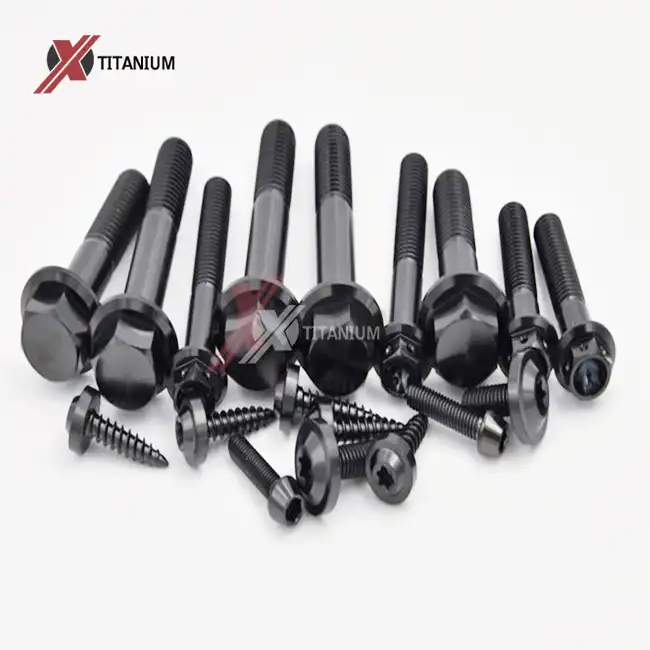
When engineers and procurement managers evaluate fastening solutions for critical applications, durability under high stress becomes the defining performance metric. M10 Titanium Torx Socket Cap Bolts for Ducati Motorcycle Bike applications deliver exceptional reliability in demanding environments. Manufactured from Grade 5 titanium alloy (Ti-6Al-4V), these fasteners achieve tensile strengths exceeding 895 MPa while maintaining 45% weight reduction compared to steel equivalents.
The Torx 50 drive system distributes installation torque more uniformly across six contact points, minimizing stress concentration that can compromise structural integrity during vibration-intensive operation. This combination of material science and engineering design ensures consistent performance throughout extended service intervals, even when subjected to thermal cycling between -40°C and +400°C.
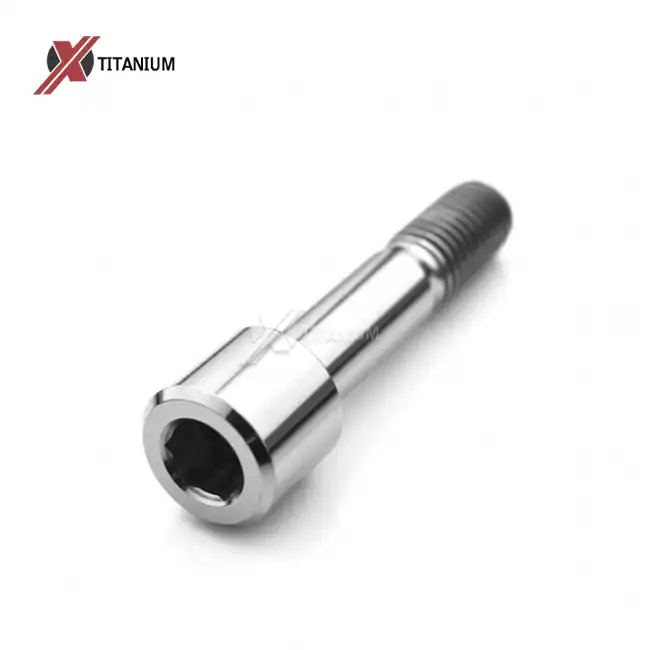
Understanding Titanium Torx Socket Cap Bolts
The structure of specialised titanium screws is the result of progress in metalworking and improvements in how they work mechanically. These parts are made of a metal called Ti-6Al-4V. The aluminium increases the strength-to-weight ratio, and the vanadium stabilises the beta phase structure, which makes the parts more resistant to wear. The CNC machining process they use to make them makes sure that the thread tolerances meet ISO 14579 standards or specific Ducati requirements. This makes sure that they fit perfectly with other parts.
Material Composition and Manufacturing Standards
About 90% of Grade 5 titanium metal is titanium, 6% is aluminium, and 4% is vanadium. This mixture makes a material with a density of 4.43 g/cm³, which is much lighter than steel's density of 7.8 g/cm³ while keeping the same tensile properties. Thread rolling instead of cutting is part of the manufacturing process. This keeps the grain structure continuous and boosts wear strength by about 30%. Surface processes like polishing, anodising, or nitriding make it even more resistant to rust and wear.
Torx Drive System Advantages
The six-point Torx link is better mechanically than the hex or Allen setups that are more common. The internal star design lets torque be transferred through side-to-side wall contact instead of corner loads during installation. This shape spreads mechanical stress over a bigger contact area, which lowers the chance of cam-out during high-torque tasks and increases tool life. Technicians who work with titanium fasteners really like this feature because it's important to use the right amount of torque when working with materials that aren't as elastic as steel.
Durability and Performance Under High Stress
A fastener's suitability for aerospace, marine, and high-performance automotive uses is based on how reliable it is under operational loads. When put through cycle loads, thermal stress, and corrosive conditions that would break down other materials, titanium socket cap bolts show amazing durability.
Tensile Strength and Fatigue Resistance
Laboratory tests show that Grade 5 titanium fasteners keep their structural integrity after being loaded and unloaded millions of times. When weight is taken into account, the material's natural failure limit—about 50% of its ultimate tensile strength—is higher than that of most steel alloys. This fatigue resistance means that parts will last longer in motorcycle frame uses, where vibration frequencies can run from 20 to 200 Hz based on engine speed and road conditions. Using calibrated torque wrenches set to 70–80% of the equivalent steel specifications during installation keeps the threads from stripping and makes sure there is enough preload.
Corrosion Resistance in Harsh Environments
The passive oxide layer that forms naturally on titanium surfaces protects them very well from corrosion in the air, exposure to road salt, and chemical attack. Titanium's surface stays intact even after long periods of time in marine settings, while stainless steel can pit and rust in chloride-rich environments. This feature is especially useful for uses at sea, in chemical processes, and for cars that operate in places where deicing salts are used. Titanium and carbon fibre composites don't react negatively with each other, which makes these fasteners the best choice for high-tech composite parts. Aluminium, on the other hand, would corrode quickly because of changes in electrochemical potential.
Temperature Stability and Dimensional Integrity
Operating temperature ranges have a big effect on how well fasteners work in high-performance situations. M10 Titanium Torx Socket Cap Bolts for Ducati Motorcycle Bike are specifically designed to meet these demands, ensuring reliable clamping force even under extreme thermal stress. Titanium alloy bolts keep their mechanical qualities from -40°C to +400°C, which means they can handle the high temperatures needed for brake system parts, exhaust sections, and engine mounting. The material has a low thermal expansion coefficient—about 8.6 × 10⁻⁶ per °C—so its dimensions stay the same during thermal cycling. This lowers the risk of joints coming loose because of different materials expanding at different rates.
Choosing the Right Titanium Bolt for High-Performance Applications
When choosing materials, you have to think about how they will work, how they will affect the environment, and how much they will cost. Knowing the differences between titanium grades and fastener configurations helps you make smart purchases that will meet your long-term reliability goals.
Grade 2 Versus Grade 5 Titanium
Commercially pure Grade 2 titanium is very good at resisting corrosion and being shaped, but it has a tensile strength of only about 345 MPa, which means it can't be used for structure uses that need to withstand high mechanical loads. Grade 5 titanium alloy has a tensile strength of more than 895 MPa, which is about the same as Grade 10.9 steel screws. It also resists rust better and is lighter. For important uses, the specifications for buying things should clearly say that they need Grade 5 material and that its chemical make-up must be confirmed through Positive Material Identification testing.
Torx Versus Hex Socket Configurations
Engineering research shows that different drive system geometries have real differences in how well they work. The six-point contact in the Torx configuration spreads installation torque over 60% more surface area than similar hex sockets. This lowers contact stress by about 40%. This is especially important when working with titanium because it tends to galle. Galling is a type of sticky wear that happens when surface oxide layers break down under high contact pressure. This problem can be solved during assembly work with anti-seize products that contain molybdenum disulphide or special surface treatments such as Diamond-Like Carbon finish.
Surface Treatment Selection
The different types of finishes are useful and nice to look at. Polished surfaces have lower friction coefficients and are better for inspecting the quality visually. Anodising makes oxide layers that are controllable and can be anywhere from 5 to 25 micrometres thick. Depending on the voltage settings, these layers can be natural titanium, gold, blue, green, purple, black, or rainbow coloured. Nitriding treatments spread nitrogen into the surface layers, making them much harder (up to about 800 HV) while keeping the core flexible. This makes them perfect for situations where they will be installed over and over or where they will be worn down by abrasions.
Market Options and Procurement Insights
For strategies for getting specialised fasteners, you need to look at more than just price when judging a supplier's abilities. Long-term partnership success depends on systems for quality certification, infrastructure for expert support, and the dependability of the supply chain.
OEM Versus Aftermarket Considerations
Original equipment manufacturer (OEM) specifications set the minimum performance standards, but aftermarket suppliers with certifications that are the same or better are also options. As part of the evaluation criteria, compliance documents like material test results that show the chemical makeup and mechanical properties should be checked, as well as dimensional inspection certificates that show the limits for the threads and systems that connect finished products to the heat lots of the raw materials. Suppliers who keep their AS9100 aircraft quality management systems or ISO 9001 certifications show that they are dedicated to controlling processes and making improvements all the time.
Bulk Purchasing and Custom Order Capabilities
Both pricing and delivery schedules are affected by the amount that needs to be delivered. M10 Titanium Torx Socket Cap Bolts for Ducati Motorcycle Bike are a prime example of how specialty fasteners influence these factors, as their production volumes directly impact per-unit costs and lead times. Companies that do a lot of CNC machining can make parts with custom thread lengths, head designs, or special drive systems that aren't available in their catalogues.
Setting up frame deals with certified sellers cuts down on the time it takes to buy things and makes sure that the materials used in each production batch are the same. Manufacturers with a lot of experience can offer technical advice services that help you choose the best fasteners during the design process. This could save you a lot of money on redesigns that are needed after component validation testing shows performance problems.
Supplier Credibility and Verification Methods
As part of the supplier qualification process, facilities should be inspected when possible, documentation for the quality management system should be looked over, and references from current customers who have used similar products should be contacted. Asking for independent metallurgical tests on sample batches is a good way to make sure that the material grades and mechanical qualities listed are correct before committing to large-volume orders. Suppliers in places like Baoji City, China, which is known around the world as a hub for titanium production, often keep relationships with material mills that ensure the quality of the raw materials and the supply of them.
Installation, Maintenance, and Longevity Optimization
The performance potential of high-quality titanium screws is maximised when they are handled correctly. Installation mistakes that weaken the joint's integrity can't happen because technicians are trained and documented assembly protocols are used.
Installation Best Practices
Because of differences in the materials' properties, torque requirements for titanium fasteners are not the same as those for steel equivalents. M10 Titanium Torx Socket Cap Bolts for Ducati Motorcycle Bike exemplify this distinction, as their unique alloy composition demands carefully recalibrated installation procedures. Titanium stretches more than steel under the same loads because it has a lower modulus of elasticity. To get the right charge without exceeding the material's yield strength, torque values are usually 70–80% lower than those recommended for steel.
For consistent installation, use torque wrenches that have been calibrated and are accurate to within ±3%. Using the right anti-seize compounds stops galling and lets you get correct torque-to-preload ratios. Specifications for dry torque are very different from those for lubricated torque, so it is important to follow the manufacturer's instructions that are based on the actual conditions of the assembly.
Inspection and Replacement Protocols
Visual checks for signs of rust, thread damage, or head deformation should be part of regular repair intervals. Titanium is very resistant to corrosion, so it usually doesn't rust. However, hydrofluoric acid or strong caustic liquids can damage the protective oxide layer. When fasteners show signs of galling, broken threads, or damaged drive pins, they need to be replaced right away. Steel bolts show rust that they are breaking down, but titanium fasteners may look perfect while they are actually suffering fatigue damage on the inside. In safety-critical applications, it is especially important to stick to replacement plans based on load cycle counts.
Environmental Impact Considerations
Expectations for service life are affected by the operating environment. More regular inspections are needed in marine environments, chemical processing companies, and places where heat is changed over and over again. In normal weather, the natural oxide layer heals itself when it gets broken. Coated steel bolts don't have these self-healing properties. But environments without oxygen or heavy metals can stop the oxide layer from reforming. In these cases, protective steps or faster replacement plans are needed.
Conclusion
Grade 5 titanium Torx socket cap bolts are strong even under high stress because the properties of the material were carefully designed, the production process was very precise, and the mechanical design was made to work best. M10 Titanium Torx Socket Cap Bolts for Ducati Motorcycle Bike represent a specialized application of this engineering philosophy, delivering the same high-strength, lightweight benefits in a form factor tailored specifically for Ducati's demanding chassis and engine assemblies. These fasteners have tensile strengths of more than 895 MPa and are 45% lighter than steel options. This makes them perfect for high-performance car, marine, and aircraft uses where every gram counts.
Their high levels of resistance to corrosion, fatigue, and temperature instability mean that they will work reliably for long periods of time between repair intervals. The big performance benefits of these advanced fasteners are fully realised when the right material is chosen, as shown by chemical makeup testing, and the right way is installed by following torque specs made just for titanium. When you make purchases, putting an emphasis on the quality systems, technical support, and traceability of materials from one supplier to another helps build partnerships that support your long-term reliability goals.
FAQ
How do titanium Torx socket cap bolts compare to stainless steel fasteners in high-stress applications?
When compared to austenitic stainless steels like 304 or 316, Grade 5 titanium bolts have better strength-to-weight ratios and are just as resistant to corrosion, if not more resistant. Titanium has a yield strength of about 880 MPa, which is higher than normal stainless grades. However, absolute strength numbers can be higher for precipitation-hardened stainless steels like 17-4PH. Titanium's lower density is its main benefit; it lets it work as well or better than other materials while weighing a lot less.
What Torx socket size is required for M10 titanium bolts in Ducati applications?
Most standard M10 titanium socket cap bolts use Torx 50 drive systems, which means you'll need T50 bit or socket tools. Before putting it together, the exact drive size should be checked, since aftermarket sellers may offer different designs. Using the right-sized tools during installation keeps the drive from getting damaged and makes sure that the right amount of torque is transferred.
Can aftermarket titanium fasteners meet OEM quality standards for safety-critical applications?
Aftermarket suppliers who use the right quality management systems and give full documentation on how materials can be tracked can meet or beat OEM requirements. As part of the procurement verification process, test records for materials, measurement inspection reports, and making sure they meet industry standards like ASTM B348 for titanium alloy bars should be looked over. Testing sample batches by a third party gives you extra peace of mind when you're looking for a new source.
Partner With a Trusted Titanium Fastener Manufacturer
Chuanglian specialises in making titanium socket cap bolts that are carefully built to work in tough industrial settings. Our M10 Titanium Torx Socket Cap Bolts for Ducati Motorcycle Bike applications go through strict quality control procedures. Each batch comes with full paperwork that shows where the materials came from and that the mechanical properties have been checked. We keep direct ties with premium alloy makers in Baoji City, which is known around the world as the center of titanium production. This way, we can guarantee consistent materials and reliable supplies. Our CNC machining lets us make thread tolerances that meet ISO 14579 standards or your own specific needs.
Our AS9100 and ISO 9001 certifications show that we are dedicated to quality management excellence. You can get help from our expert team to choose the best fasteners for your needs, whether you need standard setups or custom-engineered solutions for specific uses. Get in touch with our engineering experts at info@cltifastener.com or djy6580@aliyun.com to talk about your needs and find out why top aerospace, marine, and high-performance automotive companies trust Chuanglian as their titanium fastener supplier. You can look at all of our products at cl-titanium.com and ask for material test results to help you make your decision.
References
1. Boyer, R., Welsch, G., & Collings, E.W. (1994). Materials Properties Handbook: Titanium Alloys. ASM International, Materials Park, Ohio.
2. Donachie, M.J. (2000). Titanium: A Technical Guide, 2nd Edition. ASM International, Materials Park, Ohio.
3. Lutjering, G., & Williams, J.C. (2007). Titanium, 2nd Edition. Springer-Verlag, Berlin Heidelberg.
4. Bickford, J.H. (2008). Introduction to the Design and Behavior of Bolted Joints, 4th Edition. CRC Press, Boca Raton, Florida.
5. Budinski, K.G., & Budinski, M.K. (2010). Engineering Materials: Properties and Selection, 9th Edition. Pearson Education, Upper Saddle River, New Jersey.
6. Stephens, R.I., Fatemi, A., Stephens, R.R., & Fuchs, H.O. (2001). Metal Fatigue in Engineering, 2nd Edition. John Wiley & Sons, New York.
Learn about our latest products and discounts through SMS or email