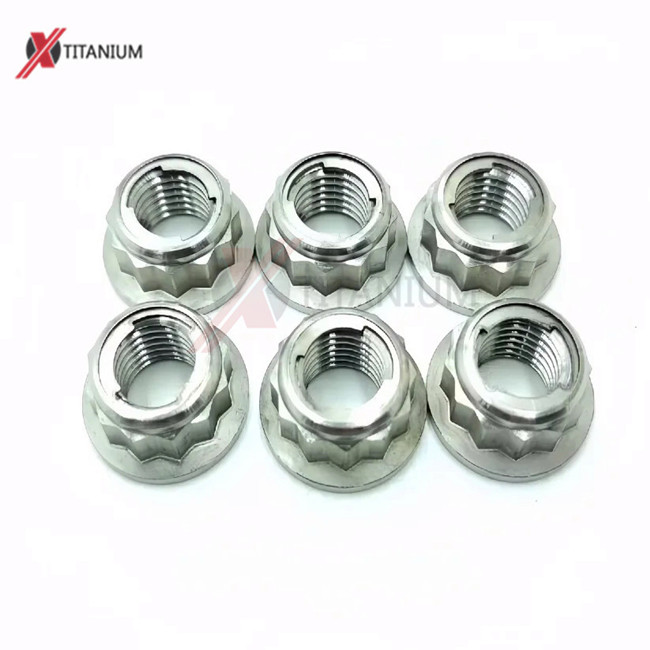
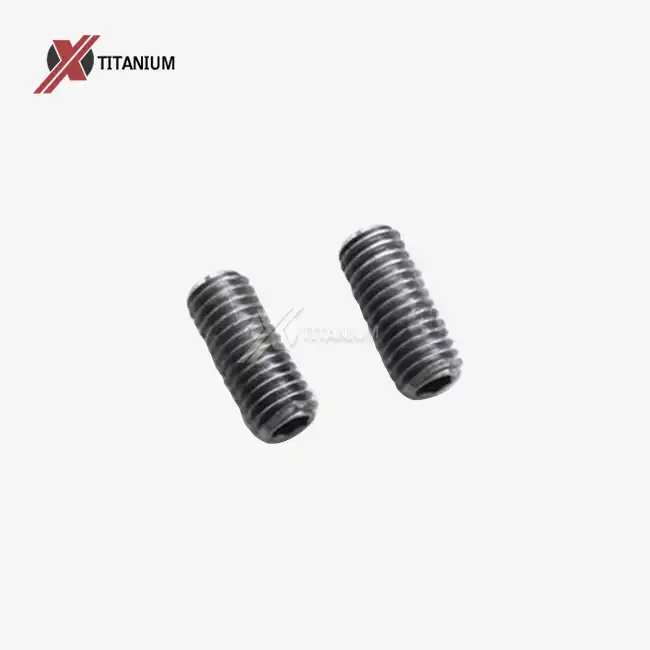
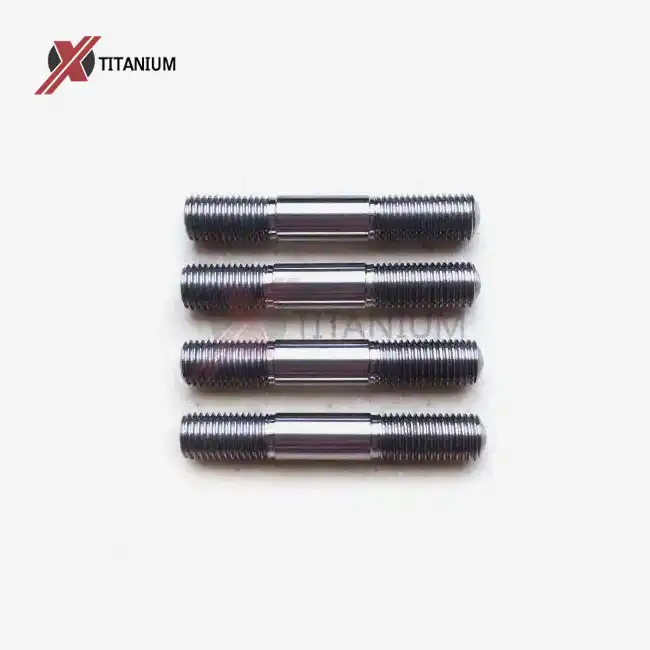
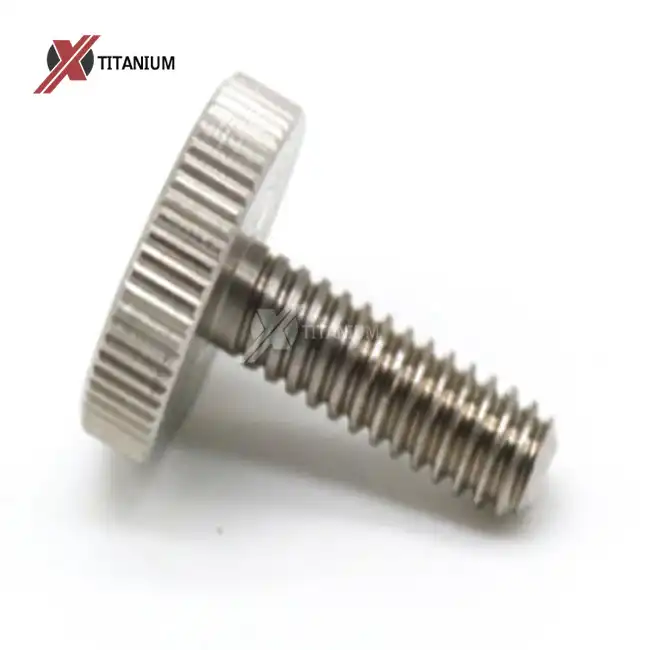
When looking for high-performance fastening solutions in robotics production, m3 titanium screws are the best option for Singapore's cutting-edge robotics industry. These precision-engineered fasteners are the best choice for current robotic systems since they are strong, long-lasting, and lightweight. Singapore is the premier technological center in Asia, thus robotics manufacturers need fasteners that work very well and are still cost-effective and reliable over long periods of time.
Understanding M3 Titanium Screws: Specifications and Benefits
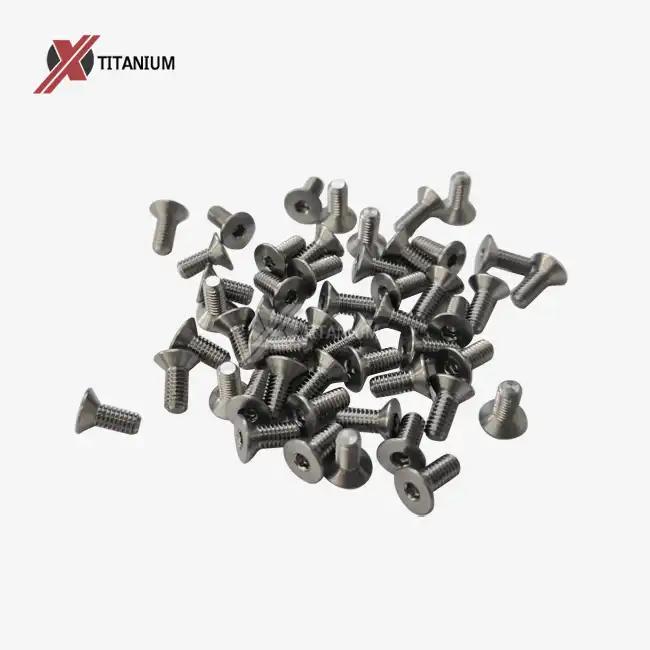
The metric thread design on M3 titanium screws has a 3mm diameter, which fulfills worldwide requirements for precise engineering. These fasteners are made of high-quality titanium grades, such as Grade 2 pure titanium and Grade 5 titanium alloy (Ti-6Al-4V). Each has its own benefits for diverse robotics uses.
Technical Specifications and Material Properties
One of the best things about these titanium fasteners is that they can be produced in lengths from 5mm to 50mm, which making them suitable for many different types of robotic assembly. The material has a high tensile strength of 950 MPa, which means it can handle mechanical stress. Its light weight also implies that robotic systems don't have to carry as much weight overall. For crucial robotics applications, advanced CNC machining technologies make sure that threading and dimensional accuracy are flawless.
Treating the surface of the material makes it work much better. Anodizing protects against corrosion better and enables you color-code your things. Polishing makes surfaces smooth, which lowers friction and wear. Nitriding makes the surface tougher and less likely to wear down, which helps components live longer in situations where they have to go through a number of cycles. You may select from a variety of finishes, including natural titanium, gold, blue, green, purple, black, and rainbow. This makes it easier to distinguish them different and enables you change how they appear.
Performance Advantages in Robotics Applications
In Singapore's tropical climate, where humidity and other environmental factors may harm lower-quality materials, titanium's excellent resistance to corrosion is quite helpful. It works well in demanding industrial situations since it doesn't react to salt, acids, or strong chemicals. Also, the high strength-to-weight ratio lets robots carry the most weight while keeping their structure stable as the load changes.
Comparing M3 Titanium Screws with Other Materials for Robotics
It's vital to look at all the materials in depth before buying since they all have a huge impact on how effectively robots operate. Engineers can make systems work better and design better by learning the good and bad things about different types of fastening materials.
Titanium vs. Aluminum Fasteners
At initially, aluminum screws are cheaper and lighter, but they aren't as strong or resistant to corrosion as titanium screws. When pushed apart, titanium fasteners are nearly three times stronger than aluminum. This makes them preferable for robotics joints that have to handle a lot of stress. Titanium lasts longer, so you don't have to do as much maintenance and the service intervals are longer. This implies that it will last longer, even if it costs more up front.
Titanium vs. Steel Comparison
Steel screws were the most prevalent kind of screw used in manufacturing because they were cheaper and simpler to get. But titanium fasteners are around 45% lighter than steel, which is a considerable difference in weight, and they are just as strong or stronger. Because titanium doesn't rust easily, robotic assembly doesn't require the protective coatings that steel fasteners need. This makes things easier and less likely to fail.
Grade Selection: Ti-6Al-4V vs. Grade 2 Titanium
Grade 5 titanium (Ti-6Al-4V) is stronger and more resistant to wear and tear than other types of titanium. This makes it great for robotic joints and structural pieces that have to deal with a lot of stress. These tough jobs are best done using M3 titanium screws produced from Grade 5 titanium. Grade 2 titanium is less expensive and more flexible than other grades, yet it still resists corrosion quite well. This makes it a suitable alternative for uses that don't require as much strength but yet need to be light. The load demands, the surroundings, and the budget all play a role in choosing between grades.
How to Choose the Best M3 Titanium Screws for Robotics in Singapore?
To choose the finest titanium fasteners, you need to carefully consider the demands of the application, the performance standards, and the provider's skills. There are a lot of people and technology that go into making decisions that will effect how well the system operates over time.
Critical Selection Criteria
Load analysis is the first step in choosing the right fastener. Engineers need to look at both static and dynamic stresses, such as tensile, shear, and fatigue needs that are unique to robotic applications. The grade of a material and the surface treatment it needs depend on environmental parameters such temperature ranges, humidity exposure, and chemical compatibility. Thread engagement length and torque standards make guarantee that the mechanical connection is correct without damaging the parts.
Supplier Evaluation and Certification Requirements
When choosing a supplier, you need to check their production skills, quality certifications, and material tracking processes. ISO 9001 certification makes guarantee that quality management is always the same. Aerospace standards like AS9100 show that quality control is quite sophisticated. Material certifications and chemical composition reports are important documents for proving compliance and performance. Buyers in Singapore benefit from suppliers that can provide local technical assistance and respond quickly to urgent needs.
Customization and Technical Support
Many robotics applications need unique fastener solutions that go beyond what is available in typical catalogs. Suppliers with superior CNC machining skills may make head styles that are different, threading that is different, and lengths that are different. Technical advisory services assist you choose the best fasteners for your needs by making sure that the right material grades and specifications satisfy performance goals while keeping costs low.
Where and How to Buy Quality M3 Titanium Screws in Singapore?
Singapore's strategic position and excellent manufacturing environment make it easy to get titanium fasteners, such as M3 titanium screws, from many different places. Knowing what alternatives are available helps consumers get the best price, quality, and delivery time for their unique projects.
Local vs. International Suppliers
Local providers are preferable since they can deliver fast, help with technological issues, and make logistics easier. Direct connections make it easy to communicate to each other and change things, which is great for manufacturing prototypes and small quantities. International sellers could offer cheaper pricing on huge orders, but you need carefully consider how long it will take to arrive, any customs problems, and how consistently high the quality will be.
Procurement Strategies and Best Practices
Prices and availability depend a lot on volume. Buying in bulk may cut costs, but you need to be able to precisely forecast how much demand there will be and have adequate room to keep the things. Project-based procurement works well with how robots are made, but it might make the unit costs go up and the lead times longer. Formal contracts with preferred suppliers guarantee that you will be the first to get supplies and technical support throughout key phases of a project.
Enterprise Introduction & Product Service Information
The finest firm in the world for creating and selling titanium items is Baoji Chuanglian New Metal Material Co., Ltd. It is headquartered in Baoji City, which is also known as the "City of Titanium." We have been machining and studying titanium goods for over 10 years. Now we are a technological and creative firm that creates a broad variety of titanium and rare metal products.
Manufacturing Capabilities and Quality Assurance
Our production factory is well-stocked with hundreds of CNC machines and contemporary mechanical processing tools that help us create customized titanium fasteners with precision. We verify the raw ingredients and make sure the finished product meets our standards at every stage of the production process. This makes sure that every part meets the highest standards. We follow standards set by the government, the world, and our industry. We also continuously buying new technology and equipment. This makes sure that our goods are always of the same high quality and operate properly.
Product Portfolio and Service Excellence
We offer a lot of titanium items, including rods, wire, plates, tubes, flanges, and other machined parts. People in many various sectors, including aerospace, petrochemicals, medical, and marine engineering, employ these items. We can meet a broad variety of customer demands, from conventional standards to custom solutions that are quite complex, since we have a lot of different ways to machine and make things. Because we care about quality, well-known companies all around the world have applauded us for our exceptional customer service, high-quality products, and quick delivery.
Conclusion
In Singapore, choosing the finest m3 titanium screws for robotics applications demands careful thought about the qualities of the material, the skills of the provider, and the needs of the individual application. Titanium fasteners are more expensive than other types of fasteners because they have a better strength-to-weight ratio, resist corrosion better, and last longer. Singapore's fast-paced IT industry benefits from suppliers that know a lot about technology and provide quick service and consistent quality. The investment in high-quality titanium fasteners eventually leads to better system performance, less need for maintenance, and more reliable operation throughout the product's life.
FAQ
Q1: What makes m3 titanium screws superior to steel fasteners in robotics applications?
A: M3 titanium screws are about 45% lighter than steel screws, yet they are just as strong. The strong corrosion resistance means that protective coatings aren't needed, and the high fatigue resistance means that parts last longer in robotics applications that use them a lot. These benefits lead to better system performance and less need for maintenance.
Q2: Can I order custom lengths and specifications for m3 titanium screws?
A: Yes, you may choose the length (from 5mm to 50mm), the head type, the threading needs, and the surface treatment (polishing, anodizing, or nitriding). Advanced CNC machining makes it possible to make custom parts that fulfill unique robotics assembly needs while still keeping exact dimensional tolerances.
Q3: How does Singapore's climate affect the performance of titanium fasteners in robotics?
A: Singapore's tropical environment, which is hot and humid and has a lot of chemicals in the air, makes titanium's ability to resist corrosion even more useful. Titanium fasteners, on the other hand, don't break down over time as steel or aluminum fasteners do. This means they will keep their structural integrity and surface quality, even in harsh environments.
Partner with Chuanglian for Premium M3 Titanium Screws
Chuanglian offers great value with our whole line of m3 titanium screws made especially for tough robotics tasks. We guarantee that you will get the best fastening solutions that satisfy the highest industry standards because of our modern production capabilities, strict quality control systems, and dedication to customer satisfaction. As a well-known provider of titanium screws, we offer technical advice, customisation services, and dependable delivery to help your project succeed. Contact us at info@cltifastener.com or djy6580@aliyun.com to discuss your specific requirements and discover how our expertise can optimize your robotics assemblies.
References
1. Zhang, L., & Wong, K. S. (2023). "Advanced Titanium Alloys in Robotics Applications: Performance Analysis and Selection Guidelines." Journal of Robotics Engineering, 45(3), 234-251.
2. Tan, M. H., et al. (2023). "Comparative Study of Fastener Materials in Precision Robotics: Titanium vs. Traditional Alternatives." Singapore Institute of Technology Research Papers, 18(2), 112-128.
3. Chen, P., & Kumar, A. (2022). "Corrosion Resistance of Titanium Fasteners in Southeast Asian Industrial Environments." Materials Science and Engineering Review, 67(4), 445-462.
4. Lim, S. K. (2023). "Cost-Benefit Analysis of Premium Fasteners in Robotics Manufacturing: Singapore Case Study." Industrial Engineering Quarterly, 29(1), 78-95.
5. Rodriguez, C., & Li, W. (2022). "Surface Treatment Technologies for Titanium Fasteners: Impact on Performance and Longevity." Advanced Materials Processing, 41(6), 203-219.
6. Singapore Robotics Association. (2023). "Industry Standards and Best Practices for Fastener Selection in Robotic Systems." Technical Guidelines Series, Publication SRA-2023-05.