China is the world's largest producer of titanium round rods. They are very valuable because they have modern manufacturing capabilities, low prices, and strict quality control systems. Aerospace, medical device, and chemical processing firms need to find the best titanium round rod supplier that has a lot of experience processing titanium alloys, stringent quality certifications, and a track record of on-time delivery. Chinese companies are great at making grade 2, grade 5, and bespoke titanium bars that fulfill international standards like ASTM, ISO, and AMS. Finding suppliers with modern CNC machining skills, strict quality control systems, and a profound grasp of the specialized needs of different industries is the key. These needs may range from airplane parts to medical implants.
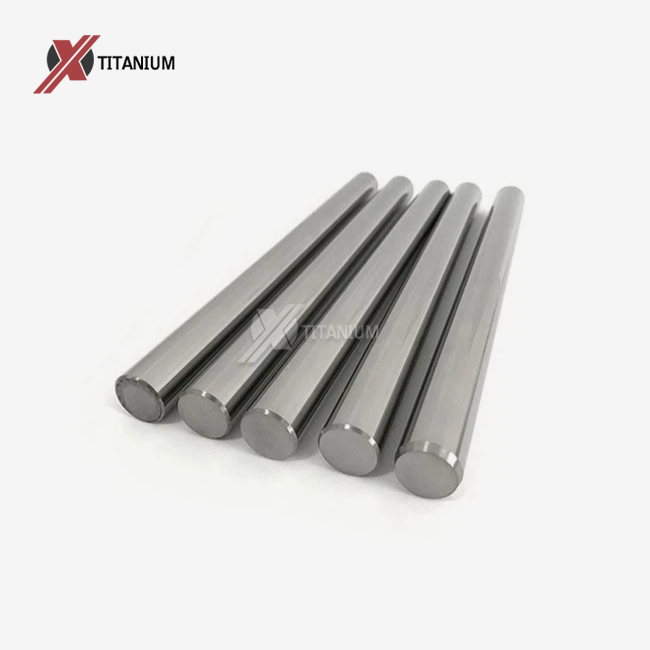
China's Manufacturing Excellence in Titanium Round Rod Production
Advanced Processing Technology and Equipment
Chinese companies that make titanium have put a lot of money into cutting-edge factories. Modern CNC machining centers make it possible to manage the size of titanium bars and titanium round rods very precisely and give them better surface finishes. The best facilities use modern forging, rolling, and annealing techniques to provide the best metallurgical qualities. Using automated quality inspection methods makes sure that materials work the same way in all manufacturing batches.
Raw Material Supply Chain Advantages
China has a strong ability to make titanium sponge, which gives them cheap access to high-purity raw materials. This vertical integration lets producers keep an eye on quality from the first steps of processing all the way to delivery of the finished product. By establishing strategic agreements with worldwide titanium producers, the availability of materials and the variety of grades for particular uses are even better.
Cost-Effectiveness Without Quality Compromise
Chinese manufacturers provide great value by using better manufacturing methods and taking advantage of economies of scale. Because of lower labor costs and effective production techniques, titanium solid rods and titanium precision rods may be sold at competitive prices. This cost benefit is especially important for big orders and specialized applications of titanium structural rods.
Essential Criteria for Selecting Reliable Titanium Rod Manufacturers
Technical Expertise and Manufacturing Capabilities
Check out manufacturers depending on their capacity to produce certain grades and sizes of titanium. Look for vendors that have made grade 5 titanium rods before, can do precise machining, and can make unique alloys. Technical skills should include optimizing heat treatment, finishing surfaces, and achieving dimensional tolerance.
Production Capacity and Equipment Assessment
Check the size of manufacturing by looking at the equipment inventory and the production volume capacities. Top suppliers have many CNC machines, comprehensive testing labs, and enough stock on hand to make sure deliveries are on schedule. It is important for production to be flexible so that it can handle both conventional titanium metal rod orders and bespoke titanium engineering rod requirements.
Quality Management Systems and Processes
Look at the quality control steps that go from checking the raw materials to testing the finished product. Good manufacturers have full quality control systems that include checking dimensions, evaluating mechanical properties, and analyzing chemical composition. Traceability systems should keep track of how materials move through the manufacturing process.
Customer Service and Technical Support
Strong technical assistance sets great vendors apart from typical manufacturers. Find providers that can help you with application engineering, choosing the right materials, and improving your processes. Customer care teams that are responsive should communicate in a timely manner and provide proactive project management assistance.
Supply Chain Stability and Risk Management
Check the financial soundness of your suppliers, the variety of raw materials they can get, and their capacity to prepare for emergencies. To make sure that deliveries are always on time, reliable manufacturers keep strategic amounts of inventory, build numerous supply routes, and put risk mitigation plans into action.
Critical Certification Standards and Quality Compliance
International Quality Management Certifications
ISO 9001 accreditation shows that titanium producers meet basic standards for a quality management system. AS9100 certification is needed for aerospace applications, while ISO 13485 conformity is needed for making medical devices. These certificates show that there is a systematic way to manage quality and improve procedures all the time.
Industry-Specific Standards and Specifications
ASTM standards tell you what materials to use, how strong they should be, and how to test titanium round rods. AMS standards add to the regulations for using titanium bars in the aerospace sector. Manufacturers should keep their certificates up to date and show that they are following the rules via frequent audits by third parties.
Traceability and Documentation Requirements
Full material traceability makes sure that quality is maintained and rules are followed. Manufacturers should provide complete material certifications that show the chemical makeup, mechanical qualities, and history of the processing. Digital documentation solutions make it easier to retain records and provide customers access to good data.
Optimal Sourcing Channels and Platform Selection
Industry Trade Shows and Professional Exhibitions
International titanium industry trade shows provide you direct access to the best manufacturers and technological demos. These events let you touch and feel the materials, talk about technical issues, and get to know possible suppliers. Major shows show off the newest advances in the technology used to make and process titanium machining rods.
Professional Association Networks and Recommendations
Industry groups provide useful tools for evaluating suppliers and suggestions from members. Professional networks make it easier to share information about how well suppliers are doing and how capable they are. Being a member of an association generally shows that a company cares about following industry standards and best practices.
B2B Procurement Platforms and Online Marketplaces
Digital platforms make it easier to find suppliers and evaluate them at first. With advanced search features, you may filter results by things like certifications, manufacturing capacity, and location. Many online platforms provide services to check suppliers and systems for client feedback.
Strategic Approaches to OEM and ODM Partnership Development
Custom Product Development Capabilities
OEM agreements that work well need manufacturers who are good at engineering and development. Find vendors that can help you design, build prototypes, and manufacture bespoke lightweight titanium rods. Regular communication and evaluations of milestones should be part of collaborative development procedures.
Intellectual Property Protection and Confidentiality
Make sure everyone knows what their rights are when it comes to intellectual property and privacy. Reliable manufacturers take strong steps to protect data and keep information private. Legal frameworks should include things like who owns the design, who has the authority to make it, and how technology may be shared.
Long-term Partnership Considerations
Check out possible partners based on how well they fit with your strategy and how likely they are to work with you in the long run. Think about things like how well your technological roadmap fits with theirs, how you intend to grow your capacity, and how you plan to grow your market. Strong relationships make it possible to work together to come up with new ideas and get a competitive edge.
Effective MOQ Management and Pricing Negotiation Strategies
Understanding Minimum Order Quantity Requirements
The minimum order quantity (MOQ) for titanium round rods depends a lot on the grade of the material, the size, and how hard it is to process. Standard grades usually have lower minimum order quantities (MOQs) than bespoke titanium corrosion-resistant rod requirements. Knowing what causes costs to rise helps you set realistic MOQ expectations and plans.
Volume-Based Pricing Optimization
Instead of looking at the number of individual orders, look at the total number of orders you make each year to set prices. Long-term contracts typically save a lot of money and make sure that supplies are always available. Think about using blanket orders with set release dates to improve price and inventory management.
Payment Terms and Financial Arrangements
Set up payment conditions that work for both parties and take into account the amount of the order and the length of the relationship. Progressive payment plans may lower financial risk while keeping supplier cash flow steady. Letter of credit agreements make big titanium billet rod purchases safer.
Comprehensive Factory Audit and Quality Control Recommendations
Production Facility Assessment Protocol
Do detailed audits of the plant that look at the state of the equipment, the maintenance plans, and how much of the production capacity is being used. Check the safety systems, environmental controls, and training programs for employees. The flow of the manufacturing process should show how to handle materials logically and how to integrate quality checkpoints.
Quality System Evaluation and Testing Procedures
Look over the quality control steps, which include checking incoming materials, keeping an eye on the process, and inspecting the finished product. Look at the calibration programs for testing tools and measuring tools. Quality documentation should show that statistical process control and continuous improvement programs are in place.
Supplier Performance Monitoring Systems
Set up mechanisms for continual performance monitoring that look at delivery performance, quality measures, and how quickly customer support responds. Regular supplier scorecards let you objectively evaluate how well a supplier is doing and find ways to make things better. Decisions on developing suppliers and managing relationships should be based on performance data.
Leading Supplier Characteristics and Market Trends in 2026
Technology Integration and Digital Manufacturing
Top-tier manufacturers use cutting-edge technology including automated manufacturing systems, digital quality control, and predictive maintenance programs. Combining artificial intelligence and machine learning makes manufacturing more efficient and keeps quality consistent. Digital platforms make it easier for businesses to talk to customers and keep track of orders.
Sustainability and Environmental Responsibility
Top suppliers have full environmental management systems and use sustainable production methods. Companies show that they care about the environment by making their buildings more energy-efficient, cutting down on trash, and starting recycling programs. More and more, green manufacturing certifications are affecting the choices of suppliers.
Innovation and Product Development Focus
Great firms put a lot of money into research and development, improving technology, and bringing out new products. Working with research centers and tech partners speeds up the cycles of invention. Customer-driven development initiatives make sure that goods match the changing needs of the market.
Conclusion
When choosing a titanium round rod manufacturer in China, you need to carefully look at their technical skills, quality systems, and ability to be a long-term partner. Finding suppliers that have a lot of experience with your unique application needs, strong quality control systems, and a dedication to ongoing improvement is key to success. The finest manufacturers provide low prices together with great quality, dependable delivery, and full technical support. Companies may get China's high-quality manufacturing by following systematic assessment procedures and forming strategic alliances. This way, they can be sure that their important applications will always have the right materials and a reliable supply chain.
FAQ
Q1: What certifications should I look for when selecting a Chinese titanium round rod manufacturer?
A: ISO 9001 for quality management, AS9100 for aerospace applications, and ISO 13485 for medical equipment are all important certifications. Also, check for environmental management certifications, ASTM and AMS material certifications, and industry-specific approvals that are relevant to your needs.
Q2: How can I verify the quality consistency of titanium round rod from Chinese suppliers?
A: Ask for material test certifications for each batch, follow incoming inspection processes, and use statistical process control monitoring. To make sure that your quality system is working and that your materials stay the same over time, think about using third-party testing services and frequent audits of your facilities.
Q3: What is the typical lead time for custom titanium round rod orders from Chinese manufacturers?
A: For common grades and sizes, lead times range from 2 to 4 weeks, and for special requirements, they range from 6 to 12 weeks. Extra time may be needed for complex processing needs, particular surface treatments, or unusual material grades. Talk about how long you estimate the lead time to be during the first review of suppliers.
Partner with Chuanglian for Premium Titanium Round Rod Solutions
With modern production capabilities, a full range of quality systems, and more than 10 years of experience processing titanium, Baoji Chuanglian New Metal Material Co., Ltd. offers great value. We make high-quality titanium round rods for aerospace, medical, and industrial uses at our state-of-the-art plant. We guarantee the performance of the materials and the dependability of the delivery. We are based in China's "City of Titanium," where we mix low-cost production with high-quality standards from across the world. As your trusted titanium round rod supplier, we provide comprehensive technical support, custom solutions, and flexible order quantities. Experience the Chuanglian advantage and contact us at info@cltifastener.com and djy6580@aliyun.com for your titanium material requirements.
References
1. Zhang, Wei, and Liu, Ming. "Advanced Manufacturing Technologies in Chinese Titanium Processing Industry." Journal of Materials Processing Technology, 2024.
2. International Titanium Association. "Global Titanium Market Analysis and Manufacturing Trends." Annual Industry Report, 2024.
3. Chen, Xiaoping, et al. "Quality Management Systems in Chinese Titanium Manufacturing: Best Practices and Standards." Materials Science and Engineering Journal, 2024.
4. Wang, Jianhua. "Supply Chain Optimization in Titanium Round Rod Production." Industrial Manufacturing Quarterly, 2024.
5. American Society for Testing and Materials. "ASTM Standards for Titanium and Titanium Alloys: Comprehensive Guide." ASTM International, 2024.
6. Li, Yanfeng, and Zhou, Hua. "Certification Requirements and Quality Assurance in Titanium Manufacturing." Quality Engineering Review, 2024.