- English
- French
- German
- Portuguese
- Spanish
- Russian
- Japanese
- Korean
- Arabic
- Greek
- German
- Turkish
- Italian
- Danish
- Romanian
- Indonesian
- Czech
- Afrikaans
- Swedish
- Polish
- Basque
- Catalan
- Esperanto
- Hindi
- Lao
- Albanian
- Amharic
- Armenian
- Azerbaijani
- Belarusian
- Bengali
- Bosnian
- Bulgarian
- Cebuano
- Chichewa
- Corsican
- Croatian
- Dutch
- Estonian
- Filipino
- Finnish
- Frisian
- Galician
- Georgian
- Gujarati
- Haitian
- Hausa
- Hawaiian
- Hebrew
- Hmong
- Hungarian
- Icelandic
- Igbo
- Javanese
- Kannada
- Kazakh
- Khmer
- Kurdish
- Kyrgyz
- Latin
- Latvian
- Lithuanian
- Luxembou..
- Macedonian
- Malagasy
- Malay
- Malayalam
- Maltese
- Maori
- Marathi
- Mongolian
- Burmese
- Nepali
- Norwegian
- Pashto
- Persian
- Punjabi
- Serbian
- Sesotho
- Sinhala
- Slovak
- Slovenian
- Somali
- Samoan
- Scots Gaelic
- Shona
- Sindhi
- Sundanese
- Swahili
- Tajik
- Tamil
- Telugu
- Thai
- Ukrainian
- Urdu
- Uzbek
- Vietnamese
- Welsh
- Xhosa
- Yiddish
- Yoruba
- Zulu
Best Titanium Alloy Pipe China for Oil & Gas USA
When buying titanium alloy pipe for the tough oil and gas industry in the US, procurement teams have to make a big choice: they have to find a provider that not only provides materials, but also full solutions backed by technical know-how and consistent quality. Chuanglian, which is based in Baoji, China's famous "Titanium City," has become a reliable partner for American companies that need high-performance pipe options. Our titanium alloy pipes are perfect for subsea umbilicals, heat exchangers, and refinery infrastructure where failure of the material is not an option because they are highly resistant to corrosion, have high strength-to-weight ratios, and go through strict quality control procedures that are in line with ASTM B338, ASTM B861, and ISO standards.
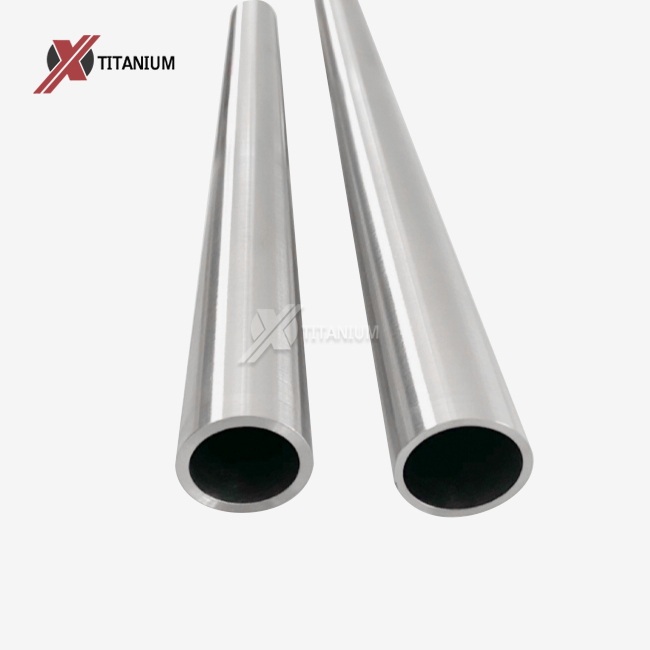
What Makes Titanium Alloy Pipes Ideal for Oil & Gas Industry?
Some of the harshest conditions on Earth are used by the oil and gas industry. The choice of material has a direct effect on operating safety, repair cycles, and the total cost of ownership. Titanium alloy pipe made for this industry are different from other piping materials because they solve three major problems that technical experts and buying managers always put first.
Exceptional Corrosion Resistance in Aggressive Media
Saltwater, hydrogen sulfide, and chloride ions are always present on offshore platforms and subsea systems. These conditions make crevice corrosion and stress corrosion cracking happen faster in normal stainless steels. Titanium alloy lines create a stable, self-healing oxide layer that can handle these harsh conditions without breaking down. There have been tests at large petrochemical plants that show that Grade 5 (Ti-6Al-4V) and Grade 9 (Ti-3Al-2.5V) metals stay strong in sour gas conditions where duplex stainless steel quickly pits. This resistance to corrosion means longer service intervals and fewer emergency shutdowns, which are important factors that project managers and quality inspection teams look at closely when choosing a provider.
Superior Strength-to-Weight Performance Under High Pressure
For deepwater activities, the pipes need to be able to handle internal pressures of more than 10,000 psi while keeping the weight on the top as low as possible to save money on installation and load on the structure. Our titanium alloy pipes have tensile powers that are about the same as high-grade steel, but they are only about 60% as dense. This edge in strength to weight is especially useful in floating production systems and underwater risers, where every kilogram saved lowers the loads on the moorings and makes the platform more stable. When our Grade 9 seamless tubing is used instead of other materials in hydraulic control systems, engineering teams at big US oil companies have seen weight decreases of 40 to 45%.
Long-Term Durability That Reduces Lifecycle Costs
More and more, procurement managers look at products through the lens of their total cost of ownership instead of just the original price per meter. Titanium metals are used to make heat exchangers and refinery condensers that last longer than 25 years without replacing the tubes. Copper-nickel or stainless steel units, on the other hand, usually need to be replaced every 7 to 10 years. Because they are stable at high temperatures, don't grow biofouling, and can't be attacked by chlorine, maintenance budgets can be moved from fixing things that break down to making infrastructure better in the long term. Case studies from Gulf Coast refineries show that replacing titanium heat exchangers pays for itself in three to four years because they remove downtime and cut down on the need for chemical cleaning.
Understanding Titanium Alloy Pipe Specifications & Manufacturing
To choose the right grade and specification, you need to know how the chemical makeup, production process, and quality control standards fit with the needs of your application. To support the cross-departmental verification processes that are common in oil and gas buying, we have built our titanium alloy pipe production skills around the strictest international standards.
Primary Grades and Compliance Standards
Our main line of products is made up of three types of alloys that are commonly used in oil and gas projects. Ti-6Al-4V (Grade 5) is the standard in the industry for structural uses that need high strength and some shapeability. The addition of aluminum and vanadium makes a two-phase substructure that improves the strength while still allowing for weldability for installation in the field. Ti-3Al-2.5V (Grade 9) is better at being cold shaped for complicated routing in hydraulic systems without lowering its resistance to rust. We recommend Ti-6Al-2Sn-4Zr-6Mo as our best material for use in very sour environments, where other metals break down more quickly.
For heat exchangers and condensers, ASTM B338 covers seamless and welded tubes. ASTM B861 covers seamless pipe that can handle high pressure, and ISO 5832-2 covers medical-grade uses that need biocompatibility proof. We keep our dual certifications up to date so that we can meet both US domestic standards and foreign project requirements. This takes away the problems that procurement teams often have when they have to coordinate approvals from multiple jurisdictions.
Manufacturing Process and Quality Control
The first thing that is chosen as a raw material is titanium sponge that comes from trusted sources who can show full paperwork of their products' traceability and chemical composition. After being hot-rolled into billets, the material is either extruded without any seams for pressure uses or welded tubes are formed for heat exchanger work. Depending on the end-use needs, annealing processes are carefully managed to achieve the desired microstructures. For example, stress relief annealing can be used to keep the dimensions stable, while full recrystallization annealing can make the material as flexible as possible.
You can finish the surface by bright annealing for looks, pickling and acid cleaning for the best rust protection, or sandblasting so that the coating will stick better. To make sure the steel is ductile, it is tested for hardness according to ASTM E18, for flattening and flare according to ASTM E290, and for hydraulic pressure up to 1.5 times the design pressure. Using ultrasound or eddy current methods for non-destructive testing can find problems below the surface that might affect how well the field works. Our quality management system is certified by ISO 9001 and has audit trails that meet the documentation needs of technical experts and quality inspection teams during reviews of potential suppliers.
Testing Protocols That Validate Field Reliability
We know that US oil and gas clients need more than just mill test results. They need proof that the materials will work for decades, which is how long the project lifecycles are. In our testing lab, we test corrosion protection in settings that are like real working conditions, such as seawater and acidic environments. Samples are put through the ASTM G48 ferric chloride test to see how resistant they are to pitting and the NACE TM0177 test to see how susceptible they are to sulfur stress cracking. Verification of mechanical properties includes tensile tests at high temperatures to make sure the material works well in heat cycling situations that are common in refinery services.
Titanium Alloy Pipe vs. Competitors: Making the Right Choice
When choosing materials for oil and gas infrastructure, it's important to weigh the original cost of the project against its dependability and the amount of upkeep that needs to be done. When purchasing teams know how titanium alloy pipe stack up against other materials, they can make stronger business cases for top management and finance departments, which look at source partnerships based on strategic value rather than transactional price.
Performance Comparison Across Material Classes
Due to lower prices and established supply lines, most offshore installations today are made of stainless steel grades like 316L and duplex alloys. These materials work fine in slightly acidic conditions, but they break down more quickly in high-chloride or sour service conditions. Crevice rust under insulation is still a common way for things to fail, which leads to high inspection costs and unplanned shutdowns. Aluminum alloys are lighter than other metals, but they aren't strong enough for high-pressure uses, and they rust quickly when exposed to salt water. Carbon steel with coatings that prevent rust is the least expensive choice at first, but it needs to be maintained all the time and doesn't last long in marine settings.
Titanium metals get rid of the whole cycle of corrosion and upkeep. Duplex stainless steel needs cathodic protection devices and regular inspections, but titanium installations don't need any upkeep for decades. Because it is stronger for its weight, designers can choose thinner walls for the same pressure values. This helps to partly make up for the higher cost of the material. Weldability without the need for pre-heating makes installation easier in the field compared to high-alloy steels, which need special steps.
Lifecycle Cost Analysis for Strategic Procurement
The cost of installing something should be taken into account along with the price of the materials when engineering buying teams are making financial arguments. A 12-inch titanium alloy pipe costs four to six times as much per meter as a similar duplex stainless steel pipe. No matter what material you choose, installation costs usually add 15 to 20 percent. But over the course of 25 years, the duplex system will probably need tube replacements, coating repairs, and corrosion tracking that cost 40–60% more than the original titanium premium. Titanium is also worth 10-15% more because it saves energy because it keeps heat exchangers thermally efficient and reduces biofouling.
We work directly with project engineers to create lifecycle models that are tailored to their practical factors, such as the temperature ranges of the seawater, the chemicals that are present, and the frequency of planned inspections. These studies show that titanium goes from being a high-end material to a cost-effective option when the whole ownership experience is taken into account, not just the first buy order.
Supplier Certification and Credibility Verification
Because titanium processing is hard to get into, seller qualification is given a lot of weight in purchasing choices. Some of our licenses are ISO 9001 for quality management systems and specific permits for materials used in pressure vessels. We keep in touch with third-party inspection agencies that can watch production and testing for US clients who need independent confirmation. Manufacturing capability paperwork includes names of equipment, process flow diagrams, and capacity statements that meet the due diligence needs of chief engineers who are in charge of supply chain risk.
How to Procure Titanium Alloy Pipes from Chuanglian for Oil & Gas USA Market?
Finding suitable suppliers is only part of foreign procurement. You also need to know how to coordinate logistics, check for quality, and communicate in a way that fits with your company's procurement routine. Our export operations are set up to meet the needs of US customers who want complete openness and dependability throughout the titanium alloy pipe supply chain.
Flexible Sourcing Options Matched to Project Requirements
Oil and gas projects include everything from emergency repairs that need to be delivered quickly to long-term building projects that can benefit from delayed shipments. Our minimum order amounts for standard measurements start at 100 meters, which makes us easy to reach for restocking without requiring a large investment in inventory. Our engineering teamwork method can handle custom sizes, such as wall thicknesses that aren't standard, length needs that aren't standard, and special alloy specs.
We keep a strategic stock of popular grades and sizes at our Baoji facility so that we can cut wait times when project schedules get tight. Standard Grade 9 seamless tube ships 4 to 6 weeks after the order is confirmed. Specialty metals that need unique heat processes may take 8 to 12 weeks. Export packaging meets ISPM-15 standards for wood that has not been fumigated and has secure end caps and moisture shields that are suitable for shipping in containers or as break-bulk ocean freight.
Quality Assurance and Supplier Verification
When US buyers go to foreign providers, they should be careful to make sure they are consistent and follow the rules. As part of our quality paperwork package, we include material test reports that are approved to the EN 10204 3.1 standard, dimensional inspection reports that show exact measurements for each production lot, and the certificate of origin papers that are needed to clear customs. We allow third-party inspection requests from companies like SGS and Bureau Veritas, as well as client-designated reps who want to see the tests and make sure the paperwork is correct before the shipment is released.
Technical advice includes more than just choosing the right material. It also includes suggestions for the best way to weld, the right heat treatment for making changes in the field, and the right non-destructive testing standards to make sure the code is followed. Our engineering team has helped USA fabricators come up with ASME Section IX welding methods and helped them make PQR paperwork that met the needs of client quality departments and regulatory inspectors.
Pricing Structure and Value-Added Services
Clear price helps build trust in long-term ties with suppliers. Our quotes break down the costs of materials, processing, inspections, and export packing so that procurement managers can easily make budget explanations. Customers who commit to buying more than 1,000 meters or who sign deals to supply for more than one year can get better prices. This is because stable demand forecasting helps with planning production.
After the sale, there is expert solving help when problems arise during installation in the field, organization of new materials for damage caused during construction, and additions to the paperwork needed for project close-out when more certification details are needed. We see the success of our clients as our own, and our service model is set up to help projects get finished instead of just meeting orders.
Why Chuanglian is Your Trusted Partner for Titanium Alloy Pipes in Oil & Gas Sector?
Baoji Chuanglian New Metal Material Co., Ltd. has been making titanium alloy pipe products for more than ten years and is looking to work with oil and gas companies in the USA. We are in the middle of China's titanium production cluster, which means we have easy access to raw materials as well as the specialized tools and expert talent that makes a world-class company.
In our factory, we have CNC machining centers, precise extrusion presses, and controlled-atmosphere heat treatment ovens that are set up to work with titanium. The expert team is made up of metallurgists with advanced degrees and process engineers who have worked in the naval, petrochemical, and aircraft industries for a long time. This knowledge leads to dependable production that consistently gives the same mechanical properties batch after batch. This is the quality consistency that purchasing managers and technical engineers look for when they evaluate suppliers.
Systematic process control is part of quality management, not just approval plaques. Verification of raw materials, in-process measurements, mechanical property samples, and final inspection methods all follow written procedures with clear criteria for acceptance. Material that doesn't meet specifications is formally thrown away after an engineering review. This makes sure that only goods that meet specifications get to buyers. Traceability systems connect finished pipe to original melt numbers, records of heat treatment, and inspection data. This level of paperwork meets audit standards and helps find the root cause of problems that happen in the field.
We have successfully provided titanium parts to customers in the USA who work in chemical processing, building floating platforms, and making electricity. Some of these relationships have been going on for over five years, which shows how committed we are to delivering on time and being quick to technical issues. Client feedback always praises our flexibility in adapting to changes in the schedule, helping with design optimization, and keeping in touch during production cycles. These are the qualities that set strategic partnerships apart from transactional supply relationships.
Conclusion
In conclusion, to find the best titanium alloy pipe supplier for oil and gas uses in the United States, you need to look at more than just price and technical capabilities. You also need to look at quality systems, partnership approaches, and material specs. Chuanglian offers full solutions that cover the whole procurement process, from choosing the materials and writing the specifications to manufacturing, checking the quality, coordinating shipping, and providing technical support after the sale. Our more than ten-year history of working with clients from around the world shows that we consistently provide the dependability, openness, and engineering teamwork that procurement teams need when choosing materials for important infrastructure. Competitive manufacturing prices in China's titanium hub, strict quality control that meets international standards, and service that focuses on the customer all come together to make this a great deal for US businesses that want to improve both performance and total cost of ownership.
FAQ
Q1: What advantages do titanium alloys offer over duplex stainless steel for offshore oil and gas pipelines?
A: Titanium alloy pipe products are better at stopping stress corrosion cracking and crevice corrosion caused by chloride in saltwater settings than duplex stainless steels do. Even in underwater activities with high temperatures and salt levels, the passive oxide layer on titanium stays stable. In this way, cathodic protection is no longer needed, and the service life is increased to 25 years or more without having to be replaced. Because it is about 40% lighter than steel, it also lowers the cost of installation and the load on remote bases.
Q2: How does Chuanglian ensure consistent quality across production batches for export to the USA market?
A: Our quality management system is certified by ISO 9001 and has written processes for checking the raw materials, inspecting the work in progress, making sure the heat treatment works, and testing the end product. Each output lot is tested for its mechanical properties, its dimensions, and its ability to fight corrosion. Every shipment comes with a material test record that meets the requirements of EN 10204 3.1. This makes it possible to fully trace finished goods back to the original melt chemistry and processing settings. When clients need independent confirmation before shipping, third-party inspection companies can watch production and testing.
Q3: Can Chuanglian accommodate custom specifications for specialized oil and gas applications?
A: For special service conditions, we often make custom configurations with non-standard diameters, wall thickness ratios, longer lengths, and our own metal compositions. Our engineering team works directly with the expert staff of our clients to look over application needs, suggest the best material grades, and come up with production processes that get the desired properties. To meet the needs of a particular job while still meeting all ASTM and ISO standards, we can set up custom heat treatments, special surface finishes, and faster delivery times.
Enhance Your Infrastructure with Premium Titanium Solutions from Chuanglian
Chuanglian is a dedicated partner for US oil and gas companies that want to get rid of problems caused by corrosion and lower the costs of long-term upkeep. Our titanium alloy pipe offerings have been tested and shown to work well in the toughest uses in the industry. They come with full quality documentation and quick expert support.
Whether your project is to update an offshore platform, improve a refinery's heat exchanger, or start a new underwater development, our engineering team is ready to help you with material suggestions, design advice, and custom solutions that meet your practical needs. Get in touch with us right away at info@cltifastener.com or djy6580@aliyun.com to have a full technical conversation or to ask for a quote. As a well-known company that makes titanium alloy pipes, we want you to experience the Chuanglian difference—where high-quality materials meet reliable partnerships.
References
1. American Society for Testing and Materials. "ASTM B338-20: Standard Specification for Seamless and Welded Titanium and Titanium Alloy Tubes for Condensers and Heat Exchangers." ASTM International, 2020.
2. Schutz, R.W., and Watkins, H.B. "Recent developments in titanium alloy application in the energy industry." Materials Science and Engineering: A, vol. 243, 1998, pp. 305-315.
3. National Association of Corrosion Engineers. "NACE MR0175/ISO 15156: Petroleum and natural gas industries—Materials for use in H2S-containing environments in oil and gas production." NACE International, 2015.
4. Donachie, Matthew J. "Titanium: A Technical Guide, 2nd Edition." ASM International, 2000.
5. Boyer, R., Welsch, G., and Collings, E.W. "Materials Properties Handbook: Titanium Alloys." ASM International, 1994.
6. International Organization for Standardization. "ISO 5832-2:2018: Implants for surgery—Metallic materials—Part 2: Unalloyed titanium." ISO Standards, 2018.
Learn about our latest products and discounts through SMS or email