- English
- French
- German
- Portuguese
- Spanish
- Russian
- Japanese
- Korean
- Arabic
- Greek
- German
- Turkish
- Italian
- Danish
- Romanian
- Indonesian
- Czech
- Afrikaans
- Swedish
- Polish
- Basque
- Catalan
- Esperanto
- Hindi
- Lao
- Albanian
- Amharic
- Armenian
- Azerbaijani
- Belarusian
- Bengali
- Bosnian
- Bulgarian
- Cebuano
- Chichewa
- Corsican
- Croatian
- Dutch
- Estonian
- Filipino
- Finnish
- Frisian
- Galician
- Georgian
- Gujarati
- Haitian
- Hausa
- Hawaiian
- Hebrew
- Hmong
- Hungarian
- Icelandic
- Igbo
- Javanese
- Kannada
- Kazakh
- Khmer
- Kurdish
- Kyrgyz
- Latin
- Latvian
- Lithuanian
- Luxembou..
- Macedonian
- Malagasy
- Malay
- Malayalam
- Maltese
- Maori
- Marathi
- Mongolian
- Burmese
- Nepali
- Norwegian
- Pashto
- Persian
- Punjabi
- Serbian
- Sesotho
- Sinhala
- Slovak
- Slovenian
- Somali
- Samoan
- Scots Gaelic
- Shona
- Sindhi
- Sundanese
- Swahili
- Tajik
- Tamil
- Telugu
- Thai
- Ukrainian
- Urdu
- Uzbek
- Vietnamese
- Welsh
- Xhosa
- Yiddish
- Yoruba
- Zulu
Best titanium bolt kits for mountain bike suspension components
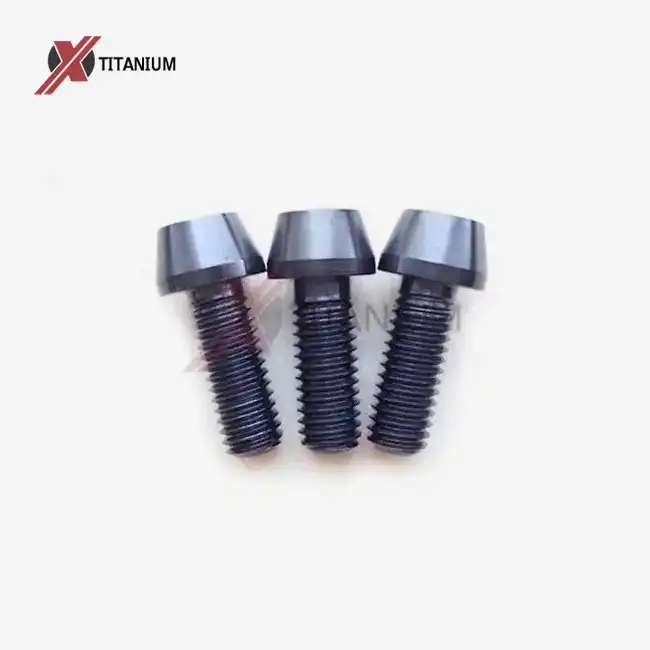
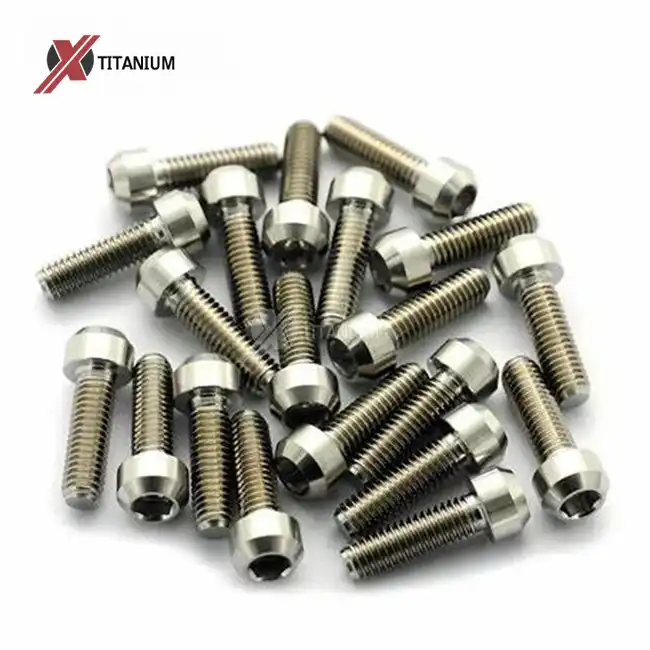
When upgrading mountain bike suspension systems, choosing the right fasteners matters more than most riders realize. Mountain bike titanium bolt kits deliver a combination of weight reduction, corrosion resistance, and mechanical strength that steel and aluminum simply cannot match. Grade 5 titanium bolts—manufactured from Ti-6Al-4V alloy—provide tensile strengths exceeding 950 MPa while weighing 40% less than comparable steel fasteners. For suspension linkages, shock mounts, and fork components that endure cyclical loading and environmental exposure, these kits represent a measured engineering upgrade rather than just aesthetic enhancement. This guide explores how to evaluate, select, and source titanium fasteners for suspension applications.

Understanding Titanium Bolt Kits for Mountain Bike Suspension Components
Mountain bike titanium bolt kits made for suspension use are very different from other types of gear. When used in harsh conditions like vibration, impact loading, and moisture exposure, these specialised fasteners meet the specific mechanical needs of fork lowers, rear shock mounts, and linkage pivot assemblies.
Material Composition and Metallurgical Properties
ASTM B348 guidelines say that Grade 5 titanium metal has 90% titanium, 6% aluminium, and 4% vanadium. This mix has a density of 4.43 g/cm³, which is much lower than steel's 7.85 g/cm³. This means that a lot of weight is saved without any loss in structural performance. The alloy's stress strength is about 880 MPa, which is higher than most types of stainless steel used in bicycle parts. CNC machines make sure that the dimensions are exact, and rolled threads keep the integrity of the grain structure. This is a production feature that makes the threads 30% more resistant to fatigue than cut threads.
Corrosion Resistance in Trail Environments
Titanium's inactive oxide layer forms on its own when it comes into contact with oxygen. This layer protects against saltwater, mud, and acidic conditions that you might find on wet tracks. Titanium is chemically stable from pH 3 to 12, while steel bolts need to be zinc-plated or made of stainless steel to keep them from rusting. This is especially important for riders who live near the coast or in wet places where galvanic rust between metals speeds up the breakdown of parts.
Torque Specifications and Thread Engagement
Manufacturers of suspensions say that linkage bolts should have torque values between 5 and 12 Nm, but this depends on the thread width and the application. Titanium has a lower friction coefficient than steel, so it's important to use the right amount of torque. If you overtighten, you can damage the threads on the aluminium frame, but if you undertighten, the fastener can move. ISO 965-2 6g thread limits make sure that the threads connect precisely without binding, which is very important for keeping the preload in pivot assemblies.
Comparison of Titanium Bolt Kits with Steel and Aluminum Alternatives
Material selection for suspension fasteners involves analyzing performance trade-offs across weight, strength, durability, and cost dimensions. Each material category serves distinct use cases within the cycling industry. Mountain bike titanium bolt kits occupy the premium position by delivering steel-level strength at aluminum-comparable weight.
Performance Analysis Across Material Types
Steel bolts, especially those that meet the specifications for Grade 8.8 and 10.9, are very strong and don't cost a lot. They are the standard choice for most production bikes because their mechanical properties are easy to predict and they are easy to find. However, because steel is denser than titanium, a full suspension bolt kit weighs 60 to 80 grams more. More importantly, steel screws corrode when their protective coatings wear off, which can damage the threads in aluminium frames and cause servicing problems.
Although aluminium nuts are lighter than titanium ones, they are not nearly as durable. Tensile strengths for aluminium screws rarely go above 400 MPa, even in the 7075 metal. This means that they could break under high torque or impact loads. They are still only used for non-essential tasks, like bottle cage mounts, and not for structural suspension links.
Titanium's ability to resist wear is especially useful in suspension pivots, which are loaded and unloaded millions of times over the course of a bike's life. Even though it costs three to four times more than steel at first, the savings on repairs caused by corrosion and the lighter weight make the investment worth it for uses that need performance.
Long-Term Cost Implications
When procurement teams look at the total cost of ownership, they need to think about how often things need to be replaced and how much maintenance they need. In wet places, steel suspension bolts usually need to be replaced every 18 to 24 months because rust weakens the threads. Titanium fasteners usually last longer than 5 years with little wear and tear, which means they don't need to be replaced as often and don't cost as much to replace. OEM manufacturers can make their high-end model lines stand out more by specifying titanium. This also cuts down on warranty claims related to fastener failure.
How to Select the Best Titanium Bolt Kit for Your Mountain Bike Suspension
Selecting appropriate mountain bike titanium bolt kits requires matching material specifications, dimensional tolerances, and supplier capabilities to specific suspension designs and operational requirements. To choose the right titanium fasteners, you need to make sure that the supplier's skills, the material specs, and the size and shape tolerances match the unique suspension designs and operational needs.
Evaluating Supplier Certifications and Quality Systems
Reliable titanium bolt suppliers use ISO 9001 quality management systems and give material certifications that show how the alloy was made and how it was tested in a mill for each batch. For uses related to aircraft, AS9100 certification means improved process controls. Manufacturers should show that they can do damaging tests like tensile tests, hardness checks, and metallographic grain structure analyses. Ask for conformance certificates that show that the raw materials meet ASTM B348 standards and that the finished fasteners meet DIN 912, ISO 7380, or similar standards.
Matching Bolt Specifications to Suspension Types
Different types of suspensions need different types of fasteners. For attaching the main pivot, single-pivot designs usually use M8 or M10 bolts, while M5 or M6 screws may be used in multi-link systems for connecting the smaller links. When you mix metric and imperial threads, you get dangerous mismatches. Thread size must match frame specs exactly. Different clearance needs are met by button head (ISO 7380) and socket head (DIN 912) styles. For tight spaces, button heads have lower profiles.
Surface Treatment Options and Functional Benefits
Most of the time, basic smooth finishes are good enough, but some treatments improve certain qualities. Vacuum nitriding raises the surface hardness above 2000 HV, which lowers the chance of galling when titanium threads touch aluminium parts. PVD coating lets you change the colour and adds a protective layer. Anodising processes in colourful, blue, purple, gold, and black finishes let you change the way something looks without changing how it works. For professional team uses where weight saves are very important, natural titanium finishes that aren't covered reduce mass.
Installation and Maintenance of Titanium Bolt Kits on Mountain Bike Suspensions
Proper installation procedures and maintenance protocols maximize the performance advantages mountain bike titanium bolt kits provide while preventing common installation errors. The performance benefits of titanium fasteners are maximised when they are installed and maintained correctly.
Step-by-Step Installation Protocol
First, use isopropyl alcohol to clean the mounting surfaces and threads well. This will get rid of any grease, dirt, or old threadlocker dust. Use anti-seize powder made just for titanium on the threads. This is very important to keep the titanium bolts from galling against the aluminium frame threads. When similar metals press against each other, they form a chemical bond that stops fasteners from moving. Tighten the bolts until they are finger-tight, making sure they are straight before adding force. Use torque wrenches that are calibrated to within ±4% of their reading and follow the manufacturer's instructions to the letter. For suspension pivot uses, the recommended torque range is between 5 Nm for M5 bolts and 12 Nm for M10 bolts, but you should always check the manufacturer's instructions first.
Inspection Intervals and Wear Indicators
Set up inspection times based on how often you ride and how much you are exposed to the environment. For competitive downhill use, the trails should be inspected every month, but for leisure cross-country use, they may only need to be inspected every three months. During checks, take off the nuts and look at the threads closely to see if they have any galling, scoring, or distortion. If the tool engagement isn't right, check the bolt heads for rounding. Use precise callipers to measure the length of the bolt. If it stretches beyond the manufacturing limits, it needs to be replaced. Before putting the frame back together, clean and re-oil the threads and use new threadlocker where the manufacturer's instructions say to.
Addressing Common Installation Challenges
Because titanium doesn't have as much elastic modulus as steel, bolts bend a little more when they're loaded. This trait can be confusing during installation if the screws feel "softer" than steel ones of the same size. Trust the power specs more than the feedback you feel. When you switch from steel bolts to titanium bolts, the thread contact depth stays the same, but the lighter weight may make you worry about the strength at first. Remember that the strength of a fastener is based on its material qualities, not how it feels. If the bolts keep coming loose even after applying the right amount of torque, make sure that the pivot bearings are properly seated and that the frame faces are parallel. If they are not, the fasteners will have to work as alignment pins instead of tensioners.
Where and How to Purchase High-Quality Titanium Bolt Kits for MTB Suspensions
Sourcing quality mountain bike titanium bolt kits requires identifying manufacturers with demonstrated capability in precision machining and material verification protocols. To find good titanium fasteners, you need to find makers who have a track record of precision machining and following material testing standards.
Direct Manufacturer Relationships
Building partnerships with titanium product makers instead of middlemen sellers can help with customisation, technical support, and the cost structure for large orders. Based in China's "City of Titanium," Baoji Chuanglian New Metal Material Co., Ltd. makes CNC-machined titanium screws and is fully integrated from buying raw materials to inspecting produced goods. Their quality control system uses set checking procedures at every stage of production to make sure that the sizes and materials are always the same. Direct manufacturer engagement lets OEM bicycle makers and aftermarket part makers make custom sizes, packaging, and surface treatment requirements that standard catalogue products can't meet.
Evaluating Technical Support Capabilities
Good suppliers offer engineering support after the product has been delivered. Look for manufacturers that offer help with torque specifications, documentation of material properties, and training on how to install their products. Manufacturing partners are different from commodity sellers because they can make unique bolt lengths, head styles, and thread configurations. Before agreeing to large quantities of production, ask for sample kits to check the thread quality, consistency of the surface finish, and accuracy of the dimensions against the specs.
Bulk Procurement and Customization Options
When you buy in bulk, you save a lot of money and make sure that you have enough goods for when you need it. Manufacturers like Chuanglian let you choose from different types of materials, finish options, and size requirements. Grade 5 titanium (Ti-6Al-4V) is the strongest grade for use in suspension applications. Other grades are better for other uses. Parts makers can use custom anodising in gold, blue, green, purple, black, and colourful finishes to make their brands stand out. Minimum order numbers depend on how complicated the design is. For example, normal configurations may need at least 500 pieces, while custom requirements need higher volumes to justify the cost of the tools.
Conclusion
Mountain bike titanium bolt kits are a clear improvement for mountain bike suspension systems that need to lose weight, fight rust, and last longer after repeated use. Grade 5 titanium metal has tensile strengths of more than 950 MPa and is 40% lighter than steel options. It also doesn't rust, which means it will last longer in tough trail settings. To make the right choice, you need to match the material's specs to the needs of the application, check the quality systems of the suppliers, and know how to install things in a way that avoids common problems. Direct relationships with manufacturers let you customise products and get technical help, which improves their performance and makes buying them easier for OEM and aftermarket uses.
FAQ
What advantages do titanium suspension bolts provide over steel?
When compared to steel versions, titanium suspension nuts are about 40% lighter while still having the same tensile strength of 950 to 1050 MPa for Grade 5 metal. The material's natural resistance to corrosion stops rust-related damage in wet conditions, so it can last longer than 5 years with proper care, compared to 18 to 24 months for steel in harsh settings. When loads change over time, like in suspension pivots, fatigue resistance is better.
How do I determine correct torque specifications for titanium bolts?
Always use the manufacturer's instructions as your first guide. Depending on the bolt width and purpose, these instructions should be between 5 and 12 Nm. Because titanium has a lower friction coefficient than steel, torque values for titanium fasteners are sometimes different from torque values for steel fasteners. To avoid galling and make sure correct torque transfer, use torque wrenches that have been measured and an anti-seize compound that works with titanium.
Can titanium suspension bolts be reused after removal?
Grade 5 titanium bolts can usually be used again as long as there is no damage to the threads, head deformation, or lengthening. Thoroughly clean the threads, look at them under a microscope to see if they are galling or scoring, and compare the length to the specs to see if they are stretched. When putting it back together, use new anti-seize powder and follow the original force specs. Any fastener that has damage that can be seen or changes in size that can be measured should be replaced.
Partner with Chuanglian for Premium Mountain Bike Titanium Bolt Kits
Chuanglian makes titanium fasteners that are precisely designed to meet the strict needs of suspension uses. As a well-known company that makes mountain bike titanium bolt kits, we offer Grade 5 Ti-6Al-4V bolts with CNC-machined accuracy, rolled threads for better wear resistance, and different surface processes, such as anodising in different colours. Our quality control system helps both OEM manufacturers and aftermarket distributors by making sure that materials can be tracked and that the same sizes are used in all production batches.
We can help you choose the right material, get the right torque, and make unique configurations because we've been cutting titanium for over ten years and can test everything. Get in touch with our engineering team at info@cltifastener.com or djy6580@aliyun.com to talk about buying in bulk, special size needs, and technical requirements for your suspension fastener projects. You can find detailed product specifications and material certifications at cl-titanium.com.
References
1. ASTM International. (2023). "ASTM B348: Standard Specification for Titanium and Titanium Alloy Bars and Billets." West Conshohocken, PA: ASTM International.
2. Donachie, Matthew J. (2000). "Titanium: A Technical Guide, 2nd Edition." Materials Park, OH: ASM International.
3. ISO Standards. (2022). "ISO 965-2: ISO General Purpose Metric Screw Threads — Tolerances — Part 2: Limits of Sizes for General Purpose External and Internal Screw Threads." Geneva: International Organization for Standardization.
4. Schutz, R.W. and Watkins, H.B. (1998). "Recent Developments in Titanium Alloy Applications in the Energy Industry." Materials Science and Engineering: A, 243(1-2), 305-315.
5. Bicycle Product Suppliers Association. (2023). "Technical Standards for Bicycle Fasteners and Component Assembly." Boulder, CO: BPSA Technical Committee.
6. Lutjering, Gerd and Williams, James C. (2007). "Titanium, 2nd Edition: Engineering Materials and Processes." Berlin: Springer-Verlag.
Learn about our latest products and discounts through SMS or email