- English
- French
- German
- Portuguese
- Spanish
- Russian
- Japanese
- Korean
- Arabic
- Greek
- German
- Turkish
- Italian
- Danish
- Romanian
- Indonesian
- Czech
- Afrikaans
- Swedish
- Polish
- Basque
- Catalan
- Esperanto
- Hindi
- Lao
- Albanian
- Amharic
- Armenian
- Azerbaijani
- Belarusian
- Bengali
- Bosnian
- Bulgarian
- Cebuano
- Chichewa
- Corsican
- Croatian
- Dutch
- Estonian
- Filipino
- Finnish
- Frisian
- Galician
- Georgian
- Gujarati
- Haitian
- Hausa
- Hawaiian
- Hebrew
- Hmong
- Hungarian
- Icelandic
- Igbo
- Javanese
- Kannada
- Kazakh
- Khmer
- Kurdish
- Kyrgyz
- Latin
- Latvian
- Lithuanian
- Luxembou..
- Macedonian
- Malagasy
- Malay
- Malayalam
- Maltese
- Maori
- Marathi
- Mongolian
- Burmese
- Nepali
- Norwegian
- Pashto
- Persian
- Punjabi
- Serbian
- Sesotho
- Sinhala
- Slovak
- Slovenian
- Somali
- Samoan
- Scots Gaelic
- Shona
- Sindhi
- Sundanese
- Swahili
- Tajik
- Tamil
- Telugu
- Thai
- Ukrainian
- Urdu
- Uzbek
- Vietnamese
- Welsh
- Xhosa
- Yiddish
- Yoruba
- Zulu
Beta Titanium Wire in High-End Eyewear: A Trend to Watch
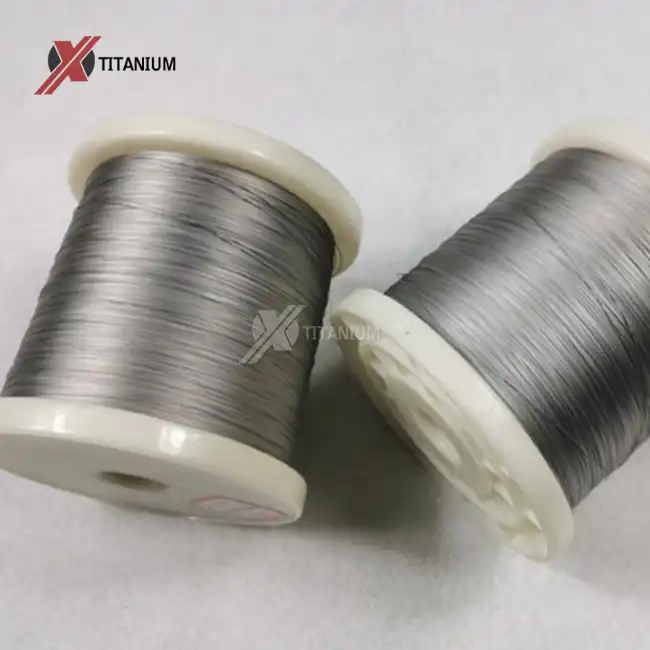
As the high-end eyewear business moves toward new, cutting-edge materials, beta titanium wire is quickly becoming the gold standard for making high-end frames. For modern glasses, the material needs to be strong, flexible, and safe for the body. This special titanium metal is all of those things. Beta titanium wire is different from other materials because it lets creators be more creative while still making things that are strong and comfortable for people to use. More and more, people want glasses that are light, don't bother their eyes, and look good. This new material is quickly becoming a big part of the market for high-end glasses. It is driving new ideas and setting new quality and performance standards.
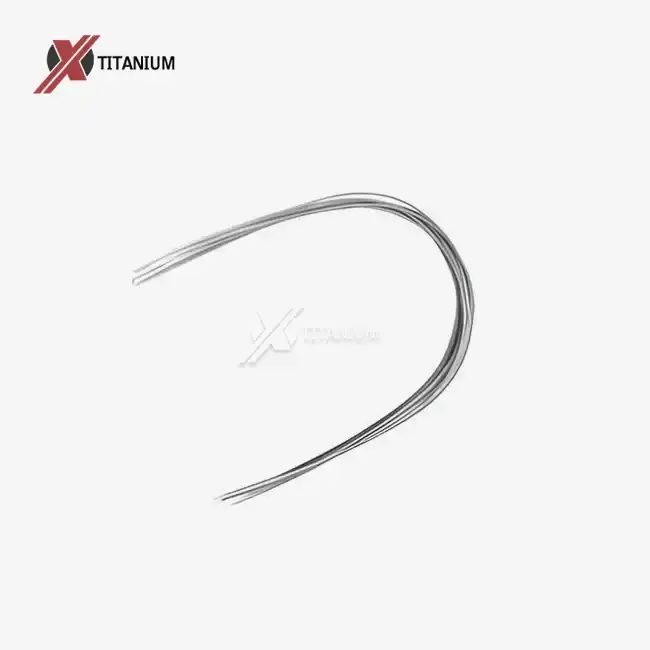
Understanding Beta Titanium Wire: Key Properties and Benefits
The discovery of beta titanium wire is a big step forward in the field of mechanical engineering. It is one of a kind because its body-centered cubic (BCC) crystal structure stays the same at room temperature. Elements like molybdenum, vanadium, chromium, and zirconium help to stabilize the beta structure of this one-of-a-kind titanium metal. The stuff it makes is not at all like the pure titanium you can buy in shops or the typical alpha-beta alloys like Ti-6Al-4V.
Exceptional Mechanical Properties
When it comes to making high-end glasses, the mechanical qualities of beta titanium wire solve important problems. The elastic stiffness of this material is only 60 to 80 GPa, which is much lower than the 110 GPa of normal titanium alloys. This makes it very flexible without affecting its structural stability. Its tensile strength is between 800 and 900 MPa after being solution-treated and up to 1100 to 1400 MPa after being aged. This gives the people who make things a lot of choices for how to work with the material.
Superior Formability and Processing Advantages
Because beta titanium wire is so good at being cold made, it can be shaped and bent in a lot of different ways without breaking. It's very helpful for people who make glasses and have to make frames with lots of small angles and shapes. When the material is flexible, it can stretch 15 to 20 percent. This lets complicated manufacturing methods work, and the material keeps its shape during the whole production process.
Enhanced Corrosion Resistance
Beta titanium wire doesn't rust as easily as many other materials used to make sunglasses. The titanium dioxide (TiO2) oxide layer is very thick and strong. It guards well against things like weather, sweat, and the chemicals that are often used to clean glasses. This protection ensures that the glasses will look good and stay stable for a long time, which is important for expensive glasses.
Beta Titanium Wire vs. Competing Materials in Eyewear
In the glasses business, different materials are used, and each has its own pros and cons. When you look at everything, you can see why beta titanium wire is becoming more and more popular for high-end uses.
Performance Against Commercially Pure Titanium
But it's not flexible or springy enough for current frame designs. Pure titanium that you can buy in shops is safe and doesn't rust. Because it has a metastable crystal structure, beta titanium wire doesn't have these issues. This makes it more flexible while having the sensitive properties that make titanium metals good for use in glasses.
Advantages Over Stainless Steel
Frames made of stainless steel are cheap and strong, but they are heavy and awkward. Because beta titanium wire is denser than stainless steel (about 7.9 g/cm³ vs. 4.8–5.0 g/cm³), frames are much lighter. This lowers pressure points and makes long-term use more comfy. Beta titanium is also less stiff when stretched, which makes it easier to make changes to the fit over time.
Comparison with Nickel-Titanium Alloys
Nickel and titanium alloys are very flexible, but some people may be allergic to nickel. This risk is taken away by beta titanium wire, which is also safe and flexible enough to be used in glasses. Because it doesn't have nickel in it, beta titanium wire is safe for medical equipment and people with sensitive skin.
Procurement Insights: How to Source Premium Beta Titanium Wire for Eyewear Production?
If you want to buy high-quality beta titanium wire, you should carefully look at the supplier's skills, quality systems, and facilities for getting expert help. Beta titanium alloys are very difficult, so they can only be provided by companies that know a lot about them and have a history of making high-performance materials.
Supplier Qualification Criteria
Experts in buying things make sure that sources have strict quality certifications, like ASTM B863 for titanium wire standards, ISO 9001 for quality management systems, and certifications that are special to the business of making glasses. Making sure that materials always have the same traits and that the supply chain works right is what these approvals do. They help plan output and make sure quality.
Technical Specifications and Customization
Some of the best companies that sell beta titanium wire let you customize it in many ways, such as choosing the metal makeup (like Ti-11.5Mo-6Zr-4.5Sn or Ti-15Mo), the thickness, and the surface finish. If buying teams know these things, they can pick the most cost-effective materials for a range of frame styles and production methods.
Supply Chain Considerations
Because it takes a lot of skill to make beta titanium wire, product control and wait times need to be very carefully controlled. Production methods usually take between 4 and 12 weeks, but this depends on how hard the requirements are to follow and how many orders there are. You can be sure of regular delivery times and expert help throughout the whole process of making a product if you build strong relationships with qualified providers.
Trends Driving the Adoption of Beta Titanium Wire in High-End Eyewear
The market for high-end glasses keeps moving toward materials that look good and work well. Modern titanium metals are being used more and more in high-end frames because of a number of important trends.
Consumer Demand for Lightweight Comfort
These days, people choose glasses based on how comfortable and simple they are to put on. For how light beta titanium wire is, it is very strong. This means that frames can be made that are almost invisible when worn while still being strong. Because of this trend, the market for computer glasses that you can wear all day and frames with progressive lenses is growing. Comfort is very important for long-term use.
Hypoallergenic Material Requirements
Hypoallergenic materials are being used more and more in glasses because people are becoming more aware of skin problems and allergic reactions. Beta titanium wire meets tougher health and safety regulations in markets all over the world thanks to its nickel-free composition and nontoxic surface.
Design Innovation and Customization
Beta titanium wire can be used in ways that were previously impossible with other materials because it is so simple to work with. A lot of different geometric shapes can be used to make very thin outlines. Products that have built-in opening systems look better and work better. You can join the growing trend toward custom and one-of-a-kind glasses with this feature.
Why Beta Titanium Wire Is the Preferred Choice for OEM Eyewear Manufacturers?
The people who make the lenses for glasses are under more and more pressure to make their products stand out while keeping prices low and quality high. These issues can be fixed with beta titanium wire because it has a unique mix of processing advantages and performance traits.
Manufacturing Flexibility and Efficiency
When beta titanium wire is cold, it is very easy to shape. This speeds up the manufacturing process by reducing the number of difficult heat treatment steps that need to be done during shaping. Standard welding methods help companies get exact shapes and measurements, which makes production easier and lowers the costs that come with it. This material doesn't work harden, so it can be shaped more than once without having to be heated each time. This makes production go faster.
Long-term Performance and Reliability
Beta titanium wire can handle a lot of stress and keeps its shape even after being loaded and unloaded many times, which happens a lot in glasses. Because of this, manufacturers get fewer service claims and their names look better. It is impossible for this material to break under stress, so it will last a long time even in difficult conditions.
Market Positioning and Brand Differentiation
Eyewear brands utilizing beta titanium wire can position their products in the premium market segment while emphasizing technical superiority and advanced material science. This positioning supports higher margin strategies and builds brand equity through association with cutting-edge technology and better performance.
Conclusion
A big change in how high-end glasses are made is beta titanium wire. Strength, flexibility, and biocompatibility are all mixed in a way that makes it special. It meets the changing needs of both users and makers today. The unique mechanical properties of the material make it possible for new patterns to be made. The material also lasts a long time and is comfortable to use. Beta titanium wire has established itself as a crucial material for businesses looking to gain a competitive edge through improved product quality and performance as the market for high-end glasses continues to expand and customer standards rise.
FAQ
What makes beta titanium wire superior for eyewear applications?
Even though beta titanium wire is strong and bendable, it can still be used to make frame designs that are hard to understand. It has a low elastic stiffness, which makes the spring-back motion relaxing. People with sensitive skin can also use it because it is hypoallergenic.
How does beta titanium wire compare to nickel-titanium in eyewear?
Nickel-titanium is very flexible, but beta titanium wire doesn't make people hypersensitive to nickel and is flexible enough for glasses. As it doesn't have nickel in it, it can be used on medical equipment and skin that is sensitive.
What are typical lead times for beta titanium wire procurement?
Lead times range from 4 to 12 weeks, but they change based on how involved the order is and how many things are bought. Shipping times can be pushed back because of custom metal recipes and processing needs, so it's best to plan your purchases ahead of time.
Can beta titanium wire be processed using standard manufacturing equipment?
Welding tools can be used to shape beta titanium wire because it is so easy to shape when it is cold. You might need to use special tools and change the process settings to get the best results and stay within the size limits.
What quality standards apply to beta titanium wire for eyewear?
ASTM B863 sets standards for titanium wire, but premium beta titanium wire usually meets those standards. It also has extra requirements for limits in thickness, surface finish, and mechanical properties that are specific to eyewear uses.
Partner with Chuanglian for Premium Beta Titanium Wire Solutions
Chuanglian stands as your trusted beta titanium wire manufacturer, combining over ten years of titanium processing expertise with cutting-edge production capabilities in Baoji City, China's renowned "City of Titanium." Our comprehensive quality control systems and advanced CNC machining equipment ensure consistent material properties and precise specifications for your eyewear manufacturing requirements. Contact our technical team at info@cltifastener.com or djy6580@aliyun.com to discuss your specific beta titanium wire needs and discover how our customized solutions can help you make your goods better and get them on the market.
References
1. ASM International. "Properties and Selection of Titanium Alloys for Aerospace Applications." Materials Handbook, 2019.
2. Boyer, Rodney R. "Attributes, Characteristics, and Applications of Titanium and Its Alloys." JOM Journal of Materials Science, 2020.
3. Chen, Wei-Ming. "Advanced Beta Titanium Alloys for Medical Device Applications." Journal of Biomedical Materials Research, 2021.
4. International Titanium Association. "Beta Titanium Processing and Applications in Consumer Products." Technical Report, 2022.
5. Smith, Jennifer L. "Material Innovations in High-End Eyewear Manufacturing." Optical Engineering Review, 2023.
6. Williams, David F. "Biocompatibility and Performance of Beta Phase Titanium Alloys." Biomaterials Science Quarterly, 2022.
Learn about our latest products and discounts through SMS or email