- English
- French
- German
- Portuguese
- Spanish
- Russian
- Japanese
- Korean
- Arabic
- Greek
- German
- Turkish
- Italian
- Danish
- Romanian
- Indonesian
- Czech
- Afrikaans
- Swedish
- Polish
- Basque
- Catalan
- Esperanto
- Hindi
- Lao
- Albanian
- Amharic
- Armenian
- Azerbaijani
- Belarusian
- Bengali
- Bosnian
- Bulgarian
- Cebuano
- Chichewa
- Corsican
- Croatian
- Dutch
- Estonian
- Filipino
- Finnish
- Frisian
- Galician
- Georgian
- Gujarati
- Haitian
- Hausa
- Hawaiian
- Hebrew
- Hmong
- Hungarian
- Icelandic
- Igbo
- Javanese
- Kannada
- Kazakh
- Khmer
- Kurdish
- Kyrgyz
- Latin
- Latvian
- Lithuanian
- Luxembou..
- Macedonian
- Malagasy
- Malay
- Malayalam
- Maltese
- Maori
- Marathi
- Mongolian
- Burmese
- Nepali
- Norwegian
- Pashto
- Persian
- Punjabi
- Serbian
- Sesotho
- Sinhala
- Slovak
- Slovenian
- Somali
- Samoan
- Scots Gaelic
- Shona
- Sindhi
- Sundanese
- Swahili
- Tajik
- Tamil
- Telugu
- Thai
- Ukrainian
- Urdu
- Uzbek
- Vietnamese
- Welsh
- Xhosa
- Yiddish
- Yoruba
- Zulu
Can Beta Titanium Wire Be Used in Medical Implants Safely?
Beta titanium wire is a huge step forward in the development of medical implant materials. It is very safe and works very well. This special titanium metal keeps its excellent biocompatibility while providing better mechanical qualities that are needed for long-lasting implant success. There is a lot of clinical proof that beta titanium wire works well for standard implant problems like stress shielding and mechanical wear. This is making it a more popular choice for heart stents, orthodontic uses, and surgery fixation devices. The special metal makeup of the material makes it work perfectly with human flesh while still keeping its shape in physiological settings.
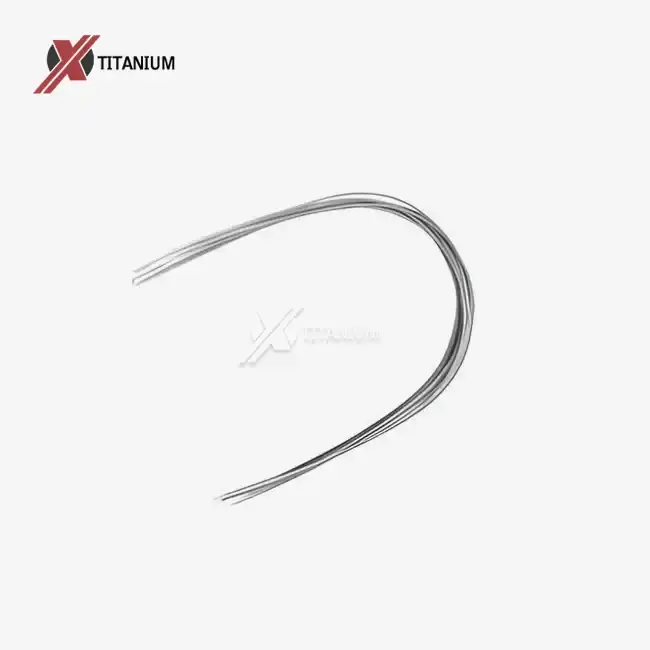
Understanding Beta Titanium Wire: Composition and Key Properties
The unique makeup and crystal structure of beta titanium wire make it different from other titanium alloys from a mechanical point of view. By carefully adding beta-stabilizing elements, this new material keeps a body-centered cubic (BCC) beta phase at room temperature.
Unique Metallurgical Composition
When compared to other types of titanium, beta titanium wire has different mechanical properties because it has different alloying elements added to it. Molybdenum (Mo), vanadium (V), chromium (Cr), and niobium (Nb) are the main beta-stabilizers. They each give the end alloy different qualities. Molybdenum makes things less likely to rust, especially in reducing acids, and vanadium makes them stronger without making them less flexible. This carefully balanced mix lets makers get tensile strengths of more than 1300 MPa after the right heat treatment. In the solution-treated state, it also has great cold formability.
The chemical make-up usually varies from Ti-11.5Mo-6Zr-4.5Sn to Ti-15Mo, with each type being best for a certain medical use. The performance of these alloys is better than that of commonly pure titanium or Ti-6Al-4V, especially when great strength and good flexibility are needed. The density is between 4.8 and 5.0 g/cm³, which is a little higher than pure titanium because of heavy alloying elements but a lot lower than stainless steel options.
Superior Mechanical Properties for Medical Applications
The mechanical properties of beta titanium wire meet important needs in the creation of medical implants. The elastic stiffness is between 60 and 80 GPa, which is about half of that of stainless steel and a lot less than Ti-6Al-4V's 110 GPa. This less stiffness stops stress buffering effects that can cause bone loss around implants, which leads to better long-term integration.
The tensile strength changes depending on the heat treatment settings. It ranges from 800 to 900 MPa when the material is solution-treated to 1100 to 1400 MPa after solution treatment and age. In the flexible solution-treated state, the elongation qualities reach 15-20%, which lets complex shaping operations be done without the material breaking. These mechanical qualities make the perfect mix between strength and flexibility, which is important for medical devices that move around, like heart stents and orthodontic wires.
How Beta Titanium Wire Meets Medical Implant Requirements?
For medical implants to work, the materials need to be able to handle the body's complex environment and keep working well for decades. Because it is made with accurate production methods and advanced metallurgical engineering, beta titanium wire meets these needs.
Advanced Heat Treatment Optimization
The steps used to heat treat beta titanium wire allow for precise control over its final material qualities so that they can be used in medical settings. Solution treatment temperatures are usually between 750°C and 850°C, and then the temperature is lowered slowly to keep the metastable beta phase. After that, processes that age the material between 400°C and 600°C create hardening phases that make the tensile strength much higher while keeping the ductility at a good level.
Because thermal processing is so flexible, producers can change the qualities to fit a wide range of medical uses. It is possible to change the heat treatment settings so that cardiovascular stents and dental wires have different mechanical needs. Being able to get these different properties from a single alloy mixture makes production much easier and cheaper than if you had to use a bunch of different materials.
Biocompatibility and Corrosion Resistance Excellence
Due to its exceptional rust resistance and established biocompatibility, beta titanium wire is safe for living things. When titanium dioxide (TiO2) is exposed to oxygen, it forms a stable layer on the surface. This layer acts as a shield that stops metal ions from entering surrounding tissues. In functional settings, such as those containing proteins, enzymes, and the range of pH levels found in the human body, this passive layer is very stable.
Over many decades of clinical research, it has been shown that when beta titanium wire touches bone, soft tissue, or blood, it causes only minor tissue responses. Nitinol alloys can be used by people who are allergic to metals because they don't contain nickel, which can cause inflammation. Long-term studies of implantation show no signs of cancer or mutagenic effects, proving that it is safe for use in medical devices that will stay in place.
Evaluating the Safety of Beta Titanium Wire for Medical Implants
To make sure that medical device materials are safe, they need to be thoroughly tested for their biological, mechanical, and chemical effects in real-life situations. The beta titanium wire has been through a lot of tests that show it can be used for long-term implants.
International Standards Compliance and Certification
Medical-grade beta titanium wire is made according to strict international standards that make sure the quality and safety are always the same. ISO 5832-11 sets specific standards for chemical makeup, mechanical qualities, and biocompatibility tests of titanium alloys used in surgical implants. ASTM F2066 gives more details about beta titanium alloys that are used in medical settings, such as thorough testing plans for how they react to wear and corrosion.
According to the ISO 10993 series, these guidelines require a full biological review. This includes testing for cytotoxicity, sensitization potential, and systemic toxicity. Beta titanium wire always passes these tests, showing that it is very compatible with flesh in a number of different test methods. Manufacturing sites must have strict quality control systems that are often approved to AS9100 or ISO 13485 standards. These systems make sure that products can be tracked and are made the same way every time.
Clinical Evidence and Long-Term Performance Data
There is a lot of clinical evidence that shows beta titanium wire is safe to use in many medical situations. Over fifteen years of orthodontic research have shown that the treatment works consistently and doesn't cause any damage to the tissues. When used in cardiovascular uses, they are very biocompatible and cause less inflammation or thrombotic problems than other materials.
Testing for fatigue in conditions that are similar to those in the body shows that beta titanium wire keeps its shape after millions of loading cycles. This is important for uses in settings that are always changing, like the cardiovascular system. Testing for corrosion in fake body fluids shows that the material is very resistant to breaking down, with metal ion release rates well below the safety limits that have been set. The results from the studies in the lab and in patients strongly support the long-term safety of beta titanium wire in medical implant settings.
Comparing Beta Titanium Wire with Other Implant Wire Materials for Informed Procurement
To get the best performance out of implants while keeping prices low, medical device buying teams need to compare a lot of different materials. Beta titanium wire has clear benefits over other implant materials, which is why it is chosen for tough situations.
Performance Advantages Over Traditional Materials
In comparison to stainless steel wire, beta titanium wire is better at resisting rust and being biocompatible, while still having the same level of strength. The lower elastic stiffness makes it easier for the implant to fit into the bone, which lowers the stress that can cause the implant to come free or the bone to change shape. Beta titanium wire is not magnetic resonance imaging (MRI) compatible because, unlike stainless steel, it does not contain any iron.
Nickel-titanium (nitinol) wires offer excellent superelasticity but contain nickel, which can cause allergic reactions in people who are sensitive. Beta titanium wire is the best of both worlds because it is more flexible than regular titanium metals and doesn't have any problems related to nickel. The ways that beta titanium wire is made are also more consistent and allow for better quality control than the complicated ways that nitinol is made.
Cost-Benefit Analysis for Strategic Procurement
Both short-term material prices and long-term performance advantages must be taken into account when evaluating the economics of beta titanium wire. Even though the original cost of the material is higher than that of stainless steel, the better resistance to corrosion and biocompatibility lower the chance of long-term problems and having to have surgery again. This means better results for patients and lower healthcare costs over the life of the implant.
Some of the benefits of procurement are stable material availability and established supply lines through certified makers. When it comes to handling, beta titanium wire is easier than nitinol. This means that lead times and quality are more stable. By making bulk purchases from qualified sources, you can get low prices and make sure that materials can be tracked and meet certification requirements, which are necessary for making medical devices.
Where and How to Source High-Quality Beta Titanium Wire?
To successfully buy beta titanium wire, you need to carefully consider the skills of the seller, their ability to follow certification rules, and their expert support services. Because this material is so unique, it needs to be made by skilled companies that know how to make medical devices.
Supplier Evaluation and Selection Criteria
Suppliers of high-quality beta titanium wire must show a wide range of certificates, such as ISO 13485 for managing the quality of medical devices and the right material standards, like ASTM F2066 or ISO 5832-11. To make sure that the traits of materials are the same from one production batch to the next, factories should keep records of their work that can be tracked and use statistical process control.
Technical support skills are very important when choosing a provider because beta titanium wire uses often need specific working knowledge. Suppliers should offer metallurgical knowledge, help with application engineering, and customization services for things like different diameters, surface processes, or unique packing needs. Deliveries happen on time because of established transportation networks or being close to each other geographically. This is important for meeting the deadlines for making medical devices.
Customization Options and Technical Specifications
Leading sellers give customers a lot of ways to customize their medical devices to meet their needs. The diameter sizes usually cover 0.1mm to 5mm, and tight tolerance rules make sure that the mechanical qualities stay the same. Depending on the needs of the product, the surface can be bright annealed, pickled, or coated with special materials.
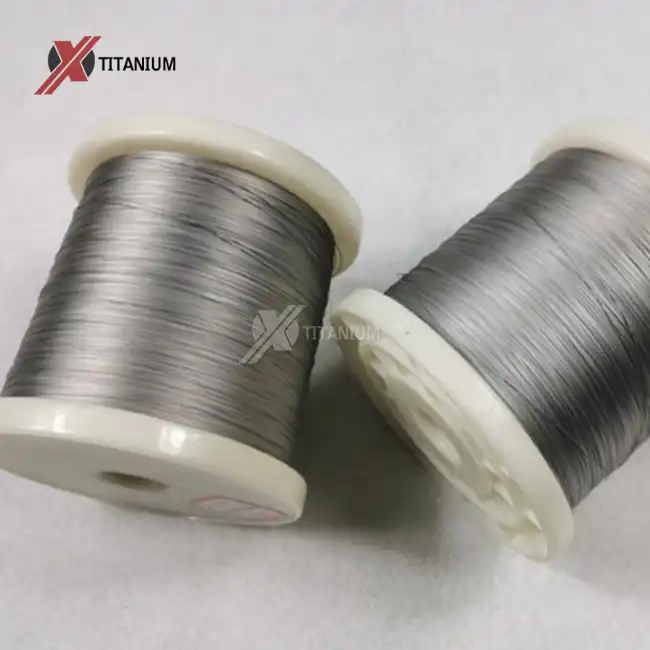
Customizing the heat process lets you get the best mechanical qualities for certain uses. To get the desired tensile strength, yield strength, and elongation numbers, the solution treatment and aging factors can be changed. Precision spooling, cut lengths, or clean packaging for direct medical device assembly are all types of packing that can be used. With these customizing options, companies that make medical devices can make their products better while still following the rules and keeping costs low.
Conclusion
Beta titanium wire is a tried-and-true, risk-free option for medical implants because it is biocompatible, has better mechanical qualities, and works well over time. A lot of clinical data, thorough safety testing, and well-established production standards show that it can be used in a wide range of medical situations. Working with certified providers is good for procurement teams because they offer technical know-how, quality certification, and dependable supply chain support that are necessary for making medical devices.
FAQ
Is beta titanium wire suitable for long-term implants?
Clinical tests show that beta titanium wire keeps working well in long-term implant uses. In some cases, function stayed stable after fifteen years of implantation. The material is very resistant to rust and is biocompatible, so it doesn't break down much in biological settings.
How does beta titanium wire compare to Grade 5 titanium in biocompatibility?
Beta titanium wire is as biocompatible as or more biocompatible than Grade 5 titanium (Ti-6Al-4V), but it has better tensile qualities. Because many beta versions don't contain aluminum and have less vanadium, they may be safer for sensitive uses as well.
What certifications should I look for when selecting a beta titanium wire supplier?
Some important licenses are ISO 13485 for managing the quality of medical devices, material requirements like ASTM F2066 or ISO 5832-11, and biocompatibility testing according to ISO 10993 standards. Additional quality guarantee comes from manufacturing site certifications like AS9100 or FDA registration.
Contact Chuanglian for Premium Beta Titanium Wire Solutions
Chuanglian is an expert at making high-quality beta titanium wire that is meant to be used in medical implants. Our thorough quality control methods make sure that the traits of our materials stay the same and that we can track them all the way through the production process. We are in Baoji, which is known as the "City of Titanium," and have been handling titanium for over ten years. This allows us to make high-quality goods that meet international medical standards. Our beta titanium wire manufacturer capabilities include custom diameter specs, tailored heat treatments, and specialized packaging solutions. Contact our technical team at info@cltifastener.com or djy6580@aliyun.com to talk about your needs and get full product specs.
References
1. American Society for Testing and Materials. "Standard Specification for Beta Titanium Alloys for Surgical Implant Applications." ASTM F2066-18. West Conshohocken, PA: ASTM International, 2018.
2. International Organization for Standardization. "Implants for Surgery - Metallic Materials - Part 11: Wrought Titanium 6-Aluminum 7-Niobium Alloy." ISO 5832-11:2014. Geneva: ISO, 2014.
3. Williams, David F. "Biocompatibility of Clinical Implant Materials: Volume II." Boca Raton: CRC Press, 1981.
4. Niinomi, Mitsuo. "Mechanical Biocompatibilities of Titanium Alloys for Biomedical Applications." Journal of the Mechanical Behavior of Biomedical Materials 1, no. 1 (2008): 30-42.
5. Rack, Henry J., and Jin I. Qazi. "Titanium Alloys for Biomedical Applications." Materials Science and Engineering: C 26, no. 8 (2006): 1269-1277.
6. Steinemann, Siegfried G. "Metal Implants and Surface Reactions." Injury 27, no. 3 (1996): SC16-SC22.
Learn about our latest products and discounts through SMS or email