- English
- French
- German
- Portuguese
- Spanish
- Russian
- Japanese
- Korean
- Arabic
- Greek
- German
- Turkish
- Italian
- Danish
- Romanian
- Indonesian
- Czech
- Afrikaans
- Swedish
- Polish
- Basque
- Catalan
- Esperanto
- Hindi
- Lao
- Albanian
- Amharic
- Armenian
- Azerbaijani
- Belarusian
- Bengali
- Bosnian
- Bulgarian
- Cebuano
- Chichewa
- Corsican
- Croatian
- Dutch
- Estonian
- Filipino
- Finnish
- Frisian
- Galician
- Georgian
- Gujarati
- Haitian
- Hausa
- Hawaiian
- Hebrew
- Hmong
- Hungarian
- Icelandic
- Igbo
- Javanese
- Kannada
- Kazakh
- Khmer
- Kurdish
- Kyrgyz
- Latin
- Latvian
- Lithuanian
- Luxembou..
- Macedonian
- Malagasy
- Malay
- Malayalam
- Maltese
- Maori
- Marathi
- Mongolian
- Burmese
- Nepali
- Norwegian
- Pashto
- Persian
- Punjabi
- Serbian
- Sesotho
- Sinhala
- Slovak
- Slovenian
- Somali
- Samoan
- Scots Gaelic
- Shona
- Sindhi
- Sundanese
- Swahili
- Tajik
- Tamil
- Telugu
- Thai
- Ukrainian
- Urdu
- Uzbek
- Vietnamese
- Welsh
- Xhosa
- Yiddish
- Yoruba
- Zulu
Can titanium Torx socket cap bolts be reused after removal
When performing routine maintenance or upgrades on high-performance motorcycles, one question consistently surfaces among technical engineers and procurement managers: can titanium Torx socket cap bolts be safely reused after removal? The short answer is yes—M10 Titanium Torx Socket Cap Bolts for Ducati Motorcycle Bike applications can typically be reused multiple times if properly inspected and handled. Unlike single-use fasteners that permanently deform under load, Grade 5 titanium alloy (Ti-6Al-4V) retains its mechanical integrity through several installation cycles when torque specifications are followed and thread conditions remain sound.
This reusability directly translates to cost savings for maintenance operations while maintaining the safety and performance standards required in critical frame and exhaust assemblies. Understanding the inspection protocols and installation practices outlined below ensures you maximize fastener lifespan without compromising structural reliability.
Understanding Titanium Torx Socket Cap Bolts for Ducati Motorcycles
What Makes These Fasteners Unique?
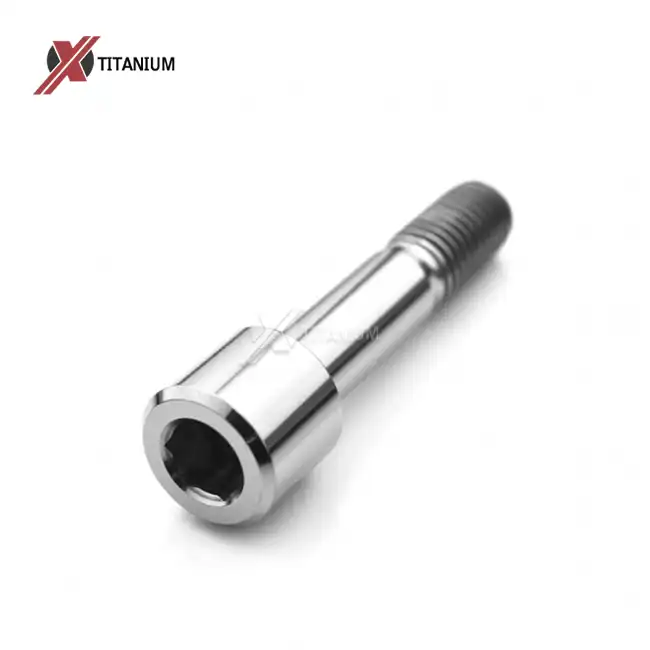
There is a special type of fastener called M10 Titanium Torx Socket Cap Bolts for Ducati Motorcycle Bike that are made for tough motorcycle applications. These bolts are made from Grade 5 titanium alloy using precise CNC machining techniques to meet specific requirements that are in line with Ducati's strict performance standards. When compared to traditional hex socket designs, the Torx 50 head design transfers power more efficiently. This keeps the tool from slipping during installation and lowers the risk of head stripping during removal.
Its Ti-6Al-4V composition gives it a tensile strength of more than 895 MPa while also making it 45% lighter than steel fasteners of the same size. This advantage in strength to weight is especially useful in frame assemblies and exhaust mounting points, where unsprung weight has a direct effect on how the car handles and how quickly it speeds up. Surface processes like polishing, anodizing, and nitriding make it even more resistant to rust. You can also choose from different color anodized coatings, such as the natural titanium finish or gold, blue, green, purple, black, and rainbow anodized coatings.
Technical Advantages Over Conventional Materials
When you compare titanium fasteners to standard steel or aluminum ones, you can see that they work better in a number of ways. Steel bolts have a higher actual tensile strength in Grade 12.9 configurations, but they are much heavier, which makes motorcycles less agile. Aluminum bolts are lighter, but they don't have the mechanical power that is needed for parts that are very important to the structure or places where there is a lot of vibration.
Titanium is the best of both worlds because it is strong enough to be comparable to Grade 10.9 steel and can work well in temperatures ranging from -40°C to +400°C. Because the material doesn't corrode naturally, you don't have to worry about damage to the environment from road salt, water, and chemical contaminants that are common when riding a motorbike. Because of these qualities, titanium is the best material for use in spacecraft, medical tools, and high-performance auto parts that must be reliable.
Real-World Application in Ducati Assemblies
M10 Titanium Torx Socket Cap Bolts for Ducati Motorcycle Bike are used in a number of important mounting spots on Ducati motorcycle platforms. Frame attachment points are loaded and unloaded repeatedly by suspension movement and cornering forces. This calls for fasteners that keep their clamping force without coming loose due to wear and tear. Mounting an exhaust system comes with extra problems, like thermal cycling and vibration transmission. This is exactly where titanium's unique ability to stay strong at high temperatures and naturally dampening properties come in handy.
Specialized makers use CNC machining to make sure that the dimensions are correct and meet ISO 14579 standards or any other specs that OEMs and aftermarket providers ask for. The accuracy of the thread profile has a direct effect on the installation torque needed and the consistency of the joint preload. These are the main factors that determine if a fastener can be safely used more than once between service intervals.
Can Titanium Torx Socket Cap Bolts Be Reused After Removal?
Assessing Reusability Through Proper Inspection
How often titanium fasteners can be used depends on how well they are taken care of after being taken off. Unlike permanent fasteners or one-time-use locking hardware, M10 Titanium Torx Socket Cap Bolts for Ducati Motorcycle Bike that are properly manufactured can be installed more than once and still keep their structural integrity as long as they are inspected properly after each use. As a first step in the evaluation process, a visual inspection is used to look for thread damage, galling, or deformation around the head contact area.
Pay close attention to the state of the threads because titanium tends to galle when it rubs against something, which can damage the thread profiles if they were installed without being properly oiled. By running a thread gage thru the bolt's threads, you can find any deformation or material movement that would make it impossible for the bolt to connect properly when it is put back in place. The Torx socket profile on the head shouldn't have any rounding or tool wear that could cause the cam to come out when torque is applied again.
Manufacturer Guidelines and OEM Recommendations
Professional repair procedures require following the manufacturer's rules about how many times something can be used. Manufacturers of high-quality titanium screws usually give advice on how many times they can be used again based on the seriousness of the application and the torque history. Because these parts of the bike are put under different kinds of stress while it's running, Ducati's service manuals give different advice for frame bolts and exhaust mounting hardware.
When bolts are taken out of important structural parts, they should be reused with more care than bolts that are used in non-structural uses. Using measured tools to test torque retention can show if a bolt that has already been placed keeps its clamping properties within acceptable limits. Instead of just looking at something visually, this way of checking gives objective data that can help with choices about reuse. This is especially helpful for procurement managers who are setting up repair standards for the whole fleet.
Factors Limiting Reuse Potential
There are a few situations where M10 Titanium Torx Socket Cap Bolts for Ducati Motorcycle Bike cannot be used again. No matter what else is going on, if you can see thread damage like galling, material pickup, or distortion, you can't safely replace the part. The fastener can't hold as much weight when the threads or the area where the head meets the shank are plastically deformed by too much torque. Corrosion pitting is not common in titanium applications, but it is a sign of exposure to unusual environmental conditions that may have changed the properties of the material.
The surface oxide layer that protects titanium from rusting can be changed by chemicals that come from using the wrong cleaning products or being exposed to materials that aren't compatible. Anodized coatings that show a lot of wear or breakdown could mean that they were put on incorrectly or were subjected to too much service stress. Each of these situations calls for new fasteners to be used instead of reusing old ones, which could damage the joint.
How to Properly Install and Torque M10 Titanium Torx Socket Cap Bolts on Ducati Motorcycles
Preparation and Thread Conditioning
Preparing both the fastener and the receiving threads is the first step to a successful M10 Titanium Torx Socket Cap Bolts for Ducati Motorcycle Bike fitting. Use the right chemicals to clean all thread surfaces completely. These should get rid of oils, debris, and corrosion products without hurting the protected oxide layer on the titanium. Check tapped holes for thread damage, signs of cross-threading, or buildup of debris that could stop the threads from engaging properly.
Titanium screws tend to gall when they are not used with anti-seize oil that is specially made for them. Compounds made from molybdenum disulfide effectively reduce friction without the galvanic corrosion risks that come with products made from copper or aluminum. A thin, even coating on the thread surfaces keeps the friction coefficients constant when torque is applied. This directly improves the accuracy of the preload and the chances of using the part again.
Tool Selection and Torque Application
Tool wear and fastening head damage can be avoided by using the right Torx T50 bit that is rated for high-torque tasks. When quality bits made from hardened tool steel are loaded, they keep their measurements accurately. This is because they have a six-point contact pattern that spreads the installation forces evenly. The socket depth needs to be able to handle the height of the bolt head without touching the drive tool. This lets the bolt head fully seat against the mounting surface.
Because titanium has a lower modulus of elasticity, the torque requirements for M10 Titanium Torx Socket Cap Bolts for Ducati Motorcycle Bike are usually between 70 and 80% of the identical steel bolt values. Calibrated torque tools with the right range covering make sure that the right amount of force is applied, and following the instructions for tightening stops multi-bolt joints from being loaded unevenly. The torque values for dry and oiled parts are very different, so it's important to follow the manufacturer's instructions to get the right preload without going over the material's yield strength.
Common Installation Challenges and Solutions
Pay close attention to how the threads connect in aluminum castings that are popular in motorbike engine cases and frame parts. Titanium nuts and aluminum receiving threads have a big difference in hardness, which means that the softer material wears down faster. To keep the threads from pulling out or breaking, it is important to keep the force levels correct. Starting threads by hand before using tools makes sure they are lined up correctly and stops cross-threading, which hurts both parts.
When installing M10 Titanium Torx Socket Cap Bolts for Ducati Motorcycle Bike in exhaust systems, where thermal expansion affects preload retention, temperature is an important thing to think about. When you install fasteners according to the instructions at room temperature, you take into account the changes in size that happen during heat cycling. This keeps the joint strong across the operating temperature range. After the first heat cycles, sequential retorque checks make sure that temperature effects haven't weakened the tightening force in important mounting spots.
Comparative Analysis: Titanium Torx Socket Cap Bolts Vs. Other Bolt Types for Ducati Motorcycles
Performance Metrics Across Material Categories
In order to properly evaluate fastener materials, you need to look at more than just their power. Bolts made of stainless steel, usually in grades A2 or A4, don't rust and have a modest level of strength, with a tensile strength of about 700 MPa. Because they are dense, they are heavy, and their magnetic properties can pull metal debris into contaminated areas. Because it is cheaper, stainless steel can be used in non-critical situations, but it can't be used in high-stress structure parts because of how it performs.
High-strength steel alloys, such as Grades 10.9 and 12.9, have excellent absolute tensile strengths of more than 1000 MPa and 1200 MPa, respectively. Because of this strength advantage, smaller fastener sizes can be used in setups with limited space. However, they are heavier and more likely to rust, so they need protective coatings that cost more and require more upkeep. Because steel screws can cause thread galling in aluminum parts, they need to be carefully oiled and torqued controlled, just like they are in M10 Titanium Torx Socket Cap Bolts for Ducati Motorcycle Bike uses.
Cost-Benefit Assessment for Procurement Decisions
The initial costs of buying titanium fasteners are three to five times higher than those of steel or stainless steel alternatives, depending on the specifications and order quantities. This difference in price needs a thorough examination of the total ownership costs, which include maintenance intervals, replacement frequency, and the performance benefits gained by reducing weight. When M10 Titanium Torx Socket Cap Bolts for Ducati Motorcycle Bike are properly maintained, they can be used more than once. This helps to make up for their higher unit costs compared to steel fasteners that are only used once or have a limited life.
Titanium parts save weight that builds up across whole systems. Each kilogram saved makes a noticeable difference in how well the vehicle handles and speeds up. Racing and performance-oriented builds can afford the higher costs of expensive fasteners because they give them a competitive edge. On the other hand, maintenance departments can simplify their inventory by using only reused titanium hardware. Purchasing managers who have to balance tight budgets with performance needs can benefit from using titanium in certain critical applications while keeping standard materials for uses that aren't structural.
Supplier Landscape and Quality Assurance
Because making titanium fasteners is so specialized, most of the work is done by a few suppliers who keep up with the right certifications and quality systems. As9100 certification means that the quality management meets aerospace standards and is fit for use in critical situations, while ISO 9001 compliance means that basic factory controls are in place. Medical device approvals show that the materials used are traceable and have purity levels higher than normal industry standards. This is important for uses that need to show where the materials came from.
OEM sellers, such as Ducati-certified vendors, guaranty that the dimensions and material specs meet the needs of motorbike manufacturers. Aftermarket sources let you customize your order in more ways than factory channels, such as by adding color anodizing and special coatings that aren't available thru factory channels. Setting up supplier relationships based on technical certification instead of price competition makes sure that quality stays the same across purchase cycles. This lowers failures caused by variations and supports reuse procedures by making sure that M10 Titanium Torx Socket Cap Bolts for Ducati Motorcycle Bike work as expected.
Maintenance and Longevity of Titanium Torx Socket Cap Bolts on Ducati Motorcycles
Routine Service Protocols
To make titanium fasteners last longer, they need to be added to regular maintenance schedules that are in line with Ducati's suggested service intervals. Visual check during regular service finds problems before they get bad enough to damage the joint or need emergency fixes. Cleaning methods that get rid of road debris, corrosive leftovers, and built-up contamination protect the protective oxide layer and make it possible to get a good picture of the state.
Checking the torque retention on a regular basis makes sure that vibration and thermal cycling haven't lowered the clamping force below what is considered acceptable. Motorcycles that are used on tracks or that are ridden aggressively are under more stress and need to be inspected more often than motorcycles that are only used on the street. Recording the service history, which includes the dates of installation, the torque values used, and the conditions that were seen, helps organizations make smart decisions about reusing M10 Titanium Torx Socket Cap Bolts for Ducati Motorcycle Bike and learns more about how fasteners work.
Replacement Indicators and Decision Criteria
In some situations, bolts need to be replaced right away, even if they have been used before or don't look worn. Damage to the thread, such as galling, material pickup, or dimensional deformation, makes it unsafe to use again. Damage to the head from not properly engaging the tool or applying too much torque causes stress to build up, which shortens the fatigue life. If the shank or the transition from head to shank deforms, it means that the load is higher than what was intended, which changes the fastener's mechanical features forever.
When the manufacturer-specified maximum number of reuse cycles are reached, the product needs to be replaced, even if there are no obvious problems when looking at it. Cracks start to form in fatigue at tiny levels that can't be seen without special tools. For this reason, cycle-based replacement is a safe option for important uses. The low cost of individual M10 Titanium Torx Socket Cap Bolts for Ducati Motorcycle Bike compared to the damage that could happen if they fail makes it okay to replace them too soon when the state is unknown.
Safety and Cost Implications
The right way to manage the lifecycle of fasteners has a direct effect on both safety and the cost of operations. When a frame fixing bolt fails during operation, it can lead to catastrophic failure modes that put the rider in danger and cause expensive damage to the motorbike. When the exhaust system comes loose because of broken bolts, it can start a fire and put other cars at risk of accident. These effects are much worse than the cost saves that were hoped for by using broken screws again in the wrong way.
On the other hand, replacing titanium nuts that are still good before they wear out raises upkeep costs without improving safety. The cost-reliability relationship works best when there are balanced practices that include proper inspection methods, a written service history, and following the manufacturer's instructions. When organizations set clear decision criteria and teach maintenance staff the right way to do assessments, they get better results than when they take approaches that are either too cautious or not rigorous enough.
Conclusion
Titanium Torx socket cap bolts made from Grade 5 Ti-6Al-4V alloy work very well in tough Ducati motorbike applications and can be used more than once as long as they are properly kept. Because they have a high strength-to-weight ratio, are highly resistant to corrosion, and keep their shape even at very high and very low temperatures, these fasteners are the best choice for mounting on the frame and the exhaust.
For reuse to work, strict inspection protocols, the right way to install things, and following the manufacturer's torque recommendations are essential. Using written processes, procurement managers and maintenance teams combine the need for safety with the desire to save money. This makes M10 Titanium Torx Socket Cap Bolts for Ducati Motorcycle Bike last longer without affecting the structure's strength or the reliability of its operations.
FAQ
Can titanium bolts be reused indefinitely if they pass visual inspection?
There is no clear limit on how many times something can be used, but makers usually suggest maximum cycle numbers based on how tough the application is. Visual analysis is not enough to find tiny fatigue cracks or changes in the material's properties caused by repeated stress cycles. For important structural uses, it is best to only reuse something three to five times. For non-structural uses, however, longer service life may be possible if inspection reports and torque retention tests are available.
What torque specification should I use for M10 titanium bolts in Ducati applications?
The torque values range from 70 to 80% of the standards for a similar steel fastener, depending on how well the parts are oiled and the needs of the application. For M10 Grade 5 titanium, the dry torque range is usually between 35 and 40 Nm. For installations that are oiled, the torque may need to be lowered to around 30 to 35 Nm to achieve the same preload. Always look at the manufacturer's instructions and think about how anti-seize substance will be used when choosing the right power settings.
How does galvanic corrosion affect titanium bolts in motorcycle exhaust systems?
Titanium has almost no galvanic potential difference with stainless steel exhaust parts, so there is almost no chance of rusting in joints that are properly put together. Because the material is in the galvanic series, it can be used with aluminum, stainless steel, and carbon fiber without breaking down faster. Because titanium is so compatible with other materials, it is the best material for fasteners in mixed-material assemblies, which are common in modern motorcycle construction.
Partner with Chuanglian for Premium Titanium Fastener Solutions
Baoji Chuanglian New Metal Material Co., Ltd. makes titanium fasteners that are carefully designed to meet the strict standards needed for high-performance motorbike uses. Our CNC cutting skills allow us to make M10 Titanium Torx Socket Cap Bolts for Ducati Motorcycle Bike that are accurate in size and meet ISO 14579 standards or your special needs while still meeting OEM standards.
As the "City of Titanium" (Baoji City) is known around the world, our facility has strict quality control systems that make sure materials can be tracked from the time they are received as raw materials to the time they are delivered as finished goods.As a company with a lot of experience making and selling titanium fasteners, we can give your Grade 5 Ti-6Al-4V bolts a natural titanium, gold, blue, green, purple, black, or rainbow finish, or we can shine, anodize, or nitride the surface.
Our expert team helps you choose the right material for the job, come up with torque specifications, and set up lifecycle management methods that are specific to your needs. Contact our experts at info@cltifastener.com or djy6580@aliyun.com to talk about buying in bulk, getting detailed product catalogs, or looking into customization options that will help you find the best fasteners for your needs while also making sure they work well and reliably.
References
1. ASM International. Titanium: A Technical Guide, 2nd Edition. Materials Park, OH: ASM International, 2000.
2. Bickford, John H. Introduction to the Design and Behavior of Bolted Joints: Non-Gasketed Joints, 4th Edition. Boca Raton: CRC Press, 2008.
3. Boyer, R., Welsch, G., and Collings, E.W. Materials Properties Handbook: Titanium Alloys. Materials Park, OH: ASM International, 1994.
4. Kulak, Geoffrey L., Fisher, John W., and Struik, John H.A. Guide to Design Criteria for Bolted and Riveted Joints, 2nd Edition. Chicago: American Institute of Steel Construction, 2001.
5. Lutjering, Gerd and Williams, James C. Engineering Materials and Processes: Titanium, 2nd Edition. Berlin: Springer-Verlag, 2007.
6. Society of Automotive Engineers. Aerospace Material Specification AMS 4967: Titanium Alloy Bolts 6Al-4V. Warrendale, PA: SAE International, 2018.
Learn about our latest products and discounts through SMS or email