- English
- French
- German
- Portuguese
- Spanish
- Russian
- Japanese
- Korean
- Arabic
- Greek
- German
- Turkish
- Italian
- Danish
- Romanian
- Indonesian
- Czech
- Afrikaans
- Swedish
- Polish
- Basque
- Catalan
- Esperanto
- Hindi
- Lao
- Albanian
- Amharic
- Armenian
- Azerbaijani
- Belarusian
- Bengali
- Bosnian
- Bulgarian
- Cebuano
- Chichewa
- Corsican
- Croatian
- Dutch
- Estonian
- Filipino
- Finnish
- Frisian
- Galician
- Georgian
- Gujarati
- Haitian
- Hausa
- Hawaiian
- Hebrew
- Hmong
- Hungarian
- Icelandic
- Igbo
- Javanese
- Kannada
- Kazakh
- Khmer
- Kurdish
- Kyrgyz
- Latin
- Latvian
- Lithuanian
- Luxembou..
- Macedonian
- Malagasy
- Malay
- Malayalam
- Maltese
- Maori
- Marathi
- Mongolian
- Burmese
- Nepali
- Norwegian
- Pashto
- Persian
- Punjabi
- Serbian
- Sesotho
- Sinhala
- Slovak
- Slovenian
- Somali
- Samoan
- Scots Gaelic
- Shona
- Sindhi
- Sundanese
- Swahili
- Tajik
- Tamil
- Telugu
- Thai
- Ukrainian
- Urdu
- Uzbek
- Vietnamese
- Welsh
- Xhosa
- Yiddish
- Yoruba
- Zulu
Common issues with titanium bike parts and how to fix them
Titanium bicycle parts are a big investment in speed and durability, but even these high-end parts have problems that come up through their useful life. Cycling titanium bicycle parts, like frames, grips, bolts, and seatposts, have the best strength-to-weight ratios and resistance to rust. However, buyers and engineers can get the most out of their investments by knowing where they can fail. Most of the time, people are worried about surface rust discolouration, thread galling, micro-cracking in heat-affected areas, and frame alignment problems. To solve these issues, you need to know a lot about titanium's special metal qualities, especially when working with Grade 5 (Ti-6Al-4V) machined parts and Grade 9 (Ti-3Al-2.5V) tubes. If you follow the right maintenance steps and catch small problems early, they don't get worse and cost a lot to fix or put people in danger.
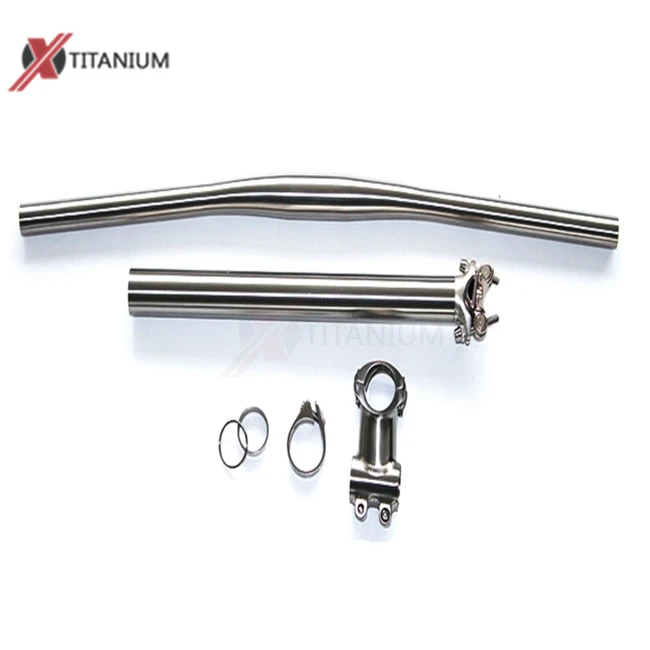
Understanding Common Problems with Titanium Bike Parts
Surface Discoloration and Oxidation Stains
Titanium's inactive oxide layer saves it from corrosion in the air, but high temperatures during welding or certain chemicals can change the way the surface looks. Rainbow-coloured heat tint zones close to welds show temperature differences during production, not damage to the structure. However, white or chalky remains suggest that air got into the material while it was being welded, which could have made it weaker. During the welding process, procurement teams should make sure that sources keep the argon shielding clean, since contaminated welds have a lot less wear resistance. Protocols for visual inspection must be able to tell the difference between rust that is just for looks and structural flaws.
Thread Galling and Cold Welding
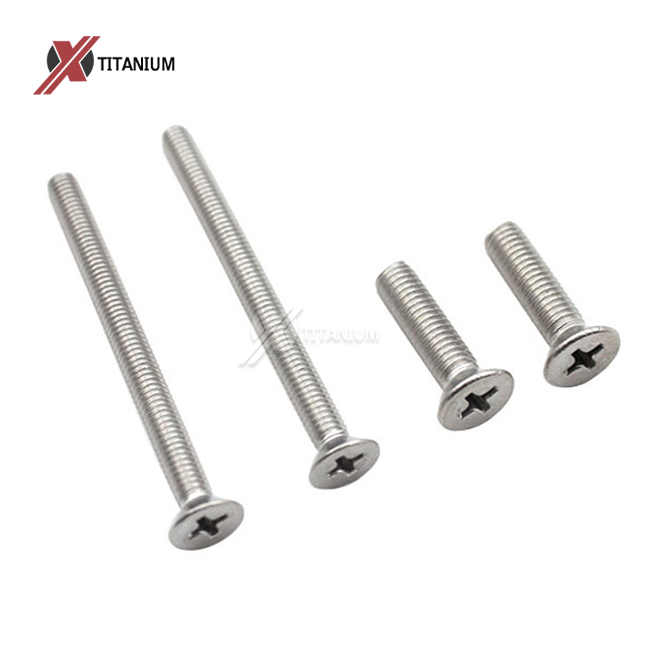
Galling is a unique problem that comes up with titanium fasteners. This is when titanium nuts bind molecularly to titanium threads under torque pressure. Titanium's oxide layer breaks down when it rubs against another metal, letting the two metals touch and solder together locally. Bolts can become forever stuck during repair or assembly if they are not properly oiled. Anti-seize materials based on copper or nickel must be put on all cycling titanium bicycle parts surfaces before they are torqued. This problem mostly happens with bottom bracket shells, seat collar bolts, and gear hangers that are adjusted a lot.
Stress Concentration and Micro-Cracking
Even though titanium has great fatigue qualities, cracks can start because of stress peaks caused by bad machining or design mistakes. Rough CNC tool marks, sharp internal corner radiuses, or edge changes that aren't smooth enough concentrate loads beyond the limits of the material. If the welding conditions weren't followed exactly, heat-affected zones next to welds show changed grain structures that could crack under cyclic loads. Dye penetrant inspection shows surface-breaking cracks that can't be seen with the naked eye. This is why NDT procedures are necessary for high-value parts like stems and forks.
Frame Alignment and Dimensional Drift
Titanium has a lower amount of elasticity than steel, which means frames bend more when they are loaded. This improves the ride quality but makes it harder to keep the alignment tolerances. When wheels are installed more than once, the dropout gap may move away from its original size. This is especially true for through-axle systems that create uneven binding forces. Headtube face and reaming are very important during assembly because titanium hardens during use, making it hard to make changes after assembly without special tools. When buying CNC-machined cycling titanium bicycle parts, buyers should ask for H7 specs for the bearing surfaces to keep them from wearing out too quickly.
How to Fix Common Issues with Titanium Bike Parts: Solutions and Best Practices
Restoring Surface Finish and Removing Contamination
Careful sandpaper treatment with increasingly finer Scotch-Brite pads, working from 600-grit equivalent up to 1200-grit for brushed finishes, is needed to remove cosmetic heat tint. Anodised cycling titanium bicycle parts come in a range of colours, including natural, gold, blue, green, purple, black, and rainbow. These colours hide small flaws on the surface while still making the titanium resistant to rust. Cleaning with citric acid liquids gets rid of salt crystals and organic leftovers without hurting the base metal. Do not use cleaners with salt because they damage the protected oxide layer.
Preventing and Resolving Galling Issues
Anti-seize treatment is the most important thing you can do to stop galling. Technicians should use a lot of lube on both the male and female threads to make sure they are fully covered before the first setup. Over-torquing speeds up the breakdown of the oxide layer, so torque specs must be followed exactly with measured wrenches. If galling has happened, carefully controlling the heat around the fastener so that it doesn't go above 450°C can sometimes break the chemical bond, but this could annealize the structure around it. Most of the time, replacing gear that is properly oiled works better than trying to repair it.
Crack Repair and Structural Restoration
Stop-drilling, which makes small holes at the crack tips to stop them from spreading, can stop small surface cracks in non-critical places. Cracks in load-bearing areas, on the other hand, need to be fixed by a skilled TIG welder using matching-grade filler rod in an argon atmosphere. Checking the quality of a weld requires looking at the bead colour (silver to straw means enough protection) and then using NDT to make sure there are no holes in the entry. Post-weld heat treatment at controlled temperatures gets rid of any stresses that are still there and could cause new cracks.
Maintaining Frame Geometry Precision
To fix the frame's alignment, you need special fixings that hold it up without putting extra stress on it. Titanium is harder to cold-set than steel because it has a tendency to spring back, which means that it needs to be over-corrected and then allowed to relax to its final shape. Regularly checking important measures like dropout spacing, headtube alignment, and bottom bracket face parallelism lets you find drift early on, before it affects the compatibility of parts. With the right choice of materials and industrial controls, precision CNC-machined dropout inserts from sources like Chuanglian keep the dimensions stable.
Understanding these replacement methods helps procurement professionals figure out what suppliers can do and set up maintenance schedules that make parts last longer and reduce the number of unexpected breakdowns.
Comparing Titanium Bike Parts with Other Materials: What You Need to Know?
The choices you make about what materials to use have a big impact on the costs and performance of ownership over time. Titanium metals are special because they can balance many scientific needs at the same time, which is something that aluminium, steel, and carbon fibre can't do.
When it comes to weight, titanium is about three times stronger than aluminium when it comes to wear. Aluminium parts usually break in a terrible way after 10^6 to 10^7 stress cycles, but cycling titanium bicycle parts that have been properly fabricated have an endless fatigue life below the stress barrier. This means that frames and parts made of steel will last decades longer than aluminium ones. In exchange, the cost of the raw materials goes up, and the requirements for making the product are more complicated, requiring specialised tools and knowledge.
Steel has a similar resistance to wear and is easier to weld, but it adds 40–50% to the weight of something of the same strength. To protect against corrosion, you need paint or metal that chips and scratches, leaving the base open to attack from the environment. Titanium's self-healing oxide layer gets rid of the need for coatings, which lowers long-term care costs while keeping the material's appearance. The benefit of titanium is especially clear in coastal areas and winter road salt exposure, since steel parts rust while titanium stays strong.
Carbon fibre composites have lower absolute weights because of better layup plans. However, impact damage causes delamination that can't be seen and threatens the structure's integrity without any outside proof. Titanium is very flexible, so it can be deformed clearly before it breaks. This gives it safety gaps that plastics can't match. Cycling titanium bicycle parts are cheaper to fix than carbon layup, which needs moulds and an oven to cure. Welding broken tubes together costs less. Titanium is being chosen more and more by buyers who value operating resilience over minimum weight for business and expedition uses where field repairability is important.
Procurement Considerations for Titanium Bike Parts: Selecting the Right Supplier
Comparing prices isn't the only thing that goes into choosing a supplier. Technical skills and the development of the quality system are also important. Titanium is very hard to work with, so it requires excellent production skills that small companies can't always provide.
Due care starts with checking the validity of a certification. Systematic process control is shown by ISO 9001 quality management, and the ability to handle important uses is shown by aerospace standards like AS9100. Medical device certifications (ISO 13485) show that the paperwork is accurate and biocompatible, which is important for cycling titanium bicycle parts that will be in direct touch with riders' skin for a long time. Material traceability from mill approval to produced goods provides grade proof, such as proving the difference between Grade 5 and Grade 9 composition by keeping track of heat lots.
An evaluation of the manufacturing equipment shows how much can be produced and how advanced the technology is. Quantity and age of CNC machines show how fast they can work and how accurate they are. Five-axis machines can make complex shapes that three-axis machines can't. In-house NDT capabilities, such as dye penetrant inspection and acoustic testing, show a dedication to finding flaws in addition to eye inspection. Documentation for welding qualifications shows that the user is certified and that the process meets the relevant codes.
To set reasonable lead time standards, you need to be honest about how complicated titanium's supply chain is. Getting raw materials from a few global makers and doing a lot of machining work means that production cycles usually last between 60 and 90 days, from placing an order to shipping it. For unique designs, the minimum order quantity is usually higher than 100 units. This is because of the costs of setting up the special tools and fixtures. Buyers can lessen this problem by using standard designs and the tools that suppliers already have.
Strategic partners are different from transactional sellers because they can customise their products. When suppliers offer different surface processes, like sanding, anodising, and nitriding, customers can choose products based on how they look and how well they work. Colours other than natural titanium finish (like gold, blue, green, purple, black, and rainbow) help with brand identity needs. Customising the dimensions to fit certain frame geometries or component connections shows that the technical support for cycling titanium bicycle parts goes beyond catalog-only features.
Longevity and upkeep costs must be included in the total cost of ownership study in addition to unit price. Titanium components, which cost 200–300% more than aluminium options, last longer and need to be replaced less often, which means that the annualised costs are cheaper. Getting rid of refinishing and fixing rust makes cost similarities even better. When procurement workers have to explain titanium specifications to finance departments, lifecycle models are more useful than original purchase costs.
Case Studies: Real-World Examples of Fixing Titanium Bike Part Issues
Case Study: Resolving Frame Discoloration Through Surface Treatment
Customers complained to a company that sells bikepacking gear that the heat tint on the weld zones on titanium frame seat tubes looked bad. The investigation showed that the welds met structural standards and had the right silver-to-straw colouration in the main bead zones. However, the base metal next to them had purple and blue oxidation from heat spread during multi-pass welding. Visual look worries risk the brand's image, even though the structure is sound.
The answer was to use sequential abrasive treatment for post-weld surface refinishing. Technicians used 400-grit Scotch-Brite pads to get rid of a lot of rust. They then used 800-grit and 1200-grit steps to get a brushed look that matched the other tube surfaces. Frames that were damaged got their looks back while keeping their weld metallurgy. After that, the distributor put standards for the surface finish in the buy orders. This made sure that suppliers sent cycling titanium bicycle parts that looked the same, which eliminated the need for fixing problems after receipt.
Case Study: Preventing Galling Through Assembly Protocol Optimization
During quality control torque verification tests, a company that made parts for putting together titanium stem-to-steerer connections had bolts that kept locking up. Galling was found between Grade 5 stem clamp bolts and threaded inserts, even though the manufacturer's recommended pressure values were used. When trying to take the stem apart, the threads got broken, which meant the whole stem had to be replaced at a high guarantee cost.
An study into the root cause showed that assembly workers used regular lithium grease instead of anti-seize compounds made specifically for cycling titanium bicycle parts. Galling events stopped happening after specialised assembly stations with copper-based anti-seize paste were set up and operators were trained to make sure that all threads were covered. Checking the torque wrench's settings made sure that the limits weren't pushed too far. During the next production year, there were no more warranty claims, which proved that the procedure had been improved. This case shows how seemingly small details in the process can have a big effect on the stability of titanium parts.
These cases from real life show that many problems with titanium parts are caused by poor process knowledge rather than problems with the material itself. When you work with experienced sellers who know these little details, you protect both the quality of your products and your relationships with customers. Companies gain when their suppliers offer technical support that goes beyond just delivering parts. This support should also include help with setup and training for maintenance.
Conclusion
Titanium bicycle parts work very well and last a long time if they are made and kept correctly. Procurement teams can set good quality standards and upkeep procedures by learning about common problems like surface oxidation, thread galling, stress cracks, and dimensional shift. Material benefits like resistance to rust, fatigue strength, and sound damping make the higher price worth it by extending service life and lowering the need for upkeep. For cycling titanium bicycle parts projects to work, they need to choose suppliers that are skilled and have the right certifications, manufacturing skills, and expert support. Lifecycle cost analysis shows that titanium is economically competitive, even though it costs more at first. This is especially true in difficult situations where aluminium and steel options need to be replaced often.
FAQ
Why does titanium resist corrosion better than other metals?
Titanium makes a thick, sticky layer of titanium dioxide (TiO2) oxide when it comes in contact with air or water. This passive film can fix itself in milliseconds if it gets scratched or worn down, saving the metal underneath all the time. Titanium's oxide doesn't flake off like iron oxide (rust) does, leaving a new base. It stays solid over a wide pH range and doesn't react with chloride, which eats away at stainless steel.
How often should cycling titanium bicycle parts undergo inspection?
Important parts like stems, handlebars, and seatposts should be looked at visually every year for cracks or deformation, and for high-mileage bikes, they should be checked by a professional NDT every three years. When taking things apart, fasteners need to have anti-seize reapplied. Dropout alignment checks are helpful for frames after crashes or hard hits. While aluminium needs to be replaced after a certain number of fatigue cycles, cycling titanium bicycle parts check times are more focused on finding problems than on planning when to retire.
Can damaged titanium components be repaired or must they be replaced?
Damage to the surface that is only cosmetic can be easily fixed with abrasion treatment. Small cracks in structures that aren't in danger zones can be stop-drilled to stop them from spreading. Cracks in high-stress areas, like stem clamp contacts, fork steerer tubes, and chainstay-to-dropout junctions, usually need to be replaced for safety reasons. When done by qualified welders following the right steps, professional TIG welding can fix some broken parts, but because the parts are so important, the economics of repair usually favour replacement.
Partner with Chuanglian for Premium Cycling Titanium Bicycle Parts Manufacturing
The global cycling business can benefit from Baoji Chuanglian New Metal Material Co., Ltd.'s more than ten years of practice making cycling titanium bicycle parts. With CNC cutting, we can make Grade 5 (Ti-6Al-4V) and Grade 9 (Ti-3Al-2.5V) parts that meet the tightest standards needed for high-performance uses. We have strict quality control systems that make sure every package of cycling titanium bicycle parts comes with full paperwork that shows where the materials came from and how they fit together. Surface treatments like sanding, anodising, and nitriding can improve both the way something works and how it looks. Our engineering team can help you choose the right materials and make the best designs, whether you need a small number of prototypes for testing or a lot of them for mass production. Get in touch with our purchasing experts at info@cltifastener.com or djy6580@aliyun.com to talk about your needs for a cycling titanium bicycle parts supplier and to get reasonable quotes based on detailed specs.
References
1. Campbell, F.C. (2008). Elements of Metallurgy and Engineering Alloys. ASM International, Materials Park, Ohio.
2. Donachie, Matthew J. (2000). Titanium: A Technical Guide, 2nd Edition. ASM International, Materials Park, Ohio.
3. Schutz, R.W. and Watkins, H.B. (1998). "Recent Developments in Titanium Alloy Applications in the Energy Industry." Materials Science and Engineering: A, Volume 243, Issues 1-2.
4. Lutjering, G. and Williams, J.C. (2007). Titanium, 2nd Edition: Engineering Materials and Processes. Springer-Verlag, Berlin.
5. Boyer, R., Welsch, G., and Collings, E.W. (1994). Materials Properties Handbook: Titanium Alloys. ASM International, Materials Park, Ohio.
6. Veiga, C., Davim, J.P., and Loureiro, A.J.R. (2012). "Properties and Applications of Titanium Alloys: A Brief Review." Reviews on Advanced Materials Science, Volume 32, Number 2.
Learn about our latest products and discounts through SMS or email