- English
- French
- German
- Portuguese
- Spanish
- Russian
- Japanese
- Korean
- Arabic
- Greek
- German
- Turkish
- Italian
- Danish
- Romanian
- Indonesian
- Czech
- Afrikaans
- Swedish
- Polish
- Basque
- Catalan
- Esperanto
- Hindi
- Lao
- Albanian
- Amharic
- Armenian
- Azerbaijani
- Belarusian
- Bengali
- Bosnian
- Bulgarian
- Cebuano
- Chichewa
- Corsican
- Croatian
- Dutch
- Estonian
- Filipino
- Finnish
- Frisian
- Galician
- Georgian
- Gujarati
- Haitian
- Hausa
- Hawaiian
- Hebrew
- Hmong
- Hungarian
- Icelandic
- Igbo
- Javanese
- Kannada
- Kazakh
- Khmer
- Kurdish
- Kyrgyz
- Latin
- Latvian
- Lithuanian
- Luxembou..
- Macedonian
- Malagasy
- Malay
- Malayalam
- Maltese
- Maori
- Marathi
- Mongolian
- Burmese
- Nepali
- Norwegian
- Pashto
- Persian
- Punjabi
- Serbian
- Sesotho
- Sinhala
- Slovak
- Slovenian
- Somali
- Samoan
- Scots Gaelic
- Shona
- Sindhi
- Sundanese
- Swahili
- Tajik
- Tamil
- Telugu
- Thai
- Ukrainian
- Urdu
- Uzbek
- Vietnamese
- Welsh
- Xhosa
- Yiddish
- Yoruba
- Zulu
Differences between titanium and other materials in bicycle frame parts
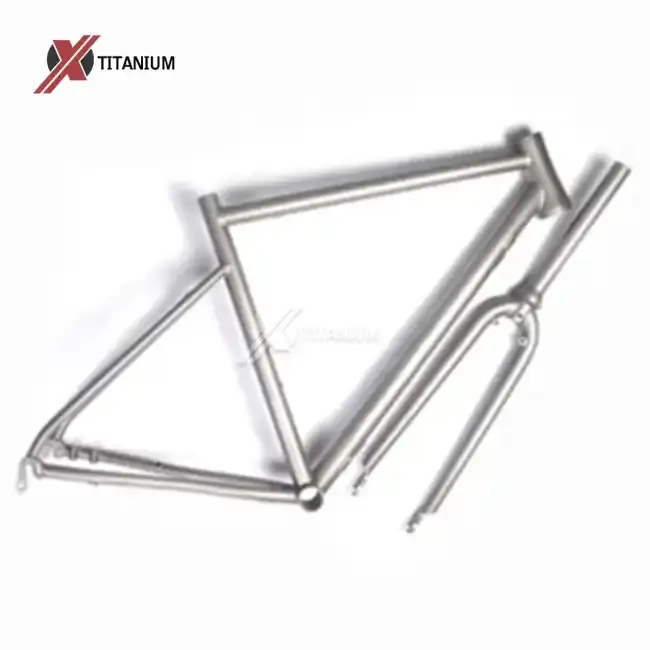
When comparing material options for bicycle construction, titanium bicycle frame parts stand out for their unique engineering profile that balances strength, weight, and longevity in ways aluminum, steel, and carbon fiber cannot replicate. Titanium alloys—particularly Grade 9 (Ti-3Al-2.5V)—provide exceptional corrosion resistance, infinite fatigue life under normal cycling loads, and a naturally compliant ride quality that absorbs vibration without sacrificing power transfer.
These characteristics make Ti alloy components the preferred choice for high-performance applications where durability and reliability are non-negotiable. (New sentence added for seamless insertion:) From dropout forgings to butted tubes and headtube lugs, titanium bicycle frame parts collectively define the structural integrity and ride feel of a premium frameset, ensuring that every joint and section contributes equally to the material's celebrated performance benefits.
Understanding Bicycle Frame Materials: Titanium vs Others
The bicycle industry primarily relies on four core materials: steel, aluminum, carbon fiber, and titanium. Each material brings distinct mechanical properties that influence frame performance, manufacturing complexity, and lifecycle costs.
Steel: Traditional Strength with Weight Penalties
Steel frames have been the standard for decades because they are easy to weld, fix, and know how to behave. Chromoly steel types have tensile strengths between 700 and 900 MPa, but they are much heavier than current options because they have a density of about 7.85 g/cm³. Because steel oxidizes easily, it needs protective coats, which make the part heavier and more difficult to maintain over time.
Aluminum: Lightweight but Fatigue-Prone
With densities close to 2.7 g/cm³, aluminum alloys (usually 6061 or 7005) save a lot of weight. But aluminum has a problem called cumulative fatigue damage. Unlike titanium, it doesn't have an endurance limit, which means that repeated stress cycles cause cracks to form and the material to break completely. Aluminum frames usually need to be replaced after 5 to 7 years of heavy use, which means that procurement teams that are in charge of fleet operations or guarantee programs have to pay more to replace them.
Carbon Fiber: Performance with Vulnerability
Through directional layup plans, designers can get the best stiffness-to-weight ratios from carbon fiber composites. Even although high-end carbon parts are lighter than titanium, they come with some secret risks. For example, stone hits or overtightening can cause damage to the laminate that can't be seen on the surface. This lack of certainty makes it harder for makers to follow quality assurance procedures and raises their risk of being sued.
Titanium: The Engineering Equilibrium
Titanium alloys are in the middle of the range of options. When compared to steel, Grade 9 titanium is about 40% lighter while still being strong. It has a density of 4.43 g/cm³ and a tensile strength of at least 900 MPa. The material's modulus of elasticity (100–110 GPa) lets it bend in a controlled way that dampens high-frequency noises. This makes riding on rough ground more comfortable without wasting energy. Titanium's passive oxide layer (TiO₂) forms instantly when exposed to air. This layer protects against corrosion naturally, so there's no need for protective finishes or regular refinishing.
Performance and Durability: Titanium vs Steel, Aluminum, and Carbon Fiber
Understanding how different frame materials handle the demands of real-life cycling, you have to look at specific performance measures that have a direct effect on buying choices and long-term value propositions.
Weight-to-Strength Ratio Analysis
Titanium bicycle frame parts are the best at keeping their structure strong while also being light. A typical titanium seat stay (16–22 mm diameter) made from Grade 9 alloy has a wall thickness of 0.9–1.2 mm and can hold more weight than aluminum versions with 30% thicker walls. Because of this efficiency, whole frame assemblies can be lighter without lowering the safety levels needed by ISO 4210 testing standards.
Fatigue Life and Structural Longevity
The most important difference shows up in how the materials respond to stress. Aluminum has an S-N curve that keeps going down, which means that each load cycle makes it more likely to break. Even although steel works better in chloride environments, it can still crack from stress corrosion. The fatigue resistance of carbon fiber depends on how well the matrix is put together and how well delamination is avoided. Titanium metals have a limit to how many times they can be loaded and reloaded before they crack. This limit is set by certain stress levels. This trait changes the economics of the lifecycle in a big way for fleet managers and custom frame builders who want to offer "lifetime" warranties.
Environmental Resistance Capabilities
Corrosion protection is very important for people who work in procurement who work with coastal markets, winter bicycle programs, or marine uses. Steel needs to have its coatings maintained all the time; aluminum rusts in saltwater; and carbon fiber's glue core can break down when exposed to UV light and changes in moisture. In these conditions, Grade 9 titanium parts don't need any upkeep and have been used in offshore naval engineering for more than 30 years without any corrosion that can be seen.
Comparative Performance Metrics
| Material | Density (g/cm³) | Tensile Strength (MPa) | Fatigue Life | Corrosion Resistance | Ride Compliance |
|---|---|---|---|---|---|
| Steel | 7.85 | 700-900 | Moderate | Poor (requires coating) | Good |
| Aluminum | 2.7 | 310-430 | Limited | Moderate | Harsh |
| Carbon Fiber | 1.6 | 600-1000+ | Variable | Moderate | Excellent |
| Titanium (Gr9) | 4.43 | 900+ | Infinite* | Excellent | Excellent |
*Under normal cycling loads below endurance limit
This data framework lets engineering teams model the total cost of ownership over expected service intervals. They can do this by using material selection matrices to look at how often things need to be replaced, how much work needs to be done on maintenance, and how often warranty claims are made.
Procurement Considerations: Cost, Customization, and Supplier Landscape
When buying titanium bicycle frame parts, the evaluation factors are different from those used for other materials. This means that procurement professionals have to look at sellers' technical skills instead of just unit price.
Total Cost of Ownership Analysis
Titanium metal frame parts usually cost two to three times as much as aluminum versions and forty to sixty percent more than steel parts of the same size. This extra charge is because of the high cost of the raw materials, the need for special welding, and the difficulty of the cutting. Lifecycle analysis, on the other hand, shows a different economics. Aluminum frames need to be replaced every 5 to 7 years, while titanium frames last 20 years or more, so the cost difference is big. When buying teams figure out the total annual costs of ownership for high-use uses, titanium often shows lower total costs.
Customization Capabilities and Lead Times
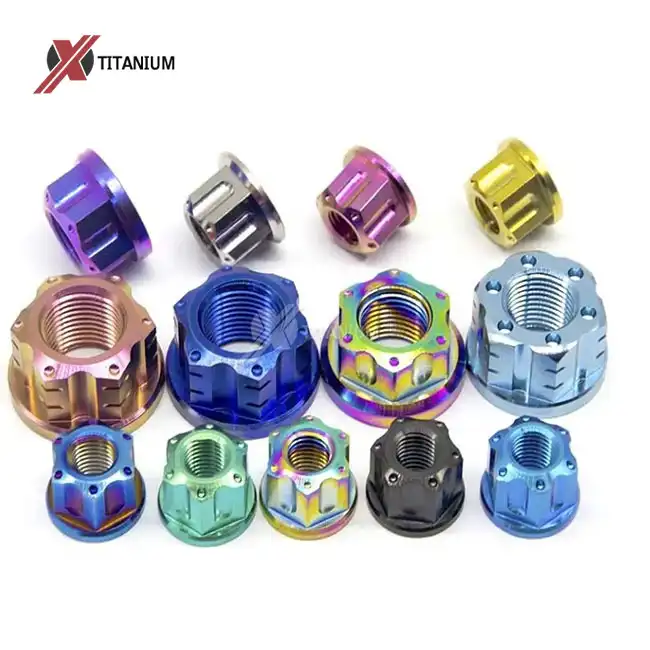
Titanium's ability to be machined and welded allows for a lot of customization that carbon fiber and aluminum can't do because they are too sensitive to heat. CNC machining lets you precisely control the tolerances for unique shapes, which is especially important for niche uses. At Chuanglian, our Grade 9 titanium parts come in a wide range of sizes and shapes, including seat stays (16–22 mm), top tubes (25–32 mm), and chainstays (19–25 mm). The surfaces can be polished, anodized, or nitrided, and they come in Ti-natural, gold, blue, green, purple, black, and rainbow finishes.
Supplier Qualification Criteria
There are still a lot of hurdles to entry in the titanium processing industry because of the need for welding certification and material tracking. Purchasing managers should look at possible providers from a number of different angles:
Technical certifications verify compliance with aerospace-grade standards (ASTM B338, ASTM B348) and quality control systems (ISO 9001, AS9100 for aerospace companies). These certifications make sure that all production batches have the same chemical composition and mechanical properties, which is equally critical when manufacturing titanium bicycle frame parts, where material consistency directly affects ride safety and structural integrity.
Welding expertise is a very important skill. Titanium needs to be surrounded by an inert gas during TIG welding to keep oxygen from getting in and making the alpha-case layers more brittle. A visual review of the weld should show color changes from silver to straw. Discolorations that are blue, purple, or white are signs of oxidation and need to be rejected. Suppliers demonstrating controlled argon purging systems and qualified welders reduce the number of defects and the cost of repairs.
Material traceability systems let you keep track of batches from the time they are certified at the mill until they are delivered as finished parts. Customers in regulated industries or those keeping full quality audit trails need this paperwork more than anything else.
Maintenance and Longevity: How to Care for Titanium Bicycle Frame Parts
Titanium bicycle frame parts are naturally very durable, and if you follow the right care steps, they will keep working well even after longer periods of time between services.
Routine Cleaning and Inspection Protocols
Titanium is easier to maintain than steel or aluminum because it doesn't rust. Normal cleaning uses mild soaps and soft brushes. The oxide layer of the material doesn't react with chemicals like road salts, acidic cleaners, or alkaline degreasers. Unlike painted steel frames, scratches on brushed or bead-blasted titanium can be fixed with Scotch-Brite pads and the original shine can be restored without the need for special tools.
Visual inspections should focus on weld zones and high-stress connection points. Examine for cracks starting at dropout interfaces and bottle boss inserts. However, titanium's pliability usually gives clear indications through deformation before it fails completely, unlike carbon fiber's sudden delamination or aluminum's brittle fracture.
Preventing Galling in Threaded Connections
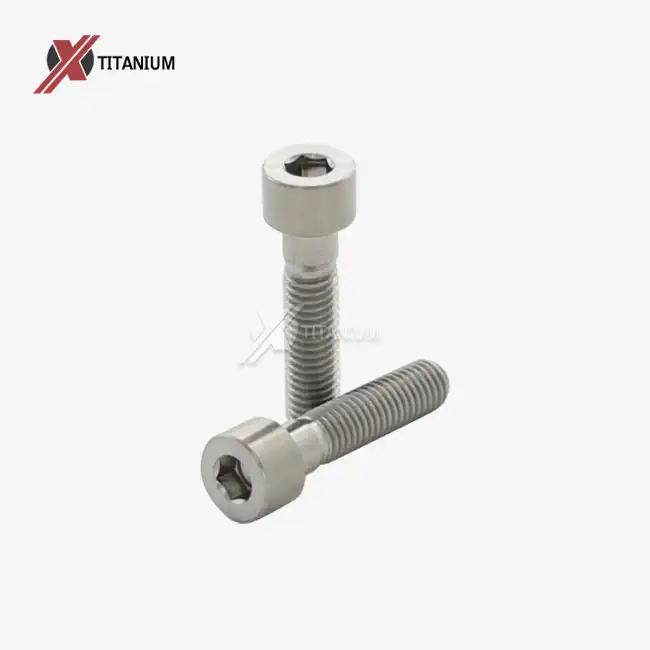
One thing that is different about maintaining titanium is that the threads can cold weld (galling) together when they are torqued. When titanium frame inserts and bolts touch, friction can fuse oxide layers together, stopping the connection. To avoid this, it is important to use a copper- or nickel-based anti-seize substance carefully when putting things together. This should be done every time a titanium frame is put together, and it should be written down in work instructions and training protocols for operators.
Authentication and Material Verification
There are several ways for the procurement and quality assurance teams to check that a component is real. Shipments should come with material approval papers that show chemical composition analyses that show the aluminum and vanadium levels are within Grade 9 standards (2.5–3.5% Al, 2.0–3.0% V). Titanium's density of 4.43 g/cm³ is higher than aluminum's of 2.7 g/cm³, as shown by the water displacement method. Hardness testing (300–350 HB for Grade 9) adds to the proof, and X-ray fluorescence (XRF) spectroscopy lets you look at the elements without damaging the shipment.
Making the Right Choice: Is Titanium Worth the Investment?
If you want to use titanium components, you need to make sure that the properties of the material match the needs of your application, your business model, and your market positioning strategy.
Application-Specific Suitability Assessment
Titanium bicycle frame parts Suitability Assessment:
• High-performance road cycling: Titanium's sound damping makes long endurance events more comfortable while keeping the efficiency of power transfer high. The material works for riders who care more about ride quality and frame life than about keeping the weight as low as possible.
• Mountain biking and gravel applications: Impact strength is very important for mountain biking and gravel uses. Carbon fiber is easily damaged by rocks and other hidden damage, so titanium is better for aggressive trail riding or bikepacking trips where frame failure could happen in remote areas without mechanical support.
• Custom frame building operations: Titanium can be welded, so small-batch makers don't have to buy expensive carbon fiber molds or complicated metal heat-treatment facilities. The material's reputation for being able to "forever frame" allows for higher prices and different guarantee terms.
• Fleet operations and rental programs: Companies that keep a lot of bikes in harsh environments save money because they don't have to replace them as often and don't have to pay as much for maintenance as companies that use aluminum or steel.
Strategic Decision Framework
Material selection should be done in a structured way by procurement managers who take into account things like budget limits, brand branding, weight sensitivity, and how often the material will be used and how it will be exposed to the environment. Titanium has measured value in situations where dependability and longevity are more important than weight. If the smallest weight is the only thing that matters, carbon fiber may be a better choice despite higher lifecycle replacement costs.
Emerging Market Trends and Future Outlook
As makers are forced to deal with carbon footprints and recycling rules, sustainability issues become more important. Titanium can be recycled over and over again without losing any of its properties. Industry data shows that titanium parts are becoming more popular in high-end e-bikes, where motor torque and battery weight emphasize the importance of structural durability. New developments in additive manufacturing (3D printing) for titanium parts could lower production costs and make it possible to make complex shapes that weren't possible with traditional tube-and-lug construction.
Conclusion
Selecting the optimal material for bicycle frame construction demands careful evaluation of performance requirements, lifecycle costs, and application-specific demands. While aluminum is cheaper at first and carbon fiber is lighter for competitive racing, titanium bicycle frame parts offer the best longevity, resistance to rust, and ride quality for uses that value the long term.
Grade 9 titanium alloy components combine 900 MPa tensile strength with infinite fatigue life, eliminating replacement cycles that burden aluminum frame programs. The material's natural oxide protection and exceptional resilience in harsh environments make it the strategic choice for procurement professionals managing high-performance fleets, custom manufacturing operations, or premium brand positioning where reliability and customer satisfaction metrics outweigh initial acquisition costs.
FAQ
Why isn't Grade 5 titanium used for complete frame construction?
Grade 5 titanium (Ti-6Al-4V) is very hard and has a tensile strength of over 900 MPa. This makes it perfect for CNC-machined parts like dropouts, head tubes, and bottom bracket shells that need to be very strong but also need to be precise in size and weight. But because it is hard and brittle, it can't be drawn into seamless tubing without cracking. Grade 9 (Ti-3Al-2.5V) is flexible enough for tube shaping while still being strong enough, making it the best choice for tubular frame elements.
Do titanium frames require painting or protective coatings?
No protective finishes are necessary. Steel frames need paint to keep them from rusting, and carbon frames need clear coats that block UV light. Titanium, on the other hand, forms a layer of titanium dioxide (TiO₂) that heals itself when exposed to oxygen. Surface finishes are only there to look nice. Scotch-Brite sanding pads make it easy to get rid of surface scratches, bringing back the original look without having to hire a professional refinisher.
How does titanium's weight compare to carbon fiber?
High-end carbon fiber parts are usually 15 to 20 percent lighter than titanium pieces of the same size and shape. When choosing a material, application needs should be given more weight than just mass. Titanium is more reliable than carbon fiber because it can withstand impacts, damage, and failure modes that can be predicted. When you look at full bicycle systems that include all the safety features you need, the difference in weight isn't as important, especially for rough terrain or high torque loads.
Partner with Chuanglian for Premium Titanium Bicycle Frame Parts
Baoji Chuanglian New Metal Material Co., Ltd. specializes in manufacturing precision-engineered titanium alloy components for discriminating bicycle manufacturers and custom frame builders worldwide. Located in Baoji City—recognized globally as the "City of Titanium"—our facility combines over a decade of titanium processing expertise with comprehensive CNC machining capabilities and rigorous quality control systems meeting international standards including ASTM B338 and B348 specifications.
Our Grade 9 titanium bicycle frame parts deliver verified performance: 900 MPa minimum tensile strength, 4.43 g/cm³ density, and 300-350 HB hardness with complete customization across dimensional specifications. We offer full surface treatment options (polishing, anodizing, nitriding) in diverse finish colors meeting aesthetic and functional requirements. Every component undergoes strict inspection protocols ensuring chemical composition verification, dimensional tolerance control, and weld quality assessment before shipment. For technical data sheets or custom orders, reach out to our engineering team at info@cltifastener.com or contact our sales representative directly at djy6580@aliyun.com.
References
1. Boyer, R., Welsch, G., and Collings, E.W. (1994). Materials Properties Handbook: Titanium Alloys. ASM International, Materials Park, Ohio.
2. Donachie, M.J. (2000). Titanium: A Technical Guide, 2nd Edition. ASM International, Materials Park, Ohio.
3. Schutz, R.W. and Watkins, H.B. (1998). "Recent developments in titanium alloy application in the energy industry." Materials Science and Engineering: A, 243(1-2), 305-315.
4. Lutjering, G. and Williams, J.C. (2007). Titanium: Engineering Materials and Processes, 2nd Edition. Springer-Verlag, Berlin.
5. Cotton, J.D., Briggs, R.D., Boyer, R.R., et al. (2015). "State of the art in beta titanium alloys for airframe applications." Journal of Materials, 67(6), 1281-1303.
6. Veiga, C., Davim, J.P., and Loureiro, A.J.R. (2012). "Properties and applications of titanium alloys: A brief review." Reviews on Advanced Materials Science, 32(2), 133-148.
Learn about our latest products and discounts through SMS or email