- English
- French
- German
- Portuguese
- Spanish
- Russian
- Japanese
- Korean
- Arabic
- Greek
- German
- Turkish
- Italian
- Danish
- Romanian
- Indonesian
- Czech
- Afrikaans
- Swedish
- Polish
- Basque
- Catalan
- Esperanto
- Hindi
- Lao
- Albanian
- Amharic
- Armenian
- Azerbaijani
- Belarusian
- Bengali
- Bosnian
- Bulgarian
- Cebuano
- Chichewa
- Corsican
- Croatian
- Dutch
- Estonian
- Filipino
- Finnish
- Frisian
- Galician
- Georgian
- Gujarati
- Haitian
- Hausa
- Hawaiian
- Hebrew
- Hmong
- Hungarian
- Icelandic
- Igbo
- Javanese
- Kannada
- Kazakh
- Khmer
- Kurdish
- Kyrgyz
- Latin
- Latvian
- Lithuanian
- Luxembou..
- Macedonian
- Malagasy
- Malay
- Malayalam
- Maltese
- Maori
- Marathi
- Mongolian
- Burmese
- Nepali
- Norwegian
- Pashto
- Persian
- Punjabi
- Serbian
- Sesotho
- Sinhala
- Slovak
- Slovenian
- Somali
- Samoan
- Scots Gaelic
- Shona
- Sindhi
- Sundanese
- Swahili
- Tajik
- Tamil
- Telugu
- Thai
- Ukrainian
- Urdu
- Uzbek
- Vietnamese
- Welsh
- Xhosa
- Yiddish
- Yoruba
- Zulu
Ensuring Quality When Buying Titanium Parts from China
Procuring high-quality titanium parts from China requires careful evaluation of manufacturing standards, supplier credentials, and quality assurance protocols. The global medical industry increasingly relies on precision-engineered components, particularly titanium medical screws, which demand exceptional biocompatibility and durability. China's titanium manufacturing sector has evolved significantly, offering competitive solutions for aerospace, medical, and industrial applications. However, ensuring consistent quality necessitates thorough supplier assessment, comprehensive testing procedures, and robust quality management systems that align with international medical device regulations and industry standards.
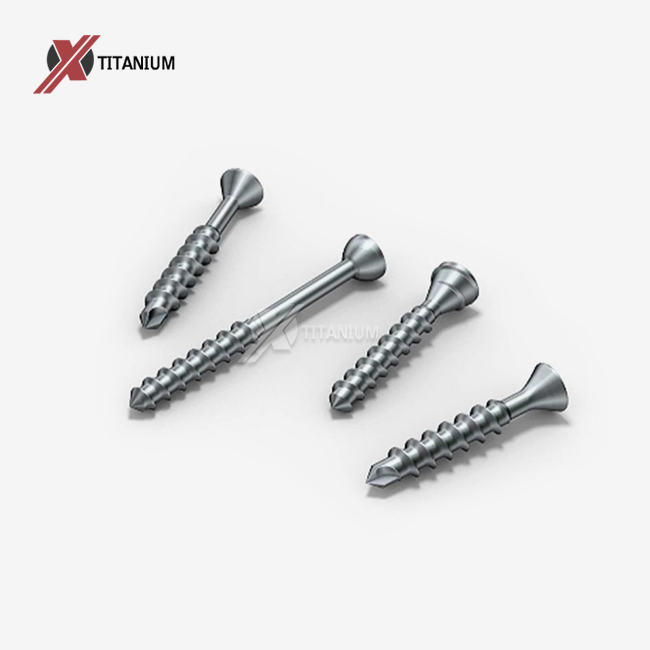
Comprehending the Importance of Quality in Titanium Medical Screws Procurement
Quality management in the procurement of titanium medical devices has a direct influence on the safety of patients and the results of surgical procedures across a variety of medical professions. The failure of these specific fasteners may lead to major difficulties in orthopedic reconstructive surgery, dental implant treatments, and spinal stabilization surgeries. These are all procedures in which the failure of the material can have catastrophic consequences.
Critical Applications in Medical Environments
Titanium medical screws are used in bearing loads throughout the human body. They are permanent implant components used in these applications. The repair of bone fractures, joint reconstruction, various skeletal stabilization operations are all performed with the assistance of these fasteners by orthopedic surgeons. Because of their remarkable biocompatibility, they are able to integrate without any problems with tissue from people while still preserving their structural integrity in situations of significant physiological stress. When it comes to implant anchoring systems, dental professionals rely on titanium screws. The osseointegration capabilities of titanium screws directly impact the success rates of long-term treatment at the dental office.
There are several uses for titanium fasteners in the field of spinal surgery, which is another important area where they offer necessary support for vertebral restoration treatments. As a result of the material's exceptional mix of strength and flexibility, which closely resembles the qualities of real bone, the stress insulating effects that are often associated with other materials such as stainless steel are significantly reduced.
Common Procurement Challenges
When buying titanium components from overseas sources, there is a substantial chance of manufacturing discrepancies occurring. Variations in the chemical makeup from batch to batch might impair the qualities of the material, which can potentially have an impact on its resistance to corrosion and its mechanical performance. The delays that occur in the supply chain often have an effect on the delivery schedules for crucial surgical operations, which in turn creates operational issues for healthcare institutions.
As a result of the unique testing requirements on medical-grade titanium alloys, quality verification becomes an especially difficult task. In order to comply with demanding medical device requirements, surface finish criteria, dimensional tolerances, and contaminants must be met. This necessitates the possession of sophisticated analytical skills, which not all vendors often have.
Material Properties Impact on Performance
The remarkable strength-to-weight ratio of titanium allows for maximum performance in severe medical applications while simultaneously reducing the amount of pain experienced by patients. Due to the intrinsic corrosion resistance of the material, it is able to maintain its stability for an extended period of time in physiological conditions, hence limiting deterioration that might activate inflammatory reactions. Titanium fasteners are better to standard materials with terms of endurance and biocompatibility due to the qualities that differentiate them from it.
provided choosing Chinese suppliers with medical applications, procurement experts are able to set acceptable quality standards and assessment criteria provided they have a thorough understanding of these key qualities.
Key Criteria for Selecting Reliable Titanium Medical Screws Suppliers in China
For the purpose of ensuring consistent product quality and dependable delivery performance, the selection of suppliers necessitates a detailed review of the production capabilities, quality systems, or regulatory compliance.
Essential Certifications and Compliance Standards
Medical device manufacturers of titanium medical screws must possess FDA approval, ISO 13485 certification, and compliance with medical device quality system regulations. These certifications demonstrate adherence to international quality standards and regulatory requirements essential for medical applications. CE marking for European markets and Health Canada licensing for Canadian distribution represent additional compliance indicators of supplier credibility.
Quality management systems should include comprehensive documentation, traceability procedures, and risk management protocols that align with medical device manufacturing standards. Suppliers demonstrating continuous improvement initiatives and proactive quality enhancement programs typically provide more reliable long-term partnerships.
Production Capabilities Assessment
The examination of the manufacturing infrastructure takes into account things like the amount of technical innovation, the production capacity, and the complexity of the equipment. An indication of a supplier's commitment in quality production methods is the presence of modern CNC machine shop capabilities, precise measurement systems, or environmental controls. When it comes to handling variable order numbers and customisation needs, production scalability becomes an extremely important attribute.
Comprehensive material characterisation and performance verification are both made possible by quality control labs that are outfitted with cutting-edge analytical equipment. In order to show their dedication to quality assurance, suppliers should demonstrate their expertise in chemical composition examination, mechanical integrity testing, and quality control inspection.
Reputation and Track Record Verification
Reviewing customer testimonials, reports, and instances of long-term partnerships with established health care businesses are all components of the industry reputation evaluation process. Objective assessments of production procedures and the application of quality standards are provided by the supplier audit reports that are generated by third-party organizations.
Reference checks with existing customers offer valuable insights into supplier performance, communication effectiveness, and problem-resolution capabilities. Suppliers with extensive experience in medical applications typically demonstrate better understanding of quality requirements and regulatory expectations.
How to Evaluate and Ensure the Quality of Titanium Medical Screws Before Purchase?
Comprehensive quality evaluation requires understanding material specifications, testing protocols, and performance verification methods to ensure products meet medical application requirements.
Material Grade Distinctions
Excellent biocompatibility is offered by titanium that is completely pure (CP Ti) grades; nevertheless, these grades have restricted strength qualities that are ideal for applications that involve minimal stress. When it comes to dental implant applications, grade 2 CP titanium gives the best possible corrosion resistance, while grade 4 CP titanium offers superior strength attributes for orthopedic treatments.
When it comes to high-stress applications, such as spinal gear and load-bearing orthopedic implants, titanium alloy Ti-6Al-4V offers exceptional mechanical qualities. Due to the fact that this alloy has both outstanding fatigue resistance and biocompatibility, it is the material of choice for severe surgical applications that need long-term durability.
Performance Comparison Analysis
Material selection comparisons reveal distinct advantages of titanium over alternative options. Stainless steel fasteners, while cost-effective, exhibit higher elastic modulus values that can cause stress shielding effects in bone applications. Titanium's elastic modulus more closely matches cortical bone, promoting natural load transfer and reducing implant-related complications.
The mechanical qualities necessary for permanent implantable application are not present in bioabsorbable polymers, despite the fact that these materials provide options for temporary fixation. Despite the fact that aluminum alloys have lightweight properties, there are issues over their biocompatibility, which restricts their use in medical applications.
Mechanical Property Requirements
Tensile strength specifications for titanium medical screws typically range from 550-900 MPa depending on alloy composition and heat treatment conditions. Yield strength values must exceed 480 MPa to ensure adequate safety margins under physiological loading conditions. Fatigue life testing for titanium medical screws becomes critical for implants subjected to cyclic loading, requiring minimum endurance limits of 10 million cycles.
Corrosion resistance testing in simulated physiological environments demonstrates long-term stability expectations. Electrochemical testing protocols evaluate material behavior in chloride-containing solutions that mimic bodily fluid conditions.
Real-World Implementation Success Stories
Titanium screws made in China have been effectively incorporated into entire implant systems by leaders in the orthopedic device manufacturing industry. When the appropriate processes for supplier certification are followed, these solutions exhibit quality consistency as well as performance dependability through their deployment. The evidence from clinical outcomes demonstrates that titanium fasteners that are made properly are useful in attaining successful surgical results.
Companies that specialize in dental implants have reported having great experiences with Chinese steel suppliers that uphold stringent standards of quality and provide complete technical assistance throughout the whole procurement process.
Best Practices for Purchasing and Logistics of Titanium Medical Screws from China
Using strategic procurement methodologies allows for the optimization of cost-effectiveness while simultaneously maintaining quality requirements and guaranteeing dependable supply chain performances for applications involving medical devices.
Pricing Strategy Development
With the ability to negotiate bulk purchase, considerable cost savings may be achieved while still keeping quality criteria. In many cases, volume commitments are sufficient to justify expenditures made by suppliers in specialized machinery and quality processes that are beneficial to long-term collaborations. In a cost-benefit analysis, it is important to take into account the overall ownership costs, which should include quality verification, transport, and prospective charges related to risk mitigation.
For the sake of budget planning and position in the market, price transparency becomes a crucial component. Providers that provide comprehensive cost breakdowns not only show their dedication to equitable pricing policies but also facilitate improved decision-making processes about procurement.
Shipping and Logistics Optimization
In order to ensure that products are protected and that regulations are followed throughout the transit process, international shipping services must emphasize product protection. In order to avoid contamination and preserve the integrity of packages for lengthy periods of transportation, climate-controlled conditions are essential. Material certifications, quality reports, etc compliance declarations are all examples of the types of documentation that are required for customs clearance.
Express shipping options accommodate urgent requirements while standard freight solutions provide cost-effective delivery for planned procurement schedules. Packaging specifications should protect delicate components while facilitating efficient handling and storage procedures.
Customization and OEM Services
Custom manufacturing capabilities allow for the creation of personalized solutions to meet the specific needs of surgical procedures. It is possible for suppliers that provide design cooperation services to improve screw arrangements for certain anatomical applications. For the purpose of facilitating product validation as well as performance verification prior to committed to production volumes, prototype creation skills are very useful.
Opportunities to form partnerships with original equipment manufacturers (OEMs) provide complete support, which includes regulatory help, technical guidance, and collaborative development programs that improve product distinctiveness and market positioning.
After-Sales Support Considerations
Comprehensive warranty programs for titanium medical screws demonstrate supplier confidence in product quality and provide protection against manufacturing defects. Technical support services enable ongoing consultation for application optimization and troubleshooting assistance. Replacement part availability ensures continuity for long-term implant programs and maintenance requirements.
Training programs for end users enhance proper installation techniques and optimize clinical outcomes. These support services differentiate premium suppliers from commodity providers and justify long-term partnership investments.
Our Expertise and Commitment to Quality in Titanium Medical Screws
Baoji Chuanglian New Metal Material Co., Ltd. leverages over ten years of specialized experience in titanium manufacturing to deliver exceptional medical-grade fasteners that meet the most stringent international standards. Located in Baoji City, renowned as the "City of Titanium," our company combines geographical advantages with advanced manufacturing capabilities to serve global medical device markets.
Comprehensive Product Portfolio
Our extensive titanium medical screw range encompasses orthopedic, dental, and spinal applications with both standard and customized configurations. Each product undergoes rigorous quality control procedures to ensure compliance with medical device regulations and performance specifications. Manufacturing capabilities include precision CNC machining, surface treatment options, and specialized packaging for medical applications.
Quality assurance protocols encompass raw material verification, in-process monitoring, and final product validation using advanced testing equipment. Our quality management system maintains traceability throughout the manufacturing process, providing comprehensive documentation for regulatory compliance and customer verification requirements.
Advanced Manufacturing Infrastructure
Our facility houses multiple CNC machine tools and precision manufacturing equipment capable of producing complex geometries with tight tolerances. Investment in cutting-edge technology enables consistent quality output while maintaining competitive production costs. Environmental controls and cleanroom capabilities ensure contamination-free manufacturing processes essential for medical applications.
Testing laboratories equipped with chemical analysis, mechanical property testing, and surface characterization instruments provide comprehensive quality verification capabilities. These facilities enable us to validate material properties and ensure compliance with international medical device standards.
Customer-Centric Service Approach
Technical consulting services support customers throughout the procurement process, from initial specification development through final product validation. Our engineering team collaborates with clients to optimize designs for specific surgical applications while maintaining manufacturability and cost-effectiveness. Dedicated customer service representatives provide responsive communication and project management support.
Quality documentation packages include material certificates, test reports, and compliance declarations necessary for regulatory submissions and internal quality systems. Our commitment to transparency and technical support has earned recognition from medical device manufacturers worldwide.
Conclusion
Successful procurement of titanium medical screws from China requires comprehensive evaluation of supplier capabilities, quality systems, and regulatory compliance. Understanding material properties, testing requirements, and performance specifications enables informed decision-making that prioritizes patient safety and clinical effectiveness. Strategic supplier partnerships based on quality excellence, technical expertise, and reliable service delivery create sustainable competitive advantages in the medical device industry. Proper due diligence and ongoing supplier management ensure consistent quality while optimizing cost-effectiveness for long-term business success.
FAQ
How can I verify the credibility of Chinese titanium medical screw manufacturers?
Verification involves reviewing certifications like ISO 13485, FDA registration, and medical device compliance documentation. Request audit reports, customer references, and quality system documentation. Visit manufacturing facilities when possible to assess capabilities firsthand. Third-party verification services can provide independent assessment of supplier credentials and manufacturing practices.
What distinguishes titanium from stainless steel screws in medical applications?
Titanium offers superior biocompatibility with minimal tissue reaction compared to stainless steel. The elastic modulus of titanium more closely matches bone properties, reducing stress shielding effects. Corrosion resistance in physiological environments surpasses stainless steel performance. While titanium costs more initially, long-term performance benefits often justify the investment for permanent implant applications.
How can I collaborate on custom orders for specialized surgical requirements?
Engage suppliers early in the design process to optimize manufacturability and cost-effectiveness. Provide detailed specifications including dimensional requirements, material grades, and performance criteria. Prototype development enables validation before production commitment. Establish clear communication channels and project management protocols to ensure successful custom product development and delivery.
Partner with Chuanglian for Premium Titanium Medical Screws
Baoji Chuanglian New Metal Material Co., Ltd. stands ready to support your titanium medical screw requirements with proven expertise and unwavering quality commitment. Our ISO-certified manufacturing facility produces precision fasteners that meet international medical device standards while delivering competitive pricing and reliable delivery performance. Contact our technical team at info@cltifastener.com or djy6580@aliyun.com to discuss your specific requirements and receive detailed quotations.
References
1. American Society for Testing and Materials. "Standard Specification for Wrought Titanium-6Aluminum-4Vanadium Alloy for Surgical Implant Applications." ASTM F136-13, 2019.
2. International Organization for Standardization. "Implants for surgery - Metallic materials - Part 2: Unalloyed titanium." ISO 5832-2:2018, Medical Device Standards.
3. Food and Drug Administration. "Guidance Document for Testing Orthopedic Implants with Modified Metallic Surfaces Apposing Bone or Bone Cement." Center for Devices and Radiological Health, 2021.
4. European Medicines Agency. "Guidelines on the qualification and classification of stand alone software used in healthcare within the regulatory framework of medical devices." Committee for Medicinal Products for Human Use, 2020.
5. Brunette, D.M., et al. "Titanium in Medicine: Material Science, Surface Science, Engineering, Biological Responses and Medical Applications." Springer-Verlag Medical Research, 2nd Edition, 2018.
6. Zhang, L.C. and Chen, L.Y. "A Review on Biomedical Titanium Alloys: Recent Progress and Prospect." Advanced Engineering Materials Research Journal, Volume 22, Issue 8, 2019.
Learn about our latest products and discounts through SMS or email