Titanium axle nuts make bicycles operate better by making them lighter while yet being quite sturdy. These fasteners are constructed of titanium, which is a superior material than steel. This makes them stronger, less likely to rust, and more dependable mechanically than regular steel fasteners. Titanium axle nuts are a must-have for both bike riders and manufacturers. They make the bike easier to control, speed up, and last longer, all while maintaining the bike's structure sturdy enough to endure a broad variety of riding circumstances.
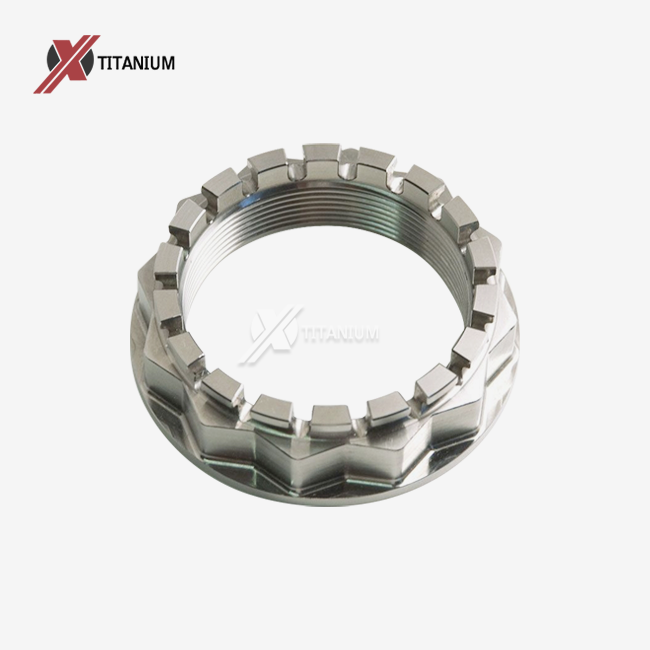
Understanding Titanium Axle Nuts and Their Role in Bike Performance
Titanium axle nuts are great fasteners that keep bicycle wheels in place with great precision and durability. Titanium is an excellent material since it is incredibly strong for its weight, does not corrode easily, and lasts a long time. These items are needed to make the bike work better in harsh settings. When it comes to making motorcycles lighter while yet being quite sturdy, titanium is far better than steel and aluminum. When B2B procurement professionals choose parts that are a good mix of performance, longevity, and cost-effectiveness in manufacturing or distribution, they need to know these essential facts.
What Are Titanium Axle Nuts?
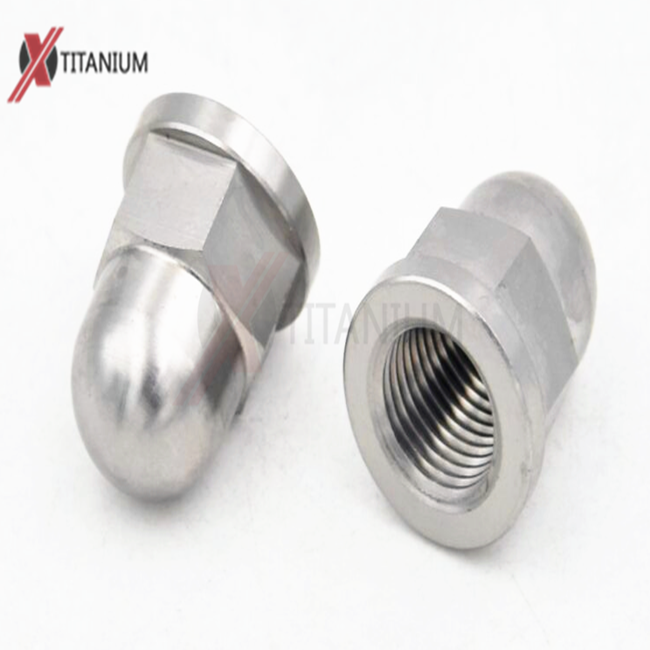
To keep bicycle wheel assemblies in place, titanium axle nuts are precision-machined from Grade 5 titanium alloy (Ti-6Al-4V). These elements are the most critical connection between the bike frame and the wheel hub. They make sure that everything is in the right place and remains in place when the bike is being used. The main usage are in road bikes, mountain bikes, and high-performance racing bikes, where keeping the weight down and making the bike last longer are quite crucial.
Titanium is a superb material for axle nuts because of its key properties. The alloy has a very high tensile strength of about 950 MPa and is also exceptionally resistant to stress corrosion and fatigue. These characteristics make sure that the gadget performs properly even when the loads and the environment vary.
Benefits of Using Titanium Axle Nuts
Titanium axle nuts have several benefits that go beyond just being lighter. These are the main reasons why the cycling industry is adopting:
- Superior strength-to-weight ratio: Titanium delivers mechanical strength comparable to steel while weighing approximately 40% less, enabling significant overall bike weight reduction without compromising structural integrity.
- Exceptional corrosion resistance: Titanium doesn't need protective coatings as steel does. It naturally resists rust and chemical damage, making it reliable in tough conditions for a long time.
- Enhanced durability: The material's capacity to withstand wear and fatigue increases the lifespan of the components, which lowers maintenance expenses and replacement prices over time.
- Temperature stability: Titanium keeps its mechanical qualities stable over a broad range of temperatures, thus it works reliably in a variety of weather circumstances.
These benefits lead to better bike performance since they lower the unsprung weight, make the handling more responsive, and make maintenance less frequent, which is good for both manufacturers and end users.
Comparison: Titanium Axle Nuts vs Steel and Aluminum
When you compare the weight of titanium to other materials, you can see that it has certain clear benefits. Standard steel axle nuts weigh between 15 and 20 grams apiece, but titanium axle nuts weigh between 8 and 12 grams each and are just as strong. When you think about how many fasteners are used in a whole bicycle assembly, this decrease becomes quite important.
Differences in how well they resist corrosion are just as compelling. Steel pieces require treatments like galvanization or coating that make them heavier and harder to work with. On the other hand, titanium naturally protects itself against chemical and oxidative assaults. Aluminum alternatives are light, but they don't have the mechanical strength required for high-stress usage and they wear out faster than titanium.
Durability tests reveal again and over that titanium is superior than other materials in numerous respects. Tests in the lab reveal that titanium can handle stress cycles far better. Its parts keep strong even after millions of load cycles that would break steel or aluminum parts.
Performance and Safety: How Titanium Axle Nuts Enhance Bike Functionality?
When adding titanium axle nuts to bike designs, the most crucial things to consider about are still performance and safety. These components are stronger than others and can bear the right amount of tension to make sure they fit together tightly and the ride is smooth. Parts last longer and require less care since titanium doesn't rust easily. This is great news for procurement experts who are worried about how much the product will cost during its lifetime. When you replace steel or aluminum with titanium, the bike becomes lighter. This helps it move quicker and makes the rider less weary, which directly influences how well it functions overall. Following safety rules in the business provides buyers peace of mind that all kinds of motorcycles will perform well.
Strength and Torque Specifications of Titanium Axle Nuts
Using the proper amount of torque while putting on titanium axle nuts ensures sure they operate effectively and are safe. The best torque ratings for most bike purposes are between 8 and 12 Nm. But these numbers might differ based on the size of the axle and the kind of thread utilized. These values provide the pieces adequate clamping force without putting them at risk of breaking or galling the threads.
You can determine how well titanium functions by how sturdy it is while it is under dynamic cycling loads. Grade 5 titanium alloy can bear a lot of stress without breaking since it has a yield strength of roughly 830 MPa. This strength ensures that it will work well even when there is a lot of stress, such when you ride aggressively, stop suddenly, or encounter uneven ground.
Corrosion Resistance and Longevity
Titanium's natural oxide layer protects it better against harm from the environment than steel or aluminum. This passive film fixes itself when it is broken, thus it protects against corrosion all the time without requiring maintenance or protective coatings. This implies that parts survive longer and don't need to be changed as frequently.
For commercial purposes, the influence on maintenance schedules is quite essential. Rust may cause steel parts to need to be examined and perhaps replaced every year. On the other hand, titanium axle nuts generally work well for many years when used regularly. Even though the initial cost is higher, its long life decreases the total cost of ownership.
Weight Reduction and Its Influence on Bike Performance
When you replace steel fasteners with titanium ones, you might see a big difference in weight savings. Replacing each axle nut saves around 7–8 grams, which helps make the bike lighter overall. This makes it easier to accelerate, climb, and handle.
When looking at whole bicycle assembly, the cumulative impacts become clear. Using many titanium fasteners on the drivetrain, wheels, and frame may save the overall weight by more than 200 grams while also making the parts stronger and more resistant to rust.
Safety Considerations for Titanium Axle Nuts
When correctly designed and fitted, Titanium axle nuts are safe and dependable for all bicycle classifications. The material's great resistance to fatigue and stable mechanical qualities make sure that it works well in a wide range of situations. But it is still very important to use the right amount of torque to avoid over-tightening, which may damage threads or make clamping less effective.
ASTM B348, ISO 5832-3, and AMS 4928 are some of the industry standards that control the production of titanium parts to make sure they are always of the same quality and performance. These certifications provide procurement experts assurance that the parts will work and meet safety standards.
Procurement Insights: Choosing the Right Titanium Axle Nuts for Your Business
To buy titanium axle nuts, you need to know a lot about the several ways to get them, how much they cost, and what quality standards affect your buying selections. Knowing the difference between wholesale suppliers and OEM manufacturers has a big impact on how much things cost and how easy they are to find. Choosing the right grade of titanium, especially Grade 5, is very important for making sure that performance needs and regulatory criteria are met. companies that need bespoke specs may get scaled solutions via bulk buying and custom manufacturing. However, to make the supply chain as efficient as possible, companies must also think about logistical issues including international shipping and import rules.
Overview of Titanium Axle Nuts Market and Sourcing Options
As the need for better performance grows in all types of riding, the worldwide market for titanium bicycle parts is growing. Wholesale vendors usually have standard sizes and configurations at good prices for large orders. On the other hand, OEM manufacturers make unique solutions with customized threading, surface treatments, and quality certificates.
Prices change based on the cost of raw materials and the difficulty of making things. For example, titanium axle nuts cost more than steel axle nuts. But when looking at the total cost of ownership, titanium is frequently the better choice since it lasts longer and needs less care, which makes up for the higher initial cost.
How to Evaluate Titanium Axle Nuts: Grades and Quality Standards?
Grade 5 titanium (Ti-6Al-4V) is the best material for high-performance axle nuts because it has the best combination of strength, weight, and resistance to corrosion. This alloy has a tensile strength of more than 950 MPa and is nevertheless easy to work with and resistant to fatigue, making it great for precise threading.
Quality control markers include things like certificates for materials, checks on the correctness of dimensions, and requirements for the surface polish. Well-known companies provide forth material test certifications that show the chemical composition, mechanical qualities, and conformity with industry standards like ASTM B348 and AMS 4928.
Bulk Ordering and Custom Manufacturing
OEMs and distributors that need specialized thread patterns, surface treatments, or size requirements may benefit greatly from custom titanium axle nuts. The company can do CNC machining for precise threading, anodizing for color customization, and unique surface treatments like nitriding to make parts more resistant to wear.
The minimum order quantity is usually between 100 and 500 pieces, depending on how much customisation is needed and how complicated the production process is. Standard configurations have lead times of 2 to 6 weeks, while bespoke requirements need more time to manufacture tooling and check quality.
Shipping and Logistics Considerations
When buying titanium parts from other countries, you need to think about things like how to classify them for customs paperwork and how to follow import rules. For customs clearance, titanium items usually need material certifications and proof of where they came from.
Packaging standards safeguard parts during delivery and keep prices down at the same time. Specialized packaging keeps things organized for inventory management when they arrive, and it protects them from harm from vibration and impact.
Case Studies and Real-World Applications of Titanium Axle Nuts in Bikes
Real-world examples show how titanium axle nuts may be useful for many types of riding, such as mountain biking and road racing. Professional teams and manufacturers have confirmed these parts via intensive field testing, which has shown that they increase handling, last longer, and work better overall. Case studies show that there are particular advantages, such as longer maintenance intervals, better durability in harsh environments, and less weight, all of which provide a company a competitive edge. Procurement teams may learn how to successfully deploy by learning about recommended practices for installation and how to solve compatibility problems.
Top Brands and Trusted Manufacturers Overview
Top companies that make titanium fasteners have stringent quality requirements and thorough testing procedures to make sure that their parts are reliable. Companies that make aerospace-grade titanium items typically also make equipment for cycling. They offer superior materials understanding and precise production skills to the market.
When evaluating suppliers, you should look at things like material certifications, quality management systems, and their history of making successful deliveries to comparable applications. Warranty policies and the availability of technical help give buyers more confidence when they buy important parts.
Successful Applications in Mountain Bikes and Road Bikes
Mountain bike applications show how titanium works well in harsh environments, such as when it gets wet, dirty, or hit. Professional cyclists say that their bikes are easier to handle since they are lighter and less likely to break down because they are resistant to rust. This is especially true for rear axle assemblies, which are hard to clean.
Road racing applications stress the advantages of reducing weight, which helps with climbing and acceleration. Team mechanics like that the cars need less maintenance, which makes it easier to support the races and makes sure they work well all season long.
Installation Best Practices for Titanium Axle Nuts
Using the right installation method makes sure that titanium parts work at their best and don't get damaged. Using anti-seize compounds to lubricate threads reduces galling and lets you apply the right amount of tension. Tightening in phases lets the threads fit properly and spreads the tension evenly across the interfaces.
Use calibrated equipment to apply torque according to the manufacturer's instructions. This will save you from over-tightening, which might damage threads or make clamping less effective. Regular inspections make sure that the installation is still correct and find any problems before they compromise safety or performance.
Common Challenges and How They Are Overcome
Sometimes, compatibility problems happen when you add titanium parts to an existing bicycle assembly. Checking the thread pitch and dimensions makes ensuring that the new parts fit properly with the hardware and frame that are already in place. Professional installation services can handle complicated compatibility needs and provide you peace of mind that everything is put up correctly.
Thread adapters and spacers are examples of aftermarket retrofitting solutions that let you place titanium parts on frames that were designed for steel bolts. These parts keep the structure strong while allowing for performance improvements by changing the materials used.
Conclusion
Titanium axle nuts are a big step forward in bicycle component technology. They make the bike lighter, more resistant to rust, and more reliable mechanically. The material's excellent strength-to-weight ratio and inherent durability make it a great choice for both performance-oriented uses and commercial production needs. Proper procurement methods that focus on quality certifications, supplier capabilities, and long-term cost considerations make sure that cycle applications are effective in a wide range of situations. As the cycling industry keeps focusing on improving performance and making parts last longer, titanium fasteners will still be important for manufacturers that want to go ahead of the competition by using sophisticated materials technology.
FAQ
Q1: How much do titanium axle nuts typically weigh compared to steel nuts?
A: Titanium axle nuts are around 40% lighter than steel axle nuts. A regular steel axle nut weighs 15 to 20 grams, but a titanium axle nut weighs just 8 to 12 grams and is just as strong. This means that you may save a lot of weight without losing structural integrity.
Q2: Are titanium axle nuts compatible with all types of bicycle axles?
A: When the right thread requirements are used, titanium axle nuts may still be used with ordinary bicycle axle systems. You may get them in sizes M10, M12, M14, M16, M18, and M20, with multiple pitch choices (1.0mm, 1.25mm, 1.5mm, and 2.0mm) to fit the needs of different bike brands.
Q3: What are the recommended torque specifications for installing titanium axle nuts?
A: For most bicycle applications, the recommended torque levels are between 8 and 12 Nm. However, these values may vary depending on the axle diameter and the manufacturer's specifications. Using the right amount of torque keeps things from being too tight while also making sure there is enough clamping force for safe operation.
Contact Chuanglian for Premium Titanium Axle Nuts
Find out how precision-engineered titanium axle nuts from Baoji Chuanglian New Metal Material Co., Ltd. may improve performance. Our experience in manufacturing and quality certifications guarantee durable parts that improve bike performance while lowering weight and maintenance needs. Our technical staff is here to help you with every step of the procurement process, whether you require standard setups or unique specifications. As a top supplier of titanium axle nuts, we provide low prices on large orders and fast shipping to help you stay on track with your production. Contact us at info@cltifastener.com or djy6580@aliyun.com to discuss your specific requirements and request detailed product specifications. Experience the difference that premium titanium components make in bicycle performance and reliability.
References
1. ASM International Handbook Committee. "Properties and Selection of Titanium Alloys." ASM Handbook Volume 2: Properties and Selection: Nonferrous Alloys and Special-Purpose Materials. 10th Edition.
2. Boyer, R.R., Welsch, G., and Collings, E.W. "Materials Properties Handbook: Titanium Alloys." ASM International Materials Park.
3. Lutjering, G. and Williams, J.C. "Titanium: Engineering Materials and Processes." 2nd Edition. Springer-Verlag Berlin Heidelberg.
4. Donachie, Matthew J. "Titanium: A Technical Guide." 2nd Edition. ASM International Materials Park.
5. Peters, M., Kumpfert, J., Ward, C.H., and Leyens, C. "Titanium Alloys for Aerospace Applications." Advanced Engineering Materials Volume 5.
6. Rack, H.J. and Qazi, J.I. "Titanium Alloys for Biomedical Applications." Materials Science and Engineering C Volume 26.