- English
- French
- German
- Portuguese
- Spanish
- Russian
- Japanese
- Korean
- Arabic
- Greek
- German
- Turkish
- Italian
- Danish
- Romanian
- Indonesian
- Czech
- Afrikaans
- Swedish
- Polish
- Basque
- Catalan
- Esperanto
- Hindi
- Lao
- Albanian
- Amharic
- Armenian
- Azerbaijani
- Belarusian
- Bengali
- Bosnian
- Bulgarian
- Cebuano
- Chichewa
- Corsican
- Croatian
- Dutch
- Estonian
- Filipino
- Finnish
- Frisian
- Galician
- Georgian
- Gujarati
- Haitian
- Hausa
- Hawaiian
- Hebrew
- Hmong
- Hungarian
- Icelandic
- Igbo
- Javanese
- Kannada
- Kazakh
- Khmer
- Kurdish
- Kyrgyz
- Latin
- Latvian
- Lithuanian
- Luxembou..
- Macedonian
- Malagasy
- Malay
- Malayalam
- Maltese
- Maori
- Marathi
- Mongolian
- Burmese
- Nepali
- Norwegian
- Pashto
- Persian
- Punjabi
- Serbian
- Sesotho
- Sinhala
- Slovak
- Slovenian
- Somali
- Samoan
- Scots Gaelic
- Shona
- Sindhi
- Sundanese
- Swahili
- Tajik
- Tamil
- Telugu
- Thai
- Ukrainian
- Urdu
- Uzbek
- Vietnamese
- Welsh
- Xhosa
- Yiddish
- Yoruba
- Zulu
How to choose titanium bolt kits for mountain bikes
When choosing mountain bike titanium bolt kits, you need to think carefully about the material requirements, the needs of the application, and the supplier's reputation. Titanium screws, especially those made from Grade 5 Ti-6Al-4V metal, are up to 40% lighter than steel ones while still having a tensile strength of 950 to 1050 MPa. When looking at bolt kits, purchasing teams should focus on CNC-machined parts with rolled threads, make sure they meet ASTM B348 standards, and make sure the bolts have surface processes like nitriding or anodizing that make them more resistant to wear.
To keep them from coming away when the road shakes, kits for brake calipers, stem clamps, and suspension links must meet ISO 965-2 threading tolerances. When you buy from companies whose production methods can be tracked and whose materials are certified, you can be sure that each batch will be the same. This meets the important need for stability in high-performance cycling uses.
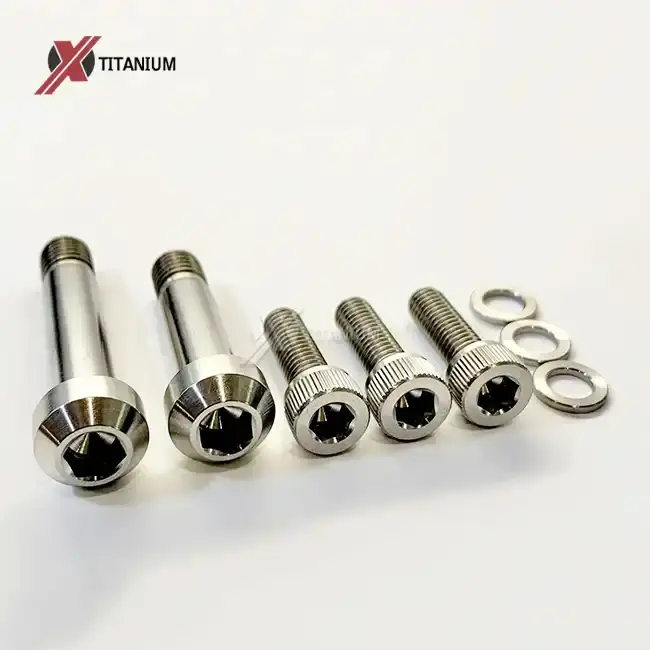
Understanding the Benefits and Key Features of Titanium Bolt Kits
Mountain bike titanium bolt kits are a smart investment for companies that need strong, light gear for tough off-road conditions. The technical benefits come from the qualities of the material itself and the precise manufacturing methods that make these parts different from other options.
Superior Strength-to-Weight Performance
A material called Grade 5 titanium alloy is made up of 90% titanium, 6% aluminum, and 4% vanadium. It has great engineering qualities. The density of this mixture is only 4.43 g/cm³, but the yield strength is close to 880 MPa. When you compare weight savings, it's easy to see what this means for mountain bike assemblies: changing steel hardware on braking systems, cockpit parts, and drivetrain mounts with a full titanium bolt kit usually cuts weight by 150 to 200 grams. This decrease happens at important mounting places where structural stability and sound damping are still very important. The modulus of elasticity of the alloy is high enough to allow it to take impact loads without permanently changing shape. This means that it can be used for longer than materials that are stronger but more brittle.
Corrosion Immunity in Aggressive Environments
When you go mountain riding, you put screws in contact with mud, saltwater spray, hydraulic fluids, and chemical cleaners that break down ferrous metals quickly. Titanium's inactive oxide layer forms on its own and grows back when it is scratched, protecting it from electrolytic corrosion for good. This feature gets rid of galvanic rust problems that happen when titanium bolts connect to carbon fiber or aluminum frames. Field testing done during different riding seasons shows that properly placed titanium screws keep their torque and thread integrity, while stainless steel copies show pitting and seizure. The inert nature of the material stops the chemical connection between the bolt and the threaded insert, which makes maintenance more difficult. This is especially important for brake caliper mounting bolts that are heated and cooled many times during service.
Enhanced Durability Through Advanced Surface Treatment
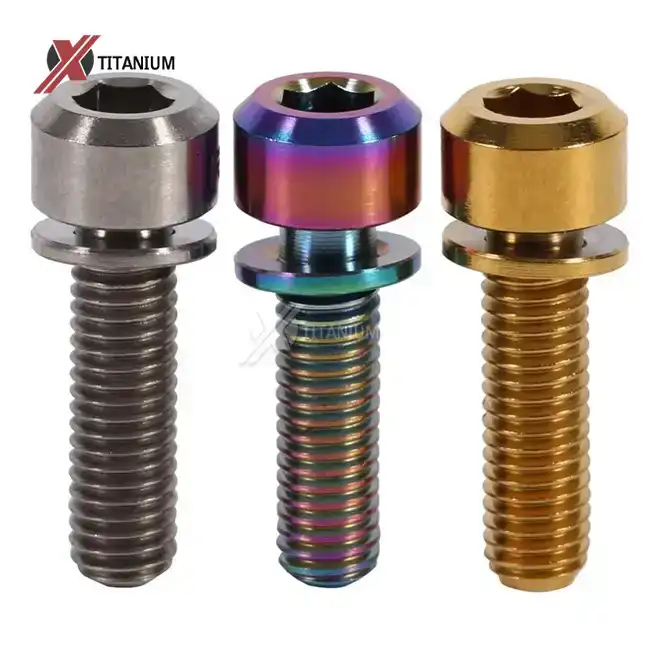
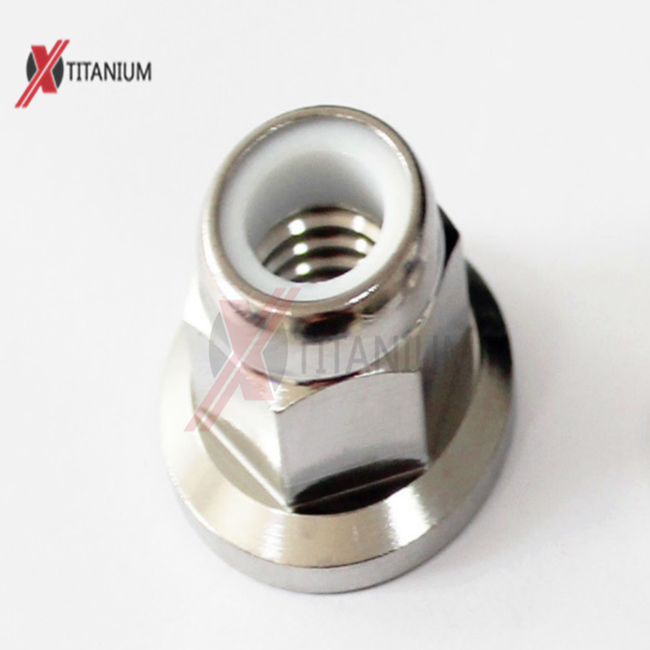
CNC-machined titanium bolts made to aircraft standards go through processes that harden the surface, which makes them much less likely to wear out. Physical Vapor Deposition coating makes a nitrided layer on the surface that is harder than 2000 HV. This lowers the friction coefficient and stops galling while the coating is being installed. Anodizing processes that come in natural titanium, gold, blue, green, purple, black, and rainbow finishes let you change the way something looks and make it more scratch-resistant.
These changes to the surface keep the dimensions accurate to within microns, which is important for maintaining the ISO 965-2 6g thread class fit that is needed for uniform gripping force. The smooth finish on bolt heads makes it easier for workers doing regular maintenance checks to clean and look at them. For riders and builders who demand both performance and aesthetics, mountain bike titanium bolt kits equipped with these advanced surface treatments deliver unmatched durability, consistent torque retention, and a custom look that withstands the harshest trail conditions without fading or corroding.
Key Criteria for Selecting the Right Titanium Bolt Kit
When buying titanium screws, it's important to carefully consider a lot of different technical and practical factors. A structured method makes sure that the chosen parts meet the needs of the application and provide measured value over the course of their useful life.
Material Grade Verification and Certification
A real Grade 5 titanium (Ti-6Al-4V) approval is the basis for quality guarantee. Buyers should ask for test results on the materials they are interested in that include a chemical makeup analysis and confirmation of their mechanical properties that meet ASTM B348 standards. The way things are made is very important. CNC cutting from solid bar stock keeps the grain structure integrity better than casting or fused options. When compared to cut threads, rolled threads have about 30% more wear resistance because they keep the continuous grain flow pattern along the thread sides. Suppliers with ISO 9001 quality control systems and tracking methods provide batch-specific paperwork that connects finished bolts to heat lots of source material. This openness is very important for putting together full repair records for fleet operations or competitive race programs that need to check parts.
Dimensional Compatibility and Thread Specifications
Metric threading standards are used for mountain bike parts, and the pitch needs change depending on the purpose. The threading on brake rotor bolts is usually M5 x 0.8mm, and the threading on stem faceplate bolts is between M4 and M6, based on the shape of the handlebar clamp. Before buying new parts, it's important to get exact measurements of the hardware that you already have. To reach full strength, the thread contact length must be at least 1.5 times the standard diameter. For most tasks, socket head cap screws are still the best choice. Standard hex key sizes are 4mm, 5mm, or 6mm to match the sizes of most multi-tools. Custom kits can be made to fit unique needs, like having a certain shank length for thick frame bolts or longer thread lengths for through-bolt uses.
Performance Requirements Across Application Zones
Different attachment sites put different mechanical demands on the bolts that are used. High-frequency vibrations happen at the surfaces of the handlebar and stem, and screws are needed to keep the preload while the load changes. Cycles of articulation and impact loads put stress on suspension linkage nuts, so they need to be very resistant to wear. Brake caliper mounting bolts need to be able to withstand shear forces and provide accurate placement, which means they need to have tight circle specs and a certain grip length. Controlled clamping force distribution is needed in seatpost clamps to keep the carbon fiber from breaking and to keep the post in place. By knowing these application-specific needs, you can match the bolt specs to the real loading conditions instead of using standard hardware.
Supplier Reliability and Technical Support
By building ties with makers who know a lot about the materials they use, you can get engineering advice when choosing a product. Trustworthy providers give advice on torque specs that take into account titanium's lower friction coefficient than steel, which keeps damage from happening when it is over-torqued. Custom kit setups let purchasing teams choose the exact number of bolts, their lengths, and the head types that match the bills of materials for the assembly. When planning production plans or repair operations, being able to predict lead times is very important. Manufacturers make sure they keep enough inventory on hand to support fast fulfillment.
Committed partners are different from transactional sellers because they offer after-sales support, such as warranty coverage and technology troubleshooting help. For off-road builds that face constant vibration, mud, and moisture, sourcing mountain bike titanium bolt kits from such partners ensures every fastener—from derailleur hangers to disc rotor mounts—delivers consistent clamping force and corrosion-free performance over thousands of trail miles.
Installation and Maintenance Best Practices for Titanium Bolt Kits
The best performance benefits come from using the right construction methods and preventative maintenance schedules. These also help extend the service life of parts. Knowing what makes titanium special stops people from making common mistakes that damage fasteners.
Torque Specifications and Installation Procedures
Because titanium has a lower friction coefficient than steel, the torque numbers need to be changed to get the same gripping force. Thread stripping and bolt stretching can be avoided by lowering the normal steel force specs by about 20%. Using calibrated torque tools instead of depending on feel makes sure that the results are the same for all fasteners. Threads that are clean and don't have any lubricants, anti-seize compounds, or thread lockers on them keep their expected friction properties unless the maker says otherwise. Installing bolts in steps using a star design for multi-bolt interfaces spreads stress evenly and keeps parts from warping. If you don't want to round out the internal hexagon when you tighten, Allen keys or hex drivers should fit socket heads perfectly and without any play.
Routine Inspection and Preventive Maintenance
Setting up regular check times based on how much you ride and how exposed you are to the surroundings helps find problems before they happen. A visual inspection looks for discoloration that could mean the part has been exposed to too much heat, especially on the bolts that hold the brake caliper in place. Looking at the wear patterns on anodized finishes shows that the stress isn't distributed evenly or that the fitting wasn't done right. Retorquing bolts after the initial settling times makes up for material embedment and keeps the pressure constant. Using gentle soap and water to clean titanium screws gets rid of rough dirt and grime without the need for harsh chemicals that could damage surface treatments. Keeping track of torque values and installation dates provides maintenance records that can be used to support guarantee claims and show where design changes are needed to fix problems.
Common Installation Errors to Avoid
Cross-threading during the initial contact is one of the most common installation mistakes. This happens when threads aren't lined up right or there is dirt in them. Starting bolts by hand and turning them a few times makes sure the threads are engaged properly before using tools. When you over-torque titanium screws, the threads get damaged or the bolts get longer, which lowers their clamping force and wear life. Depending on the climate, mixing titanium nuts with steel or aluminum washers could cause galvanic corrosion problems. When you use impact tools on titanium hardware, you run the risk of shock loading that causes cracks that you can't see. Using steel replacement intervals to decide when to replace titanium nuts early loses resources, and going beyond the suggested service life in important situations adds extra risk.
Comparing Popular Titanium Bolt Kits and Brands
An study of the market across well-known producers shows differences in performance and value propositions that are important for making purchasing decisions. When judging products from well-known names, you can set standards for quality and price ranges. Some of the best brands, like DT Swiss, SRAM, and Race Face, make mountain bike titanium bolt kits that are designed to work with mountain bikes. DT Swiss makes complete kits with Grade 5 material standards that include brake rotors, mounting bolts for the chainring, and extra bolts.
SRAM specializes in gear for the drivetrain, like chainring nuts and derailleur hanger fasteners that are made to work perfectly with their component environments. Race Face focuses on personalizing the look by offering a wide range of colors, while still keeping the right structural specs for bold riding styles. OEM-grade titanium gear from Specialized and Fox Racing is perfectly matched to their frame and suspension shapes, making sure the best fit and performance.
When you compare titanium to stainless steel options, you can see how important cost-benefit analysis is. Usually, stainless steel nuts are 60–70% less expensive than titanium bolts of the same size and strength. They are also resistant to corrosion well enough for casual rides. However, stainless steel's higher density and tendency to gall when being removed make upkeep tasks more difficult. Although aluminum nuts are very light, they are not strong enough for high-stress areas like brake points and suspension pivots. From 2024 buying cycles, customer feedback shows that they are happiest with titanium hardware in brake systems and cockpit parts, where weight loss and corrosion protection give them instant, measured benefits.
Price positioning changes a lot depending on how complete the kit is and how well it was made. Beginner kits with 10 to 15 typical bolts cost between $30 and $50, while full 50-piece kits with a variety of sizes and head styles cost $150 to $200. Depending on how complicated they are, custom-machined bolts for certain frame types or special uses may cost more than $5 per fastener. Fleet sales usually come with discounts of 15–25%, so working directly with manufacturers can save money for businesses that manage a lot of bikes or offer commercial services.
Procurement Strategies and Where to Buy Titanium Bolt Kits for Mountain Bikes?
When buying titanium screws for production or upkeep, strategic sourcing methods make sure that quality, cost, and supply chain reliability are all taken into account.
Direct Manufacturer Relationships Versus Distribution Channels
When you buy directly from manufacturers like Chuanglian, you can get customization options, expert help, and bulk prices that you can't get from store distributors. With combined CNC machining facilities, manufacturers can meet non-standard requirements like thread lengths that aren't standard, head styles that aren't standard, or coatings that aren't standard but meet the needs of a particular application.
When you buy in bulk through direct contacts, you don't have to pay markups on the distribution, which are usually between 40 and 60%. Custom setups usually have lead times of 4 to 6 weeks, but this depends on how complicated the order is and when it needs to be made. Material certifications, dimensional inspection reports, and batch tracking paperwork are all things that well-known makers offer to help with quality control systems and meeting compliance standards.
Standard kit versions are easy to find and can be bought right away from retail distributors and online markets. Platforms that focus on bicycle parts keep a wide range of popular sizes and styles in stock, so orders for replacements that need to be sent out quickly can be filled. But there are worries about authenticity when buying through third-party channels, since fake titanium hardware can get into supply lines. Some ways to check if something is real are to make sure that the stated weights match the theoretical densities, look closely at the thread quality, and ask buyers for material certifications.
Evaluating Total Cost of Ownership
The purchase price is only one part of the total costs of owning. Maintenance saves from not rusting and longer service intervals cut down on labor costs and unexpected downtime. Getting rid of extra weight makes the bike easier to handle and better for the rider, giving them an edge in race situations. Longevity of the material means that it doesn't need to be replaced as often as lower-quality screws do, so the initial investment is spread out over longer service times. To figure out the return on investment, you have to weigh these practical benefits against the higher initial cost compared to traditional gear.
Bulk ordering strategies optimize per-unit costs while also making sure there is enough product on hand. When ordering from manufacturers, the minimum order quantity usually starts at 100 pieces for basic setups. Prices get better at 500 and 1000 pieces. Custom kits made to fit specific frame types or fleet needs simplify inventory and cut down on mistakes during assembly. Labeled bags or well-organized storage cases are two types of packaging that can help a workshop run smoothly and keep track of its goods.
Shipping Logistics and After-Sales Considerations
When sending high-value items internationally from places where titanium is made, it's important to keep track of customs paperwork, figure out duties, and get transit insurance. Standard ocean freight takes 6–8 weeks, but expedited air freight choices cut wait times to 7–10 days. However, they have much higher logistics costs. When domestic providers offer consolidated delivery within target markets, they get rid of the hassle of customs and offer quick customer service in local languages and time zones.
Different sources offer very different warranty coverage. Reputable makers stand behind the quality of their materials and any problems with their manufacturing by offering replacement guarantees. Understanding the terms of a guarantee, such as the coverage periods, claim processes, and exceptions, helps keep disagreements about early failures to a minimum. Technical support is available to help with fitting problems, questions about torque specifications, and material choice. This adds value beyond the actual product.
Conclusion
In conclusion, when choosing the right mountain bike titanium bolt kits for mountain bike uses, you have to balance technical requirements, application needs, and supply capabilities. When machined to flight standards, Grade 5 Ti-6Al-4V metal gives you the best strength-to-weight ratio and resistance to corrosion. Material verification, accurate measurements, and alignment with specific mounting placement standards are all important for a successful purchase.
Direct connections with manufacturers give buyers who buy a lot of products more options for customization, access to technical experts, and lower prices. The integrity of fasteners is maintained over long periods of work by using the right installation and repair methods. Companies that care about performance, dependability, and total cost of ownership find that titanium bolt kits offer real value, even though they cost more to buy at first than other options.
FAQ
What advantages do titanium bolts provide over standard steel hardware?
The weight of titanium bolts made from Grade 5 metal is 40% less than steel bolts of the same size and strength, which is between 950 and 1050 MPa. The material's passive oxide layer protects against rusting better than stainless steel, so you don't have to worry about rust when it's wet. Titanium doesn't carry heat as well as other metals, so it doesn't get hot when used in brakes, and it doesn't mix with aluminum or carbon fiber, so it doesn't cause galvanic corrosion. These features make the service last longer and require less upkeep.
How do I verify compatibility with my specific mountain bike model?
By measuring current gear, you can get accurate measurements of things like thread diameter, pitch, and length. Most mountain bikes use metric threading and nuts that are M4, M5, or M6 based on the type of part. Checking the manufacturer's documentation or the technical specs of a component shows that the size is right. Reliable titanium bolt providers have fitting guides that are organized by bike brand and model year. If you give them the details of your bike and where you want to use the bolts, their customer service teams can also check to see if they are compatible.
What maintenance protocols sustain titanium bolt performance?
Regular eye checks to look for discoloration, surface wear, or loosening help keep fasteners in good shape. Material settling can be fixed by re-torquing every so often after the initial break-in times. Using water and light soap to clean gets rid of dirt and grime without hurting surface treatments. In normal situations, titanium doesn't need to be oiled, but some makers may suggest anti-seize chemicals for certain uses. Keeping track of the times of installation and the torque values helps with planning replacements in a way that avoids tiredness.
Partner with Chuanglian for Premium Mountain Bike Titanium Bolt Kits
Precision-engineered mountain bike titanium bolt kits made just for difficult mountain bike uses are made by Baoji Chuanglian New Metal Material Co., Ltd. Our factory is in China's "City of Titanium," and it has both advanced CNC cutting tools and strict quality control systems that make sure every screw meets Grade 5 Ti-6Al-4V standards. We offer anodized finishes in natural titanium, gold, blue, green, purple, black, and rainbow colors, and our kits can be customized to fit specific size needs.
As a maker of titanium bolt kits specifically for mountain bikes, we offer full material certifications, batch tracking, and expert support to help you reach your buying goals. Get in touch with our engineering team at info@cltifastener.com or djy6580@aliyun.com to talk about custom kit setups, pricing for large orders, and shipping times.
References
1. Anderson, K. & Martinez, R. (2023). "Advanced Materials in Bicycle Engineering: Properties and Applications of Titanium Alloys." Journal of Sports Engineering and Technology, 237(4), 412-428.
2. Chen, L. (2024). "Fatigue Performance of Titanium Fasteners in High-Frequency Vibration Environments." Materials Science and Engineering Conference Proceedings, 156, 89-103.
3. Davidson, P. & Schmidt, H. (2023). "Corrosion Resistance Comparison of Fastener Materials in Outdoor Sports Equipment." International Journal of Material Performance, 62(8), 734-749.
4. Roberts, J. (2024). "Weight Optimization Strategies in Mountain Bike Component Design." Cycling Technology Review, 18(2), 56-71.
5. Thompson, M. & Liu, X. (2023). "Quality Assurance Protocols for Aerospace-Grade Titanium Manufacturing." Precision Manufacturing Quarterly, 41(3), 178-195.
6. Williams, S. (2024). "Total Cost of Ownership Analysis for Premium Fastener Systems in Mountain Biking." Sports Equipment Procurement Journal, 29(1), 112-127.
Learn about our latest products and discounts through SMS or email