- English
- French
- German
- Portuguese
- Spanish
- Russian
- Japanese
- Korean
- Arabic
- Greek
- German
- Turkish
- Italian
- Danish
- Romanian
- Indonesian
- Czech
- Afrikaans
- Swedish
- Polish
- Basque
- Catalan
- Esperanto
- Hindi
- Lao
- Albanian
- Amharic
- Armenian
- Azerbaijani
- Belarusian
- Bengali
- Bosnian
- Bulgarian
- Cebuano
- Chichewa
- Corsican
- Croatian
- Dutch
- Estonian
- Filipino
- Finnish
- Frisian
- Galician
- Georgian
- Gujarati
- Haitian
- Hausa
- Hawaiian
- Hebrew
- Hmong
- Hungarian
- Icelandic
- Igbo
- Javanese
- Kannada
- Kazakh
- Khmer
- Kurdish
- Kyrgyz
- Latin
- Latvian
- Lithuanian
- Luxembou..
- Macedonian
- Malagasy
- Malay
- Malayalam
- Maltese
- Maori
- Marathi
- Mongolian
- Burmese
- Nepali
- Norwegian
- Pashto
- Persian
- Punjabi
- Serbian
- Sesotho
- Sinhala
- Slovak
- Slovenian
- Somali
- Samoan
- Scots Gaelic
- Shona
- Sindhi
- Sundanese
- Swahili
- Tajik
- Tamil
- Telugu
- Thai
- Ukrainian
- Urdu
- Uzbek
- Vietnamese
- Welsh
- Xhosa
- Yiddish
- Yoruba
- Zulu
How to cut titanium alloy plate?
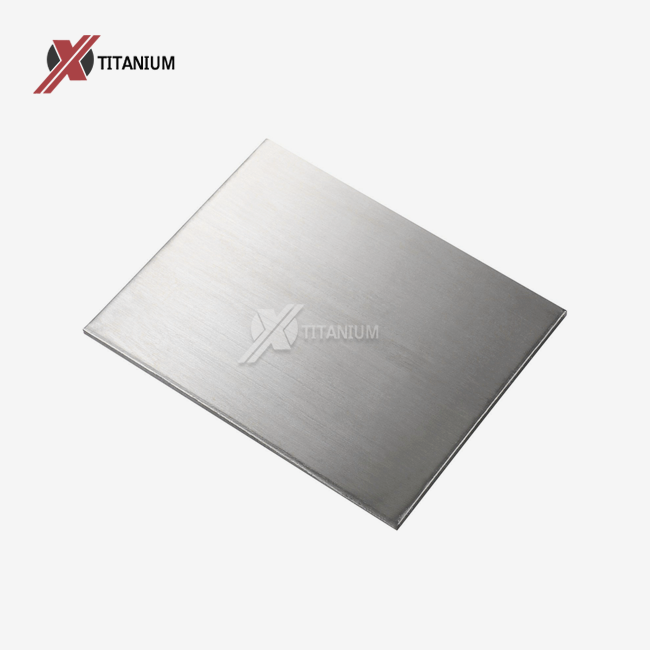
Because of the way the material is made, cutting titanium alloy plate takes special skills. The best ways to do it are waterjet cutting, which causes little heat damage, CNC machining, which gives you exact measurements, and laser cutting, which can handle complicated shapes. Each method strikes a mix between tool life, the quality of the finish, and the speed of production. The right way to use depends on the thickness of the plate, the grade requirements, and the tolerances needed for your application to keep the material's integrity during the manufacturing process.
Understanding Titanium Alloy Plates Before Cutting
Material Grades and Their Impact on Cutting
Different types of titanium have different machining properties that directly affect the choice of cutting strategy. In our production plant, Grade 5 (Ti-6Al-4V) is the most commonly requested metal. It has a tensile strength of about 500 MPa and is very easy to weld. This alpha-beta metal works well with solution treatment and aging, which makes it perfect for building parts in spacecraft. Palladium additions in Grade 7 make it more resistant to corrosion in reducing acid conditions. This is especially useful for tools used in chemical processing. Grade 9 is a moderately strong option that is also affordable, while Grade 23 meets the strict biocompatibility standards needed for medical implants and surgical tools.
Mechanical Properties That Affect Machinability
The high strength-to-weight ratio of titanium is due in part to its high density of 4.43 g/cm³. However, this makes cutting titanium alloy plate difficult. When thermal conductivity is low, heat builds up at the cutting edge instead of spreading out across the whole piece. This limited heating speeds up the wear on the tool and can cause work hardening in the cutting zone. Our production method uses both hot rolling and cold rolling to get thicknesses from 1 mm to 100 mm, widths up to 2000 mm, and lengths that can be customized up to 6000 mm. With these measurement tools, we can give you material specs that keep the need for extra cutting to a minimum in a lot of situations.
Quality Requirements Across Industries
Aerospace companies need parts with very good surface finishes and exact measurements to make sure they work well under high G-forces and temperature cycles. During production, we do a lot of hardness tests, bending tests, and hydrostatic tests to make sure that the material qualities stay the same from batch to batch.
Chemical processing clients put a high priority on testing for corrosion protection and need thorough material certifications and proof of tracking. Medical device businesses want full biocompatibility paperwork for Grade 23 material, which includes proof of the interstitial element content. In saltwater settings, marine engineering is mostly about making things resistant to pitting corrosion and crevice corrosion. This means that surface finishing methods need to be carefully thought out.
Challenges of Cutting Titanium Alloy Plate
Material Properties That Complicate Processing
When you mix high strength with low thermal conductivity, you get a tough cutting setting. When you machine something, the heat that is made stays close to the cutting edge. This quickly raises the temperature of the tool to a point where it can't cut as well. Because the material tends to work harden, using the wrong cutting settings can leave a hardened layer on the surface that makes it impossible to machine again. When cutting settings aren't set correctly, carbide and high-speed steel tools break down quickly, making tool life a very important cost factor. We've seen that keeping the cutting speeds and feeds correct greatly increases the life of the tool while keeping the surface's structure.
Common Cutting Failures and Their Consequences
Cutting at too high of speeds creates heat-affected zones that change the grain and make it less resistant to rust in important situations. Chip welding to the cutting tool is possible when coolant isn't delivered properly, which leads to built-up edge forms that damage surface finish and measurement accuracy. Vibrations that happen during cutting can cause tiny cracks that spread during use. This is especially bad for aircraft parts that are sensitive to wear. When cutting methods aren't precise, more material is wasted, which has a direct effect on the project's costs since titanium alloy plate is more expensive than stainless steel or aluminum options. Surface pollution from bad handling or choice of cutting fluid can make it harder to join or treat the surface later.
Impact on Production Efficiency
With traditional abrasive cutting methods, a large kerf width is created, which wastes expensive material with every cut. Using a regular saw means replacing the blades often and making edges that are too rough and need a lot of deburring. These flaws make production take longer and cost more to do, which is especially bad for small-batch custom orders that are common in titanium manufacturing. When purchasing managers look at a supplier's skills, they should also look at how much they spend on cutting-edge technology. This is because modern equipment is directly linked to how reliable deliveries are and how competitive prices are. Twelve CNC machines at our plant are especially set up to work with titanium. This lets us keep the quality of our work the same even when we get a lot of orders.
Effective Methods to Cut Titanium Alloy Plate
Mechanical Cutting Techniques
High-pressure water streams mixed with rough bits are used in waterjet cutting to cut through titanium without putting it under heat stress. This cold cutting method keeps the material's qualities the same across the whole length of the plate. This makes it especially useful for uses that need to be resistant to corrosion and where heat-affected zones would hurt performance. Plates up to 100 mm thick can be used with this method, and the edges only need to be slightly roughened before joining.
Using carbide or polycrystalline diamond tools with the right shape, CNC milling and turning processes give you better control over the dimensions of parts that need to be very precise. For these mechanical methods to work, chips need to be able to escape properly so that the work doesn't get too hard. This is why high-pressure water delivery systems are needed.
Thermal Cutting Processes
Laser cutting makes very good edges for plates that are thin to medium thickness, usually up to 25 mm, but this depends on the metal and laser power. Fiber laser systems today use fast cutting speeds and directed beam delivery to reduce the amount of heat that affects certain areas. Plasma cutting can handle bigger pieces more quickly, but the edges need more work to be smooth than with laser or waterjet cutting. Both of these heating methods need careful parameter control to avoid too much oxidation, which would mean that the item needs to be pickled or acid cleaned afterward. We offer a range of surface finishing choices, such as bright, polished, pickled, and sandblasted, to meet unique needs no matter what cutting method is used.
Advanced Precision Methods
Wire EDM (Electrical Discharge Machining) is very good at making complex profiles very accurately. This makes it very useful for tool and die uses or complicated aircraft geometries. Controlled electrical shocks remove material through the process, so there are no mechanical cutting forces that could cause stress. Ultrasonic cutting mixes mechanical vibration with very little cutting power. It can be used for specific tasks that need edges without burrs. These advanced methods cost a lot, but they're worth it when the complexity of the part or the need for tight tolerances makes it worth the investment. To choose between methods, engineering teams and factory experts must work together to balance the needs of the project with its cost-effectiveness.
Safety and Environmental Considerations
Titanium machining creates small bits that can catch fire if they come into contact with sources of burning. This means that proper air and cleaning procedures are needed. When choosing cutting fluid, it's important to think about how well it cools, the surroundings, and worker safety. Our factory has strict quality control systems that keep an eye on every step of the production process, from checking the raw materials to doing the final review.
This organized method makes sure that cutting processes keep the material traceability needed for medical device ISO13485 compliance and aircraft AS9100 certification. The safety of the workers and the quality of the products are both protected by proper training and equipment upkeep. This is what sets professional titanium alloy plate suppliers apart from lower-level rivals.
Step-by-Step Guide to Cutting Titanium Alloy Plate
Preparation and Material Inspection
The first step in verification is to look over the material certification and make sure that the grade specs fit the project needs. Visual inspection finds flaws on the surface that could spread during cutting, and measurement proof checks that the width and flatness of the plate are within accepted limits. As part of our manufacturing process, we anneal the metal to make it easier to machine by removing any leftover stresses from hot rolling. Material orientation affects directional qualities in rolled plate, so it's important to talk to metallurgy experts when specific grain orientation is needed for part loading. Proper fixturing stops vibrations and makes sure that the dimensions are always correct during the cutting process.
Cutting Parameter Selection
The right cutting speeds depend on the grade and thickness of the alloy. Grade 5 alloys need more careful settings than commonly pure grades because they are stronger. The choice of tool material should strike a balance between cost and wear protection. Coated carbide tools work very well in most situations. Coolant flow rate and supply angle have a big effect on tool life and surface finish, so they need to be changed depending on the cutting method and thickness of the material being cut. We've built parameter files over many years of working titanium, which lets us quickly set up and optimize new projects. For our buyers, this means shorter wait times and better prices because we know more about the market.
Quality Monitoring During Operations
During cutting processes, errors are caught before they cause a lot of material waste by inspecting continuously. Profilometry is used to measure the surface finish and make sure that the roughness values meet the standards. This is especially important for parts that are sensitive to wear. In multi-operation machining processes, mistakes that keep happening can be stopped by checking the dimensions at different times. Our CNC machines have in-process measurement features that let us make changes in real time and keep tolerances tight throughout entire production runs. This method of tracking sets high-quality titanium alloy plate suppliers apart from rivals who only use final inspection to find flaws.
Post-Cutting Treatment and Final Inspection
Deburring takes away sharp edges with special tools that don't work harden the edge area. This gets parts ready for welding or putting them together. When needed for corrosion-critical uses, acid pickling gets rid of surface contamination and oxide scales while following written steps to avoid over-etching.
A final check of the dimensions makes sure that all the parts match the requirements of the plan, and records are given to the customer for their quality systems. We keep full records of all the heat numbers of our raw materials and final parts, which meets the regulatory needs of the aircraft and medical device industries. This all-around method to processing after cutting makes sure that parts come ready to be put together right away by customers.
How to Choose the Right Titanium Alloy Plate and Cutting Solution for Your Business
Material Grade Selection Strategy
More than just mechanical qualities, the application setting determines which grade to use. Grade 7 is better at resisting rust in oxidizing acids, which is useful for chemical processing equipment. Grade 5 is better at strength and fatigue performance, which is important for aircraft structure components. Biocompatibility and tight interstitial element controls are needed for medical uses that use Grade 23. Based on decades of experience in a wide range of industries, our expert team helps clients match material specs to service needs. This consultative method stops mistakes in choosing materials that could hurt the performance of parts or require expensive redesigns.
Supplier Evaluation Criteria
Quality standards give you a basic idea of how good a supplier is. For example, AS9100 shows that the supplier is good at controlling processes at the aircraft level, and ISO13485 shows that the supplier is good at making medical devices. Check more than just certificates. Look at the real testing that can be done, like hardness, tensile, and corrosion tests that are done by the company itself instead of by a third party. Special mill orders can take months to arrive, so having stock on hand is very important for keeping projects on schedule.
We keep a wide range of popular grades and sizes in stock, so we can quickly meet pressing needs and offer custom processing for specific needs. Long-term relationships with suppliers are valuable because they provide stable quality, technical support, and priority placement during gaps in the market.
Cost Analysis and ROI Considerations
The cost of materials is only one part of the overall economics of a job. Choosing the right cutting method affects both the initial cost of processing and the costs of making the final product by affecting the quality of the edges and the accuracy of the measurements. Titanium is better at resisting corrosion than stainless steel, so it doesn't need the protection coatings that make stainless steel options more expensive and hard to keep up.
Titanium's high strength-to-weight ratio makes it possible to reduce weight, which saves fuel in aerospace uses and improves efficiency in sports goods. Titanium is biocompatible, which means that fewer repair surgeries are needed to fix medical implants made from older materials. These lifetime factors often make titanium alloy plate higher purchase price worth it because it has a lower total cost of ownership.
Strategic Partnership Development
Good titanium sellers work with other companies in the supply chain instead of just selling titanium. Collaborative relationships let people get involved early in the design process, which helps improve the shape of parts so they are easier to make and cost less. Suppliers who are reliable keep process knowledge that is specific to your needs. This cuts down on setup time and improves quality on the first try for return orders.
We spend money on tools and process documents that are made just for each customer. This makes future orders easier and protects confidential design information. This partnership method aligns the success of the seller with the success of the customer. This creates incentives for both sides to keep improving and coming up with new ideas.
Conclusion
To cut titanium alloy plate correctly, you need to make sure that the cutting methods match the properties of the material and the needs of the application. Depending on the thickness, tolerance requirements, and output volume, waterjet, laser, and CNC cutting all have their own benefits. Choosing the right material grade has a big effect on both how well it cuts and how well it works in aircraft, medical, chemical processing, and marine uses.
Instead of just looking at piece price, choosing a supplier should take into account their technical skills, quality systems, and prospects for a relationship. With ten years of experience handling titanium, a wide range of testing tools, and a focus on customer satisfaction, we can help you with even the most difficult projects by providing solid quality and quick service.
FAQ
Q1: What cutting method works best for thick titanium plates?
A: When cutting plates thicker than 50 mm, waterjet cutting gives the best results because the quality stays the same throughout the whole depth without adding heat-affected zones. In less important situations, plasma cutting can get the job done faster, but it needs more edge finishing. We suggest waterjet for high-fatigue or corrosion-critical uses where protecting the material's properties is worth the cost of the process. When the shape of a part needs a lot of extra work on top of just profile cutting, CNC turning becomes a cost-effective option.
Q2: Does cutting affect titanium's corrosion resistance?
A: Using thermal cutting can make heat-affected zones that change the microstructure of the surface, which could make it less resistant to rusting in harsh settings. This effect is lessened by controlling the parameters correctly, and full rust protection is restored by pickling or passivation processes that follow. Mechanical cutting methods, such as waterjet, don't change the qualities of the material when heated. As part of our quality control procedures, we check the surface and, if needed, test for rust to make sure that the cutting process hasn't damaged the material's performance.
Q3: Can I order custom dimensions without sacrificing strength?
A: Cutting activities that are done with the right tools and methods don't weaken the base material. Dimensional accuracy and edge quality affect the next steps in welding or putting something together, which could cause stress buildup if they are not done correctly. We can do special processing for thicknesses ranging from 1 mm to 100 mm, widths up to 2000 mm, and lengths up to 6000 mm. We give full material certifications and test results that show the mechanical qualities stay within the acceptable ranges after cutting titanium alloy plate.
Partner with Chuanglian for Precision Titanium Alloy Plate Solutions
Baoji Chuanglian New Metal Material Co., Ltd. has been handling titanium for over ten years and has a wide range of machining skills to help you with your most difficult projects. Our factory in Baoji City, which is known as the "City of Titanium," has strict quality control systems in place from the raw materials to the finished parts. This makes sure that our products always work well in the medical, aerospace, chemical, and marine industries. We offer Grade 5, 7, 9, and 23 plates with thicknesses ranging from 1 mm to 100 mm, measurements that can be changed, and all the material tracking paperwork that is needed for important uses.
As a company that only makes titanium alloy plate, we know that expert advice and help with applications are what set useful supply partnerships apart from transactional ones. Our research team works with customers to find the best cutting methods, material grades, and surface finishes that meet performance needs and keep project costs low. Our CNC tools and skilled techs provide quality work and quick service, whether you need small custom orders or a steady supply of parts for production.
Get in touch with our team at info@cltifastener.com or djy6580@aliyun.com to talk about the needs of your project. We can give you quotes, suggestions on materials, and unique cutting options that will help you make your manufacturing process more efficient and improve the quality of your products.
References
1. Donachie, M.J. (2000). Titanium: A Technical Guide. ASM International, Materials Park, Ohio.
2. Boyer, R., Welsch, G., and Collings, E.W. (1994). Materials Properties Handbook: Titanium Alloys. ASM International.
3. Veiga, C., Davim, J.P., and Loureiro, A.J.R. (2012). Properties and Applications of Titanium Alloys: A Brief Review. Reviews on Advanced Materials Science, Volume 32.
4. Ezugwu, E.O. and Wang, Z.M. (1997). Titanium Alloys and Their Machinability: A Review. Journal of Materials Processing Technology, Volume 68.
5. Peters, M., Kumpfert, J., Ward, C.H., and Leyens, C. (2003). Titanium Alloys for Aerospace Applications. Advanced Engineering Materials, Volume 5.
6. Lutjering, G. and Williams, J.C. (2007). Titanium: Engineering Materials and Processes. Springer-Verlag, Berlin Heidelberg.
Learn about our latest products and discounts through SMS or email