- English
- French
- German
- Portuguese
- Spanish
- Russian
- Japanese
- Korean
- Arabic
- Greek
- German
- Turkish
- Italian
- Danish
- Romanian
- Indonesian
- Czech
- Afrikaans
- Swedish
- Polish
- Basque
- Catalan
- Esperanto
- Hindi
- Lao
- Albanian
- Amharic
- Armenian
- Azerbaijani
- Belarusian
- Bengali
- Bosnian
- Bulgarian
- Cebuano
- Chichewa
- Corsican
- Croatian
- Dutch
- Estonian
- Filipino
- Finnish
- Frisian
- Galician
- Georgian
- Gujarati
- Haitian
- Hausa
- Hawaiian
- Hebrew
- Hmong
- Hungarian
- Icelandic
- Igbo
- Javanese
- Kannada
- Kazakh
- Khmer
- Kurdish
- Kyrgyz
- Latin
- Latvian
- Lithuanian
- Luxembou..
- Macedonian
- Malagasy
- Malay
- Malayalam
- Maltese
- Maori
- Marathi
- Mongolian
- Burmese
- Nepali
- Norwegian
- Pashto
- Persian
- Punjabi
- Serbian
- Sesotho
- Sinhala
- Slovak
- Slovenian
- Somali
- Samoan
- Scots Gaelic
- Shona
- Sindhi
- Sundanese
- Swahili
- Tajik
- Tamil
- Telugu
- Thai
- Ukrainian
- Urdu
- Uzbek
- Vietnamese
- Welsh
- Xhosa
- Yiddish
- Yoruba
- Zulu
How to Order Bulk Titanium Flange Nuts from China
To order a lot of titanium flange nuts from China, you have to follow an organized process that includes checking the technical specifications, making sure the seller is qualified, and following strict quality control rules. The first step is to find qualified makers who have the right industry certifications and the right production skills for making titanium fasteners. To do procurement right, you need to carefully consider material grades, size requirements, and delivery times, as well as setting up clear lines of contact with providers who know about international quality standards and can provide full paperwork for every shipment.
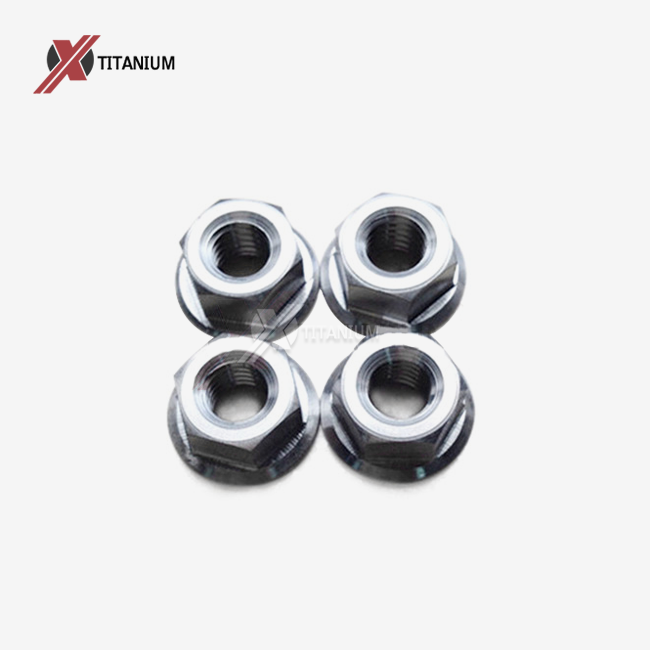
Understanding Titanium Flange Nuts: Key Features and Specifications
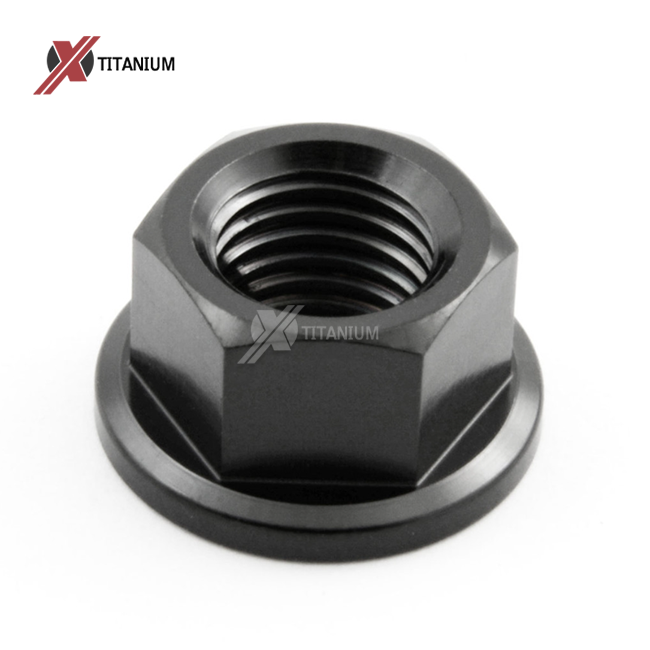
Titanium flange nuts are an advanced type of fastener that is designed to work unbelievably well in tough industrial settings. These unique parts combine the natural benefits of titanium metals with the practical benefits of integrated flange design. This makes binding solutions that work better in places where regular materials don't.
Material Grades and Properties
Grade 2 and Grade 5 titanium metals are the two main grades that make up the titanium flange nut market. Each has its own benefits for different uses. Grade 2 titanium is very good at resisting rust and can be shaped easily. This makes it perfect for places like the ocean and chemical plants where it is constantly exposed to harmful substances. Some of the reasons this grade is used so often in medical device making is that it has a tensile strength of about 345 MPa and is very biocompatible.
Grade 5 titanium metal, which is also called Ti-6Al-4V, has great strength properties. Its tensile strengths can reach 895 MPa, and it doesn't wear down easily. This grade is now the standard for aircraft uses where reducing weight and keeping the structure strong are the most important things. Adding aluminum and vanadium makes the titanium metal stronger while keeping its ability to fight corrosion, which is one of its main benefits.
Dimensional Standards and Specifications
Titanium flange nuts usually meet international standards like ISO 4161, DIN 6923, and ANSI B18.2.2. This makes sure that they can be used in all global supply lines. For metric sizes, standard thread pitches range from M3 to M24, while for imperial sizes, they range from 1/4" to 1". The built-in flange design gets rid of the need for different washers, which speeds up assembly and makes it easier for the load to be spread across the united materials.
When it comes to aircraft and automobiles, where every gram counts, weight becomes even more important. Titanium flange nuts are about 60% lighter than similarly sized steel nuts, but they work just as well or better mechanically. Losing this much weight means that airplanes will use less fuel and cars will run more efficiently.
Industrial Applications and Performance Advantages
For high-performance uses like exhaust systems, suspension parts, and engine assemblies, the car industry has adopted titanium flange nuts. Because they don't rust or break down at high temperatures, these fasteners are perfect for places where steel would break down quickly. Titanium flange nuts are used by electronics makers in situations where they need to be electromagnetically compatible and reliable over time.
Titanium flange nuts are important parts of airplane structures, engine assemblies, and avionics systems because they need to be the most reliable and work the best. The higher price is worth it in these important situations because the material can keep its shape through extreme temperature changes and doesn't break down in the environment.
Comparing Titanium Flange Nuts with Other Materials to Make an Informed Choice
When choosing a material for flange nuts, you need to think carefully about how it will work, how much it will cost over its lifetime, and what the purpose calls for. Procurement workers can make choices that improve both performance and value by knowing how titanium stacks up against other materials.
Corrosion Resistance Analysis
Titanium flange nuts are greatly resistant to rust in a wide range of conditions, and in many cases they are better than stainless steel. Titanium has a naturally occurring oxide layer that protects it passively and heals itself when it gets hurt. This makes it reliable for a long time in marine settings where chloride exposure would weaken steel fasteners.
Some types of stainless steel, like 316L, don't rust very easily, but they can get pitting and pocket rusting in places with a lot of chlorine. Protective coatings on carbon steel screws may wear off over time, requiring upkeep that was not planned for. When it comes to rust protection, aluminum is great, but it's not strong enough for high-stress situations.
Strength-to-Weight Performance
The strength-to-weight ratio is an important thing to think about in situations where reducing mass has a direct effect on performance. High-strength steel is about the same strength as titanium Grade 5 flange nuts, but they weigh 45% less. This benefit is especially useful for spinning machinery, where less mass lowers rotational forces and makes the machine work more efficiently.
In terms of weight reduction, aluminum flange nuts are great, but they aren't strong enough for high-stress situations. Aluminum's modulus of elasticity makes it hard for precise parts to stay the same size because of deflection problems.
Lifecycle Cost Considerations
Titanium flange nuts are more expensive than steel ones, but in difficult situations, the total cost of ownership often works out better for titanium. Over the lifecycle of a product, the mix of longer service life, less maintenance needs, and no replacement costs offers strong economic benefits.
In toxic settings, steel fasteners may need to be replaced every couple of years. Titanium fasteners, on the other hand, can last for decades with no problems. Maintenance shutdowns often cost more in work than the difference in price between titanium and steel fasteners at first. This means that titanium is the more cost-effective choice for long-term installs.
How to Source and Order Bulk Titanium Flange Nuts from China: Step-by-Step Guide
China has become a major supplier of titanium fasteners, with most of its factories located in Baoji, which is known as the "City of Titanium." Knowing how to buy things makes sure that you have good ties with suppliers who bring quality products on time.
Supplier Identification and Verification
The first step is to find makers who have the right certifications and the ability to make the goods. Look for providers who have ISO 9001, AS9100, or other industry-specific certifications that show they know how to handle quality. Facilities that make things should have CNC machining centers, heat treatment capabilities, and full testing labs for handling titanium.
Manufacturers in the Baoji region benefit from being close to sources of titanium raw materials and having infrastructure that is designed to support handling titanium. Companies like Baoji Chuanglian New Metal Material Co., Ltd. have a lot of experience making titanium fasteners and can provide both standard and unique options for tough jobs.
Quote Request Best Practices
Requests for quotes that work should include specifics about the grade of the material, the size and shape needs, the surface finish, and the quality paperwork that is needed. To get exact prices, be sure to list the necessary packaging, delivery times, and any special handling directions. Include expected yearly amounts so that suppliers can set prices based on volume.
Titanium flange nuts usually have a minimum order quantity of 100 to 1,000 pieces, but this can change based on size and complexity. For trial orders, suppliers often give lower MOQs, so customers can check the quality before committing to larger quantities.
Quality Assurance Protocols
Set quality standards early on, such as requiring material certificates, dimensional inspection records, and proof of surface finish. Make a list of acceptable checking and testing methods to make sure they meet your quality standards. A lot of suppliers give third-party inspection services so that the standard of their products can be checked by someone outside the provider.
Before moving forward with production orders, you should ask for samples to be looked over and approved first. When you evaluate a sample, you should check its dimensions, test its materials, and put it on purpose to make sure it works with your application needs.
Avoiding Common Pitfalls When Ordering Titanium Flange Nuts from China
There are risks that come with international buying that can be lessened by planning carefully and using systematic quality management methods. Understanding common problems makes it possible to use preventative risk management methods.
Quality Control and Material Verification
Material replacement is a big risk when buying titanium fasteners because you can't tell the difference between grades just by looking at them. You need material certifications from well-known testing labs and should consider getting independent proof for critical applications. This is particularly important when sourcing components like Titanium flange nuts, where variations in grade can affect performance and safety. Set clear standards for the material's mechanical properties, chemical makeup, and surface finish to ensure reliability and consistency.
When tolerances add up and affect how well a system works, it's important that the measurements are correct. Make sure the parts meet the needs of your application by listing the inspection standards and accepted tolerance ranges. To make sure that the parts can be made, ask for first article inspection reports for each new part number.
Communication and Contract Management
Misunderstandings that cause shipping delays or quality problems can be avoided by using clear communication rules. Set up main points of contact and backup ways to talk to people to make sure communication stays open during production. Keep track of all changes to specifications and approval processes by writing them down. This will help with tracking throughout the production cycle.
The terms of payment should balance the buyer's need to handle risk with the supplier's need to get cash quickly. Partially paying ahead of time and paying the rest when the goods are delivered is a common agreement that protects both parties and keeps the production going.
Building Long-Term Supplier Relationships
Getting titanium fasteners that work well requires building solid relationships with suppliers over time. Partnerships that lead to better quality and service levels are formed through regular contact, fair payment, and working together to solve problems. Regular trips to suppliers and evaluations of their skills help make sure that they continue to meet your quality standards.
Performance measurement tools that keep track of delivery times, quality standards, and responsiveness help find the best providers with whom to do more business. When there are problems in the supply chain and favorite suppliers put established customers first, these relationships become even more valuable.
Leveraging Trusted Brand and Supplier Information for Confident Purchasing
Picking the right supplier has a big effect on how well the purchase goes, so careful evaluation and confirmation are important parts of the sourcing process. For important uses, trusted producers with a history of success offer less risk and higher reliability.
Manufacturer Credentials and Capabilities
Leading Chinese companies that make titanium fasteners have put a lot of money into new production tools and methods for managing quality. Companies that work in the Baoji area have access to specialized titanium working knowledge and already-established supply chain connections. Look for companies that can do a lot of different kinds of CNC cutting, have their own heat treatment facilities, and have approved testing labs.
Certification portfolios should include standards like AS9100 for aircraft, ISO 13485 for medical products, and API specs for oil and gas. These certificates show that you are dedicated to quality management and know what the needs of your business are.
Platform Verification and Customer Feedback
Global B2B platforms are useful tools for checking out suppliers and analyzing customer comments. Alibaba, Global Sources, and Made-in-China are just a few of the platforms that offer source verification services and customer review systems that let you know how well a seller is doing. When looking at possible providers, pay attention to how quickly they respond, how well they complete orders, and how happy their customers are.
Direct customer references are the most effective way to learn about a supplier's skills and success. Ask for the contact information of customers who have bought similar products or used similar technologies to find out directly about quality, delivery, and expert support.
OEM Partnership Advantages
Original equipment maker agreements make it easier to customize products and get technical help for complicated uses. As part of an OEM relationship, engineers usually help with things like making prototypes and improving designs together to make sure they meet the needs of a specific application. Through design improvement, these partnerships often lead to better product performance and a lower total cost of ownership.
Customization choices may include using different materials, making the measurements not standard, or adding features that make building easier. Custom goods usually have higher MOQ requirements than standard items, but for high-volume uses, the efficiency benefits often make the extra cost worth it.
Conclusion
To buy large titanium flange nuts from China successfully, you need to know a lot about the material requirements, the supplier's skills, and the quality control procedures. China is a good place for businesses that need high-performance screws to buy them because it has a lot of manufacturing experience and low costs. Some of the most important things for success are carefully evaluating suppliers, communicating clear specifications, and using organized quality control methods. When you build long-term ties with verified providers, you get better quality, reliability, and expert help, which gives you a long-term competitive edge. Putting money into choosing the right suppliers and managing those relationships pays off in the form of stable product quality and on-time deliveries.
FAQ
Q1: What are typical lead times for bulk titanium flange nut orders from China?
A: Standard wait times for popular grades and sizes are 15 to 30 days, but they can be shorter or longer based on the number of items ordered and any customization needs. Takes 45 to 60 days if the specs are complicated or the materials aren't common. Suppliers often keep common sizes in stock so that they can meet faster delivery times for urgent needs.
Q2: Can titanium flange nuts be customized to specific requirements?
A: Yes, most makers let you make a lot of changes, like using different materials, making the product in non-standard sizes, or giving the surface a different finish. Customization choices include choosing the thread specs, the shape of the flange, and adding special marks to make it easier to find. Most unique goods have a minimum order quantity (MOQ) of 500 to 1,000 pieces.
Q3: What quality inspection procedures should be implemented before shipment?
A: Set up a multi-stage inspection process that includes checking the dimensions of inbound materials, inspecting the finished product before shipping, and inspecting the final product again before it leaves. Ask for certifications of the materials, records of dimensional inspections, and pictures of the final goods. For important jobs or sales worth a lot of money, you might want to use third-party review services.
Partner with Chuanglian for Premium Titanium Flange Nut Solutions
Chuanglian is ready to help you with your titanium bolt needs. They have more than ten years of experience making and cutting titanium products. At our cutting-edge factory in Baoji, China, the famous "City of Titanium," we use advanced CNC machining and strict quality control systems to make titanium flange nuts that meet the strictest requirements. As a reliable titanium flange nut maker, we can make any changes you need, offer low bulk prices, and provide safe foreign shipping options that fit your needs. Get in touch with our technical team at info@cltifastener.com or djy6580@aliyun.com to talk about your unique needs and discover the Chuanglian edge in titanium fastener excellence.
References
1. ASM International Handbook Committee. "Titanium Alloys: Properties and Applications in Aerospace and Industrial Markets." ASM International Materials Handbook, 2019.
2. Boyer, R.R., and Briggs, R.D. "The Use of Titanium Alloys in Commercial Aircraft Fastener Applications." Journal of Materials Engineering and Performance, Vol. 28, 2018.
3. Chen, L.Y., and Wang, S.J. "Manufacturing and Quality Control of Titanium Fasteners in Chinese Industrial Production." International Journal of Advanced Manufacturing Technology, 2020.
4. Peters, M., and Leyens, C. "Titanium and Titanium Alloys: Fundamentals and Applications in Fastener Design." Wiley-VCH Materials Science Series, 2019.
5. Titanium Development Association. "Guidelines for Titanium Fastener Specification and Procurement in Industrial Applications." TDA Technical Report, 2021.
6. Zhang, H.M., and Liu, X.F. "Corrosion Resistance and Mechanical Properties of Titanium Flange Nuts in Marine Applications." Materials and Corrosion Engineering Quarterly, Vol. 72, 2020.
_1747708576205.webp)
Learn about our latest products and discounts through SMS or email