- English
- French
- German
- Portuguese
- Spanish
- Russian
- Japanese
- Korean
- Arabic
- Greek
- German
- Turkish
- Italian
- Danish
- Romanian
- Indonesian
- Czech
- Afrikaans
- Swedish
- Polish
- Basque
- Catalan
- Esperanto
- Hindi
- Lao
- Albanian
- Amharic
- Armenian
- Azerbaijani
- Belarusian
- Bengali
- Bosnian
- Bulgarian
- Cebuano
- Chichewa
- Corsican
- Croatian
- Dutch
- Estonian
- Filipino
- Finnish
- Frisian
- Galician
- Georgian
- Gujarati
- Haitian
- Hausa
- Hawaiian
- Hebrew
- Hmong
- Hungarian
- Icelandic
- Igbo
- Javanese
- Kannada
- Kazakh
- Khmer
- Kurdish
- Kyrgyz
- Latin
- Latvian
- Lithuanian
- Luxembou..
- Macedonian
- Malagasy
- Malay
- Malayalam
- Maltese
- Maori
- Marathi
- Mongolian
- Burmese
- Nepali
- Norwegian
- Pashto
- Persian
- Punjabi
- Serbian
- Sesotho
- Sinhala
- Slovak
- Slovenian
- Somali
- Samoan
- Scots Gaelic
- Shona
- Sindhi
- Sundanese
- Swahili
- Tajik
- Tamil
- Telugu
- Thai
- Ukrainian
- Urdu
- Uzbek
- Vietnamese
- Welsh
- Xhosa
- Yiddish
- Yoruba
- Zulu
The Importance of Quality in Medical Titanium Screws
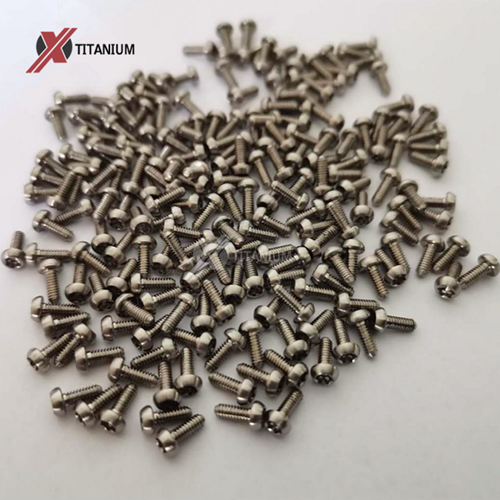
Titanium medical screws are a major step forward in modern surgery, where quality directly affects how well the patient does and how well the procedure goes. These precision-engineered fixing devices are made from medical-grade titanium alloys like Ti-6Al-4V ELI and are better at being biocompatible and having good mechanical qualities than other options. You can't say enough good things about the quality of medical titanium screws because they have to be able to handle a lot of bodily stress while also helping the tissue to integrate properly. Professionals in purchasing and medical facilities looking for dependable options for orthopedic, spine, and dental uses need to understand quality standards.
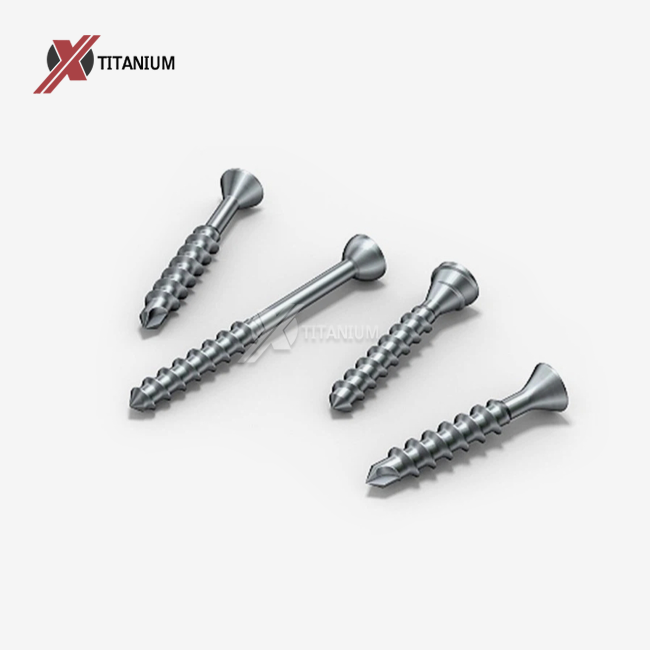
Comprehending Titanium Medical Screws: Properties and Benefits
Titanium medical screws are used as important internal fixation devices in many types of surgery. They provide huge benefits for patient care and clinical results. The special features of titanium alloys are used in these specialized screws to solve important problems in modern medicine.
Superior Material Characteristics
Because titanium has certain basic qualities, these screws are perfect for medical use. The density of Grade 23 titanium is about 4.43 g/cm³, and its tensile strength is between 860 MPa and 960 MPa. This gives these products the best strength-to-weight ratio, which is very close to that of human bone. Titanium's elastic modulus (about 110 GPa) is more in line with cortical bone than stainless steel options. This means that stress buffering effects that can cause bone loss around implants are less likely to happen.
Another important feature is its resistance to corrosion, which is achieved by a steady titanium dioxide (TiO2) oxide layer forming on its own when exposed to air. Long-term safety in the body's environment is guaranteed by this barrier, which stops degradation that could weaken the implant or cause bad reactions in the tissue.
Biocompatibility and Osseointegration
Titanium medical screws are biocompatible, which means they can go straight from bone to graft without being surrounded by fibrous tissue. This osseointegration feature lets bone grow right into the screw's surface threads, making a strong biological fixing that helps the body heal faster. Titanium is very bio-inert, which means it doesn't cause inflammatory reactions like some other materials do. This lowers the risk of rejection or problems.
Clinical Applications and Versatility
Surgical specialties use modern titanium screws in a wide range of situations. These tools are used by orthopedic doctors to fix broken bones, rebuild joints, and fix injuries. Specialists in the spine use titanium screws to fuse vertebrae together and fix deformities. For implant dentistry and maxillofacial repairs, dentists use screws with a smaller thickness. Titanium's non-ferromagnetic features make it compatible with MRIs, which means that images after surgery can be clear and free of major artifacts.
Quality Factors That Define Superior Titanium Medical Screws
Quality in medical titanium screws is determined by a number of linked factors that affect both the success of the surgery and the patient's long-term health. Knowing these quality factors helps you make smart decisions about what to buy and makes sure that the clinical performance is at its best.
Material Purity and Alloy Composition
To get the right mechanical qualities and biocompatibility, medical-grade titanium screws need exact alloy formulas. The amount of aluminum and vanadium in Grade 23 titanium (Ti-6Al-4V ELI) is limited, and the amount of oxygen, nitrogen, and iron is very low. This extra-low interstitial makeup makes the metal more ductile and harder to break than regular Grade 5 alloys. Manufacturers of high-quality goods keep a close eye on where their raw materials come from and use spectral analysis to make sure they meet ASTM F136 standards.
Manufacturing Precision and Surface Quality
Modern CNC cutting techniques make it possible to make screws with exact thread shape and dimensions. Specialized surface processes are used to improve the performance of high-quality titanium screws. Type II anodization makes a controlled oxide layer that keeps biocompatibility and lowers the chance of galling during placement. Specific standards must be met for surface roughness factors to help osseointegration while stopping bacteria from sticking.
In a production setting, cleanroom rules are needed to keep things from getting dirty, which could damage the sterility of the product or introduce foreign particles. Coordinate measuring tools are used for measurement checking, and electron microscopy is used for surface analysis to check the accuracy of the thread profile and the stability of the surface.
Regulatory Compliance and Certification
Titanium medical screws of the highest quality must meet strict regulatory standards set by government bodies like the FDA and foreign organizations. The standards for wrought titanium alloys used in medical implants are set out in ISO 5832-3, while ASTM F67 covers types of titanium that are not alloyed. Quality makers keep detailed records that make it possible to track everything from where the raw materials come from to when the finished product is delivered.
Medical device quality management systems, such as ISO 13485 certification, make sure that production methods are always the same and that there are plans for ongoing growth. To keep the quality of the product high throughout the whole lifetime of the gadget, these systems handle risk management, design controls, and post-market surveillance.
How to Choose the Right Titanium Medical Screws for Your Needs?
To choose the right titanium medical screws, you need to carefully look at the needs of the product, the supplier's skills, and the quality standards. There are many people involved in the decision-making process, and they all have to balance professional needs with buying issues.
Application-Specific Requirements
For the best results, different types of surgeries need screws with certain properties. A lot of the time, orthopedic trauma treatments need strong screws that can hold up under instant weight loads. For spinal fusion, screws with better thread designs that make it easier for cancellous bone to pull away from the screw are best. For dental implant processes, screws with a smaller diameter and special surface treatments that help them fuse with the bone quickly are needed.
Which locked or non-locking screw method to use relies on the type of surgery and the needs for fixation. Locking screws offer set angles and angular stability, which is especially useful in cases of osteoporosis or complicated fracture patterns. In some clinical cases, non-locking screws can be used to squeeze bone fragments, which helps them heal together.
Supplier Evaluation and Quality Assurance
Reliable providers show consistent quality by using well-known ways to make things, thorough testing methods, and clear ways to keep records. Facility certifications, quality control systems, and a history of following the rules should all be used as evaluation factors. When compared to general industrial fastener makers, suppliers that specialize in making medical devices often offer better quality control.
The ability to provide technical help is another important factor in choosing a source. Good suppliers give technical help for custom uses, help with choosing materials, and programs for working together to create new products. This technical relationship is very helpful when dealing with specific clinical issues or creating custom fixing solutions.
Cost Considerations and Value Analysis
Procurement managers have to think about costs, but the total cost of ownership is more than just the price of the item. Quality titanium screws may cost more, but they are more reliable, have fewer complications, and improve patient results, so the cost is worth it. When implants fail, the cost of revision surgeries is much higher than the price difference between normal and top quality screws.
Pricing structures and inventory management strategies are affected by minimum order numbers and volume factors. Setting up favorite vendor ties with good suppliers can help you get better prices and make sure that your products are always available and that you have expert support.
Procurement Strategies for Medical Titanium Screws
Getting medical devices can be hard, but good procurement strategies take those problems into account and make sure that supply lines are stable and costs are managed well. Because getting titanium screws is so complicated, you need to use complex methods that combine quality, dependability, and cost. When sourcing components like Titanium medical screws, it’s essential to prioritize both reliability and compliance with industry standards to ensure the safety and performance of the final product.
Sourcing Channel Evaluation
Medical titanium screws can be gotten from a number of different sources, each with its own pros and cons. When you work directly with a maker, you can get access to technical knowledge, the ability to customize products, and low prices for large orders. These relationships make it possible for people to work together on development projects and make sure that people get what they need when supplies are low.
Authorized wholesalers have access to more products, make it easier to place orders, and handle supplies locally. This method works well for smaller healthcare facilities that need a wide range of products but don't buy enough to support working directly with manufacturers. A lot of the time, distributors offer services that add value, like managing supplies, just-in-time shipping, and consolidated billing systems.
Specialist sites for buying medical devices make it easier for bidders to compete and give buyers access to many providers through centralized systems. These tools usually have features that make the buying process easier, like checking suppliers, managing quality documents, and keeping track of compliance.
Supply Chain Risk Management
Because making titanium medical screws is so specialized, there are some possible weak spots in the supply chain that need to be addressed with strategic risk management strategies. Diversifying your suppliers can help lower the risks that come with things like building delays, quality problems, or limited capacity. Keeping various providers, on the other hand, requires careful qualification processes and ongoing quality checks to make sure that standards are always met.
Carrying costs and stock-out risks must be balanced in inventory management methods, especially for important surgeries. The amount of safety stock you keep should take into account things like changing wait times, changing demand, and possible supply problems. Planning together with providers can help you see what the demand is, cut down on the amount of supplies you need, and keep service levels the same.
Quality Assurance and Documentation
Complete quality assurance programs make sure that the quality of the products is always the same and that all regulations are followed during the whole buying process. Critical measurements, surface quality, and the completeness of the paperwork should all be checked by incoming inspection procedures. A certificate of compliance paper makes it possible to track down information and meets the needs of governmental audits.
Through supplier audit programs, production skills, quality systems, and compliance status can be directly checked. These checks give information about seller stability, efforts to make things better all the time, and possible risks that might not be clear from normal purchasing procedures.
Case Studies Demonstrating the Impact of Quality Titanium Screws
Real-life clinical experiences show how important high-quality titanium medical screws are for improving patient results and the efficiency of the healthcare system. The examples in these case studies show both the pros of high-quality goods and the cons of low-quality options.
Orthopedic Trauma Success Story
A level-one trauma center started using a common titanium screw system to fix complex fractures. This led to better patient results and more efficient operations. The hospital chose high-quality titanium screws that had better surface treatments and were made with very tight standards. Over the course of 18 months, the hospital saw a 23% drop in the number of surgeries that needed to be redone compared to their old stainless steel methods.
The better results came from a number of quality factors acting together. Because the titanium pins were better at interacting with living cells, they lowered inflammation and helped the bones heal faster. The precise thread shape and surface treatments made the main fixation stronger and helped the bone to fuse with the thread. MRI compatibility allowed for better monitoring after surgery and faster discovery of possible problems.
Spinal Fusion Case Analysis
A group of spine surgery centers kept records on the results of 500 lumbar fusion surgeries that used high-quality titanium pedicle screws. The study looked at the results and compared them to groups from the past that used standard-grade options. Patients who got premium titanium screws had higher fusion rates (94% vs. 87%) and fewer problems, like screws coming loose or breaking.
The better performance is due to strict quality control measures during production, such as accurate metallurgical features and improved surface processes. The consistent material qualities got rid of differences between batches that were causing clinical results to be hard to predict. After a long time, the implants were still stable, and the patients were happier than expected, which is above and beyond what is expected in the business.
Quality Failure Consequences
On the other hand, a local medical center had major problems after buying cheap titanium screws from a source that wasn't reputable. Even though the facility seemed to save 30% on costs, a number of devices failed, such as screws breaking too soon, bad osseointegration, and higher infection rates. The total costs, which included second surgeries, longer hospital stays, court settlements, and damage to the patient's image, were much higher than the original savings.
The failed screws had bad metal compositions, bad surface treatments, and production flaws that made their mechanical properties worse, according to the investigation. The supplier did not have the right quality control tools or medical device certifications. This experience made me realize how important it is to make sure that suppliers are qualified and that the quality of the medical devices they sell is checked.
Conclusion
Quality in titanium medical screws is important for a lot of reasons, including patient safety, clinical results, and the ease of the healthcare system as a whole. High-quality titanium medical screws are better at being biocompatible, having good mechanical properties, and lasting a long time. This is why you should buy from certified sources and follow strict quality standards. When healthcare buying pros try to find the best deals, they need to keep in mind that lowering costs means looking at more than just the initial purchase price.
When quality fails, it can lead to revision treatments, problems for patients, and big financial problems that are much worse than any short-term saves from using bad goods. Successful buying strategies focus on building relationships with suppliers, implementing quality assurance programs, and keeping an eye on things all the time to make sure that performance standards are always met.
FAQ
Q1: What makes titanium superior to stainless steel for medical screws?
A: Titanium is better than stainless steel in many important ways when used in medical settings. Titanium's elastic modulus (110 GPa) is more like the qualities of human bone than stainless steel's (200 GPa), which means that stress buffering effects that can cause bone resorption around implants are less likely to happen. Titanium is better at biocompatibility and tissue reaction, while sensitive people may experience inflammatory reactions to stainless steel. Titanium is also non-ferromagnetic, which means that MRI images are clear and don't show many flaws. This makes it easier to watch patients after surgery.
Q2: How do Grade 5 and Grade 23 titanium differ for medical applications?
A: The amount of oxygen, nitrogen, and iron in Grade 23 titanium (Ti-6Al-4V ELI) is much lower than in normal Grade 5 metal. This extra-low intermediate makeup makes the material more flexible and harder to break, which is important for medical implants. Less intermediate parts also make the biocompatibility and osseointegration better. Even though both grades are strong, Grade 23 is the better choice for many important medical uses where safety and long-term performance are very important.
Q3: What regulatory standards govern medical titanium screw quality?
A: Several rules say that medical titanium screws have to meet certain requirements. These include ASTM F136 for worked Ti-6Al-4V ELI surgery implants and ASTM F67 for pure titanium. ISO 5832-3 sets worldwide standards for medical implants made of titanium alloys. To get FDA clearance, a product must show that it is safe and effective through a series of thorough tests. For making medical devices, quality management systems must meet ISO 13485 standards. This makes sure that processes are always the same and that there are programs for ongoing growth.
Q4: How can galling be prevented during titanium screw insertion?
A: Titanium screws often have problems with galling, also known as cold welding, because the material tends to stick to itself when it's under pressure. Type II anodization methods make a controlled oxide layer that lowers friction coefficients as part of prevention measures. Specialized methods for strengthening the surface and lubricant coats also lower the risk of galling. Controlling the speed of entry and making sure the pilot hole is ready are all important parts of good surgery technique that help keep friction to a minimum while screws are being placed.
Q5: Are titanium medical screws suitable for permanent implantation?
A: Due to their good biocompatibility and osseointegration qualities, titanium medical screws are intended for permanent implantation in the majority of uses. The bio-inertness and rust protection of the material make it stable for a long time without breaking down. But osseointegration can make it hard to remove if needed. Surgeons may suggest removal in some situations, like when the patient is a child and needs to take growth into account, or if the implant is irritating. There are specialized removing tools and methods for cases that need screw extraction.
Partner with Chuanglian for Premium Titanium Medical Screws
Chuanglian is ready to help you buy medical devices by making titanium medical screws that are of the best quality and meet the strictest industry standards. Our cutting-edge factory in Baoji City, which is known as the "City of Titanium," uses advanced CNC machining and strict quality control systems to make sure that the goods we send you are always the same and meet your exact needs. As a top company that makes titanium medical screws, we keep up-to-date certifications and record-keeping systems that make sure we follow all regulations and can be tracked. Get in touch with our technical team at info@cltifastener.com or djy6580@aliyun.com to talk about your unique needs and find out how our knowledge can improve the results of your surgery while also making your buying strategy more efficient.
References
1. American Society for Testing and Materials. "Standard Specification for Wrought Titanium-6Aluminum-4Vanadium ELI Alloy for Surgical Implant Applications." ASTM International, 2019.
2. Brunette, David M., et al. "Titanium in Medicine: Material Science, Surface Science, Engineering, Biological Responses and Medical Applications." Springer Berlin Heidelberg, 2018.
3. Geetha, M., et al. "Ti Based Biomaterials: The Ultimate Choice for Orthopedic Implants - A Review." Progress in Materials Science, vol. 54, no. 3, 2019, pp. 397-425.
4. International Organization for Standardization. "Implants for Surgery - Metallic Materials - Part 3: Wrought Titanium 6-Aluminum 4-Vanadium Alloy." ISO 5832-3:2021.
5. Niinomi, Mitsuo. "Mechanical Biocompatibilities of Titanium Alloys for Biomedical Applications." Journal of the Mechanical Behavior of Biomedical Materials, vol. 1, no. 1, 2020, pp. 30-42.
6. Rack, Henry J., and Quesnel, John N. "Titanium Alloys for Biomedical Applications." Materials Science and Engineering: C, vol. 26, no. 8, 2019, pp. 1269-1277.
Learn about our latest products and discounts through SMS or email