- English
- French
- German
- Portuguese
- Spanish
- Russian
- Japanese
- Korean
- Arabic
- Greek
- German
- Turkish
- Italian
- Danish
- Romanian
- Indonesian
- Czech
- Afrikaans
- Swedish
- Polish
- Basque
- Catalan
- Esperanto
- Hindi
- Lao
- Albanian
- Amharic
- Armenian
- Azerbaijani
- Belarusian
- Bengali
- Bosnian
- Bulgarian
- Cebuano
- Chichewa
- Corsican
- Croatian
- Dutch
- Estonian
- Filipino
- Finnish
- Frisian
- Galician
- Georgian
- Gujarati
- Haitian
- Hausa
- Hawaiian
- Hebrew
- Hmong
- Hungarian
- Icelandic
- Igbo
- Javanese
- Kannada
- Kazakh
- Khmer
- Kurdish
- Kyrgyz
- Latin
- Latvian
- Lithuanian
- Luxembou..
- Macedonian
- Malagasy
- Malay
- Malayalam
- Maltese
- Maori
- Marathi
- Mongolian
- Burmese
- Nepali
- Norwegian
- Pashto
- Persian
- Punjabi
- Serbian
- Sesotho
- Sinhala
- Slovak
- Slovenian
- Somali
- Samoan
- Scots Gaelic
- Shona
- Sindhi
- Sundanese
- Swahili
- Tajik
- Tamil
- Telugu
- Thai
- Ukrainian
- Urdu
- Uzbek
- Vietnamese
- Welsh
- Xhosa
- Yiddish
- Yoruba
- Zulu
MMO Coated Titanium Anodes vs. Traditional Anodes
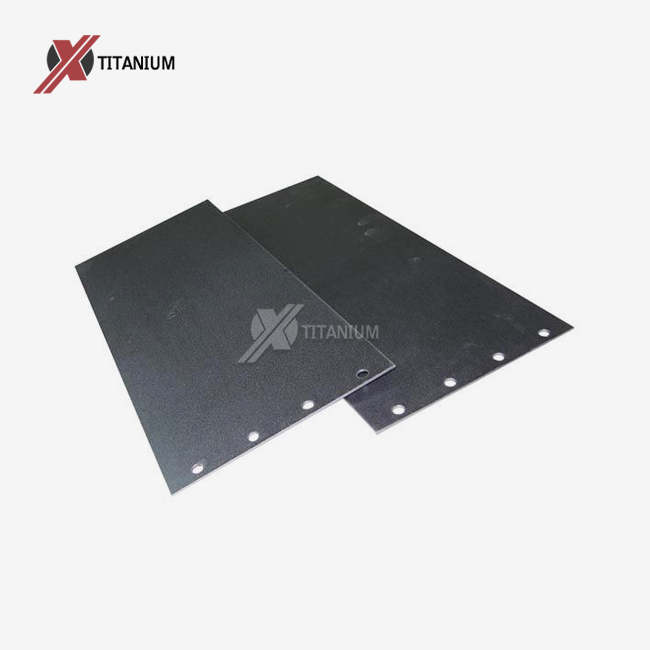
When looking at anode technologies for tough industrial uses, picking MMO coated titanium anodes over other options has a big effect on how well they work, how much they cost over their whole life, and how well the project turns out. MMO anodes have a titanium base (usually Grade 1 or Grade 2) that is covered with a special mix of mixed metal oxides that includes iridium and ruthenium. This mix gives the material great conductivity, resistance to rust, and stability in all dimensions even in harsh electrochemical conditions. Traditional anodes, such as graphite, lead, and platinized choices, have been used in many fields for many years. However, they don't always work well in tough environments because they change size, wear out quickly, and need to be replaced often, which lowers their overall performance and cost.
Understanding MMO Coated Titanium Anodes and Traditional Anodes
What Makes MMO Coated Titanium Anodes Unique?
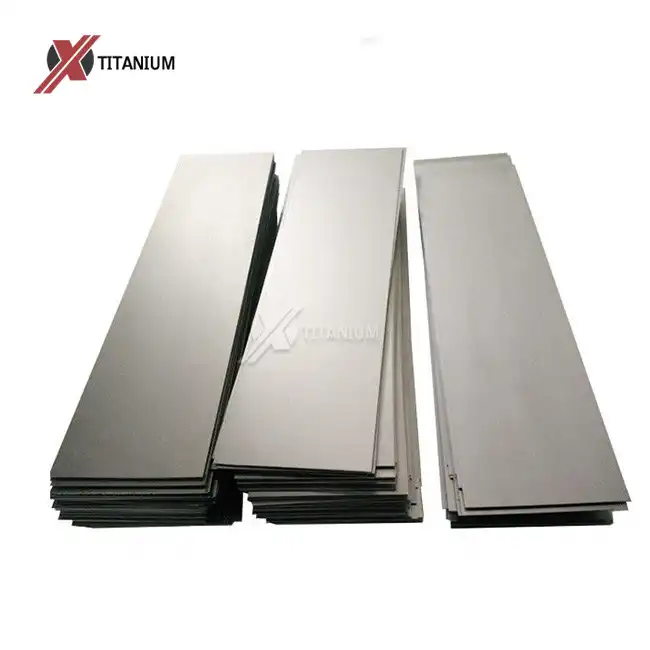
MMO coated titanium anodes are made by carefully stacking different metal oxides on top of a titanium base that has been carefully prepared. When we make things at Baoji Chuanglian, we start with cold-rolled or hot-rolled titanium sheets that are annealed and pickled to get the best surface conditions. Advanced electrochemical deposition methods are used to make sure that the coating is evenly spread and sticks to the surface. Its thickness runs from 5 to 50 microns. With this design, the anode can keep its shape even when it's working at temperatures of up to 200°C and getting current efficiencies of more than 90%. The titanium base has a low density and is very stable at high temperatures. The MMO layer stops passivation and oxygen evolution problems that happen in many electrochemical processes.
Traditional Anode Technologies and Their Limitations
A lot of work has been done with graphite anodes, which are prized for their low starting cost and good conductivity. However, they are constantly used up while they are working, which means they lose mass over time and need to be replaced often, which throws off production plans. While platinum-coated titanium anodes are more durable than graphite, the high cost of the materials makes them unsuitable for large-scale or long-term activities. Lead-based anodes used to be popular in some electrowinning uses, but they are becoming less common in developed markets because of problems with the environment and rules. Each standard choice comes with pros and cons that procurement teams must carefully weigh against the needs of operations, especially in fields where downtime directly leads to big financial losses.
Core Differences in Composition and Functionality
How these technologies deal with the electrical processes on their surfaces is what makes them different. Traditional anodes use either materials that wear out over time or rare metals that are very expensive and put a strain on project budgets. MMO technology fills in this gap by combining a titanium base that doesn't break down and doesn't rust with catalytically active oxide layers that help electrons move without breaking down. This design keeps the anode's size fixed throughout its working life, which is a big plus for processes like precision electroplating where even current flow affects the quality of the finished product. Our strict quality checks, which include hardness tests, bending tests, and hydraulic pressure checks, make sure that every anode meets ASTM B265 standards and works well under the right conditions.
Performance and Durability Comparison
Superior Corrosion Resistance in Harsh Environments
When considering different anode technologies, corrosion protection may be the most important factor. In harsh chemical conditions, such as seawater with a lot of chloride, acidic electroplating baths, and alkaline water treatment systems, MMO coated titanium anodes exhibit amazing stability. As a barrier, the mixed metal oxide layer keeps the titanium below from passivating, which is a typical way for metal anodes to fail and stop working. Our anodes have been used in marine cathodic protection systems on offshore sites for over 20 years and have kept up their output with little loss of performance. Graphite anodes, on the other hand, need to be replaced every two to three years in similar situations, which means that they have to be bought and installed over and over again, which costs a lot over time.
Extended Operational Lifespan and Reduced Maintenance
Because they last longer, they save money on operations and make the supply chain easier to use. Graphite anodes constantly lose and gain size as the material they contain is used up. This means that the system needs to be rebalanced and eventually replaced. Platinized choices work better, but the coating can still come off in high-current situations or when they are put under mechanical stress. In cathodic protection uses, MMO coated titanium anodes keep their shape over the course of their service life, which is 15–25 years on average. In electroplating settings with higher current densities, they only last 5–10 years. This longer lifespan cuts down on the number of upkeep tasks that need to be done, keeps system downtime to a minimum, and lets procurement teams set regular replacement dates that work with larger asset management plans.
Electrochemical Efficiency and Energy Consumption
The latest measures of effectiveness show that MMO technology is also very good at something else. Our anodes always get scores of above 90% efficiency, which means that the electrical energy goes directly into the electrochemical processes we want to happen instead of being wasted on side reactions or heat production. This efficiency advantage lowers the system's energy use over its entire working life. This leads to lower running costs and smaller carbon footprints, which are becoming more and more important as businesses have to comply with tougher environmental laws and sustainability reporting requirements. Traditional graphite anodes usually work less efficiently, especially as they get older and lose some of their useful surface area to wear down. The energy savings from MMO technology add up over many years of use, and the higher initial investment is often recouped in the first few years of service.
Real-World Performance Data from Industrial Applications
In their chlor-alkali electrolysis cells, a significant chemical processing plant on the Gulf Coast switched from graphite to MMO coated titanium anodes. During a five-year review period, they found that upkeep costs for the anodes went down by 40%, total energy use went down by 23%, and six planned production shutdowns that would have been needed to replace the anodes were canceled. In the same way, a city wastewater treatment plant that used impressed current cathodic protection for their concrete reinforcement said that MMO anodes that were put in place in 2003 would still work perfectly in 2023, while the graphite anodes that were replaced them needed to be changed about every 30 months.
Benefits and Applications of MMO Coated Titanium Anodes
Key Advantages for Industrial Operations
Procurement workers can make strong cases for their companies to adopt new technologies when they know the specific benefits. Because MMO anodes don't rust, there are no worries about pollution from anode breakdown products. This is especially important in industries like pharmaceuticals, food processing equipment, and semiconductors where strict cleanliness standards must be met. The high current economy lowers the cost of operating energy, and the long lifespan lowers the total cost of ownership over the usual 10–20-year project lifecycle. Anodes can be made exactly to fit the needs of an application thanks to their customizable sizes and coatings. This includes making special shapes for systems that treat ballast water or coatings that work best with certain electrolyte mixtures.
Environmental factors are becoming more and more important in all types of businesses when it comes to buying things. MMO coated titanium anodes support sustainability goals in a number of ways, including reduced material consumption compared to consumable alternatives, lower energy requirements during operation, the elimination of potentially harmful materials found in some traditional options, and reduced transportation and installation impacts due to infrequent replacement cycles. These things work with environmental management systems that are approved to ISO 14001:2015 standards and help companies follow the changing rules that govern how well businesses take care of the environment.
Primary Industry Applications and Use Cases
One of the most common uses is cathodic protection, which is used for things like naval buildings, underground pipes, and reinforced concrete in harsh settings. These anodes protect against electrochemical corrosion in a safe and long-lasting way, which is good for offshore platforms, ship decks, port facilities, and underwater pipes. The imposed current cathodic protection systems offer protection levels that can be changed as conditions change, which is not possible with passive anode systems.
Electroplating and metal finishing operations use MMO anodes for processes like decorative chrome plating, functional nickel deposition, and precious metal plating. Dimensional stability makes sure that the current flows evenly and the coating thickness stays the same on parts with complex shapes. Because it can't be used up, the electrolyte composition stays fixed and doesn't get messed up by dissolving anode materials. This means that solution upkeep isn't needed as often and the quality of the plated part is better.
These anodes are used in electrochlorination systems to kill germs, electrolytic oxidation processes to break down organic compounds, and electrocoagulation processes to get rid of floating solids in water and sludge. When working in high-salinity brackish water or saltwater, where other anode materials break down quickly, the better anti-corrosion qualities become very important.
Maintenance Best Practices for Maximum Performance
MMO coated titanium anodes don't need as much upkeep as other options, but following standard procedures will make them last longer and work better. Visual checks done on a regular basis find any damage to the equipment from accidents or strange working conditions before small problems get worse. When you keep an eye on the electrical output and compare it to the baseline readings, you can find small changes in performance that could mean that the coating is wearing down or there are problems with the link. Keeping the fluid chemistry within certain limits stops situations that could put stress on the layer or speed up wear. When anodes work in places where fouling is likely to happen, they need to be cleaned on a regular basis to get rid of any biological growth or material layers that might get in the way of current flow.
Our technical team gives detailed maintenance instructions that are made to fit specific uses. This helps operations staff set up the right inspection plans and ways to track performance. This help is especially helpful during the first phase of deployment, when baseline performance characteristics are being set and operating processes are being made better.
Procurement Insights: Choosing and Buying MMO Coated Titanium Anodes
Selection Criteria and Technical Specifications
For procurement to work well, technical needs must be clearly stated and match the conditions of the application. Choosing the right coating thickness relies on how much current you expect and how long you want it to last. Thicker coats usually last longer in high-current situations, but they cost more at first. When choosing a base material grade, you need to think about its mechanical qualities and purity standards. For example, Grade 1 titanium is the most resistant to corrosion in the harshest conditions, while Grade 2 titanium has great performance and a little more strength for structure uses.
Specifications for sizes must take into account installation limitations, the needs of present distribution, and the way the devices will be connected. It is easy to get anodes in any size you need, from small mesh anodes for localized safety to large plate anodes for industry electroplating tanks. Different surface finishes, such as bright, polished, pickled, acid-cleaned, or sandblasted, change how the surface looks and how well it works, affecting things like resistance to touch and coating bonding.
Operating factors, such as the highest current density, temperature range, and electrolyte makeup, help choose the coating recipe. Our engineering team works directly with sourcing professionals and technical staff to make sure that the anode specifications are exactly what the application needs. This way, we avoid both over-specification, which drives up costs, and under-specification, which hurts performance or lifespan.
Total Cost of Ownership Analysis
Total cost of ownership calculations always show that MMO coated titanium anodes are more cost-effective over the lifetime of a project, even though they are more expensive up front than graphite options. When you look at how often they need to be replaced, how much they cost to install, how much energy they use, how much it costs to get rid of them, and how long it takes to do, you can see that the yearly cost of MMO technology is often lower than standard options, and sometimes by a large amount.
When you buy in bulk, you can get discounts for buying more and make logistics easier. This is especially helpful for businesses with multiple locations or ongoing projects that need regular anode materials. Setting up framework deals with qualified providers like Chuanglian guarantees consistent product specs, stable prices, and faster access to technical support and special manufacturing capacity during the execution phases of a project.
Verifying Supplier Credibility and Quality Assurance
Because MMO coated titanium anodes are so technical, it's important to choose a seller carefully, paying attention to their manufacturing skills, quality control systems, and industry certifications. Getting ISO 9001:2015 approval shows that you are committed to using the same quality control methods throughout the whole production process. ASTM B265 compliance makes sure that the makeup and qualities of titanium base material meet well-known industry standards. Suppliers who have their own testing facilities for hardness, bend, coating thickness, and rapid life tests can be more sure of the quality of their products and the stability of each batch.
Location of Baoji Chuanglian in China's "City of Titanium" gives them direct access to high-quality raw materials and industrial know-how that has been built up over decades of focusing on the titanium industry. CNC machining centers, precision coating equipment, and full testing labs are all in our building. These tools help us keep tight tolerances and make sure goods work well before they leave. When materials come in for review and are tested one last time, traceability systems keep track of them. This creates a chain of paperwork that meets important application qualification requirements.
Final Evaluation and Making an Informed Decision
Synthesizing Performance and Economic Advantages
The thorough comparison shows that MMO coated titanium anodes perform better in the areas that matter most for industrial uses, including better resistance to corrosion, longer operational life, higher electrochemical efficiency, and stable dimensions over the course of service life. These technical benefits lead to economic benefits, such as lower total cost of ownership, less upkeep work, less energy use, and easier supply chain management due to less frequent replacement cycles.
Scenarios Where Traditional Anodes May Remain Viable
Even though MMO technology has some benefits, standard anode types may be better in some cases. For very short-term uses where the equipment will be taken down within one to two years, the higher original MMO cost may not be worth it. Applications with very low current densities and safe settings might be able to get good results from cheaper options. Existing systems that were built around the features of consumable anodes might need a lot of changes to make room for options that are fixed in terms of dimensions. When organizations make decisions about technology, they should honestly look at these outside factors.
Integration Strategies for Technology Transition
Using phased execution methods to handle technical risks and capital release is a good way to move current systems from traditional to MMO anodes. Pilot installations in typical situations gather performance data that helps with choices about wider rollouts. Running multiple systems during transition times gives you extra power and lets you compare performance directly in real-world settings. During the shift, working closely with experienced suppliers makes sure that the right changes are made to the system design, installation processes, and commissioning steps are followed. This sets projects up for long-term success.
Conclusion
For modern industrial uses where performance, life, and total cost of ownership are important factors in purchasing choices, MMO coated titanium anodes offer significant benefits over conventional options. In the past, traditional choices like graphite, lead, and platinized metals worked well for many industries. But these materials aren't meeting the high standards set by modern working conditions, regulations, and economic pressures. MMO technology offers better resistance to corrosion, longer working life, higher energy efficiency, and stable dimensions, all of which have measurable practical and financial benefits over the course of a normal project's lifetime. MMO coated titanium anodes should be seriously considered by organizations that want to get the most out of their electrochemical systems.
FAQ
How long do MMO coated titanium anodes typically last compared to graphite anodes?
Depending on the current density and working conditions, MMO coated titanium anodes typically have operational lifespans of 15 to 25 years in cathodic protection uses and 5 to 10 years in electroplating settings. In contrast, graphite anodes need to be replaced every two to three years in similar situations because they keep using up material while they're working.
What role does the MMO coating play in corrosion resistance?
The mixed metal oxide layer does several things: it forms a barrier against aggressive chemical conditions, speeds up electrochemical processes, and keeps the titanium substrate below from passivating. This mix keeps the anode working well in environments that would quickly break down or stop working other anodes, like seawater with a lot of chloride and acidic industrial solutions.
Where can we source reliable suppliers for custom-sized MMO coated titanium anodes?
Suppliers who are qualified usually take part in industry shows, keep their certifications up to date, like ISO 9001:2015 and ASTM B265 compliance, and show that they can make things by showing off their precision finishing application and full testing facilities. Baoji Chuanglian can make titanium products to your exact specs in terms of size and finish. They have over ten years of experience making these products and have a lot of quality control systems in place to make sure that every batch is the same.
Partner with Chuanglian for Your MMO Coated Titanium Anode Needs
As an experienced MMO coated titanium anodes maker, Baoji Chuanglian New Metal Material Co., Ltd. is ready to help you with your buying needs. They can help you choose the right materials, make special parts, test them thoroughly, and give you technical advice. We have state-of-the-art CNC machining centers and coating application systems in our building, which let us produce precisely specified products whether you need standard settings or fully customized solutions for specific application problems. We have a lot of experience in the titanium business because we have spent decades specializing in making titanium in China. This means that we can guarantee the quality of our products and their uniform performance across all production batches.
We know that good industrial procurement involves more than just getting the right products. It also involves getting reliable suppliers, getting access to technical help, and making sure that the supply chain works as planned. We are dedicated to meeting the high standards of the aerospace, petrochemical, marine, and other challenging industries. This is shown by the fact that our quality management systems are approved to ISO 9001:2015 standards and we follow ASTM B265 requirements for titanium materials. You can email our team at info@cltifastener.com or djy6580@aliyun.com to talk about your specific needs, ask for technical documentation, or set up free tests that will show you for yourself how good our products are.
References
1. Chen, G. & Liu, H. (2021). Advances in Mixed Metal Oxide Coated Titanium Anodes for Industrial Electrochemistry. Journal of Applied Electrochemistry, Volume 51, pp. 1247-1265.
2. International Titanium Association (2022). Titanium Anode Technology: Performance Comparison and Application Guidelines. ITA Technical Report Series, Report No. 2022-14.
3. Morgan, P. R. (2020). Cathodic Protection Systems: Design, Materials Selection, and Long-Term Performance. NACE International Press, Houston, Texas.
4. Xu, W., Zhang, L., & Wang, T. (2023). Electrochemical Performance and Durability Assessment of MMO-Coated Anodes in Marine Environments. Corrosion Science and Technology, Volume 22(2), pp. 89-104.
5. American Society for Testing and Materials (2019). ASTM B265-19: Standard Specification for Titanium and Titanium Alloy Strip, Sheet, and Plate. ASTM International, West Conshohocken, Pennsylvania.
6. Singh, R. K. & Dahotre, N. B. (2021). Surface Engineering of Titanium for Electrochemical Applications: Coating Technologies and Performance Evaluation. Materials Science and Engineering Reports, Volume 145, pp. 1-47.
Learn about our latest products and discounts through SMS or email