- English
- French
- German
- Portuguese
- Spanish
- Russian
- Japanese
- Korean
- Arabic
- Greek
- German
- Turkish
- Italian
- Danish
- Romanian
- Indonesian
- Czech
- Afrikaans
- Swedish
- Polish
- Basque
- Catalan
- Esperanto
- Hindi
- Lao
- Albanian
- Amharic
- Armenian
- Azerbaijani
- Belarusian
- Bengali
- Bosnian
- Bulgarian
- Cebuano
- Chichewa
- Corsican
- Croatian
- Dutch
- Estonian
- Filipino
- Finnish
- Frisian
- Galician
- Georgian
- Gujarati
- Haitian
- Hausa
- Hawaiian
- Hebrew
- Hmong
- Hungarian
- Icelandic
- Igbo
- Javanese
- Kannada
- Kazakh
- Khmer
- Kurdish
- Kyrgyz
- Latin
- Latvian
- Lithuanian
- Luxembou..
- Macedonian
- Malagasy
- Malay
- Malayalam
- Maltese
- Maori
- Marathi
- Mongolian
- Burmese
- Nepali
- Norwegian
- Pashto
- Persian
- Punjabi
- Serbian
- Sesotho
- Sinhala
- Slovak
- Slovenian
- Somali
- Samoan
- Scots Gaelic
- Shona
- Sindhi
- Sundanese
- Swahili
- Tajik
- Tamil
- Telugu
- Thai
- Ukrainian
- Urdu
- Uzbek
- Vietnamese
- Welsh
- Xhosa
- Yiddish
- Yoruba
- Zulu
Search for a guide on identifying the correct caliper bolt size for a motorcycle
Finding the right caliper bolt size for your motorcycle's brakes is important for keeping them safe and working well. For the Suzuki SV650, the front brake caliper usually needs bolts that are M10 standard and have exact thread pitch sizes. When looking for high-performance changes, titanium m10 front caliper bolts sv650 are made from Ti-6Al-4V (Grade 5) metal and are aerospace-grade. These fasteners are 20% lighter than steel options while still having a tensile strength of more than 900 MPa. This makes them especially useful for procurement workers who need corrosion-resistant parts that will last longer in tough environments.
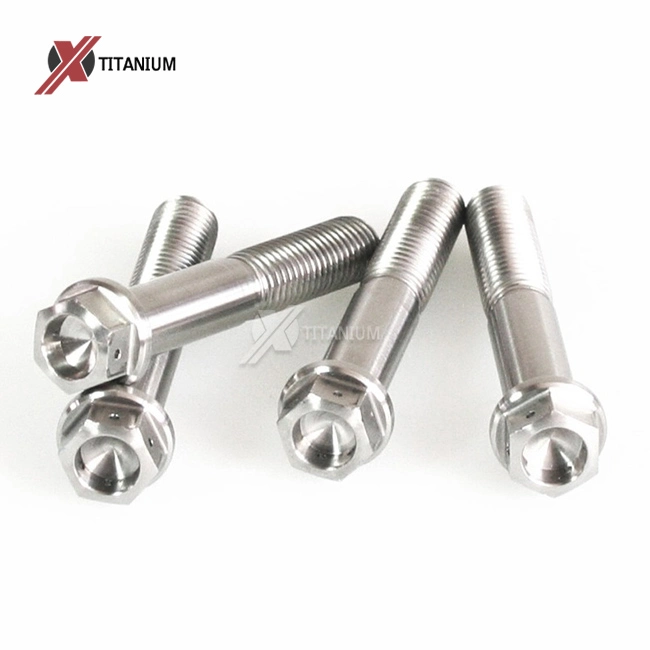
Understanding the Correct Caliper Bolt Size for Motorcycles
Finding the right caliper bolt specs stops catastrophic brake system failures and makes sure that safety standards set by the maker are met. The main measures that determine compatibility are the diameter, thread size, and length, which must match the standards for both the caliper mounting spots and the fork legs.
Decoding M10 Bolt Specifications
The number M10 means that the bolt is metric and has a width of 10 mm, measured across the external thread points. The normal thread pitch for the SV650 brake system is 1.25 mm, which is called a "fine pitch configuration" by ISO 965-2. This is different from the rougher 1.50mm pitch that you might find on aftermarket brake swaps. It depends on the model year and type of caliper, but length measures are usually between 25mm and 35mm. For OEM uses, 30mm is the most common length measurement. Procurement professionals must use thread gauges to confirm exact measurements instead of eye inspection, since pushing an incompatible pitch causes damage to the thread that can't be fixed.
Material Impact on Tolerances and Performance
The choice of material has a big impact on how bolts behave under practical stress. Steel bolts that meet Class 8.8 or 10.9 standards are strong enough, but they rust when they come into contact with road salts and water. Aluminum options are lighter, but they don't have the bending strength needed for high-torque uses. Titanium Grade 5 metal is one of a kind because it has a very low density of 4.43 g/cm³ and a yield strength of about 880 MPa. This measure of strength to weight is especially useful in racing, where unsprung mass has a direct effect on how the suspension responds. The process of making rolled thread keeps the purity of the grain structure, making it more resistant to fatigue than cut-thread options.
OEM Versus Aftermarket Considerations
OEM screws from Suzuki meet basic safety standards, but they are rarely made to be lighter or more resistant to rust. To make sure the material is real, aftermarket titanium choices must show that they meet ASTM B348 and AMS 4928 requirements. Instead of buying cheaper commercially pure titanium, purchasing managers should ask for material approvals and a chemical composition study that proves the Ti-6Al-4V content. Quality providers give paperwork that connects each batch to a specific mill's certifications. This lets quality control check the whole supply chain.
Benefits of Choosing Titanium M10 Front Caliper Bolts for SV650
In a number of different application cases, titanium fasteners offer measurable performance benefits that lead to lower running costs and higher safety margins. The qualities of Grade 5 metal help with certain problems that come up when maintaining brake systems and making them work better.
Weight Reduction and Handling Enhancement
Eliminating unsprung mass improves suspension responsiveness and tire contact patch consistency during dynamic maneuvers. Titanium M10 front caliper bolts SV650 save approximately 15 grams per bolt compared to steel equivalents, contributing to overall weight optimization strategies valued by racing teams and performance-focused fleet operators. This weight reduction occurs primarily near the wheel axis, where rotational inertia most significantly impacts acceleration response and cornering agility.
Corrosion Resistance and Lifecycle Costs
Titanium's passive oxide layer protects it very well from chloride attack, water entry, and chemical contact. When compared to steel bolts, fleet owners in coastal areas or winter service areas have much longer periods of time between replacements. The material keeps its shape at temperatures ranging from -150°C to +400°C, keeping the torque loading even when temperatures change quickly, which would break down most materials. Maintenance teams benefit from bolts that don't seize, which makes caliper service easier and cuts down on the cost of staff needed to remove corroded screws.
Safety and Torque Retention
How well the locking force is retained has a direct effect on how reliable the stop system is. Titanium's elastic stiffness and thread engagement properties keep the preload constant, even when it's exposed to the vibrations that come with riding a motorbike. The material's wear strength makes sure that cracks don't spread even after millions of stress cycles. This makes high-mileage uses safer. When put with the right anti-seize compounds, titanium bolts can reach safe torque values without the risk of galling that comes with stainless steel combinations.
Step-by-Step Guide to Installing Titanium M10 Front Caliper Bolts on SV650
The performance benefits and safety gaps built into titanium screws are at their best when they are installed correctly. Technical staff must take into account force requirements and greasing rules that are different for each material compared to steel hardware.
Required Tools and Preparation
For assembly, you need a torque wrench that has been measured and is accurate to within ±3% in the 30-45 Nm range. Before assembly starts, the thread size is checked with a gauge to make sure it is compatible. Copper-based anti-seize paste or ceramic lube stops galvanic corrosion between titanium and aluminum wheel parts and lowers the friction coefficient when force is applied. Using a tap to clean the fork threads and get rid of any debris makes sure that torque numbers are correct and that the threads connect properly.
Torque Specification Adjustments
OEM steel nuts usually need 39 Nm of torque for M10 caliper uses, but titanium systems need to be changed to account for the effects of the lubricant. Because the anti-seize paste lowers friction, normal torque values would stretch the bolt too much and might be higher than its yield strength. When using titanium screws that have been oiled, it is best to lower the stated torque by 10 to 15 percent. This usually leads to 33 to 35 Nm application values. To make sure that maintenance teams follow the right steps, procurement paperwork should include torque specs that have been tested and proven to work with that particular lubricant and bolt combo.
Common Installation Errors to Avoid
Cross-threading is the most common way that brake bolt installations go wrong. Because titanium tends to gall when paired with aluminum, it's important to make sure the threads are straight before using a torque wrench. When titanium screws are over-torqued beyond their yield strength, lasting deformation happens that can't be seen but threatens the structure's stability. When you use impact tools instead of controlled torque application, the tightening force isn't always the same, and the threads could get damaged. Checking the torque on important bolts should be required by quality control procedures. This can be done with written checklists that make sure the methods are followed.
Comparing Titanium M10 Front Caliper Bolts with Other Materials for SV650
When choosing a material, you have to weigh its performance qualities against cost and the needs of the purpose. Depending on operational goals and spending limits, each choice has its own benefits.
Titanium Versus Steel Performance Analysis
Steel fasteners meeting Class 10.9 standards offer tensile strength comparable to Grade 5 titanium, but they are significantly denser. Titanium M10 front caliper bolts SV650 reduce this extra weight, which impacts performance applications where unsprung mass optimization provides tangible benefits. Steel requires additional plating or coating for corrosion protection—processes that add cost and eventually degrade through environmental exposure. Titanium requires no coating due to its inherent corrosion resistance, with mechanical properties remaining stable throughout extended service life. Titanium typically costs 300–500% more than steel as a raw material, making it best suited for performance-critical applications where the investment is justified rather than general replacement scenarios.
Aluminum Alternatives and Limitations
The goal of aluminum alloy nuts is to reduce weight, but they don't have enough breaking strength for use in brake calipers. Because the material has a smaller modulus, it deforms too much when torque is applied, which makes it harder to keep the gripping force constant. When you do repair on metal over and over, the thread engagement causes wear issues. Because of these problems, aluminum fasteners can only be used for non-essential cosmetic tasks and not for safety-important brake system parts.
Quality Assurance in Supplier Selection
The dependability of procurement relies on how well suppliers can be checked and how well their quality systems are certified. Suppliers with AS9100 aircraft approval show that they have the right process controls for making important fasteners. ISO 9001:2015 approval proves that a quality management system works as it should. Incoming inspections can be sure that the material test results match the chemical composition, tensile strength, and hardness measurements. Traceability systems that connect produced goods to certifications of raw materials help with compliance paperwork needs in regulated industries like medical device and aircraft manufacturing.
Procurement Strategies for Sourcing Titanium M10 Front Caliper Bolts for SV650
When it comes to safety-critical uses, strategic buying methods keep quality standards high while maximizing cost efficiency. Purchasing managers have to find a mix between what suppliers can do and how much they can do and how much customization is needed.
Identifying Qualified Suppliers and Manufacturers
When evaluating a supplier, the most important thing should be their manufacturing skills, such as the specs for their CNC machines and testing systems. Facilities that have coordinate measuring tools and optical comparators show that they care about the accuracy of measurements, which is important for thread quality. Suppliers who offer material certificates that can be tracked back to the mill where the materials were made can be sure that the Ti-6Al-4V formula is real and not a lower grade. Geographic factors affect wait times and logistics costs. For example, Asian makers offer competitive prices, while North American and European sources are closer and can meet immediate needs more quickly.
Volume Pricing and Customization Options
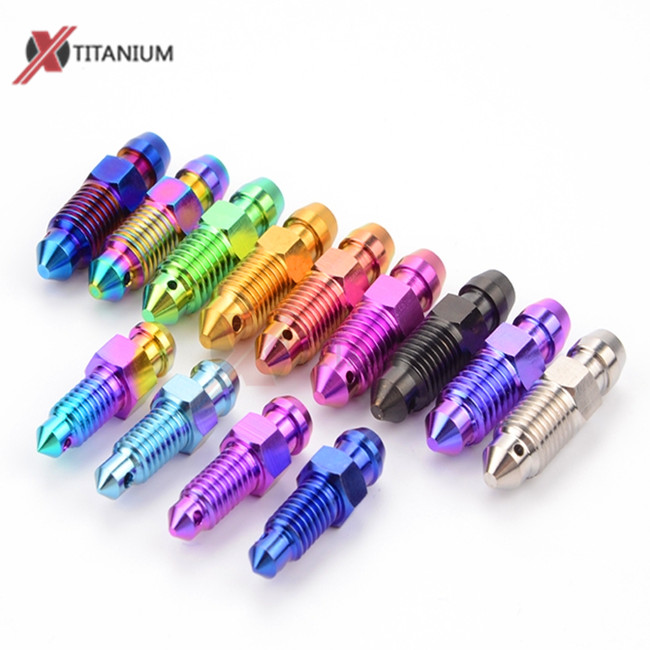
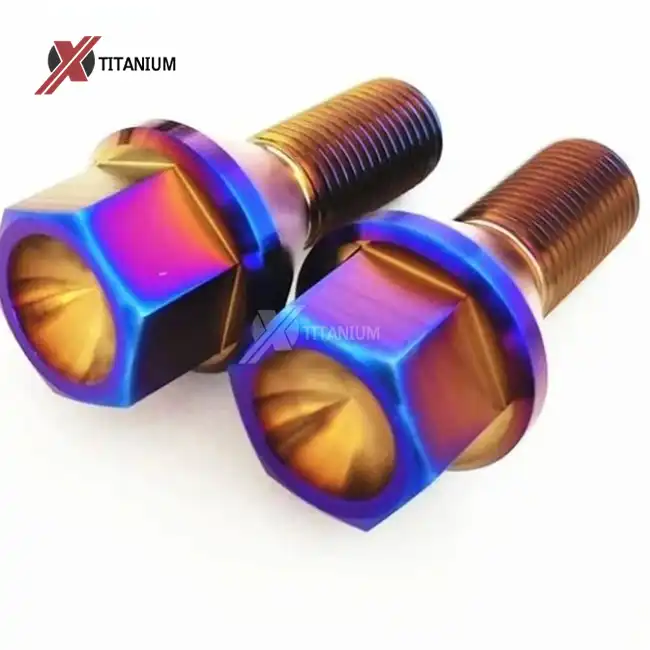
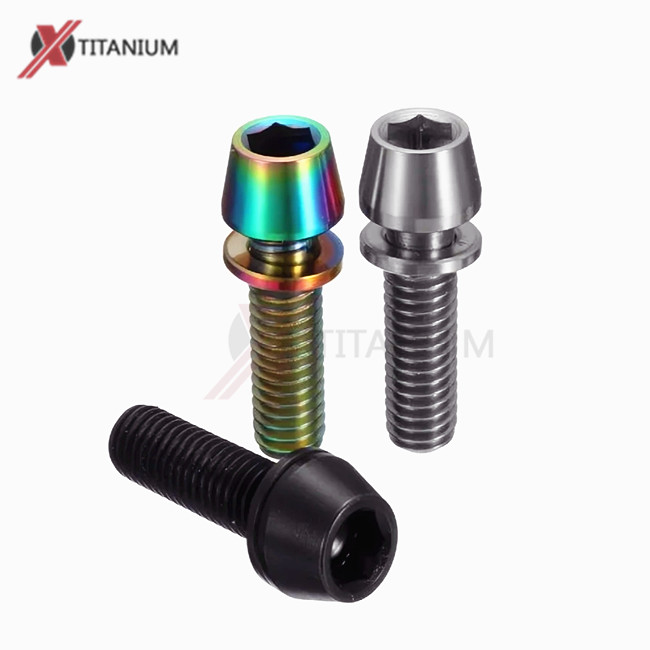
When purchasing titanium m10 front caliper bolts sv650 in bulk, you usually get better prices when you buy more than 500 pieces. You can get even bigger deals when you buy 1,000 or 5,000 pieces. For orders over a certain minimum quantity, there are no tooling charges for custom length specs that allow for non-standard caliper combinations or unique mounting uses. Custom uses that need to look good can use surface treatments like anodizing in colors like natural titanium, gold, blue, purple, black, and rainbow finishes. Private label manufacturing lets OEMs and distributors make their own brand-name products with unique packaging while still using the production skills of the maker.
Logistics and Compliance Considerations
When sending titanium goods internationally, you need to show proof of the material's classification according to export control rules. Compliance licenses for ASTM B348 and ISO 5832-2 make it easier to get goods through customs and meet the rules in the places where they are going. RoHS compliance makes sure that dangerous chemicals are limited in a way that is in line with the standards for getting into European and North American markets. When planning lead times, you should keep in mind that normal orders take between 15 and 30 days to make, while custom orders take between 30 and 45 days, based on the surface treatment and number needs.
Maintenance Tips and Common Issues with SV650 Front Caliper Bolts
Using preventive repair procedures can make parts last longer and find problems before they become dangerous. Maintenance workers should set up check plans that are in line with how things are used and how they are working.
Routine Inspection Procedures
Every six months, a visual check finds early signs of thread wear, twisting of the bolt head, or coating degradation. Checking the torque with a measured wrench proves that the clamping force is still there and shows any loosening caused by shaking. To check the state of the fork leg threads and find cross-threading damage during a thread contact inspection, the caliper must be taken off. Recording the results of inspections creates trending data that tells you when to replace something based on how often it wears out, not on random times.
Titanium-Specific Maintenance Considerations
Titanium's natural oxide layer protects it from rust, but it needs to be cleaned carefully, without using rough chemicals that damage the surface. Mild cleaning solutions get rid of brake dust buildup well without damaging the material. Using the anti-seize substance again and again during each fitting stops galling and keeps the torque characteristics constant. When you store extra fasteners, you should use individual packing or protective caps that keep handle wear from damaging the threads.
Replacement Indicators and Thresholds
Thread damage that can be seen under a microscope means that the part needs to be replaced right away, no matter how long it has been in service. When bolt heads are over-torqued, they permanently change shape, which makes future torque measurements less accurate and means they need to be replaced. If the length measurement is more than 0.1 mm, it means that the material has deformed beyond its yield strength and needs to be taken out of service right away. Fleet managers should set replacement plans based on how often the parts need to be replaced. For example, in racing, parts may need to be inspected after every event, but on the street, parts can be replaced every 24 months.
Conclusion
Choosing the right caliper bolt specifications is important for ensuring brake system performance. Titanium M10 front caliper bolts SV650 made from Grade 5 alloy offer clear advantages in weight reduction, corrosion resistance, and wear performance that justify the investment in demanding applications. To ensure product authenticity and consistent quality, procurement professionals must evaluate supplier capabilities, certification compliance, and material traceability. Following proper torque specifications and lubrication practices during installation maximizes safety and extends service life across diverse operating conditions.
FAQ
Q1: What torque specification should I use for titanium caliper bolts?
A: Because anti-seize chemicals lubricate titanium M10 caliper bolts, they need different torque values than steel screws. OEM steel specs usually call for 39 Nm, but setups using oiled titanium should use 33 to 35 Nm to keep the material from bending too much. Always check the manufacturer's instructions to make sure they are correct for your bolt and grease.
Q2: Can titanium bolts be reused during maintenance?
A: When properly torqued and inspected, Grade 5 titanium nuts keep the structure strong through multiple installation rounds. Titanium screws can be used more than once, unlike single-use stretch bolts, as long as the threads are not damaged and the elongation readings stay within the range allowed. Written inspection processes make sure that choices about reuse can be trusted.
Q3: How do I verify authentic Ti-6Al-4V material?
A: To be real, Grade 5 titanium needs to have a material certification that shows a chemical makeup study. Reliable suppliers give mill test results that show where the raw materials came from and prove that the amount of aluminum and vanadium meets ASTM B348 standards. Titanium types can't be told apart by looking at them, so proof paperwork is needed to make sure the purchase is legal.
Q4: What are the risks of galvanic corrosion with aluminum components?
A: Combining titanium (noble) and aluminum (anodic) makes a galvanic cell potential that speeds up the rusting of aluminum. High-quality anti-seize compounds with copper or ceramic particles successfully stop galvanic reactions between metals that are not the same in normal working conditions. This worry can be taken away by following the right fitting steps and choosing the right materials.
Partner with Chuanglian for Aerospace-Grade Titanium Fastener Solutions
Precision-engineered titanium m10 front caliper bolts sv650 are made by Baoji Chuanglian New Metal Material Co., Ltd. for demanding industry clients who need confirmed performance and traceability. Our ISO 9001:2015-certified plant in China's "City of Titanium" has cutting-edge CNC machine tools and strict quality control procedures that make sure they meet ASTM B348 and AMS 4928 standards. Before being shipped, each batch goes through chemical spectrography, tensile testing, and measurement verification. This gives procurement professionals written proof that the materials are real and will work as expected. We work with aerospace companies, medical device companies, and high-performance race teams that need titanium m10 front caliper bolts sv650 source relationships based on technical know-how and on-time delivery.
Chuanglian is a committed titanium fastener maker with more than ten years of experience. They offer custom solutions such as non-standard lengths, special surface treatments, and private label programs that meet OEM needs. Our engineering team gives technical advice on choosing the right materials, how to place them, and how to make them work best for each purpose. Our sourcing experts can be reached at info@cltifastener.com or djy6580@aliyun.com to talk about your needs, get material certifications, or get bulk prices for the titanium fasteners you need. These parts are made for very important uses that need the highest quality.
References
1. American Society for Testing and Materials. (2020). ASTM B348-20: Standard Specification for Titanium and Titanium Alloy Bars and Billets. West Conshohocken, PA: ASTM International.
2. Boyer, R., Welsch, G., & Collings, E.W. (2019). Materials Properties Handbook: Titanium Alloys. Materials Park, OH: ASM International.
3. International Organization for Standardization. (2018). ISO 965-2:2018 - ISO General Purpose Metric Screw Threads - Tolerances - Part 2: Limits of Sizes for General Purpose External and Internal Screw Threads. Geneva: ISO.
4. Lutjering, G., & Williams, J.C. (2021). Titanium: Engineering Materials and Processes. Berlin: Springer-Verlag.
5. SAE International. (2019). AMS 4928R: Titanium Alloy Bars, Wire, Forgings, Rings, and Drawn Shapes 6Al-4V Annealed. Warrendale, PA: SAE Aerospace Material Specifications.
6. Veiga, C., Davim, J.P., & Loureiro, A.J.R. (2017). Properties and Applications of Titanium Alloys: A Brief Review. Reviews on Advanced Materials Science, 32(2), 133-148.
Learn about our latest products and discounts through SMS or email