- English
- French
- German
- Portuguese
- Spanish
- Russian
- Japanese
- Korean
- Arabic
- Greek
- German
- Turkish
- Italian
- Danish
- Romanian
- Indonesian
- Czech
- Afrikaans
- Swedish
- Polish
- Basque
- Catalan
- Esperanto
- Hindi
- Lao
- Albanian
- Amharic
- Armenian
- Azerbaijani
- Belarusian
- Bengali
- Bosnian
- Bulgarian
- Cebuano
- Chichewa
- Corsican
- Croatian
- Dutch
- Estonian
- Filipino
- Finnish
- Frisian
- Galician
- Georgian
- Gujarati
- Haitian
- Hausa
- Hawaiian
- Hebrew
- Hmong
- Hungarian
- Icelandic
- Igbo
- Javanese
- Kannada
- Kazakh
- Khmer
- Kurdish
- Kyrgyz
- Latin
- Latvian
- Lithuanian
- Luxembou..
- Macedonian
- Malagasy
- Malay
- Malayalam
- Maltese
- Maori
- Marathi
- Mongolian
- Burmese
- Nepali
- Norwegian
- Pashto
- Persian
- Punjabi
- Serbian
- Sesotho
- Sinhala
- Slovak
- Slovenian
- Somali
- Samoan
- Scots Gaelic
- Shona
- Sindhi
- Sundanese
- Swahili
- Tajik
- Tamil
- Telugu
- Thai
- Ukrainian
- Urdu
- Uzbek
- Vietnamese
- Welsh
- Xhosa
- Yiddish
- Yoruba
- Zulu
The Role of the Anode Rod in Propane Water Heaters
Steel tanks in propane water heaters are kept from rusting by anode bars, which do this through controlled electrochemical processes. Out of all the types that are out there, titanium anode rod technology is the most modern and best at solving the most important problems that industry users face. Traditional sacrificial rods made of magnesium or aluminum break down over time. But titanium-based electrodes with Mixed Metal Oxide (MMO) layers protect against high currents without breaking down the rod itself. This technology gets rid of hydrogen sulfide smells, lowers the number of times equipment needs to be maintained, and increases its useful life to 10 to 20 years in tough industrial and business settings where dependability can't be compromised.
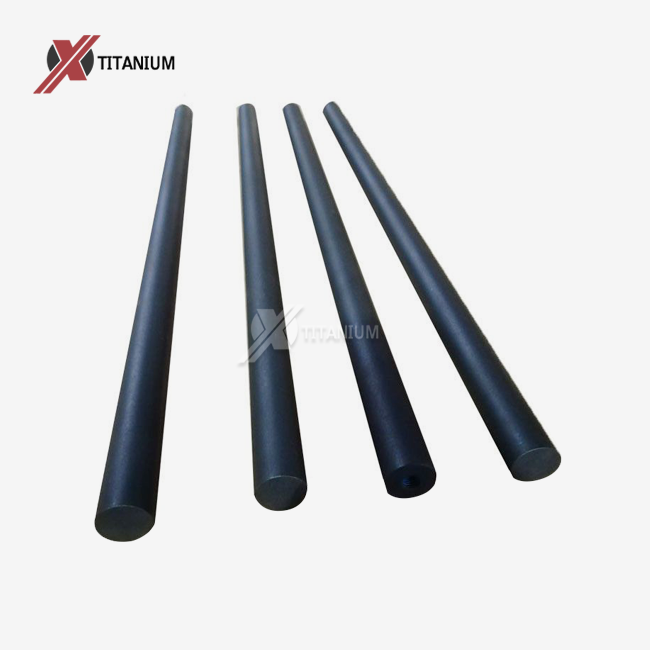
Understanding Anode Rods in Propane Water Heaters
The Fundamental Corrosion Protection Mechanism
Propane water heaters have to work in tough conditions because the hot water inside the tanks constantly corrodes the steel inside. Electrochemical reactions are directed away from the tank walls by titanium anode rod units, which act as targets for the reactions. Usually, sacrificial anodes break down physically to protect the metal around them. However, this method needs to be replaced every two to four years and adds metal sediment to the system. Advanced impressed current systems that use titanium substrates covered with valuable metal oxides give a controlled electrical current that stops corrosive reactions without using any rods. This changes the costs of care for facilities that are used a lot.
Electrochemical Principles Behind Titanium-Based Systems
Titanium Grade 2 surfaces are very stable chemically and electrically, which is important for long-term cathodic protection. When these rods are covered with electrocatalytic oxides that contain iridium or ruthenium, they keep their electrode shape even when they work at current densities of up to 2000 A/m². The coating's remarkably low oxygen evolution potential—a critical technical parameter—minimizes energy consumption during operation. This electrochemical efficiency is especially useful in large-scale industrial settings where many water heaters are always running. This turns scientific benefits into real cost savings over long periods of time.
Material Properties Distinguishing Titanium from Traditional Options
Titanium performs better than other metals in difficult settings because of its unique physical and chemical properties. Titanium anode rods have a density of 4.43 g/cm³ and a tensile strength of 480 MPa. They are also very strong physically, with a melting point of 1668°C. These features make sure that the dimensions stay stable even when the temperature changes, which happens a lot in gas water heater systems. Corrosion resistance is very good in both acidic and salty, which is important for sites near the coast, marine engineering work, and chemical processing plants where water chemistry can be tricky. Quality control tests like hardness tests, bending tests, and hydrostatic checks make sure that the integrity of the material meets the standards for ASTM, ISO, and AMS approval that buying teams need.
Advantages of Titanium Anode Rods for Propane Water Heaters
Extended Service Life and Operational Reliability
Industrial buildings that use gas water heaters need equipment that works as expected and doesn't break down when it's not supposed to. titanium anode rod impressed current systems have useful lifetimes of more than ten years, which is very different from the 24- to 48-month repair cycles that are common for substitutes. The titanium base doesn't break down, and the MMO layers are electrochemically stable, so they last a long time. Facilities that are in charge of multiple water heating units can make maintenance scheduling much easier, cut down on the need for parts inventory, and avoid the operating delays that come with replacing parts on a regular basis. This dependability benefit is especially important for companies that make aerospace parts, petrochemicals, and medical devices, where unexpected downtime can have a big effect on the supply chain.
Reduction in Maintenance Requirements and Associated Costs
When you look at the total cost of ownership over a number of years, the business case for titanium anode technology gets stronger. Even though they cost more to buy at first than regular spare rods, the longer time between replacements changes the economics of the whole lifespan. Maintenance teams try to avoid having to drain the tank, check the anodes, and replace them over and over again, because these tasks waste expert time and put sensitive applications at risk of contamination.
Also, titanium systems don't let metallic silt build up, which lowers the efficiency of heat transfer and means the tank needs to be flushed every so often. When purchasing managers look at vendor offers, they should figure out the return on investment (ROI) over a 10-year period. They should include labor rates, downtime costs, and lost productivity to get a full picture of the costs.
Performance in Aggressive Water Conditions
Corrosion prevention systems have a hard time because water chemistry changes in different places and for different industry uses. It is amazing how durable titanium electrodes are in places with a lot of salt, low pH, and high temperatures, where regular anodes fail quickly. This chemical protection is especially useful for marine engineering sites, desalination plants, and operations on remote platforms. Due to its biocompatibility, the material can also be used in medicine and food making processes where dissolved anode metals would be harmful and against the rules. Performance claims are checked by testing methods, such as accelerated life testing according to NACE TM0108 standards. This gives quality assurance teams the technical information they need during supplier approval processes.
Comparing Titanium Anode Rods With Other Types: Decision Support for Procurement
Magnesium and Aluminum Sacrificial Anodes: Traditional Approach
Rods made of magnesium and aluminum are usually used in homes and small businesses. When it comes to low-conductivity water, magnesium gives off a strong protective current, while aluminum gives off a mild protective current with less hydrogen gas production. Both types literally break down while they're working, and based on the chemistry of the water, they need to be replaced every two to four years. The main problems that affect industrial procurement decisions include:
• frequent replacement labor: the need for frequent replacement labor.
• metallic sediment accumulation: the buildup of metallic sediment that lowers the efficiency of heat exchangers.
• potential for hydrogen sulfide odor development: the possibility of a hydrogen sulfide smell when sulfate-reducing bacteria interact with the anode material.
• logistical complexity: the difficulty of keeping replacement part inventories in multiple facility locations.
Because of these limits, industrial users are moving toward more advanced protection solutions.
Powered Titanium Systems: The Industrial Standard
The main problems with sacrificial anode technology are fixed by using titanium electrodes for impressed current cathodic protection. A titanium anode rod covered in oxides of valuable metals is linked to a low-voltage power source that sends a controlled protective current through these systems. Technical benefits include:
• virtually unlimited lifespan: a lifespan that is almost infinite as long as it is used correctly (10–20 years on average).
• elimination of hydrogen sulfide odor issues: no problems with hydrogen sulfide smells.
• zero sediment generation: no sediment buildup that affects heat transfer.
• consistent protection: consistent security even when water conductivity changes.
The main things that stop people from adopting are the higher original cost and the need for an electrical link. When procurement teams look at this technology, they should look at buildings that have a lot of water heaters, water that has a lot of chemicals in it, or where getting to the repair area is hard.
Decision Criteria for Industrial Applications
To choose the best anode protection, you need to carefully look at the operational factors that are specific to your place. Water chemistry research, which includes measuring pH, total dissolved solids, chloride content, and sulfate concentration, gives us the basic information we need to figure out if two materials are compatible. The economics of replacement intervals are affected by operational activity, which is measured by the amount of hot water used each day and the frequency of thermal cycle.
Labor cost estimates are affected by how easy it is to do maintenance, especially for installs on roofs or in small mechanical areas. Teams in charge of buying things should make decision trees that weigh these things against the expert help a supplier offers, how full the certification paperwork is, and the terms of the warranty. Pilot installs are helpful for buildings with more than one water heater because they prove that the claims about performance are true before the whole fleet is converted.
Installation and Maintenance of Titanium Anode Rods
Professional Installation Procedures
To successfully install a titanium anode rod, you must follow set installation procedures that are compatible with the major water heater makers. The process starts with turning off the whole system and releasing all the pressure. Next, water is drained to get to the current anode port. Taking off the spare anode that was put at the factory makes room for the titanium electrode assembly. The power source unit needs to be mounted somewhere dry and with the right electrical service link according to the local building codes.
When electrodes are placed correctly, they stay away from the tank walls and heating sources while still making good touch with the water. Electrical links must use terminals that don't rust and can handle the right amount of power for the size of the covered tank. When the system is first turned on, the voltage settings recommended by the maker should be followed, and it should be checked that the protective current runs correctly through the electrode assembly.
Maintenance Protocols for Long-Term Performance
Titanium systems require much less upkeep than sacrificial anodes, but long-term reliability is best achieved through regular tracking. As part of the annual inspection procedure, the anode circuit's electrical connection should be checked, along with the power supply's output voltage and the coating integrity of any electrode surfaces that can be reached. Every 6 to 12 months, tests are done on the water quality to record any changes in chemistry that could affect safety standards.
Inspections of the inside of tanks during planned repair shutdowns let you figure out how well protection is working by checking for rust on steel surfaces. The buying and operations teams need quality records for warranty claims and regulatory compliance checks. These records are made by writing down the results of inspections, electricity readings, and any changes that were made.
Troubleshooting Common Operational Issues
Technical support teams should be able to spot common performance signs that need to be fixed. Less protective current flow could mean that the coating is wearing off, an electrical link is corroding, or the power source isn't working right. Systematic testing finds the root cause. If the smell keeps coming back after installing a titanium anode, it could be because the current density isn't high enough or there are anaerobic bacterial colonies that need to be treated with chemicals.
Early corrosion in the tank is a sign that the protective current is not being spread out enough. This could be fixed by adding more anode sites in big tanks. Building relationships with providers that offer field service support and expert advice over the phone is good for manufacturing facilities, especially during the initial system commissioning phase when workers get used to the new protection technology.
Procurement Essentials for Titanium Anode Rods
Specifications and Quality Standards
Technical buying teams need detailed specification documents to check the skills of suppliers and decide if a product is right for the job. Important factors include the titanium grade (usually Grade 1 or Grade 2 according to ASTM B265), the substrate size (20mm, 25mm, or 30mm in diameter) and the length (usually 1000mm to 2000mm), the coating composition (including precious metal oxide percentages), the coating thickness (1–20 microns) depending on the severity of the application, and the current density ratings that are right for the target tank volumes.
The paperwork for the manufacturing process should include methods like hot rolling, cold rolling, annealing, and pickling that make the material's qualities better. The types of surface finishing—bright, polished, pickled, acid cleaned, or sandblasted—affect how well the coating sticks and how long it lasts. Third-party confirmation of material conformance is needed for quality management system needs. Certification documentation from ASTM, ISO, and AMS standards groups is one way to do this.
Supplier Evaluation and Partnership Development
Titanium processing is a specialized type of manufacturing that is mostly done in places that already have strong supply chains for aircraft and chemical processing. As you evaluate a supplier, you should look at their ability to make titanium anode rod products to your exact measurements, their quality control systems (such as hardness testing and hydrostatic examination), their ability to link finished products to certifications for raw materials, and their knowledge of how to properly document international shipments.
Companies in China's "City of Titanium," like Baoji Chuanglian New Metal Material Co., Ltd., show that they have all the skills needed to make complex titanium parts. They do things like finding materials, CNC cutting, coating application, and quality control all under one management system. Long-term relationship potential is higher when sellers offer engineering help during the creation of product specifications, keep enough inventory on hand to handle urgent orders, and communicate clearly about production plans and logistics coordination.
Logistics and Commercial Terms
When buying specialized titanium parts from other countries, you need to pay attention to the details of the supply chain and the safety of your contracts. There should be a clear breakdown of all the costs in the pricing structure, including the cost of materials, processing fees, coating application fees, testing and certification fees, and the cost of packing for foreign shipping. Volume discounts are useful for businesses that manage a lot of water heaters or need to coordinate purchases across many sites. Lead times depend on how customized the product is. Standard configurations may ship within two to three weeks, but unique sizes or coatings need four to six weeks to make.
Payment terms that balance managing cash flow with reducing source risk usually require a deposit for custom orders, with the balance due after the pre-shipment review. The warranty should include promises for performance, an estimate of how long the coating will last under certain working conditions, and instructions for getting technical help or a replacement in case it fails too soon. Creating inquiry forms that collect this information in a structured way during the seller qualification process can help procurement teams.
Conclusion
Titanium anode rods are a big step forward in developing technology to protect propane water heaters used in industrial and business settings from rust. When you combine longer operating life, less maintenance needs, and better performance in difficult water chemistry conditions, you get a strong value offer for facilities that put reliability and total cost optimization first. When procurement professionals are thinking about upgrading protection systems, they should do full studies that include looking at water quality, working intensity patterns, repair access, and long-term cost modeling. The change from standard sacrificial anodes to impressed current titanium systems is part of a larger trend in the industry toward infrastructure parts that are predictable, low-maintenance, and support operational excellence goals.
FAQ
Q1: What environments are titanium anode rods best suited for?
A: Titanium electrodes with MMO coatings work great in rough water conditions like high chloride levels that are common in seaside sites, low pH environments that are common in some industrial processes, and operations that happen at high temperatures. Titanium is much more resistant to rust than most substitute anodes, which makes it ideal for marine engineering, desalination plants, and chemical processing facilities.
Q2: How often do titanium anode rods require replacement in commercial settings?
A: When set up and taken care of properly, titanium impressed current systems can last 10 to 20 years without needing to be replaced. This is very different from magnesium or aluminum sacrificial anodes, which usually need to be replaced every two to four years. How long something actually lasts relies on how bad the water chemistry is, how hard it is used, and how well you follow the care instructions, which include checking the electricity every so often.
Q3: What maintenance indicators suggest potential issues with titanium anode systems?
A: Some important warning signs are a drop in the protective current output measured during regular electrical tests, an odor that won't go away even though the system is working, signs of tank rust found during internal checks, or signs that the power source isn't working right. Setting up baseline data during commissioning lets you compare them in a useful way during later maintenance periods to find trends in performance degradation before they lead to failures.
Partner with Chuanglian for Reliable Titanium Anode Solutions
Baoji Chuanglian New Metal Material Co., Ltd. makes precision-engineered titanium parts like improved anode rods that are made for tough industrial water heating uses. Our factory has all the tools it needs to make sure that the materials always work the way they're supposed to, from processing raw titanium to applying MMO coatings and checking the quality at the end. Our goods are certified to meet ASTM, ISO, and AMS standards, and they go through strict hardness tests, bending tests, and hydraulic tests before they are shipped.
We offer customizable sizes to fit a variety of tank designs, as well as expert support to help you choose the best product for your water chemistry and operational needs. Our established export processes, clear communication, and dedication to dependable delivery help procurement teams reach their supply chain consistency goals. You can email our engineering team at info@cltifastener.com or djy6580@aliyun.com to talk about your titanium anode rod needs, ask for material approvals, or set up a review of a sample. We are happy to work with business customers who are looking for reliable titanium anode rod suppliers who can help them achieve long-term operating excellence.
References
1. American Water Works Association. (2019). Corrosion Control in Water Distribution Systems. AWWA Manual M58, Denver, Colorado.
2. Baboian, R. (2018). Corrosion Tests and Standards: Application and Interpretation. ASTM International, West Conshohocken, Pennsylvania.
3. National Association of Corrosion Engineers. (2017). Cathodic Protection Technician Course Manual. NACE International Publication 35100, Houston, Texas.
4. Revie, R.W. and Uhlig, H.H. (2008). Corrosion and Corrosion Control: An Introduction to Corrosion Science and Engineering. Fourth Edition, John Wiley & Sons, Hoboken, New Jersey.
5. Titanium Information Group. (2020). Titanium for Chemical Plant and Process Equipment. Technical Paper Series No. 4, London, United Kingdom.
6. U.S. Department of Energy. (2016). Water Heating Technology: System Performance and Reliability Analysis. Energy Efficiency and Renewable Energy Building Technologies Office, Washington, D.C.
Learn about our latest products and discounts through SMS or email