- English
- French
- German
- Portuguese
- Spanish
- Russian
- Japanese
- Korean
- Arabic
- Greek
- German
- Turkish
- Italian
- Danish
- Romanian
- Indonesian
- Czech
- Afrikaans
- Swedish
- Polish
- Basque
- Catalan
- Esperanto
- Hindi
- Lao
- Albanian
- Amharic
- Armenian
- Azerbaijani
- Belarusian
- Bengali
- Bosnian
- Bulgarian
- Cebuano
- Chichewa
- Corsican
- Croatian
- Dutch
- Estonian
- Filipino
- Finnish
- Frisian
- Galician
- Georgian
- Gujarati
- Haitian
- Hausa
- Hawaiian
- Hebrew
- Hmong
- Hungarian
- Icelandic
- Igbo
- Javanese
- Kannada
- Kazakh
- Khmer
- Kurdish
- Kyrgyz
- Latin
- Latvian
- Lithuanian
- Luxembou..
- Macedonian
- Malagasy
- Malay
- Malayalam
- Maltese
- Maori
- Marathi
- Mongolian
- Burmese
- Nepali
- Norwegian
- Pashto
- Persian
- Punjabi
- Serbian
- Sesotho
- Sinhala
- Slovak
- Slovenian
- Somali
- Samoan
- Scots Gaelic
- Shona
- Sindhi
- Sundanese
- Swahili
- Tajik
- Tamil
- Telugu
- Thai
- Ukrainian
- Urdu
- Uzbek
- Vietnamese
- Welsh
- Xhosa
- Yiddish
- Yoruba
- Zulu
Comparison of MMO titanium mesh anodes versus traditional anodes for cathodic protection
If an industrial facility has to deal with rust all the time in harsh conditions, choosing the right anode technology is a choice that will affect how well it works for decades. The MMO titanium mesh anode, which has a Mixed Metal Oxide layer on top of a titanium base, has become a game-changing option for cathodic protection devices. These advanced dimensionally stable anodes (DSA) are better at electrochemistry, last longer, and cost less to own than traditional graphite or cast iron anodes. These are all very important factors for procurement teams that are in charge of marine structures, reinforced concrete, and industrial infrastructure. Knowing the differences in these anode types in terms of technology and cost lets you make smart choices that fit the needs of the project and your long-term asset protection plans.
Understanding MMO Titanium Mesh Anodes and Traditional Anodes
The field of cathodic protection has changed a lot since the early days when it was mostly based on disposable materials. Modern systems need to be precise, last a long time, and have little effect on the environment. This is why improved anode technologies are being used in places like chemical processing plants and remote platforms.
What Defines MMO Titanium Mesh Anodes?
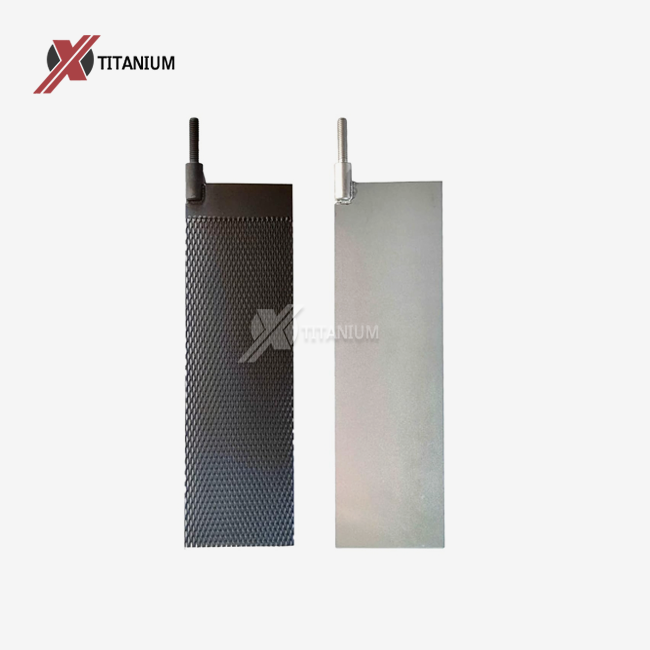
We make MMO titanium mesh anodes at Chuanglian using high-purity Grade 1 or Grade 2 titanium as the base material. To get the best structure stability, the production method uses cold rolling, hot rolling, annealing, and pickling. The titanium mesh is then covered with a catalytic Mixed Metal Oxide layer, which is usually made up of Iridium Oxide (IrO₂), Ruthenium Oxide (RuO₂), and Tantalum Pentoxide (Ta₂O₅). This is done using a special thermal decomposition process. The thickness of this layer can be changed from 8 to 15 micrometers to meet individual electrical needs. The expanded mesh shape adds about 25% more active surface area than solid plate designs, which makes sure that the current flows evenly even in tricky installation situations.
Traditional Anode Technologies Explained
In the past, three main types of anodes have been used in traditional cathodic protection systems. Graphite anodes have a modest ability to carry electricity, but they are prone to physical instability and produce waste products that pollute electrolyte systems. Even though cast iron anodes are cheap at first, they wear out quickly in high-resistance soils and need to be replaced often. Even though high-silicon chromium iron anodes last longer than regular cast iron, they can still become passivated in some types of soil. These common materials all have some problems in common: their sizes change while they're being used, they form protective films that make them less useful, and they need a lot of upkeep, which adds up to big costs over their lifetime.
Critical Performance Metrics for Anode Evaluation
When procurement experts look at different anode technologies, they should pay attention to a number of measurable factors. Corrosion resistance shows how well the anode keeps its shape in harsh fluids that have chlorides, sulfates, or organic substances in them. The overpotential needed for electrochemical processes is a direct measure of electrical efficiency. It has a direct effect on how much energy is used and how much it costs to run the business. Replacement regularity and project downtime are affected by how long a service lasts. Current density capacity tells us how much safe current the anode can send over a unit of surface area. Depending on the covering makeup, our MMO products can reach up to 100 A/m². It's important for materials to be mechanically flexible when they need to cover buildings with odd shapes or when installation room is limited.
Comparative Analysis of MMO Titanium Mesh Anodes vs Traditional Anodes
A look at the differences between MMO titanium mesh anodes and regular anodes shows up in a number of ways that affect the cost and dependability of the project as a whole. Our large amount of field data from sea, infrastructure, and industry sites makes these differences very clear.
Superior Corrosion Resistance and Extended Lifespan
Mixed Metal Oxide films are very stable in both chlorine-evolving and oxygen-evolving settings. They can keep their electrical activity for more than 50 years in seawater uses. It is naturally resistant to rust in pH ranges from 3 to 12, which means that the base doesn't break down like it does with other materials. Graphite anodes usually need to be replaced every 5 to 8 years because they wear down and break. Cast iron anodes lose between 0.5 and 1 kilogram per ampere-year, so they need to be installed too large the first time or be replaced often. Because they last longer, they need less upkeep, new parts cost less, and the system is down less when the anodes need to be changed.
Enhanced Electrical Efficiency and Energy Savings
MMO surfaces have electrocatalytic qualities that make the activation overpotential for both chlorine and oxygen evolution processes much lower. Our anodes work at overpotentials that are 0.5 to 1.2 volts lower than graphite equivalents at the same current levels, as shown in lab tests. In most impressed current cathodic protection devices, this efficiency gain cuts the power used by rectifiers by 15% to 30%. When used to protect big pieces of infrastructure like offshore platforms or bridge substructures, these energy savings add up over the decades that the projects last. Traditional anodes also lose their effectiveness over time as surface films form, which means they need to be cleaned on a regular basis or operate at higher volts, which adds to the cost of energy.
Mechanical Flexibility and Installation Advantages
When compared to hard solid anodes, the extended mesh design that we make at our Baoji plant is better for fitting. Our mesh sizes are flexible and can be changed to fit complex structure shapes. They can be as thin as 0.5 mm or as wide as 1000 mm or as long as 2000 mm. Normal titanium fasteners can be used to cut, shape, and hold the mesh together without any special tools. This versatility comes in handy when updating old buildings or keeping places that only certain people can get to safe. On the other hand, graphite anodes need to be handled carefully so that they don't get damaged while being moved or installed. Because they are so heavy, cast iron anodes need a lot of structural support, which makes fixing systems more complicated and expensive.
Total Cost of Ownership Analysis
The unit price of MMO titanium mesh anodes is higher than that of standard materials, but a full lifetime cost study always supports the new technology. Take a look at a standard marine building security system that is meant to last 30 years. The initial prices of materials for MMO anodes could be 40% to 60% higher than those for graphite options. During this time, graphite systems need two to three full anode changes, which cost money in materials, time, hire of marine contractors, and safety risks. Total operating costs for MMO systems are 25% to 45% lower than those for traditional methods when you consider less energy use, fewer repair rounds, and fewer upkeep checks. More and more, procurement teams are realizing that the best way to make money is to optimize lifetime economics instead of reducing initial capital spending.
Why B2B Clients Prefer MMO Titanium Mesh Anodes: Advantages & Applications
Advantages and Uses of MMO Titanium Mesh Anodes: Why B2B Clients Choose Them. When businesses decide what technologies to buy, they increasingly look for ones that have clear practical benefits and a history of good performance in the field. From providing cathodic protection systems to the aerospace, petroleum, and marine engineering industries, we've seen that expert teams consistently choose MMO solutions.
Proven Reliability in Demanding Environments
Since 2008, our MMO anode systems have been used constantly on offshore oil rigs in the North Sea. Regular inspections have shown that the electrochemical performance has stayed the same and there has been no structural degradation. Chemical processing plants that work with sulfuric acid and chlor-alkali conditions say that their storage tanks and pipeline networks have been protected without any problems for 15 years. These case studies address the main concern that procurement professionals always bring up: trust that the defined materials will perform as expected over long service intervals without surprising failure modes that need emergency repairs.
Versatile Application Across Industrial Sectors
Because MMO technology is flexible, it can be used effectively in a wide range of defense situations. Heat exchangers for ocean treatment plants, ship decks, port facilities, and underwater cable networks are all examples of marine engineering in action. To stop chloride-induced rebar rusting in bridge decks, parking structures, and seawalls, reinforced concrete protection systems use mesh anodes that are built into the concrete. Installations used for chemical processing keep carbon steel storage tanks, reactor vessels, and process pipes that are exposed to harsh acids safe. Anode systems are used in clarifiers, transportation networks, and wastewater structures at water treatment plants. This flexibility makes purchasing easier for businesses that manage a variety of building types, as it allows for standard specs to be used in a wide range of situations.
Environmental Compliance and Sustainability
Titanium is one of the most eco-friendly building materials because it can be recycled over and over again without losing any of its properties. At Chuanglian, the industrial methods we use, such as controlled annealing, pickling, and surface preparation, make very little waste and don't use any harmful chemicals. Unlike lead-alloy anodes, which release heavy metals into the environment, or graphite anodes, which release carbon particles that pollute the environment, MMO systems stay chemically neutral throughout their entire working lives. Regulatory systems are looking more closely at how the materials we choose affect the environment. The clean operating image of titanium-based anodes can help us get project approvals or show that our company is committed to sustainability.
Customization Capabilities and Technical Support
With our CNC machining centers and other high-tech processing tools, we can precisely change the anode's size, coating composition, and connection layout to meet the needs of each project. Technical teams can choose the exact mesh openings, the coating thickness that works best for the current levels they want, and built-in fixing provisions that make installation easier. In addition to customizing products, we offer full expert support during design development. We look at weather conditions, structural configurations, and safety factors to suggest the best anode setups. This technical help is especially useful when dealing with special issues like stray current reduction, mixed-metal security needs, or installing upgrades in systems that are already in place.
Practical Considerations for Procurement & Deployment
Things to Think About When Buying and Deploying. Cathodic protection projects that work rely on matching the right anode technology to the job. This can be done by carefully looking at both technical and business factors. Structured decision frameworks help procurement teams balance the need for success with practical goals and budget limits.
Selecting Optimal Anode Materials for Your Application
How to Choose the Best Anode Materials for Your Needs. The main factors for choosing are set by the environment. High-chloride places, like sea buildings or deicing salt exposure, are good for MMO titanium mesh anodes because they stay stable in chlorine-evolving circumstances. The resistivity of the soil affects the amount of current needed and the shape of the anode. Places with high resistivity need materials that can handle high working voltages without passivation. The expected lifespan of the project should match the longevity of the anode.
For short-term installations, cheap standard materials may be fine, but for long-term infrastructure, investing in MMO technology with a longer lifespan is a good idea. Instead of just looking at the prices of materials, budget frameworks need to look at the total costs of ownership. This means including things like energy use, upkeep labor, replacement cycles, and the effects of downtime in full financial models.
Evaluating Supplier Qualifications and Capabilities
Assessing the Skills and Qualifications of Suppliers. Comparing prices is only one part of evaluating a supplier. Technical skills and working dependability are also important. Our ISO9001 and AS9100 certifications show that we have quality control systems that meet the standards of the aerospace business. Material approvals that can be linked to particular production batches make sure that the coating meets the requirements of ASTM B265 titanium and check its makeup.
When managing complicated project plans with many contractors and limited approval windows, production capacity and lead time dependability become very important. Logistics that can handle both small samples for proof testing and large packages for full-scale rollout make buying easier. Having access to technical advice during the development of specifications, planning of installations, and operating stages adds value that goes beyond just supplying materials.
Installation Best Practices and Maintenance Optimization
Installation best practices and how to get the most out of maintenance. When you install an anode system correctly, it works better and lasts longer. By keeping certain range distances from protected structures, you can make sure that the current flows evenly and stop any areas from being overprotected, which could lead to hydrogen embrittlement or coating disbondment. Using titanium-specific hardware for electrical connections stops galvanic mismatches that could damage the system.
Potential readings taken at representative areas during post-installation tests confirm that the safety conditions were met. Compared to standard anodes, MMO systems don't need as much upkeep over time. Regular potential surveys show that they are still working, and visual inspections check the integrity of the connections and find any mechanical damage caused by impact or too much marine growth. Documenting check results and working factors lets you do trend analysis, which finds small changes in performance before they make security less effective.
Conclusion
What You Need to Know to Choose Between MMO Titanium Mesh Anodes and Traditional Anodes. The scientific and economic proof for using MMO titanium mesh anodes in demanding cathodic protection applications is strong across a number of review factors. Superior electrical efficiency, physical stability over multi-decade service periods, and the ability to mechanically change to complex shapes are some of the most important performance requirements that industrial facilities have.
Even though the original cost of materials is higher than with standard options, a full lifetime cost study always shows that the total cost of ownership is lower because of fewer replacement cycles, less energy use, and less upkeep. Procurement professionals who are in charge of protecting critical infrastructure are becoming more and more aware that the best way to get reliable, cost-effective corrosion control over long asset lifecycles is to work with qualified manufacturers whose products have been tested and proven to work.
FAQ
How does the lifespan of MMO titanium mesh compare to graphite anodes?
MMO titanium mesh anodes have been used in seawater for more than 50 years and have kept their electrochemical activity going during that time without losing any of their size or performance. Graphite anodes usually need to be replaced every 5 to 8 years because they wear out and break down mechanically. This tenfold increase in lifespan means that the product doesn't need to be replaced as often, which saves money on materials and time on upkeep tasks.
Can MMO anodes be customized to non-standard dimensions?
At Chuanglian, we often change the size of the mesh, the thickness of the layer, and the way the connections are set up to fit the needs of a particular job. When we make things, we can use titanium surfaces that are 0.5 mm to 5 mm thick, up to 1000 mm wide, and up to 2000 mm long. Coating mixtures can be made better for certain goal current levels and electrochemical settings, so they work well in a wide range of situations.
How do MMO anodes improve cost efficiency in large-scale systems?
Lifecycle cost benefits are big when you consider that the service life is longer, energy use is lower, and upkeep needs are low. 15% to 30% less energy used over many years adds up to a lot of savings in big systems. By getting rid of repair rounds, you can save money on materials, labor fees, and downtime for operations. Total operating costs are usually 25% to 45% lower with these systems than with standard anode systems, according to in-depth economic studies.
Partner with Chuanglian for Advanced MMO Titanium Mesh Anode Solutions
Join forces with Chuanglian to get cutting-edge MMO titanium mesh anode solutions. To protect important assets, you need more than just normal supplies. You need to work with makers to get products that work well and professional help. Chuanglian has been making high-performance MMO titanium mesh anodes for aerospace, petroleum, marine engineering, and industry customers around the world for more than ten years.
Our Baoji plant has high-tech CNC machining centers and quality control systems that make sure each anode meets strict ASTM and ISO standards. As a reliable provider of MMO titanium mesh anodes, we offer full customization options, engineering help during standard creation, and on-time delivery for both sample evaluation and full-scale project purchase.
Our expert team is ready to look at your needs, figure out the best ways to meet them, whether you're planning to build new cathodic protection systems or improve the ones you already have. We encourage sourcing professionals and engineering teams to learn more about how our advanced anode technologies can improve system performance, lower lifetime costs, and protect assets for a long time. You can email us at info@cltifastener.com or djy6580@aliyun.com to talk about the needs of your project, ask for detailed materials, or set up a free review.
References
1. Broomfield, J.P. (2007). Corrosion of Steel in Concrete: Understanding, Investigation and Repair, Second Edition. Taylor & Francis, London.
2. Morgan, J. (1987). Cathodic Protection, Second Edition. National Association of Corrosion Engineers, Houston, Texas.
3. Funk, W.H., and Darmstadt, H. (2001). "Mixed Metal Oxide Coated Titanium Anodes for Cathodic Protection in Seawater." Materials Performance, Vol. 40, No. 6, pp. 52-58.
4. Pourbaix, M. (1974). Atlas of Electrochemical Equilibria in Aqueous Solutions. National Association of Corrosion Engineers, Houston, Texas.
5. von Baeckmann, W., Schwenk, W., and Prinz, W. (1997). Handbook of Cathodic Corrosion Protection: Theory and Practice of Electrochemical Protection Processes, Third Edition. Gulf Publishing Company, Houston.
6. Schutt, H.U., and Kessler, R.J. (1995). "Performance Comparison of Various Anode Materials in Seawater Cathodic Protection Systems." Corrosion 95, Paper No. 518, NACE International, Houston.
Learn about our latest products and discounts through SMS or email