- English
- French
- German
- Portuguese
- Spanish
- Russian
- Japanese
- Korean
- Arabic
- Greek
- German
- Turkish
- Italian
- Danish
- Romanian
- Indonesian
- Czech
- Afrikaans
- Swedish
- Polish
- Basque
- Catalan
- Esperanto
- Hindi
- Lao
- Albanian
- Amharic
- Armenian
- Azerbaijani
- Belarusian
- Bengali
- Bosnian
- Bulgarian
- Cebuano
- Chichewa
- Corsican
- Croatian
- Dutch
- Estonian
- Filipino
- Finnish
- Frisian
- Galician
- Georgian
- Gujarati
- Haitian
- Hausa
- Hawaiian
- Hebrew
- Hmong
- Hungarian
- Icelandic
- Igbo
- Javanese
- Kannada
- Kazakh
- Khmer
- Kurdish
- Kyrgyz
- Latin
- Latvian
- Lithuanian
- Luxembou..
- Macedonian
- Malagasy
- Malay
- Malayalam
- Maltese
- Maori
- Marathi
- Mongolian
- Burmese
- Nepali
- Norwegian
- Pashto
- Persian
- Punjabi
- Serbian
- Sesotho
- Sinhala
- Slovak
- Slovenian
- Somali
- Samoan
- Scots Gaelic
- Shona
- Sindhi
- Sundanese
- Swahili
- Tajik
- Tamil
- Telugu
- Thai
- Ukrainian
- Urdu
- Uzbek
- Vietnamese
- Welsh
- Xhosa
- Yiddish
- Yoruba
- Zulu
Titanium Alloy Pipes in the Chemical Industry: Benefits Explained
When engineers in chemical processing have pipelines that keep breaking down because of rust or heat stress, they often find that common materials like stainless steel can't handle the harsh conditions of their work. Titanium alloy pipe systems are a revolutionary answer to these ongoing problems. They offer superior corrosion resistance, mechanical strength, and operating lifespan, which greatly lowers lifetime costs and unexpected downtime. Titanium alloy pipe technology represents not only an alternative material choice but also a strategic investment in process reliability and long-term operational efficiency in chemical manufacturing environments where aggressive media, elevated temperatures, and pressure variations are daily realities.
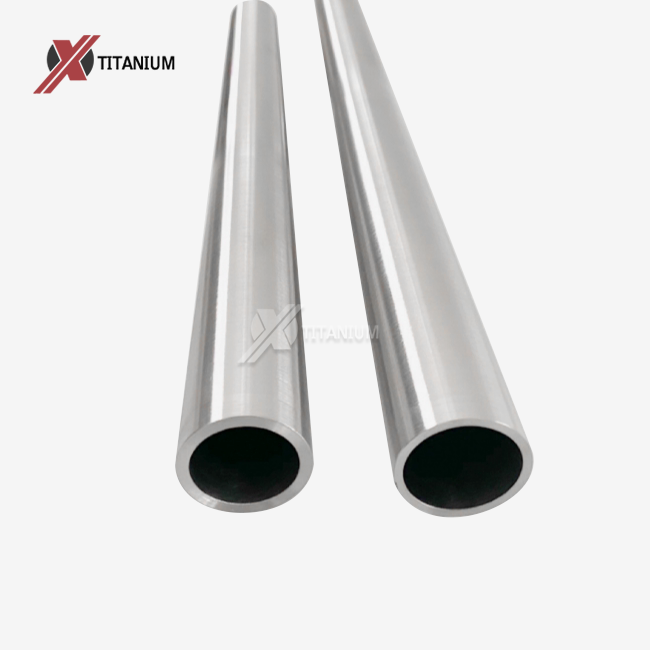
Understanding Titanium Alloy Pipes and Their Properties
Titanium alloy pipe units are made of titanium mixed with alloying elements like vanadium, molybdenum, tin, and aluminum. These elements improve certain performance qualities beyond what commercially pure titanium can offer. These engineered compositions make materials that are perfect for harsh chemical processing settings that must meet strict standards for both mechanical integrity and chemical inertness.
Common Grades Used in Chemical Processing
Titanium types that mix resistance to corrosion with mechanical performance are mostly used in the chemical business. Even though Grade 2 titanium is formally commercially pure, it has small amounts of alloying elements that make it very resistant to rust in most chemical environments, such as those with oxidizing acids, chloride solutions, and organic compounds. This grade is very easy to shape and weld, which makes it perfect for chemical plants with complicated pipe layouts.
Ti-6Al-4V, or Grade 5 titanium, has 6% aluminum and 4% vanadium in it. This makes it a much stronger metal that doesn't rust and has almost twice the tensile strength of Grade 2. This grade is used in chemical plants where there are a lot of mechanical stresses and a lot of toxic conditions, like in high-pressure reactor feed lines or centrifugal pump connections. The alpha-beta microstructure of Grade 5 makes it very resistant to wear, which is very important for pipe systems that are subject to changing pressures or temperatures.
Manufacturing Processes Ensuring Quality
At Baoji Chuanglian New Metal Material Co., Ltd., we use a variety of manufacturing methods to make titanium alloy pipes that meet the strict requirements of chemical processing uses. The cold rolling process smooths out the grain and makes the measurements more accurate. This makes seamless tubes with very close tolerances that are needed for precise installations. Hot rolling methods make it possible to make pipes with larger diameters while still keeping their structural integrity. This is especially useful for main process lines and distribution heads.
The annealing heat treatment removes stresses inside the material that were caused by shaping and improves its crystal structure for the best rust protection. This managed cycle of heating and cooling makes sure that the pipe wall thickness has the same mechanical traits all the way through. Our pickling and acid cleaning processes get rid of any metal scale or other impurities on the surface, leaving a perfect finish that makes the material's natural passivation properties work better when it's exposed to chemical process streams.
Quality Certifications and Testing Protocols
The purchasing teams in the chemical business are right to demand that materials are thoroughly checked for quality before they are used in important projects. Our titanium alloy pipes go through a lot of tests, such as hardness tests to make sure they've been properly heated, bending tests to make sure they can be bent and shaped, and hydraulic pressure tests to make sure they won't break when they're in use. There are full material approvals for every production batch that can be traced back to the original ingot. These include chemical composition analysis and mechanical property paperwork that meets the standards set by ASTM B338, ASTM B861, and ISO 5832-2.
These certifications are the links in the chain of paperwork that quality assurance teams need to do audits of suppliers and reviews of legal compliance. Our quality management system makes it possible to trace back any installed pipe piece to its production factors, test results, and source of raw materials.
Core Benefits of Titanium Alloy Pipes in Chemical Industry Applications
Chemical production conditions are hard on materials in ways that few metals can handle for long periods of time. Titanium alloy pipe systems work better and solve problems that plant engineers, repair managers, and procurement workers have been having for a long time.
Unparalleled Corrosion Resistance in Aggressive Media
Titanium alloys' best quality for the chemical business is that they are very resistant to corrosive attack in a wide range of chemical settings. Titanium makes a stable, self-healing oxide layer that covers the base metal even when it is physically broken. Stainless steels, on the other hand, suffer pitting and crevice corrosion in chloride-containing solutions. This passive film grows back right away when it comes in contact with air or water, so it can keep protecting chemical process lines.
Titanium pipe systems are very good at withstanding oxidizing acids like nitric acid, chromic acid, and hypochlorous acid at almost all temperatures and amounts. In chlor-alkali plants, chlorine gas and sodium hydroxide make the environment very corrosive. However, titanium alloy pipe systems often last for decades without any noticeable rust or wear. Organic chemical plants that use acetic acid, formic acid, or chlorinated liquids find that titanium pipe gets rid of the problems with contamination and the need for regular repairs that come with using other materials.
This rust protection has an economic effect that goes beyond just making materials last longer. Less rust means fewer unplanned shutdowns for pipe repairs, less stocking of new sections, and no more product contamination from pipe sides that are corroded. Chemical companies say that using titanium alloy pipes in important corrosive service lines cut their yearly repair costs by 40 to 60 percent while also making the process more reliable and the product cleaner.
High Strength-to-Weight Ratio Benefits
Titanium alloy pipe is about 45% lighter than high-grade stainless steels but has the same level of structural strength. This amazing link between strength and weight has many benefits for designing and running chemical plants. When pipe systems are lighter, they put less stress on the support frames, which could mean that you don't need to use reinforced platforms or extra bracing like you do with stainless steel or carbon steel installs.
The weight loss is especially important for retrofitting jobs where the current buildings can't hold much weight. When a plant grows, titanium pipes can often be added to existing pipe racks without having to change the structure. This saves money on strengthening work and shortens the project timeline. The lighter weight makes it easier to move and handle during installation, which cuts down on crane time and labor hours and makes the workplace safer by making installation teams less physically demanding.
Extended Service Life and Reduced Maintenance
When you combine corrosion resistance with mechanical longevity, you get longer operating lifespans that change the way you calculate lifecycle costs in a big way. If you use harsh chemicals on stainless steel pipes, you might need to replace them every 5 to 8 years. But if you put titanium alloy pipe sections correctly, they can usually last 25 to 30 years without breaking down much. This makes the materials last longer, so you don't have to keep buying new ones or deal with the big costs that come with stopping production to make changes.
Titanium pipe systems don't need as much maintenance as systems made of other materials. There is no need for protective coatings, cathodic protection systems, or corrosion tracking programs when there is no rust. Because titanium's performance is stable and reliable, inspection intervals can be lengthened. This is because corrosion-related problems are less likely to happen. Chemical plants say that the amount of upkeep work needed for titanium pipe systems is usually 70–80% less than for stainless steel setups of the same size.
Resistance to Scaling and Fouling
Chemical process streams often have dissolved solids, monomers that tend to polymerize, or chemicals that make precipitates and stick to the inside of pipes. Titanium's inactive oxide surface is smooth and has low stickiness, so it doesn't let scaling and fouling build up. This feature keeps hydraulic efficiency high for long periods of time, keeping the planned flow rates and pressure drops that break down quickly in materials with rougher surfaces.
The lower chance of fouling also improves the quality of the product by cutting down on the places where process materials can build up and break down. Titanium alloy pipe clean surface gives measured quality benefits in polymer production, pharmaceutical manufacturing, and specialty chemical synthesis, all of which worry about product pollution from broken down materials all the time. Cleaning-in-place methods work better and need less harsh cleaning products, so they cut down on both the amount of chemicals used and the number of cleaning processes.
How to Choose the Best Titanium Alloy Pipe for Your Chemical Industry Needs?
To choose the right titanium alloy pipe, you need to carefully consider a number of factors that match the need for technical performance with the need to save money. To choose the best materials for each job, procurement teams need to work together with process engineers and materials experts.
Evaluating Mechanical Properties Against Operating Conditions
The decision process starts with a full description of the service setting. Process engineers have to write down all of the possible working conditions, such as changes in the chemical make-up of process lines, changes in concentration, extremes in temperature, and changes in pressure. This information lets experts in materials figure out if Grade 2's great resistance to rust and ability to be shaped fits the needs of the application, or if Grade 5's higher original cost is worth it because it is stronger.
Because titanium's mechanical qualities and resistance to rust change with temperature, temperature is a very important thing to think about. Titanium metals work best at temperatures between 20°C and 250°C, which is where most chemical processing takes place. Special types like Ti-6Al-2Sn-4Zr-6Mo may be needed to keep creep resistance and oxidation protection at high temperatures close to 400°C. Our technical team at Chuanglian gives you detailed advice on choosing materials based on your individual working conditions. This way, you can be sure that the grade you choose will work well for a long time.
Understanding Grade Differences for Optimal Selection
Grade 2 titanium is good for most chemical processing jobs where resistance to rust is the most important thing and mechanical loads aren't too high. Because it is very flexible, it can handle cycles of heat expansion and contraction without getting worn out. This makes it perfect for pipe systems that are exposed to changes in temperature. Grade 2 is a good choice for large-diameter distribution pipes and non-critical process lines because it costs less to make than high-strength metals.
When pipe systems need to be able to handle high mechanical stresses from pressure spikes, external loads, or vibration while still not corroding, Grade 5 metal is the best choice. This grade is required by chemical companies for high-pressure pump discharge lines, reactor inlet nozzles, and pipes that have to handle a lot of bending moments or twisting loads. Grade 5 has more aluminum and vanadium than Grade 2, so its yield strength is over 800 MPa compared to 275 MPa for Grade 2. This lets thinner wall shapes be used to make up for the higher cost per kilogram of material.
Cost-Effectiveness Analysis
Even though titanium alloy pipe costs more to buy at first than stainless steel or carbon steel options, full lifetime cost analysis always shows that it is cheaper in the long run. The estimate needs to include not only the cost of materials and installation, but also the current value of future upkeep costs, replacement costs, lost production due to unexpected shutdowns, and the cost of getting rid of parts that have corroded.
Chemical plants that have done full lifecycle cost analyses usually find that titanium alloy pipe pays for itself in three to five years in toxic service situations. The research is even more positive when it comes to key process lines where unplanned failures cause big losses in production or safety problems. A big petrochemical plant showed that switching from stainless steel pipes to titanium alloy pipe in their chlorinated hydrocarbon service saved them $2.3 million a year in maintenance costs and stopped two emergency shutdowns that would have cost an extra $4.7 million in lost production.
Supplier Credibility and Certification Requirements
The performance and dependability of titanium alloy pipe systems rely on how well they were made and how easily the materials can be tracked back to their source. Teams in charge of buying things must make sure that possible sellers have the right certifications for the chemical industry. These can be ISO 9001 quality management systems or industry-specific certifications like ASME for pressure vessel parts. With every shipment, suppliers should include full material test results that list the chemical makeup, mechanical qualities, and sources of the raw materials.
Baoji Chuanglian keeps detailed records of quality and testing tools that meet the strict needs of chemical producers around the world. Our position in Baoji City, which is known around the world as the "City of Titanium," gives us access to high-quality raw materials and industrial know-how that has been built up over decades of excellent titanium processing. At every stage of production, we follow strict checking processes to make sure that every section of pipe meets or exceeds the requirements before it is shipped.
Titanium Alloy Pipes vs. Alternative Materials: A Procurement Perspective
When chemical processing, choosing the right material means weighing titanium alloy pipe options against well-known choices to see which one performs best in certain situations. People who work in procurement can benefit from knowing how the pros and cons of different rating factors compare.
Performance Comparison with Stainless Steel
Because it is easy to work with and doesn't cost as much at first, stainless steel pipe is still the standard choice for many chemical uses. Comparing performance, on the other hand, shows that there are big problems in acidic settings. Austenitic stainless steels like 316L pit and crack under stress in chloride-containing solutions above 60°C. To avoid this, you need rare alloys like AL-6XN or 254 SMO, which are almost as expensive as titanium but don't fight rust as well.
Titanium alloy pipe gets rid of all of these worries because it works reliably across a wide range of chloride amounts, from low to high, and at any temperature. The comparison of mechanical strength shows that Grade 5 titanium has a yield strength that is similar to 316 stainless steel, but it is only about half as dense. This means that it can perform the same structure function while being much lighter. This benefit is very important in situations where both resistance to rust and mechanical strength are needed at the same time.
Advantages Over Aluminum and Carbon Steel
Aluminum alloys don't rust well in some conditions and are light, but they aren't strong enough or able to handle high temperatures for chemical processing tasks that need to be done carefully. Aluminum is too weak to use above 150°C, and alkaline liquids quickly break it down, which limits its uses. Even though carbon steel is cheap and easy to find, it needs a lot of protection coatings or corrosion allowances for chemical service, which makes upkeep more difficult and increases the risk of contamination from coating breakdown or rust formation.
Titanium alloy pipe has the corrosion resistance of aluminum and better mechanical properties than carbon steel over a much wider temperature and chemical compatibility range. When protective layers are taken off, a big upkeep task and possible source of contamination are taken away. This is especially important in the production of pharmaceutical and food-grade chemicals, where product purity is very important.
Application-Specific Material Selection
Based on their specific needs, some chemical industry uses clearly benefit from pipes made of titanium alloy. In chlor-alkali electrolysis systems, chlorine gas, sodium hydroxide, and chloride brines create very corrosive conditions. These systems depend almost entirely on pipes and tools made of titanium alloy. In these conditions, trying to use stainless steel or nickel alloys quickly fails, leaving titanium alloy pipe as the only truly workable choice.
Facilities that make organic acids like acetic acid, formic acid, or adipic acid find that titanium pipe gets rid of the problems with contamination that come with stainless steel installs. Titanium has an inactive oxide surface that stops metallic ions from moving into process streams. This keeps the product pure to the standards that determine its market value and customer acceptance. Pharmaceutical chemical companies use titanium pipes in API production systems to get rid of small metal contamination that can lower the grade of the drug substance.
Procurement Strategies for Titanium Alloy Pipes in the Chemical Industry
To get titanium alloy pipe systems that work well, you need to use strategies that balance making sure the quality is good, cutting costs, and making sure the supply chain is reliable. Buying teams in the chemical business can use a number of strategies to get the best value and lowest risk when they buy things.
Identifying Qualified Suppliers
Because making titanium alloy pipe is so specialized, choosing the right source is very important. Manufacturers who are qualified must show that they have both the right licenses and a history of providing the chemical processing business. We've been sending titanium alloy pipes to chemical plants around the world for more than ten years, so we know a lot about the needs and difficulties of that business.
An effective supplier review looks at the company's manufacturing skills, such as the types of production methods it offers, the sizes it can produce, and the testing tools it has. Chemical plants should make sure that any possible providers can make pipes with the right measurements. These are usually between 6 mm and 200 mm in diameter, with walls that are between 1 mm and 20 mm thick. Custom manufacturing services for non-standard sizes or special end preparations can make fitting a lot easier and cut down on the need for welding in the field.
Optimizing Purchasing Channels
Buying directly from suppliers is often better than buying through distributors or selling companies. Direct buying gets rid of markups that happen between buyers and sellers and sets up ways for buyers and sellers to talk to technical experts who can help with applications and materials. Chemical plants that want to put a lot of titanium alloy pipe can get a better idea of how well the quality systems and production skills work by visiting the factories that make the pipes.
Online industrial procurement sites have become useful for finding possible sellers and comparing what they have to offer. These sites make it easier to get quotes from sellers around the world and speed up the process of asking for quotes. But buying teams should know that titanium alloy piping is a technical product where the skills and knowledge of the seller as well as their ability to ensure quality are more important than unit price.
Customization and Technical Support
Pipe designs that go beyond standard commodity specs are often needed for chemical processing uses. Custom lengths, special end preparations, or non-standard mixtures of diameter and wall thickness can help you avoid expensive changes in the field and speed up the fitting process. At Chuanglian, we offer full customization services that are tailored to the needs of your project. We work closely with your engineering team to make sure that the pipe specs are perfect for your needs.
The ability to provide technical help sets high-quality providers apart from low-quality ones. Chemical facilities need providers who can help them choose the right materials, give them information on how to weld them properly, and tell them the best ways to place them. Our technical team includes materials engineers with decades of experience in chemical processing uses. They will be your partners-in-consultation from the time you start working on the project until it is fully operational.
Managing International Logistics
Getting titanium alloy pipe sections from around the world adds organizational challenges that buying teams need to be aware of and prepare for. When sending long pieces of pipe internationally, they need to be carefully packed to keep them from getting damaged during transport and handling. Lead times for titanium alloy pipes are usually between 4 and 8 weeks, but this depends on the size of the order and how complicated the specifications are. This means that you need to plan ahead to make sure that material shipping fits in with your project's schedule.
Each country has its own rules about imports and paperwork that is needed for customs. These must be carefully handled to avoid delays. Suppliers who have dealt with foreign trade before can give you good advice on what paperwork you need, how to classify tariffs, and how to arrange shipping. We have established relationships with freight forwarders who specialize in shipping industrial goods. This way, we can make sure that your titanium piping gets to you on time and in perfect shape.
Conclusion
Titanium alloy pipe is a tried-and-true, cost-effective option for chemical processing uses that need corrosion resistance, mechanical dependability, and long-term performance. The material's high strength-to-weight ratio and long service life make it very cost-effective over its entire life cycle. Its exceptional corrosion resistance gets rid of the frequent breakdowns and upkeep issues that come with using regular materials. When chemical plants carefully choose titanium alloy pipe systems for the right jobs, they get better operational efficiency, lower upkeep costs, and safer processes. To do good buying, you need to carefully choose your materials, work with reliable suppliers, and do a full lifetime cost analysis that shows how much titanium's performance benefits are worth in terms of money.
FAQ
Q1: What distinguishes Grade 5 from Grade 2 titanium alloy piping?
A: Grade 2 titanium is commercially pure and has great resistance to corrosion and can be shaped easily in most chemical production settings. Grade 5 (Ti-6Al-4V) has aluminum and vanadium alloying added to it, which almost doubles its strength. This makes it suitable for high-pressure situations or situations that need better mechanical performance while still being resistant to rust.
Q2: Can titanium alloy pipes be welded to stainless steel piping?
A: When titanium is directly welded to stainless steel, weak intermetallic compounds are made that cause the joint to break. To change between these materials, you need to use special methods, like explosion-bonded transition joints, mechanical flange connections, or well-designed bimetallic fittings that keep the pressure inside while isolating the different metals.
Q3: How does temperature affect titanium alloy pipe performance?
A: Titanium alloys work best in the temperature range of 20 to 400°C, which is typical in chemical processes. Higher temperatures can absorb oxygen, which weakens the surface (called "alpha case") and needs to be removed. Titanium alloy pipes can be used in cryogenic uses because their resistance to rust or mechanical qualities don't change much at lower temperatures.
Q4: What certification documentation should suppliers provide?
A: Full material certificates should have an analysis of the chemical make-up, test results for mechanical properties, records of heat treatment, documents for non-destructive testing when needed, and full tracking to the sources of the raw materials. The paperwork should show that it meets the necessary ASTM standards, such as ASTM B338 for seamless tubes and ASTM B861 for seamless pipes.
Partner with a Trusted Titanium Alloy Pipe Manufacturer
Baoji Chuanglian New Metal Material Co., Ltd. is known as a trustworthy titanium alloy pipe seller because we are dedicated to producing high-quality products and making sure our customers are happy. We can help chemical processing plants choose the right materials, make unique parts, and check the quality of those parts. This means that chemical processing plants only have to go to one place for all of their titanium pipe needs. Our manufacturing processes, which include cold rolling, hot rolling, annealing, and pickling, make sure that the material properties and surface quality are at their best. We also have strict testing protocols, which include hardness testing, bending tests, and hydrostatic testing, to make sure that every pipe section meets the requirements.
Chemical plants all over North America depend on Chuanglian to supply them with titanium alloy pipe products that work well in the toughest situations for a long time. We have an expert team ready to help you with your project, whether you need seamless tubing for corrosive liquid service or high-strength pipes for pressure uses. Get in touch with our experts at info@cltifastener.com or djy6580@aliyun.com to talk about your unique needs and find out how our knowledge can help you choose and buy products more efficiently.
References
1. American Society for Testing and Materials. Standard Specification for Seamless and Welded Titanium and Titanium Alloy Tubes for Condensers and Heat Exchangers. ASTM International, West Conshohocken, PA, 2021.
2. Boyer, R., Welsch, G., and Collings, E.W. Materials Properties Handbook: Titanium Alloys. ASM International, Materials Park, OH, 1994.
3. Donachie, Matthew J. Titanium: A Technical Guide, 2nd Edition. ASM International, Materials Park, OH, 2000.
4. Schutz, R.W. and Thomas, D.E. "Corrosion of Titanium and Titanium Alloys." Corrosion: Fundamentals, Testing, and Protection, ASM Handbook Vol. 13A, ASM International, 2003.
5. Peters, M., Kumpfert, J., Ward, C.H., and Leyens, C. "Titanium Alloys for Aerospace Applications." Advanced Engineering Materials, Vol. 5, No. 6, 2003.
6. Sedriks, A. John. Corrosion Resistance of Titanium and Its Alloys in Chemical Processing Industries. National Association of Corrosion Engineers, Houston, TX, 1995.
Learn about our latest products and discounts through SMS or email