- English
- French
- German
- Portuguese
- Spanish
- Russian
- Japanese
- Korean
- Arabic
- Greek
- German
- Turkish
- Italian
- Danish
- Romanian
- Indonesian
- Czech
- Afrikaans
- Swedish
- Polish
- Basque
- Catalan
- Esperanto
- Hindi
- Lao
- Albanian
- Amharic
- Armenian
- Azerbaijani
- Belarusian
- Bengali
- Bosnian
- Bulgarian
- Cebuano
- Chichewa
- Corsican
- Croatian
- Dutch
- Estonian
- Filipino
- Finnish
- Frisian
- Galician
- Georgian
- Gujarati
- Haitian
- Hausa
- Hawaiian
- Hebrew
- Hmong
- Hungarian
- Icelandic
- Igbo
- Javanese
- Kannada
- Kazakh
- Khmer
- Kurdish
- Kyrgyz
- Latin
- Latvian
- Lithuanian
- Luxembou..
- Macedonian
- Malagasy
- Malay
- Malayalam
- Maltese
- Maori
- Marathi
- Mongolian
- Burmese
- Nepali
- Norwegian
- Pashto
- Persian
- Punjabi
- Serbian
- Sesotho
- Sinhala
- Slovak
- Slovenian
- Somali
- Samoan
- Scots Gaelic
- Shona
- Sindhi
- Sundanese
- Swahili
- Tajik
- Tamil
- Telugu
- Thai
- Ukrainian
- Urdu
- Uzbek
- Vietnamese
- Welsh
- Xhosa
- Yiddish
- Yoruba
- Zulu
Titanium Clad Copper Plate in Electrical Applications
When it comes to building systems that need to work consistently in corrosive conditions while still being very conductive, Titanium Clad Copper Plate stands out as a solution that meets both of these seemingly opposite needs. This two-metal hybrid material has a copper core that conducts electricity well and a titanium layer that protects it. It can carry more current and is more resistant to chemical attack. This material fills in important performance gaps in today's electrical infrastructure, from advanced power distribution systems to industrial electrolysis plants. Pure copper or titanium alone can't do that. If buying teams working on complicated electrical projects know how Titanium Clad Copper Plate work, where they work best, and how to find them, they can make tools last longer and be more reliable.
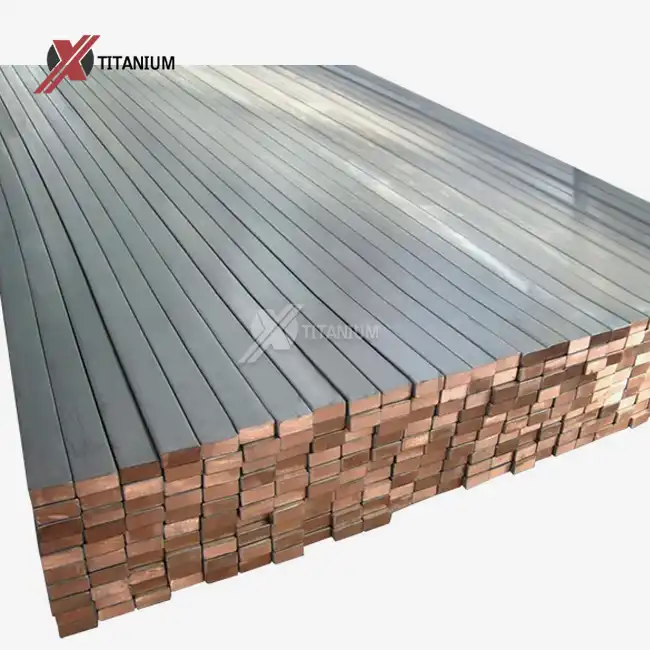
Understanding Titanium Clad Copper Plates in Electrical Applications
An advanced technical answer is Titanium Clad Copper Plate, which are made using explosion bonding or explosion-rolling methods that connect metals that are not the same atomically. The copper core, which is usually Grade T2 or C11000, keeps about 98% of its IACS (International Annealed Copper Standard) electrical conductivity. This makes sure that there is little voltage drop during high-amperage transfer. At the same time, the ASTM B265 Grade 1 or Grade 2 titanium cladding layer creates a passive titanium dioxide surface that is resistant to chemical attack from acidic or alkaline surroundings.
Manufacturing Process and Bond Integrity
The explosion bonding method used to make these plates creates a wave-patterned contact between the titanium cladding and copper base. This method creates shear strengths between 130 MPa and 200 MPa, which stops delamination even when temperatures change or when the material is stressed mechanically. Explosion bonding, unlike electroplating or mechanical fixing, creates a real metallurgical union where atoms from both metals mix at the border layer. This bond stability stays the same even when the temperature changes, and the electrical contact stays the same for the life of the material.
Key Electrical and Physical Features
The composite structure has qualities that meet the needs of certain electricity applications. The copper body keeps the electrical resistance low, which lets the current flow smoothly with little energy loss. The titanium plating resists rust better than stainless steel in environments high in chloride or acidic, making tools last 10 to 20 times longer than with regular materials. The thermal conductivity stays high enough for power transfer parts to get rid of heat, and the material's mechanical features allow for the bending, drilling, and pressing that are needed to make unique parts. Standards like ASTM B898 and GB/T 12769 set the rules for production, making sure that all sources and batches follow the same rules.
Benefits and Applications of Titanium Clad Copper Plates in Electrical Industries
The dual-metal structure of the Titanium Clad Copper Plate solves problems that electrical engineers face in difficult working conditions. Pure copper rusts quickly in acidic fog, chlorine gas, or seawater, which raises the contact resistance, contaminates the electrolytes, and eventually causes the structure to fail. Titanium is very resistant to chemicals, but it is about 60 times more resistant to electricity than copper, which means it can't be used as a carrier. These problems are solved by the clad plate design, which places each metal where it works best.
Extended Equipment Lifespan and Reduced Maintenance
Cathode header bars and anode supports made from clad Titanium Clad Copper Plate don't break down when they are exposed to corrosive solutions over and over again in electrolysis processes used for metal processing or electroplating. This means that there will be fewer repair shutdowns and lower prices for replacement parts. A copper mill that uses solid copper bars might have problems with corrosion within 12 to 18 months. On the other hand, titanium-clad options usually last longer than five years of constant use in the same conditions. By stopping copper ions from dissolving, electrolyte leakage is stopped, and bath chemistry stays pure, which is important for good metal casting.
Primary Electrical Applications
These hybrid plates are used in many ways in the electrochemical and electrical industries:
- Busbars and Current Distributors: Clad plates work as busbars in high-current electrical systems, carrying kiloampere loads and not corroding in the environment. The titanium surface protection is good for substations and industrial facilities that are near the ocean or chemical process pollution because it stops pitting erosion that weakens electrical contact points.
- Electrowinning and Electrorefining Equipment: To get copper, zinc, nickel, or cobalt out of a mixture, hydrometallurgical processes need cathode hangers and edge strips that can carry electricity through acidic electrolyte solutions. The clad plate design keeps the electrical contact stable and stops the copper from dissolving. This makes sure that the current flows evenly across the cathode surfaces and maximizes the efficiency of metal recovery.
- Electroplating Racks and Flight Bars: These plates are used as electrical support structures in plating baths during the production of PCBs and the finishing of metals. Copper ions would damage the polishing process on precision electronic parts if they got into the bath, but the titanium coating keeps that from happening. For this use, the plating needs to be chemically stable and have a high conductivity so that the width is uniform.
- Chlor-Alkali Electrolyzers: Places that make chlorine gas and sodium hydroxide use anodes and cathodes made from metal plates that are stable in terms of size. The material can resist strong chloride attacks and alkaline conditions while also allowing for efficient current flow. This has a direct effect on how much energy is used and how much is produced in these processes that require a lot of energy.
Real-world performance data from chemical processing plants shows that moving from solid or coated copper components to Titanium Clad Copper Plate alternatives cuts down on the number of times that equipment needs to be replaced by 70% while keeping voltage efficiency at about 2% of the standard copper performance. This mix of durability and conductivity lowers running costs in a way that makes the higher original material investment worth it.
Comparing Titanium Clad Copper Plates to Alternatives in Electrical Applications
When choosing materials for electrical parts that will be used in corrosive settings, you have to weigh the pros and cons of conductivity, corrosion protection, mechanical qualities, and the total cost of ownership. Titanium Clad Copper Plates are not the only option. There are many others, and each has its own pros and cons.
Titanium Clad Copper Versus Pure Copper
Pure copper is the best conductor of electricity, but it doesn't last long in the environment. When exposed to harsh environments, bare copper surfaces oxidize and dissolve, making them less conductive and necessitating protective layers that wear off over time. Depending on the titanium layer thickness ratio, the clad plate gives up about 2% to 5% of its ideal copper conductivity. However, the longer service life it provides more than makes up for this small loss of efficiency. Because it prevents corrosion, the barrier makes clad plates the more cost-effective choice for uses where repair costs and downtime fines are more important than energy savings.
Comparison with Copper Clad Aluminum
Copper-clad aluminum is made of light aluminum with a thin coat of copper on top. This makes the material cheaper and lighter for some conductor uses. But metal can't be used in harsh settings because it doesn't conduct heat well and can rust at connection places. Copper coated in titanium is much more resistant to corrosion and has higher current density capacity and better dynamic strength, but it costs more and weighs more. The choice relies on whether the application needs the lightest weight or the strongest toughness against chemicals.
Stainless Steel and Nickel Clad Alternatives
Stainless steel doesn't rust, but it's not as good at conducting electricity as copper. In high-current uses, this means that a lot of energy is lost and problems arise with warmth. Nickel-clad copper is better at resisting rust than bare copper, but it's not as good as titanium in places that are very acidic or high in chlorides. The titanium clad structure has rust resistance close to that of pure titanium and conductivity close to that of pure copper. This is a level of performance that neither stainless steel nor nickel-clad materials can match.
Life Cycle Cost Analysis
When purchasing something based only on the original unit price, practical economics are not taken into account. When you look at the total cost of ownership over 10 years, Titanium Clad Copper Plate usually have lower total costs than other types of plates, even though they cost more to buy. This is because they last longer and use less energy. Because of this, clad plates are the best choice for important electrical infrastructure where dependability affects both safety and production capacity.
Procurement Guide: How to Select and Source Titanium Clad Copper Plates?
When looking for a Titanium Clad Copper Plate, you need to pay close attention to technical specs, seller skills, and the logistics of the supply chain. Because of the unique production needs and customisations that come with these uses, the buying process is very different from buying copper in bulk.
Critical Specification Parameters
The clad ratio, or the thickness ratio between the titanium covering and the copper core, is the first thing that needs to be decided. Most setups have titanium layers that are between 5% and 15% of the total thickness. Thicker cladding protects against rust better but has a slightly lower conductivity. Plate width, length, and total thickness requirements must match the powers of the fabrication tools and the end shape of the component. Electrical standards compliance, especially ASTM B898 for explosion-bonded metals, makes sure that the performance of the material meets standards in the business.
Evaluating Supplier Capabilities
Reliable makers have a few key traits that set them apart from sellers of commodity metals. As a basic sign of process control, look for sellers who have ISO 9001 quality management certification. Biocompatibility standards must be met by medical device parts, and AS9100 approval may be needed for aerospace uses. Equipment for explosion bonding, metallurgical testing labs for checking bond strength, and measurement inspection systems for checking flatness and thickness limits should all be part of a manufacturer's arsenal. Traceability paperwork that connects finished plates to certifications of raw materials and production lot records ensures quality, which is important for important uses.
Understanding Minimum Orders and Lead Times
Because making clad plates is so specialised, minimum order amounts are usually given in square meters or tons instead of piece counts. Custom thickness combinations or measurements that aren't standard may need specific production runs of at least 500 to 1000 kilograms, based on how much the maker can handle. Standard setups from well-known sources usually ship in four to six weeks. Custom specs, on the other hand, can make wait times 10 to 12 weeks. International shipping from factories in China, Japan, or Europe takes longer because export paperwork and freight transfer plans need to be coordinated.
Pricing Strategies and Negotiation
The base price includes the costs of copper and titanium raw materials, handling fees for explosion bonding, and testing costs. Copper prices change based on quotes from the London Metal Exchange. Titanium prices change based on grade requirements and world supply factors. Price cuts of 8% to 15% off of single-order rates can be justified if there are agreements to make multiple orders. Payment terms often involve deposits on custom orders with balance due upon shipment or delivery, though established relationships may allow net-30 or net-60 terms. When you work with manufacturers instead of distributors, you can get direct expert help and have more control over your requirements and shipping times.
Ensuring Optimal Performance and Longevity of Titanium Clad Copper Plates
Maximizing the return on investment in Titanium Clad Copper Plate components involves more than just choosing the right material. It also involves following the right installation and maintenance procedures and staying up to date on technology improvements that improve application performance.
Installation Best Practices
When working with clad plates, you need to be aware of the fact that copper and titanium expand at different rates when heated. Too much heat during welding can make intermetallic alloys that are brittle at the bond contact, which can weaken the structure. Some recommended ways to put things together are mechanical fixing with the right gaskets to stop galvanic corrosion between metals that are not the same in an assembly. When welding is needed, pulse TIG methods with controlled heat input and the right choice of filler metal keep the contact from breaking down too much. To make sure the best electrical contact resistance, the surfaces of connection points should stay clean and free of rust and other contaminants.
Maintenance and Inspection Protocols
As part of regular inspections, titanium surfaces should be looked at visually for signs of crevice rust at joints or fastener sites. However, because titanium is a passive material, these problems don't happen very often. By measuring the electrical contact resistance at link places, problems can be found early on, before they affect the system's performance. Using gentle soaps and soft brushes to clean removes surface deposits without hurting the titanium oxide layer. This keeps the rust protection in place for years of use. Recording what was found during inspections gives us a starting point for comparing performance over time and planning replacements before they break.
Emerging Technology Trends
Explosion bonding factors are still being studied to improve the strength of the bonds and make the range of possible clad ratios bigger. New developments in non-destructive testing methods, like ultrasound imaging and eddy current analysis, make it easier to check the quality of products while they are being made and when they are being inspected in the field. New uses in green energy systems, like in naval current generators and offshore wind power substations, increase the need for corrosion-resistant conductive materials. This grows the market and encourages investments in manufacturing capacity. Procurement pros can take advantage of better goods and more cheap supply options as they come out by staying up to date on these changes.
Conclusion
In conclusion, Titanium Clad Copper Plates have been used for a long time to solve electrical problems that need to be able to carry electricity well and not rust in harsh settings. The special two-metal structure of the material gets around the basic problems that come with using pure copper or titanium alone. This makes the equipment last longer while keeping its energy efficiency. When purchasing electrochemical processing equipment, naval electrical systems, or industrial power distribution infrastructure, procurement professionals will find that clad plate standards are more cost-effective over the long term, even if they cost more at first. To have a successful execution, you need to pay close attention to the material requirements, the qualifications of the provider, and the installation methods that protect the bond and get the best performance.
FAQ
What electrical conductivity can I expect from titanium clad copper plates compared to solid copper?
Titanium Clad Copper Plate keep about 95% to 98% of the electrical conductivity of pure copper, based on how thick the titanium layer is. The hybrid structure doesn't add much resistance because current flows mostly through the highly conductive copper core and the thin titanium covering doesn't add much impedance. While there is a small drop in transmission, it is usually not a big deal because the rust protection is so good.
Which industries most commonly specify titanium clad copper materials?
Hydrometallurgical operations that refine copper, zinc, and nickel; electroplating facilities that serve the electronics and automotive industries; chlor-alkali chemical plants; marine engineering projects that involve offshore platforms and desalination equipment; and more and more, renewable energy installations that need electrical parts that don't rust. A possible use case is any situation where there is a lot of current and the atmosphere is toxic.
Can titanium clad copper plates be customized to specific dimensions and thicknesses?
Yes, makers often make custom designs that are made to fit the needs of a specific purpose. Plates with total thicknesses of 3 millimeters to 50 millimeters or more can be made. Plate widths can be up to 2500 millimeters and lengths can be up to 6000 millimeters. Custom clad ratios let you find the best mix between conductivity and corrosion protection based on the harshness of the climate and the amount of electrical load you need.
Partner with Chuanglian for Premium Titanium Clad Copper Plate Solutions
Baoji Chuanglian New Metal Material Co., Ltd. has been making high-performance Titanium Clad Copper Plate that meet the strict requirements of the global electrical and electrolytic industries for more than ten years. Our explosion-bonded composite materials have Grade T2 copper cores and ASTM B265 titanium covering. They have been shown to be reliable in the harshest corrosive conditions. As a company that makes Titanium Clad Copper Plate in Baoji City, China's famous "City of Titanium," we make sure that every plate meets ASTM B898 standards and your project's needs by inspecting the raw materials and testing them thoroughly.
Our production capabilities include custom dimension manufacturing, multiple clad ratio combinations, and full tracking documents to support your quality assurance processes are all things that we can do for production. Our expert team can help you choose the best materials for your project, whether it's an electrowinning cathode system, an industrial busbar, or a unique electrical connector. You can email our technical support team at info@cltifastener.com or djy6580@aliyun.com to talk about your needs, ask for material certifications, or get full quotes.
References
1. Davis, J.R. (2001). Copper and Copper Alloys: ASM Specialty Handbook. ASM International, Materials Park, Ohio.
2. Fronczek, D.M., et al. (2016). "Structural properties of Ti/Al clad composites produced by explosive welding." Materials & Design, Volume 91, Pages 80-89.
3. Crossland, B. (1982). Explosive Welding of Metals and its Application. Oxford University Press, Clarendon Press.
4. American Society for Testing and Materials. (2018). ASTM B898-11: Standard Specification for Reactive and Refractory Metal Clad Plate. ASTM International, West Conshohocken, Pennsylvania.
5. Findik, F. (2011). "Recent developments in explosive welding." Materials & Design, Volume 32, Issue 3, Pages 1081-1093.
6. Banker, J.G. (1983). "Metallurgical bonding of titanium to copper." Welding Journal Research Supplement, Volume 62, Pages 225-231.
Learn about our latest products and discounts through SMS or email