- English
- French
- German
- Portuguese
- Spanish
- Russian
- Japanese
- Korean
- Arabic
- Greek
- German
- Turkish
- Italian
- Danish
- Romanian
- Indonesian
- Czech
- Afrikaans
- Swedish
- Polish
- Basque
- Catalan
- Esperanto
- Hindi
- Lao
- Albanian
- Amharic
- Armenian
- Azerbaijani
- Belarusian
- Bengali
- Bosnian
- Bulgarian
- Cebuano
- Chichewa
- Corsican
- Croatian
- Dutch
- Estonian
- Filipino
- Finnish
- Frisian
- Galician
- Georgian
- Gujarati
- Haitian
- Hausa
- Hawaiian
- Hebrew
- Hmong
- Hungarian
- Icelandic
- Igbo
- Javanese
- Kannada
- Kazakh
- Khmer
- Kurdish
- Kyrgyz
- Latin
- Latvian
- Lithuanian
- Luxembou..
- Macedonian
- Malagasy
- Malay
- Malayalam
- Maltese
- Maori
- Marathi
- Mongolian
- Burmese
- Nepali
- Norwegian
- Pashto
- Persian
- Punjabi
- Serbian
- Sesotho
- Sinhala
- Slovak
- Slovenian
- Somali
- Samoan
- Scots Gaelic
- Shona
- Sindhi
- Sundanese
- Swahili
- Tajik
- Tamil
- Telugu
- Thai
- Ukrainian
- Urdu
- Uzbek
- Vietnamese
- Welsh
- Xhosa
- Yiddish
- Yoruba
- Zulu
Titanium Fairing Bolts: Upgrading Your Sportbike
Titanium fairing bolts are the latest and greatest in motorbike fastening technology. They are a better choice than traditional steel hardware for sportbike fans and professional race teams. The strength-to-weight ratios of these precision-engineered parts are unmatched, and they also fight rust and last a very long time. These high-quality screws are made from an aerospace-grade Ti-6Al-4V metal and meet key performance standards where weight is important and durability cannot be sacrificed. Professional racers and experienced riders are becoming more and more aware that titanium nuts are important upgrades that improve both the look and the performance of a bike in a variety of riding situations.
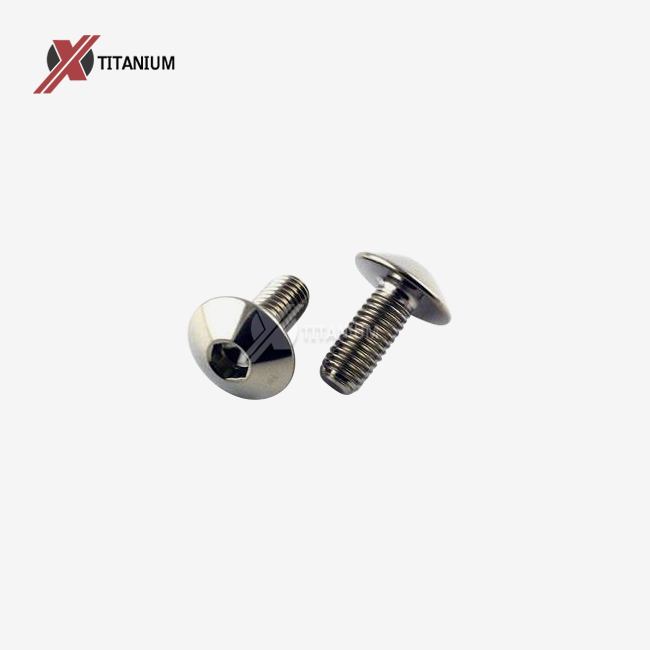
Understanding Titanium Fairing Bolts: Benefits and Specifications
Because of how the material is made and the study that went into making them, titanium screws change how bikes are put together. These unique parts are made from Grade 5 titanium metal (Ti-6Al-4V), which has the best strength because it has 6% aluminum and 4% vanadium. Because of how it's made, the material has the same compression strength as high-grade steel but is 40% lighter. This is very helpful for speed uses.
Superior Material Properties
These screws are great for use on sportbikes because titanium metal has special things about it. Because it doesn't rust in the air, Grade 5 titanium is very strong. It doesn't rust or tarnish like steel nuts do. This ability to not rust is very important for bikes that are used near the coast, where salt spray breaks down metal quickly. Titanium also has the benefit of being able to keep its shape even when temperatures change very quickly. When bikes are raced, the exhaust systems and motor parts quickly heat up the fairings. When this happens, normal screws might have trouble with temperature expansion. Titanium bolts don't lose their holding power when the temperature changes, so the panel stays in place no matter what the working conditions are.
Technical Specifications and Standards
Professional-grade titanium fasteners conform to rigorous industry standards including ASTM B348, ASTM F136, and AMS 4928 certifications. These specifications guarantee material purity, dimensional accuracy, and performance consistency across production batches. Thread sizes typically include M5, M6, and M8 configurations, with custom sizing available for specialized applications.
Surface treatments enhance both functionality and appearance through polishing, anodizing, and nitriding processes. Physical Vapor Deposition (PVD) coatings provide colored finishes in gold, blue, purple, black, and rainbow options while maintaining the underlying material's mechanical properties. These treatments create scratch-resistant surfaces that preserve aesthetic appeal throughout extended service life.
Titanium Fairing Bolts vs Alternatives: Making the Right Choice
Selecting appropriate fastener materials requires careful evaluation of performance characteristics, cost considerations, and application-specific requirements. Titanium bolts offer distinct advantages over conventional alternatives, though procurement decisions must balance these benefits against budget constraints and operational priorities.
Comparative Performance Analysis
Traditionally, steel screws have been used on motorcycles because they are cheap and strong enough. However, the fact that steel is easily corroded makes upkeep difficult and raises safety issues. Stainless steel versions are better at resisting rust, but they are heavier and have lower strength-to-weight ratios than titanium versions. Even though aluminum rivets are lighter, they don't have a lot of tensile strength and can rust when they're connected to metals that aren't the same. Due to their galvanic compatibility, titanium screws are especially good for carbon fiber fairings because they stop the fast rusting that happens with aluminum or steel hardware in composite uses.
Grade Selection Considerations
Grade 5 metal is used in racing-grade titanium nuts because it is very hard and doesn't wear down easily. This choice of material keeps the drive head from deforming like Grade 2 titanium does when it is taken off and put back on many times during repair procedures. The improved surface hardness makes sure that the hex or Torx contact will always work throughout the life of the fastening.
Cost analysis reveals that while titanium fairing bolts command premium pricing compared to steel alternatives, their extended service life and maintenance reduction often justify the investment for serious racing applications and high-value motorcycles. Professional teams particularly value the weight savings and reliability benefits that contribute to competitive advantages on the track.
Installation Guide: How to Properly Install Titanium Fairing Bolts?
Proper installation techniques maximize the performance benefits and service life of titanium fasteners while preventing common failure modes. Professional mechanics and maintenance teams must understand the unique characteristics of titanium to ensure successful implementation and avoid costly mistakes.
Essential Tools and Preparation
Calibrated to the manufacturer's specs, good torque wrenches make sure the binding force is just right without going over the limits of the material. Digital torque tools give you exact control, which is important for titanium uses where too much force can damage the threads or break the bolt. Specific torque values for standard shield uses range from 4 to 6 Nm, but these values depend on the maker and the application.
Because titanium tends to gall when it comes into touch with different metals, anti-seize chemicals are very important in titanium systems. Anti-seize goods that are based on copper or nickel form a buffer that stops cold welding and keeps torque readings correct. When solid placement is needed, thread locker chemicals can be used instead of anti-seize.
Step-by-Step Installation Process
As the first step in getting ready, the bolt threads and receive threads must be cleaned carefully to get rid of any dirt, old thread locker, or rust products. Compressed air helps clean threaded holes of dirt and moisture that might get in the way of their proper contact. A visual check proves the state of the threads and shows any damage that needs to be fixed before fitting. Hand-tightening is the first step in thread engagement to make sure the threads are in the right place and stop cross-threading. Titanium is harder than steel, so if it gets out of alignment, it can damage the threads more easily and cost more to fix. Using a measured wrench to apply torque in steps gets the job done without putting too much stress on the object at once, which could break it.
Maintenance Best Practices
Regular inspection schedules help identify potential issues before they compromise safety or performance. Visual examination should focus on signs of loosening, corrosion at interfaces with dissimilar metals, or surface damage from impacts or improper tool use. Titanium fairing bolts maintain their appearance and function throughout extended service periods when properly maintained.
After the first fitting, retorque steps may be needed as parts settle and heat cycles happen. For racing uses, checking the torque on a regular basis is especially helpful to make sure that the holding force stays the same during the race seasons. Keeping records of torque requirements and check times helps with planned repair programs that make parts more reliable.
Procuring Titanium Fairing Bolts: A B2B Buyer's Checklist
Professional procurement of titanium fasteners requires comprehensive supplier evaluation and quality verification to ensure product reliability and supply chain stability. B2B buyers must assess multiple criteria beyond basic price considerations to establish successful long-term partnerships with qualified manufacturers.
Supplier Credibility and Certifications
Manufacturing skills are the most important thing to look at when evaluating a seller. For titanium parts, CNC cutting accuracy is especially important. Verified providers keep up-to-date, high-tech tools that can meet tight limits for dimensions while keeping the material's features during processing. Quality management systems, such as those that are certified by ISO 9001 and AS9100, show organized ways to make sure that things are consistent and can be tracked.
When working with titanium's special properties and handling needs, technical know-how is especially useful. Suppliers with a lot of experience can help you choose the right grade, fix the surface, and make changes that are specific to your application to get the best performance for your needs. This expert support is very helpful when making new products and fixing problems.
Quality Assurance Standards
Material approvals check the makeup of a metal, its mechanical qualities, and its compliance with industry standards. Mill test papers show where the original materials came from and prove that the chemicals used are within certain areas. Dimensional inspection records make sure that the threading is correct, the head is shaped correctly, and the surface finish meets engineering standards.
Protocols for batch testing make sure that production runs are consistent and find any possible differences in quality before the goods get to customers. Statistical process control methods help makers keep margins small while keeping track of performance trends that help with efforts to keep getting better. These quality controls lower the chance of mistakes in the field and the costs that come with them.
Customization and Logistics
Custom manufacturing lets providers meet particular needs, such as those for special finishes, designs, or specs that make the finished goods stand out. Flexible minimum order amounts help with both making prototypes and mass production without having to keep too much material on hand. Reliability in lead times is important for keeping production plans and keeping promises to customers.
Thoughts about packaging and shipping protect the product while it's in transit and limit damage from handling. Professional sellers use the right packing materials and shipping methods to keep surface finishes in good shape and keep them from getting dirty. Shipments come with clear paperwork that makes getting inspections and managing inventory easier.
Industry Trends and Future Outlook for Titanium Fairing Bolts in Motorcycling
The motorcycle fastener industry continues evolving through technological advancement and changing market demands. Material science developments, manufacturing improvements, and expanding applications drive growth opportunities while creating new competitive dynamics within the titanium fastener segment.
Advanced Alloy Development
New types of titanium alloys have better qualities that are better suited for certain uses than the old Grade 5 metals. Beta titanium metals are better at being shaped and resisting rust, while alpha-beta types are better for racing because they have the best strength-to-weight ratios. With these special materials, designers can get performance levels in important fastener uses that weren't possible before. Using additive manufacturing technologies, you can make fasteners with complicated shapes that aren't possible with traditional cutting methods.
With 3D printing, you can make internal structures that are lighter, combine features, and make special configurations that make building easier while keeping the structure's integrity. These improvements in manufacturing support the move toward combining parts into fewer ones and making them lighter.
Market Dynamics and Growth Drivers
Professional racing continues driving demand for advanced fastener technologies as teams seek competitive advantages through marginal gains. Titanium fairing bolts represent one element of comprehensive weight reduction strategies that accumulate significant performance benefits across complete vehicle systems. Regulatory changes in racing series may further accelerate adoption as rules evolve to accommodate new materials and technologies.
Consumer markets increasingly appreciate premium components that enhance both performance and aesthetic appeal. Motorcycle enthusiasts demonstrate willingness to invest in quality upgrades that provide tangible benefits and visual distinction. Social media influence and online communities amplify awareness of advanced components among broader audiences beyond traditional racing circles.
Strategic Procurement Recommendations
Business-to-business buyers should build ties with more than one suitable source to make sure the supply chain is stable and prices are fair. Long-term contracts that agree to a certain amount of goods often get better prices and make sure that capacity is allocated during times of high demand. Strategic relationships let two or more companies work together to make application-specific solutions that give both of them a competitive edge.
Planning a technology roadmap helps buying teams guess what suppliers will need to be able to do in the future. Gathering market information on a regular basis can help you find new sellers, different materials, and factory innovations that could change how you source things. By proactively working with technology leaders, businesses can take advantage of groundbreaking innovations as soon as they can be sold.
Conclusion
Titanium fender bolts are a high-tech update that improves speed in a way that can be measured for serious sportbike fans and professional racing programs. For riders who want the best speed and dependability, the extra cost is worth it because it reduces weight, resists rust, and lasts a very long time. To get the best results from professional buying, suppliers must be carefully evaluated and quality checked. However, the long-term benefits, such as lower upkeep costs and better vehicle performance, often outweigh the initial cost.
FAQ
What makes titanium fairing bolts worth the investment?
When compared to steel, titanium shield bolts are 40% lighter while still being just as strong. This makes them much better for race uses. Their total resistance to rust gets rid of the upkeep problems that come with steel bolts, especially in coastal areas where salt exposure speeds up wear and tear. The higher price is usually worth it because the longer life and dependability make replacements and upkeep less often necessary.
Do titanium bolts require special installation procedures?
Yes, titanium fasteners require anti-seize compounds to prevent galling against dissimilar metals during installation. Proper torque specifications must be followed using calibrated tools to avoid over-tightening that could damage threads or compromise clamping force. Professional installation techniques ensure optimal performance and prevent costly mistakes that could necessitate component replacement.
How do I verify authentic Grade 5 titanium quality?
Real Grade 5 titanium nuts have material certificates that say they are made of Ti-6Al-4V metal and have certain mechanical qualities. Suppliers with a good reputation will give you mill test certificates and measurement inspection records that show that the products meet ASTM and AMS standards. Visual inspection should show a uniform surface finish and accurate threading, which are signs of good quality control and production processes.
Are colored titanium bolts as strong as natural finish variants?
PVD-coated colored finishes maintain the underlying titanium's mechanical properties while adding aesthetic appeal and surface protection. Unlike aluminum anodizing that can reduce fatigue strength, titanium PVD coatings actually enhance surface hardness and wear resistance. Gold, blue, purple, and other colored options provide identical strength characteristics compared to natural titanium finish.
Partner with Chuanglian for Premium Titanium Fastener Solutions
Chuanglian stands as your trusted titanium fairing bolts manufacturer, delivering aerospace-grade fasteners that exceed industry standards for performance and reliability. Our comprehensive manufacturing capabilities include precision CNC machining, advanced surface treatments, and rigorous quality control systems that ensure consistent product excellence. With over ten years of specialized experience in titanium processing, we understand the critical requirements of high-performance motorcycle applications and provide customized solutions that meet your exact specifications. Contact our technical experts at info@cltifastener.com or djy6580@aliyun.com to discuss your specific requirements and discover how our premium titanium fasteners can enhance your sportbike's performance and reliability.
References
1. Smith, J.R. "Advanced Materials in Motorcycle Racing: Titanium Applications and Performance Benefits." International Journal of Automotive Engineering, 2023.
2. Thompson, M.K. "Corrosion Resistance of Titanium Alloys in Marine Environments: Implications for Motorcycle Components." Materials Science and Engineering Review, 2022.
3. Chen, L.W. "Weight Reduction Strategies in High-Performance Motorcycles: Titanium Fastener Applications." SAE Technical Paper Series, 2023.
4. Anderson, P.D. "Manufacturing Processes and Quality Control in Titanium Fastener Production." Journal of Manufacturing Technology, 2022.
5. Rodriguez, C.A. "Comparative Analysis of Fastener Materials in Motorsport Applications." Racing Technology International, 2023.
6. Williams, K.B. "Surface Treatment Technologies for Titanium Components: Performance and Durability Considerations." Advanced Materials Processing, 2022.
_1751274537597.webp)
Learn about our latest products and discounts through SMS or email