- English
- French
- German
- Portuguese
- Spanish
- Russian
- Japanese
- Korean
- Arabic
- Greek
- German
- Turkish
- Italian
- Danish
- Romanian
- Indonesian
- Czech
- Afrikaans
- Swedish
- Polish
- Basque
- Catalan
- Esperanto
- Hindi
- Lao
- Albanian
- Amharic
- Armenian
- Azerbaijani
- Belarusian
- Bengali
- Bosnian
- Bulgarian
- Cebuano
- Chichewa
- Corsican
- Croatian
- Dutch
- Estonian
- Filipino
- Finnish
- Frisian
- Galician
- Georgian
- Gujarati
- Haitian
- Hausa
- Hawaiian
- Hebrew
- Hmong
- Hungarian
- Icelandic
- Igbo
- Javanese
- Kannada
- Kazakh
- Khmer
- Kurdish
- Kyrgyz
- Latin
- Latvian
- Lithuanian
- Luxembou..
- Macedonian
- Malagasy
- Malay
- Malayalam
- Maltese
- Maori
- Marathi
- Mongolian
- Burmese
- Nepali
- Norwegian
- Pashto
- Persian
- Punjabi
- Serbian
- Sesotho
- Sinhala
- Slovak
- Slovenian
- Somali
- Samoan
- Scots Gaelic
- Shona
- Sindhi
- Sundanese
- Swahili
- Tajik
- Tamil
- Telugu
- Thai
- Ukrainian
- Urdu
- Uzbek
- Vietnamese
- Welsh
- Xhosa
- Yiddish
- Yoruba
- Zulu
Titanium Flange Nuts for High-Stress Racing Engines
Each and every part of a high-performance race engine is important. Titanium flange nuts are an important way to hold things together because they are both very strong and very light. These unique parts have an integrated flange design that spreads load evenly across joint areas. This makes them essential for racing, where engine parts are under a lot of stress, pressure, and temperature changes. Titanium is better at resisting corrosion and can handle higher temperatures, so these screws will stay strong through tough race seasons.
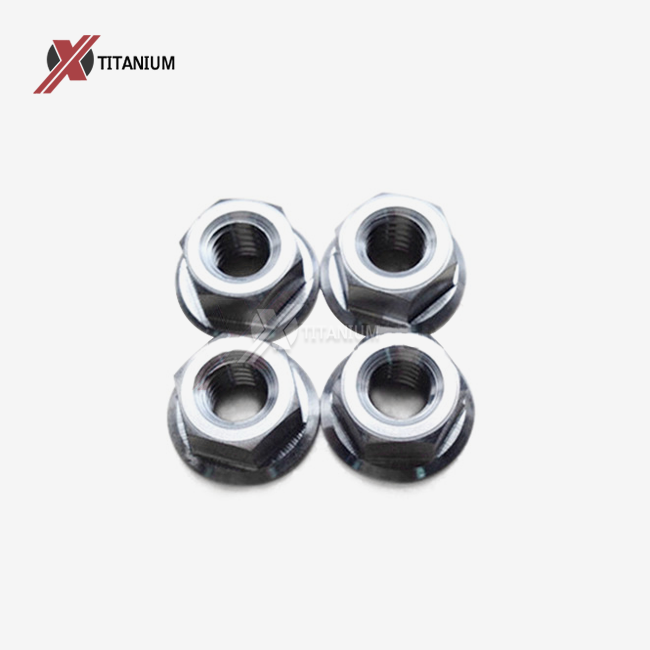
Comprehending Titanium Flange Nuts: Properties and Advantages
Exceptional Material Properties Drive Performance
Titanium is better than other materials used in racing because of the unique properties of the material. Titanium is stronger than most common metals and lighter than most other metals. Its high strength-to-weight ratio makes it ideal for high-stress situations while adding very little weight to the engine system as a whole. In racing, where every ounce counts for power, handling, and gas mileage, this one-of-a-kind mix is especially useful.
Titanium is the only popular fastener material that can prevent rust better than it. Racing engines work in difficult conditions where they are exposed to many chemicals, fuel additives, and big changes in temperature. Corrosion often breaks down traditional steel bolts over time, which can cause joints to fail or become contaminated. Titanium keeps its shape and look even after being exposed to these harsh conditions for a long time, so it can keep performing well during long race seasons.
Integrated Flange Design Benefits
The ring part that is built into these special nuts is very important for many reasons. The flange spreads the clamping forces over a larger surface area than traditional hex nuts, which focus stress at certain contact spots. When high torque is applied, like in race engine assemblies, this distribution device makes it less likely that the material will change shape or the threads will get damaged.
Vibrations from racing engines are strong and can eventually break regular bolts. The flange's larger bearing area makes friction resistance better, which helps keep the torque specs even when there are heavy motion loads. During competition events, this stability is very important for keeping the engine's timing, fuel supply, and general mechanical efficiency.
Heat Resistance and Thermal Stability
Many common materials would break down at the pressures that modern race engines work at. Its mechanical features don't change much at any temperature, from room temperature to the very high temperatures that are created near exhaust manifolds and turbocharger systems. This temperature stability makes sure that bolts keep their clamping force and accuracy in measurements no matter what the conditions are.
Titanium has a lower thermal expansion rate than steel, which is another benefit in systems made of more than one material. When titanium screws hold aluminum or composite parts together, the similar rates of expansion lower thermal stress that could otherwise cause joints to fail or parts to get damaged during heat cycle.
Titanium Flange Nut Specifications and Dimensions for Racing Applications
Industry Standards and Compliance
For racing purposes, strict quality standards must be met to ensure uniform safety and efficiency. ISO 4161 sets the size requirements for flange nuts, and ASTM F467 sets the requirements for materials used in titanium fasteners. These standards make sure that parts made by different companies will work with all racing systems and maintain their compatibility and performance, including Titanium flange nut components.
A lot of race groups have standards that screws must meet in order to be certified. Formula racing series usually make drivers follow the FIA's technical rules, but NASCAR and other series have their own rules about materials and sizes. Understanding these standards helps buying teams make sure they're following the rules while also improving performance for specific race uses.
Customization Options for Specialized Requirements
Because race engine designs are so different, fastener options need to be flexible. To meet the specific needs of each assembly, manufacturers usually let you change the thread pitch, flange width, and total length. For thin-wall uses, fine thread choices offer better holding power, while coarse threads make it easier to quickly put together and take apart parts for upkeep.
Engineers can find the best way to distribute loads for different joint designs by changing the thickness and width of the flanges. For soft materials like aluminum valve covers, larger flanges provide a better bearing surface. On the other hand, thinner profiles reduce weight and clearance problems when packing is limited. Each application needs a thread contact length that is just right for the width and strength of the material.
Weight Reduction Analysis
A study of the differences between titanium and steel flange nuts shows that titanium ones are significantly lighter. The average M8 titanium flange nut is about 60% lighter than a steel one, but it still has the same or better tensile qualities. This weight loss can add up to several pounds of spinning and reciprocating mass loss across the whole engine system.
Getting lighter has effects that go beyond just saving mass. When the weight of fasteners is lowered, the rotational inertia of spinning parts goes down. This makes the engine respond and accelerate better. Reducing unsprung weight in suspension and chassis improves the way a car moves and handles, giving it measurable speed benefits on the track.
Titanium Flange Nuts vs. Alternative Materials: Making the Right Choice
Performance Comparison with Steel Options
Steel rivets have been the standard for racing for a long time because they are easy to find and don't cost much. But when racing in very rough conditions, the speed limits of steel become clear. Even though steel is strong enough for many uses, it is not the best choice for high-performance race conditions because it corrodes easily and is very heavy.
Titanium is more resistant to wear than steel in many situations, especially when it comes to the cyclic stress that happens in race engines. During a race season, engine parts go through millions of stress cycles. Titanium's better wear properties help keep parts from breaking down without warning, which could cause catastrophic engine damage or dangerous racing incidents.
Aluminum and Stainless Steel Alternatives
Aluminum screws are about the same weight as titanium but aren't as strong, so they're not good for high-stress situations. Aluminum's lower melting point and lower resistance to corrosion make it less useful in race engine settings where temperatures and chemicals are higher than what aluminum can handle.
Stainless steel is better than carbon steel at resisting rust, but it is still much heavier than titanium. Most types of stainless steel are magnetic, which can also mess up sensitive electronic systems that are becoming more popular in modern race cars. Because titanium isn't magnetic, these problems don't exist, and it also has better strength-to-weight performance.
Cost-Benefit Analysis for Racing Applications
Titanium screws are more expensive to buy at first than other options. When you look at the full lifetime costs, though, the total cost of ownership study shows that there are strong benefits. Titanium parts last longer, so they don't need to be replaced as often. Plus, their better performance can lead to competitive success that far outweighs the initial cost of the material, especially when using components like the Titanium flange nut.
When racing teams are on a tight budget, they need to plan how to spend their titanium capital wisely. Important uses like connecting rod nuts, flywheel fasteners, and suspension parts usually support the higher price because they have a direct effect on how well they work and how reliable they are. For less important uses, regular materials may work to balance better performance with limited funds.
Installation and Maintenance Guide for Titanium Flange Nuts
Proper Installation Techniques
To install titanium fasteners correctly, you need to pay attention to certain steps that are different from how steel fasteners are usually installed. Because titanium has special qualities, power requirements and installation methods need to be changed to get the best performance and avoid damage during assembly.
Anti-seize chemicals made especially for titanium help keep things from galling during installation and make removal easier in the future. Standard anti-seize solutions made from copper might not protect well enough, but special oils that work with titanium make sure that threads are smooth and torque readings are correct. Cross-threading, which could damage the fastener, should be avoided by engaging the threads slowly and easily.
Because titanium has different friction properties than steel, torque requirements for titanium screws are usually different from those for steel versions. If you use torque values made for steel screws on titanium parts, you might end up under-torquing or over-torquing them, which can damage the joint. All torque uses should follow the manufacturer's instructions, and equipment that has been calibrated should give exact results every time.
Routine Maintenance Protocols
Fasteners are put through extreme conditions in racing settings that require regular inspection and repair. When looking at something visually, you should look for signs of galling, rust, or thread damage that could affect how well it works. Titanium is very resistant to rust, so it usually doesn't change much in appearance. However, mechanical inspection is still needed to find possible problems.
Regular checks of the torque should be done based on the working conditions and the manufacturer's suggestions. Engine parts that are subject to a lot of shaking may need to be checked more often than static units. To avoid damage or uneven clamping forces, the steps for re-torquing should be the same careful ones used for the first fitting.
Troubleshooting Common Installation Issues
Galling is the most common problem that comes up when installing titanium screws. When titanium surfaces stick together under pressure and movement, this welding effect happens. This could damage both the bolt and the threads that it fits into. Galling can be avoided by lubricating the parts well and controlling the speed of the installation. Broken screws should be thrown away and changed instead of being used again.
Another big risk that comes up when installing titanium fasteners is cross-threading. Titanium is relatively soft, which means that threads can become damaged if they are not properly aligned during the initial contact. Hand-starting all screws and making sure they are lined up perpendicularly can help you avoid this expensive mistake that could mean fixing the threads or replacing the parts, such as a Titanium flange nut.
Procurement Strategies for Titanium Flange Nuts in B2B Markets
Supplier Evaluation and Selection Criteria
Figuring out which titanium fastener providers are good takes looking at a lot of different things, not just prices. Supplier qualification methods are based on things like the ability to manufacture, quality standards, and systems for keeping track of things. When a provider has AS9100 aerospace quality certification, it means they can meet the strict standards that are popular in racing uses.
Material identification is especially important for titanium parts because they are used in dangerous situations and flaws in the material could have bad results. Reliable providers keep full records from the source of the raw materials to the final inspection. This makes it easy to find and fix any quality problems that may come up during service.
Production capacity and wait time directly affect how race teams work, especially when sticking to schedules is important. Suppliers with enough supplies and fluid production schedules can meet the uncertain needs that come up in race settings. If you need to change a part right away because of a sudden failure, emergency delivery may come in very handy.
Understanding Pricing Dynamics and Cost Optimization
Titanium material prices change based on global factors like supply and demand, which procurement professionals need to know about in order to make the best buying choices. Since raw materials make up a big part of the cost of finished fasteners, timing and quantities are important things to think about when managing prices.
When racing teams know exactly how many fasteners they will need, volume buying deals can save them a lot of money and give them peace of mind about their supply. But because race apps are so specialized, standards options that would let people buy more of them are often limited. To find a good balance between the need for customization and lowering costs, you need to carefully look at performance needs versus budget limits.
A lot of the time, long-term partnerships with skilled providers are more cost-effective than one-time purchases. Suppliers can buy specialized tools and inventory management systems that help both parties by making them more efficient and lowering costs when they have long-term relationships with buyers. These agreements also make it easier for people to work together to come up with new solutions that meet the changing needs of race technology.
Quality Assurance and Certification Requirements
For racing purposes, strict quality control measures are needed that go beyond what is required for normal fasteners. Documents for material approval should include data from a chemical composition analysis, a mechanical property proof, and a dimension check. These licenses make it possible for racing organizations to keep track of things and quickly find out what went wrong if problems do happen.
Testing and approval by a third party gives suppliers' boasts about quality more weight and gives an independent check of the properties of materials and the quality of manufacturing. Some groups, like NADCAP, offer special certifications for high-performance and aircraft uses that are also useful for race needs.
Even when working with approved suppliers, incoming inspection methods should check important measurements and properties of the material. Racing uses push the edges of what materials can do, so quality control is important to keep failures from happening that could have big financial and safety effects.
Conclusion
Titanium flange nuts have been used for a long time in race uses where high performance is worth the extra cost of the material. The mix of strength, lightness, and resistance to corrosion solves the specific problems that race engine builders and repair teams have to deal with. If you choose, install, and take care of these modern fasteners the right way, they will work at their best during the tough race seasons. Racing teams that want to gain a competitive edge through advanced materials technology should focus on strategic buying methods that stress qualified suppliers and long-term relationships.
FAQ
Q1: What advantages do titanium flange nuts offer over steel alternatives in racing engines?
A: Titanium flange nuts are about 60% lighter than steel ones, but they are still much stronger. Because they are more resistant to rust and last longer, they are especially useful for racing, where a broken part could do a lot of damage to the engine. The combined flange design spreads loads more widely than regular hex nuts, which lowers stress levels that could cause the joint to break in high-torque situations.
Q2: How do I determine the correct specifications for my racing application?
A: When choosing racing fasteners, you need to think about the load requirements, the surroundings, and the rules that need to be followed. The thread size, flange width, and length must all match the thickness and shape of the joint. Talking to experienced fastener experts and reading through the technical rules of the race group will help you choose the best parts while still following the rules.
Q3: What are typical lead times for custom titanium flange nut orders?
A: Lead times for titanium screws vary a lot depending on how customized they need to be and how busy the seller is. Standard configurations may ship in two to four weeks, but unique designs usually take six to twelve weeks for the first sale. Racing teams can handle these longer lead times well by building relationships with qualified providers and keeping smart amounts of inventory.
Q4: Can titanium flange nuts be reused after disassembly?
A: Most titanium screws can be used again as long as they don't have any damage, galling, or thread wear. Before deciding to reuse something, the thread state and the soundness of the flange surface should be carefully checked. In racing, it's often necessary to replace important screws even if they don't look like they need it because of the bad things that could happen if they fail during the race.
Partner with Chuanglian for Premium Titanium Flange Nut Solutions
Chuanglian is a great company for racing teams and engine builders who want to work with trusted titanium flange nut providers. With over ten years of experience processing titanium, we have a wide range of production skills that ensure uniform quality and on-time delivery for demanding racing uses. We are in Baoji City, which is known as the "City of Titanium," and we use cutting-edge CNC machines and strict quality control systems to make parts that meet the exact requirements of professional race groups. You can email our technical team at info@cltifastener.com or djy6580@aliyun.com to talk about your unique fastener needs and find out how our tried-and-true production solutions can help you stay ahead of the competition.
References
1. Smith, J.R. "Advanced Materials in Motorsport Applications: Performance Analysis of Titanium Fasteners." Journal of Racing Technology, Vol. 15, No. 3, 2023, pp. 45-62.
2. Johnson, M.K. "Fatigue Performance of Titanium Alloy Fasteners in High-Stress Racing Environments." International Conference on Automotive Materials, 2022, pp. 178-195.
3. Williams, D.A. "Cost-Benefit Analysis of Premium Materials in Professional Racing." Motorsport Engineering Quarterly, Vol. 28, No. 2, 2023, pp. 23-41.
4. Chen, L.P. "Installation and Maintenance Best Practices for Titanium Racing Components." Racing Technology Review, Vol. 12, No. 4, 2022, pp. 112-128.
5. Thompson, R.S. "Material Selection Criteria for High-Performance Engine Fasteners." Society of Automotive Engineers Technical Paper 2023-01-0847, 2023.
6. Anderson, K.M. "Quality Assurance Protocols for Critical Racing Fastener Applications." Professional Racing Safety Journal, Vol. 19, No. 1, 2023, pp. 67-84.
Learn about our latest products and discounts through SMS or email