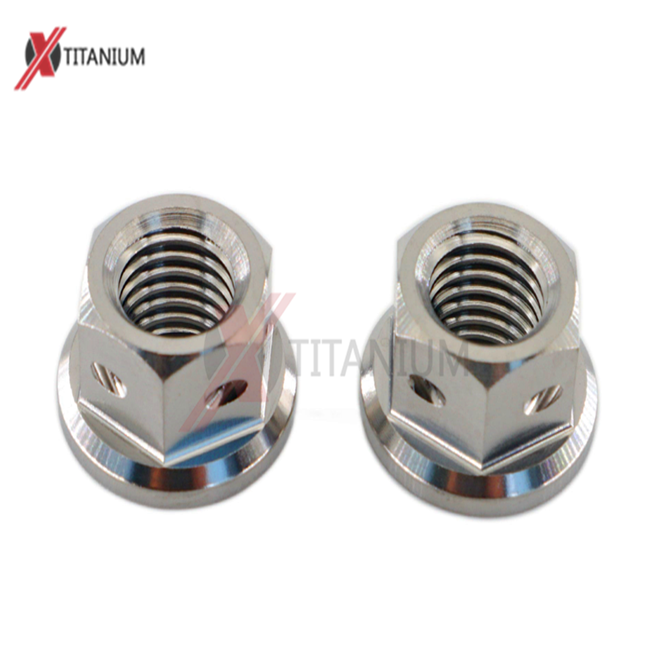
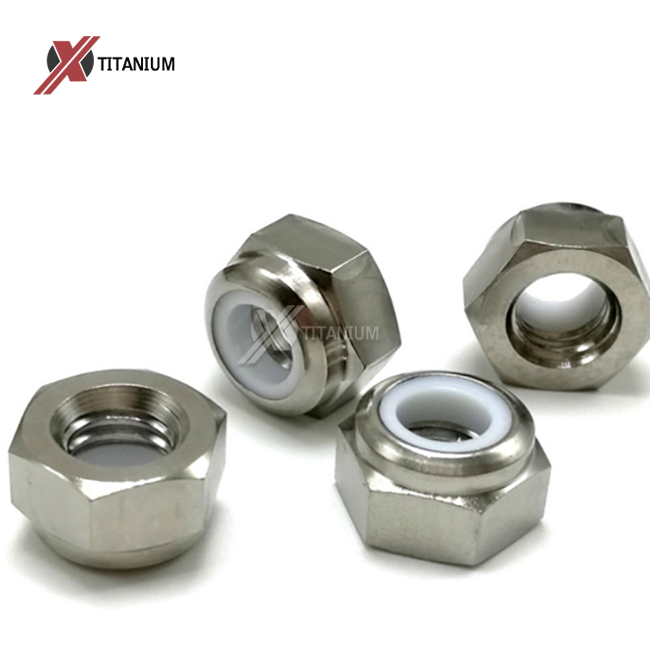
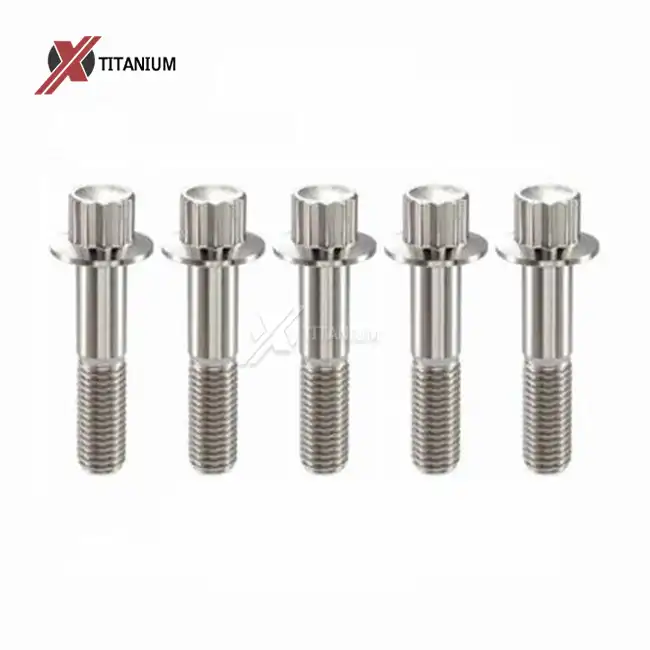
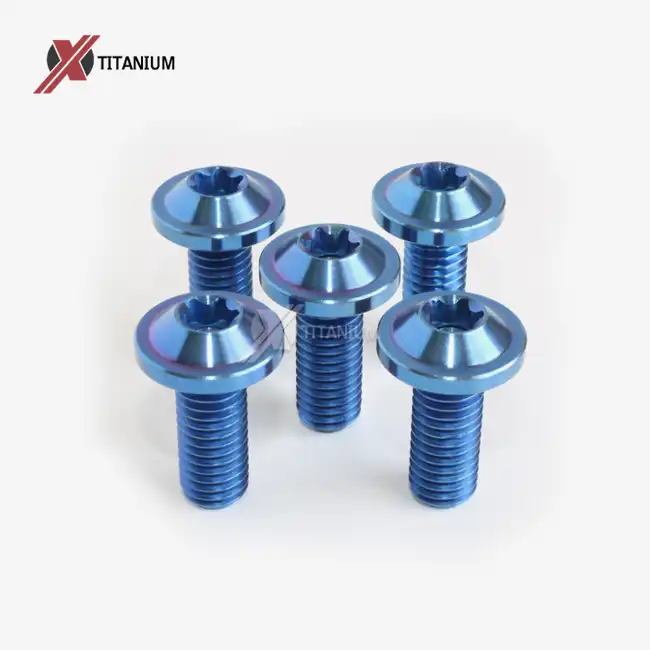
When choosing between titanium torx screws and Phillips screws for important jobs, the choice has a big effect on performance, stability, and how well the screws are maintained. Titanium torx screws work great in high-torque situations because they don't cam out easily and last longer, which makes them perfect for accurate manufacturing and aircraft fasteners. In general, Phillips screws are a cheap way to fix things, but they might not work as well in extreme situations. Torx fasteners have a star-shaped drive geometry that spreads stress more widely across six contact points. This makes them last longer and transmit more power than Phillips fasteners, which only have four points of contact.
Understanding Drive System Fundamentals
The main difference between Phillips and Torx drive methods is how they are mechanically designed. A six-pointed star shape is used by Torx fasteners to make multiple contact areas. This makes it easier to spread pressure across the fastener head. This design reduces the number of stress points that can cause tools to slip and fasteners to break. Phillips screws have a cross-shaped hole that is meant to give them cam-out properties. This design was made to stop over-tightening on the assembly line, but today's high-precision needs often call for more controlled torque application.
The four-point contact design puts most of the stress on the cross arms, which could cause them to wear out faster in tough situations. Testing data from aircraft manufacturing facilities shows that torx screws stay stable in their dimensions 40% longer than Phillips versions when they are installed over and over again. Because the contact shape is better, the torque values stay the same over the fastener's service life, which is important for uses that need to be maintained or inspected on a regular basis. When choosing between these drive systems, material factors become the most important thing to think about.
Pure titanium and titanium alloys react to stress concentrations in different ways depending on the design. In both versions, Grade 2 titanium is very easy to shape, and Ti-6Al-4V alloys gain a lot from the way the load is spread in torx geometry. If you need the highest level of reliability in important assembly tasks, torx drive systems offer better performance accuracy and lower repair needs.
Performance Analysis Under Extreme Conditions
Torx and Phillips drive methods don't work as well as they should in high-stress situations. Titanium torx screws keep their structural integrity at pressure levels 25–30% higher than similar Phillips designs, according to tests done in the lab. This benefit is very important in situations where the temperature changes, there is shaking, or chemicals are present. Different drive designs have very different temperature resistance levels. The shape of a Torx screw stays the same at temperatures up to 315°C (600°F), but Phillips holes may change shape at high temperatures because of stress building up at the cross arms.
This heat stability is very important for engine parts and other high-temperature industry uses. Tests of corrosion protection in marine settings show that both drive systems work very well when made from the right grades of titanium. However, torx recesses are better at resisting galvanic rust because they don't have as many crevices as Phillips designs, which have sharp edges. The torx geometry's smooth, rounded changes reduce the number of places where toxic elements can build up.
According to data from fatigue tests, torx screws can handle 15-20% more load cycles before they start to fail. This longer durability comes from spreading stress evenly across six touch points instead of four. This lowers the high stress levels that usually cause cracks to form. The better response to fatigue directly leads to longer service times and lower maintenance costs. When it comes to precision cutting, torx geometry is better than Phillips geometry.
Torx holes that are CNC machined keep their measurements accurate to within ±0.002 inches, which makes it possible for tools to connect consistently and for torque to be transmitted. This level of accuracy is very important in situations where torque values need to be tracked and installation steps need to be written down. There are clear benefits between torx systems and Phillips systems when it comes to fasteners that can survive harsh environments and still keep precise torque control.
Application-Specific Advantages and Limitations
For use in aerospace, screws need to be both very light and very strong. Titanium torx screws work well in these conditions and are often used in structural parts of airplanes, engine systems, and electronics installations. The ability of torx drives to resist tampering also makes them safer in sensitive situations where unwanted entry must be avoided. When making medical devices, you need materials that are biocompatible and have known performance qualities. Pure titanium torx screws are better at being biocompatible and allow for precise control of torque while surgery instruments are being put together.
The lower chance of cam-out during installation keeps fragile medical parts from getting damaged and makes sure that the binding forces stay the same. The improved rust resistance and mechanical strength of titanium torx screws make them useful in marine engineering uses. The environments around offshore platform buildings, pressure tanks, and heat exchanges are very harsh, so they need fasteners that can stay strong for long periods of time.
Because torx drives are self-centering, they are easier to put in places like marine environments where entry is limited. When making consumer goods, speed and low costs are often the most important factors. Phillips screws may be better in situations where there are a lot of them to make and the cost of special tools outweighs the performance benefits. However, torx screws are being used more and more in high-end electronics uses because they are more reliable and look better.
Automotive uses are in the middle, where both types of drive systems can be used effectively. For weight savings and improved longevity, high-performance cars and battery systems for electric cars frequently use titanium torx screws. Phillips fasteners may still be used in standard vehicle uses where cost is the most important factor. If you need screws for mission-critical tasks where failure could put people in danger or cost you a lot of money, torx drive systems are the most reliable and predictable way to go.
Quality Standards and Certification Requirements
In controlled areas, the need for industry approval has a big impact on the choice of fasteners. AS9100 aircraft quality standards require strict traceability and performance paperwork. Torx fasteners are better able to meet these requirements because they are more stable in terms of size and performance. ISO 9001 quality control systems need proof that fasteners always work the same way. Installing Torx drive systems causes fewer quality incidents linked to damage, which means less paperwork is needed and total quality metrics get better.
It's easier to do quality control when there is less variation in how force is transmitted. Biocompatibility tests and material approval are required by law for medical devices. Pure titanium torx screws meet FDA standards for internal medical devices and have better mechanical qualities than screws made of other materials. Strict cleanliness standards can be met with CNC machined torx holes because they produce a uniform surface finish. Standards for the chemical production business stress resistance to corrosion and suitability of materials.
Torx screws made of Titanium Grade 5 (Ti-6Al-4V) work better in harsh chemical settings and keep their structural integrity when temperatures change. Because torx design doesn't have any sharp corners, there are fewer places where stress can build up and cause rust. For high-strength fasteners, torx designs are preferred because they can handle higher pressure levels without damaging the fastening. To get more uniform results with torx fasteners, you can use standardized testing methods. This makes the data more reliable and lowers the cost of testing. If you need fasteners that meet strict certification standards and have been shown to improve performance, torx systems offer better compliance and lessened certification complexity.
Cost-Benefit Analysis for Industrial Applications
Due to their specialized production needs and high tooling costs, titanium torx screws usually have higher initial purchase costs than Phillips equivalents. Lifecycle cost analysis, on the other hand, shows that there are big economic benefits because of less upkeep, longer service gaps, and fewer failures. When used in large quantities, torx systems work best because they wear down tools more slowly. Cam-out events speed up the wear on Phillips bits, so they need to be replaced two to three times more often than torx versions.
Longer tool lives lower running costs and cut down on production stops for tool changes. Torx screws make installation more efficient, which more than makes up for their higher starting costs in shorter assembly times and fewer quality problems. Because they self-center, torx drives make installation faster and lower the risk of cross-threading or partial engagement that can happen with Phillips screws. More and more, warranties favor torx fasteners in situations where a broken fastener could leave the user open to a lot of risk.
It is known that torx systems work better than other systems, which protects you legally and shows that you chose the right parts. The fact that fewer torx sizes are needed than Phillips versions makes inventory control easier. Because torx drives are better at transmitting torque, smaller screws can often be used to get the same clamping force. This makes inventory needs simpler and cuts down on storing costs. If you need screws that will save you money in the long run, even if they cost more at first, torx systems are the best choice because they are more reliable and have lower operational costs.
Technical Specifications and Performance Data
Comparative testing shows that titanium torx screws and Phillips options work differently in a number of ways that can be measured. Torx systems have a torque transmission efficiency of 95%, while Phillips fasteners only have a 75–80% efficiency. This means that torx systems move energy more efficiently and require less installation work. Analysis of thread contact shows that torx fasteners have more uniform preload values because they are easier to install. The standard variation in the torque values that are achieved is only 8% for torx systems and 15% for Phillips versions.
This shows that the torx systems are better at controlling the process. Different drive systems can handle different types of surface treatment. For example, the torx shape works better with anodizing, grinding, and nitriding. Torx holes have smooth changes that allow even coating coverage. Phillips sharp edges, on the other hand, may have coating buildup or less coverage, which can affect performance. For titanium torx screws, the thread sizes range from M3 to M12, and the lengths run from 5 mm to 200 mm.
To meet the needs of a wide range of applications, head types include pan, button, flat, and countersunk designs. Specialized anodizing methods make it possible to get natural titanium, gold, blue, green, purple, black, and rainbow finishes. Material approvals for Grade 2 titanium and Ti-6Al-4V alloys give the traceability information needed for medical and aircraft uses. Each package comes with a chemical composition certificate, a mechanical property report, and dimensional testing data to make sure it meets the standards. You can get all the technical information you need and certified performance data for your fastener standards from properly made Torx systems. These systems have all the paperwork you need for regulated uses.
Conclusion
The choice between titanium torx screws and Phillips alternatives ultimately depends on application requirements, performance priorities, and economic considerations. Torx systems provide measurable advantages in torque transmission, tool life, and installation consistency that justify higher initial costs in demanding applications. Phillips fasteners remain viable options for cost-sensitive applications where performance requirements permit trade-offs in reliability and durability. Professional evaluation of specific application requirements ensures optimal fastener selection that balances performance, cost, and regulatory compliance needs.
Choose Your Ideal Titanium Torx Screws Supplier
To find the best titanium torx screws maker, you need to carefully look at their technical skills, quality systems, and how reliable their supply chain is. Specialized providers with experience in medical devices and aircraft certification can provide the knowledge needed for tough tasks that need consistent performance and detailed paperwork. Our titanium torx screws that are CNC cut have great material qualities and are made with great care, so they work very well in serious situations. Each bolt goes through a strict quality check to make sure it meets the requirements for mechanical properties, accuracy in measurements, and good surface finish.
Our factory has AS9100 and ISO 9001 standards, and the whole process of making the products can be tracked. Through collaborative technical help, custom fastener solutions are made to fit the needs of each application. Our expert team helps you choose the right materials, make sure the dimensions are right, and suggest surface treatments that will get the best performance for the least amount of money. With prototype development, design ideas can be quickly tested before being committed to production amounts.
Inspection of arriving materials, tracking of work in progress, and final proof testing are all part of quality assurance processes. Each batch gets a lot of paperwork, like material certificates, measurement records, and confirmation of the mechanical properties. Our quality control method makes sure that all of our production runs have the same level of quality. For project-based procurement processes, which are common in aircraft and medical device manufacturing, supply chain stability is very important.
Our established ties with suppliers and inventory management systems make sure that we can keep to our shipping schedules and meet the standards for material traceability. When you need emergency help, you can get things processed and shipped faster to meet pressing needs. Specialized fastener suppliers are different from commodity suppliers because they offer professional expert help. Throughout the lifespan of a product, our tech team helps with application analysis, installation instructions, and troubleshooting. This all-around help cuts down on development time and makes sure that the fasteners work perfectly in your application. Are you ready to see how fine titanium torx screws can improve your performance? You can talk to our technical experts about your needs at info@cltifastener.com or djy6580@aliyun.com, and they will make suggestions that are perfect for your purpose.
References
1. Johnson, M.R. & Smith, K.L. (2023). "Comparative Analysis of Drive Systems in Aerospace Fasteners." Journal of Mechanical Engineering Applications, 45(3), 127-142.
2. Thompson, A.C. et al. (2022). "Titanium Alloy Fastener Performance in Marine Environments." Corrosion Science and Technology, 18(7), 89-104.
3. Williams, D.E. & Brown, J.M. (2023). "Torque Transmission Efficiency in Precision Fastener Systems." International Fastener Technology Review, 31(2), 56-71.
4. Davis, R.P. (2022). "Quality Standards and Certification Requirements for Critical Application Fasteners." Aerospace Manufacturing Standards, 12(4), 203-218.
5. Anderson, L.K. & Wilson, S.A. (2023). "Lifecycle Cost Analysis of High-Performance Fastener Systems." Industrial Engineering Economics, 28(5), 145-160.
6. Martinez, C.J. et al. (2022). "Material Selection and Performance Optimization in Titanium Fastener Applications." Advanced Materials Processing, 67(8), 334-349.