- English
- French
- German
- Portuguese
- Spanish
- Russian
- Japanese
- Korean
- Arabic
- Greek
- German
- Turkish
- Italian
- Danish
- Romanian
- Indonesian
- Czech
- Afrikaans
- Swedish
- Polish
- Basque
- Catalan
- Esperanto
- Hindi
- Lao
- Albanian
- Amharic
- Armenian
- Azerbaijani
- Belarusian
- Bengali
- Bosnian
- Bulgarian
- Cebuano
- Chichewa
- Corsican
- Croatian
- Dutch
- Estonian
- Filipino
- Finnish
- Frisian
- Galician
- Georgian
- Gujarati
- Haitian
- Hausa
- Hawaiian
- Hebrew
- Hmong
- Hungarian
- Icelandic
- Igbo
- Javanese
- Kannada
- Kazakh
- Khmer
- Kurdish
- Kyrgyz
- Latin
- Latvian
- Lithuanian
- Luxembou..
- Macedonian
- Malagasy
- Malay
- Malayalam
- Maltese
- Maori
- Marathi
- Mongolian
- Burmese
- Nepali
- Norwegian
- Pashto
- Persian
- Punjabi
- Serbian
- Sesotho
- Sinhala
- Slovak
- Slovenian
- Somali
- Samoan
- Scots Gaelic
- Shona
- Sindhi
- Sundanese
- Swahili
- Tajik
- Tamil
- Telugu
- Thai
- Ukrainian
- Urdu
- Uzbek
- Vietnamese
- Welsh
- Xhosa
- Yiddish
- Yoruba
- Zulu
Top Benefits of Gr5 Titanium Bolt Kits for Motorcycle Builders
The top benefits of Gr5 titanium bolt kits for motorcycle builders are lower weight, high strength, corrosion resistance, a premium look, flexible kit setups, simpler buying, and long-term value. Gr5 means Ti-6Al-4V, an alloy with a density of about 4.43 g/cm³, compared with roughly 7.85 g/cm³ for steel. Our kits are up to 45% lighter than steel bolts and reach a tensile strength of 1,000 MPa. Titanium does not suit every joint, so design, torque, and checks still matter. In this guide, I explain each benefit and show you how to buy with confidence.
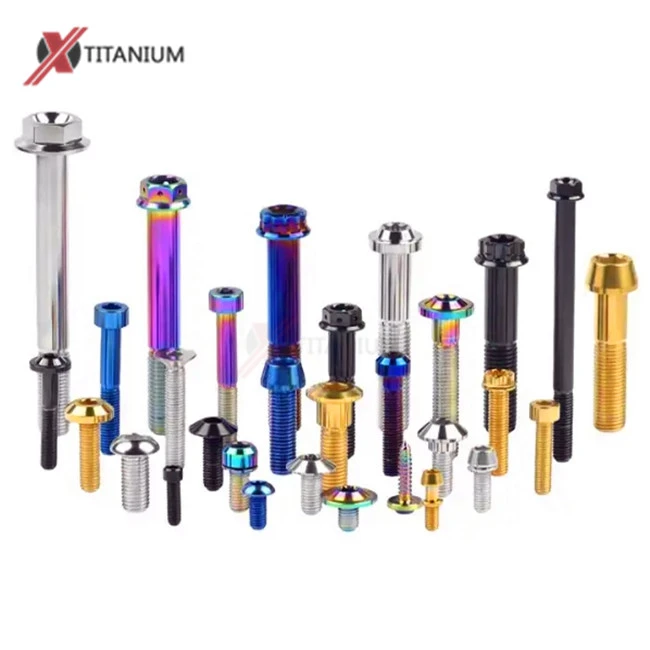
Seven Benefits of Titanium Motorcycle Bolt Kits
Here are the seven benefits I see most often when builders and sellers switch to titanium.
Lower Weight for Performance Builds
Ti-6Al-4V has a density of about 4.43 g/cm³, while steel sits near 7.85 g/cm³. That gap is why our titanium bolt kits are up to 45% lighter than steel bolts. One bolt saves only a few grams, but a full set across fairings, brackets, clamps, and covers adds up. Track-day riders and racing teams value this for handling. Sellers value it because a before-and-after weight photo gives shoppers a clear reason to upgrade. Weigh the whole kit against the steel set it replaces, not a single bolt, to confirm any claim.
High Strength-to-Weight Performance
Ti-6Al-4V is the most widely used titanium alloy because it pairs strength with low density. Our Gr5 bolts reach a tensile strength of 1,000 MPa and hold up well under fatigue. Still, grade alone does not make a good fastener. Thread quality, geometry, machining, and inspection all change how a bolt performs. We CNC machine each part to the dimensions you specify. Use titanium on covers, brackets, clamps, and bodywork first. For brakes, axles, steering, or engine mounts, get engineering approval and request mechanical data before ordering.
Corrosion Resistance in Harsh Conditions
Titanium forms a thin, stable oxide film that protects the metal from moisture, road salt, wash water, and many chemicals. Our Gr5 kits resist saltwater and harsh weather, which suits coastal bikes, touring machines, and off-road builds that get washed often. Titanium also resists acids and alkalis, so it keeps its look longer than plain steel. It still needs care. When titanium touches aluminum in wet conditions, the aluminum can corrode first. Separate the two metals with washers, anti-seize compound, or coatings.
Premium Appearance and Color Options
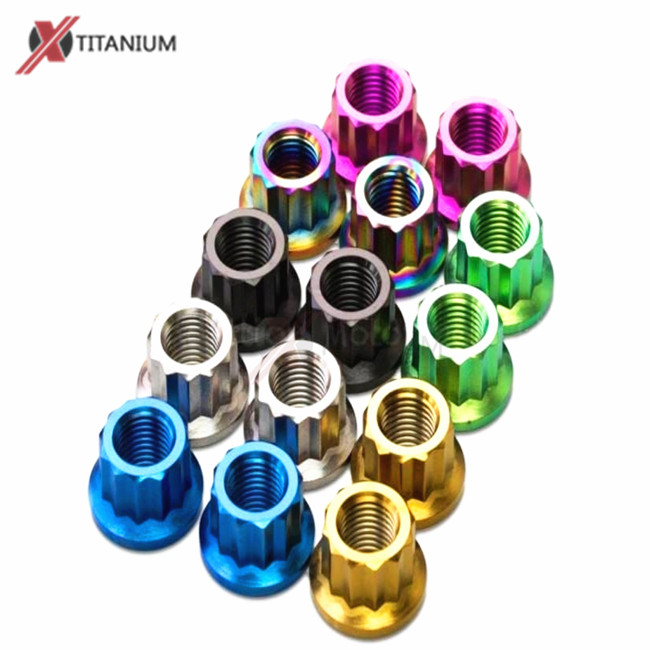
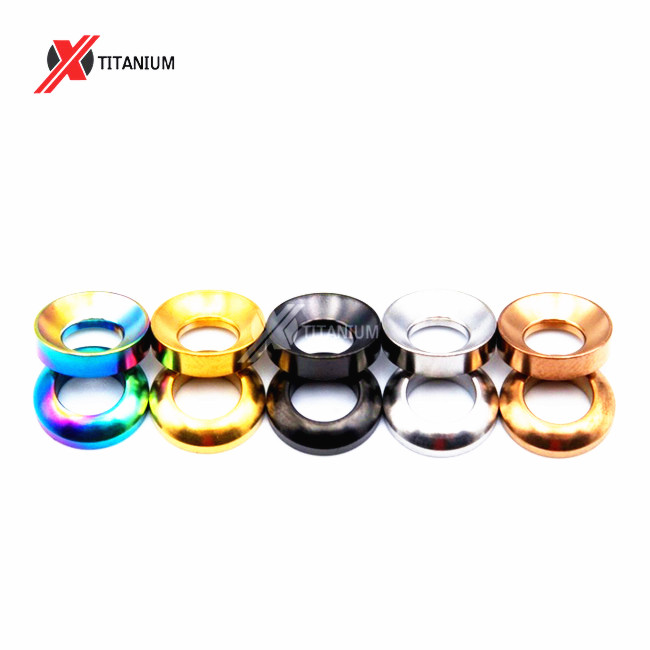
Looks drive sales in aftermarket fasteners. We offer polishing, anodizing, and nitriding, with colors that include natural titanium, gold, blue, green, purple, black, and rainbow. Anodized color comes from a thin oxide layer, and the shade depends on process control, so a full kit needs batches that match. Approve color samples before production and ask how each finish handles wear. Head style, washers, and flange shape also change the final look. A matched set across fairing, cover, and bracket bolts photographs well and makes a listing look finished.
Flexible Kit Configurations
Each bike has its own bolt list, so we build kits around the model. A kit holds 10 to 50 pieces each of bolts, nuts, and washers, depending on the motorcycle. Thread sizes include M6, M8, M10, and M12, and custom sizes are available on request. You can sell a full-bike set or smaller sets for engine covers, frames, or exhaust areas. Sport bikes lean toward low weight and looks, touring bikes toward corrosion resistance, and track bikes toward easy servicing. Send your parts list or drawings, and we match the kit to it.
Simpler Buying with Standard and Custom Kits
A kit puts many sizes, lengths, and finishes under one bill of materials. That helps you avoid missing or extra bolts, which lead to returns and poor reviews, and it keeps part numbers organized by model. If you need special lengths, head styles, or finishes, we machine custom parts from your drawings or samples. Approve a sample before bulk production and confirm packaging and labeling in the quote. A clear parts list, agreed by both sides, keeps repeat orders consistent as you add new bike models.
Long-Term Value When the Spec Is Right
Titanium costs more than steel and most stainless options, so judge it over the full service life. Weight savings, corrosion resistance, fewer replacements, and a premium shelf position all add value. Poor fit, galled threads, wrong torque, and uneven quality add cost through remakes and unhappy buyers. Gr5 titanium bolt kits for motorcycle pay off when their strengths match the job. Stainless or steel may still win on low-cost, heavily loaded, or hidden joints. Choose the metal by function, then use titanium where riders will see and feel the difference.
How to Choose Gr5 Titanium Bolt Kits for Motorcycle Models?
Good benefits only help when the kit fits the bike. These steps keep your selection accurate.
Start with the Exact Motorcycle
Define the make, model, year, trim, and intended use first. Then confirm thread size, pitch, length, head style, shoulder dimensions, and clearance from the service manual, OEM drawings, CAD data, or a physical sample. This step matters most for sellers, because one missing or extra bolt in a model kit often leads to a bad review. Count each fastener position by section, such as fork, engine, bodywork, and swingarm, and compare the list against a real bike. Send us your list, and we will check it against your drawings before we quote.
Sort Joints by Risk Level
Split every position into cosmetic, general-purpose, or safety-critical. Cosmetic joints, such as fairing and cover bolts, suit titanium well. General-purpose joints, such as brackets and clamps, need a check of load and thread engagement. Safety-critical joints, including brakes, suspension, axles, steering, and engine mounts, need engineering approval and proper torque data before any switch from steel. Standard bolted-joint references show that preload controls joint performance as much as bolt strength does, so a lighter bolt cannot fix a poor joint design.
Match Finish and Kit Scope
List the material grade, finish, color, and kit contents in your request. State whether you want bolts only or bolts, nuts, and washers. Pick natural titanium for a technical look, or anodized colors for a bold style. Nitriding is another surface option. Quotes work best when they follow a detailed parts list rather than a general kit name. That way, price, lead time, and quantity per kit stay clear, and your product page can show exact piece counts.
Installation and Maintenance Guidance
Even a good kit fails when installed badly. These habits protect the bolts and the bike.
Prevent Galling
Titanium threads can gall, which means the surfaces cold-weld and tear, especially in dry or repeated assembly. Clean the threads, check that the bolt turns in by hand, and apply an anti-seize compound made for titanium. Avoid driving a bolt in fast with power tools. If a bolt feels tight early, stop and back it out, because forcing it can ruin both the Gr5 titanium bolt kits for motorcycle and the aluminum thread in the case. Add a note about anti-seize to your install guide so buyers avoid this common problem.
Torque with Care
Use a calibrated torque wrench and follow the motorcycle maker's specification and tightening sequence. Avoid impact tools unless the supplier approves them. Lubricant changes the link between torque and clamp load, so a bolt installed with anti-seize can reach higher preload than the same torque on a dry thread. Ask your supplier for torque guidance for each size, such as M6, M8, M10, and M12. Re-check fasteners after the first ride and at regular service intervals, especially on parts that see vibration, like exhaust brackets.
Clean and Inspect
Wash titanium bolts with mild soap, water, and a soft cloth. Abrasive pads and harsh chemicals can scratch or dull polished and anodized finishes, even though the base metal resists many acids and alkalis. At each service, inspect the threads, finish, and seating faces. Look for loosening, deformation, or galling marks, and replace any bolt that shows damage. A simple maintenance schedule also protects the appearance that riders pay extra for.
Quality Checks and Supplier Selection
Quality decides whether a kit earns repeat orders or returns.
Documents and Tests to Request
Before you approve a program, ask for proof of material and process control. Three checks matter most:
- Material proof: Ask for a chemical analysis or material certificate showing Grade 5 (Ti-6Al-4V) to ASTM B348 bar requirements. Spectrometer or XRF checks can confirm the alloy, so you know the supplier has not swapped in Grade 2 titanium, which looks similar but has lower strength. Request the report for each production lot.
- Dimensional records: Request inspection reports for thread pitch, length, head size, and shank diameter, measured with thread gauges or a coordinate measuring machine. Every bolt in a kit must fit the bike, so these records show whether each lot matches the approved drawing or sample, which catches wrong sizes before shipment.
- Finish approval: Sign off on a sample that shows the agreed color, surface look, and markings. For anodized or nitrided parts, compare several pieces from one lot side by side, because small shade differences are easy to spot once bolts sit next to each other on a bike. Mismatched colors hurt a brand's image.
These checks target the three most common kit problems: wrong alloy, wrong size, and uneven color.
Common Mistakes to Avoid
The first mistake is treating every part labeled Gr5 titanium bolt kits for motorcycle as equal. Alloy grade, thread accuracy, finish, and inspection vary between suppliers. The second is buying on price or looks alone, since a bright color does not prove mechanical fitness. The third is swapping steel for titanium in brakes, suspension, axles, steering, or engine mounts without engineering review. Finally, dry installation, wrong torque, and cross-threading can ruin a good bolt. Ask each supplier to name the exact grade, standard, and test method behind its claims.
Why Work with a Specialized Titanium Fastener Supplier
A specialist supports a project from drawing to shipment, which a general hardware reseller rarely does. Baoji Chuanglian New Metal Material Co., Ltd. sits in Baoji, known as the City of Titanium, and has more than ten years of experience machining titanium. We run a dozen CNC machine tools and inspect every production step, from raw material to finished product. Our titanium products serve racing, aerospace, medical, petrochemical, and other fields. When you check any supplier, review its quality system, customization ability, order quantities, capacity, lead times, and how fast it answers technical questions.
Conclusion
Gr5 titanium bolt kits for motorcycle builders offer lower weight, strong fatigue-resistant performance, corrosion resistance, attractive finishes, flexible kit scopes, simpler purchasing, and long-term value when the application is right. Ti-6Al-4V is far less dense than steel, and these kits are up to 45% lighter with a tensile strength of 1,000 MPa. Those gains depend on correct selection: sorting joints by risk, listing exact thread sizes and kit contents, and keeping safety-critical joints under engineering review. Good results also depend on anti-seize use, calibrated torque, gentle cleaning, and routine inspection. Material reports, dimensional records, and approved color samples confirm that each kit matches its specification. Titanium works best where weight, corrosion, and appearance matter, while steel or stainless still suits some joints.
FAQ
What does Gr5 mean in titanium bolts?
Gr5 is Grade 5 titanium, also called Ti-6Al-4V. It contains about 6% aluminum and 4% vanadium, which gives it much higher strength than commercially pure Grade 2.
Can titanium bolts replace steel bolts everywhere?
No. They suit covers, brackets, clamps, and bodywork well. Brakes, suspension, axles, steering, and engine mounts need engineering approval and correct torque data first.
Do I need anti-seize on titanium bolts?
Yes. Titanium can gall, so use an anti-seize compound made for titanium, clean the threads, and tighten with a calibrated torque wrench.
Which colors and sizes can you supply?
We offer natural titanium, gold, blue, green, purple, black, and rainbow colors, with polishing, anodizing, or nitriding. Thread sizes include M6, M8, M10, and M12, and custom sizes are available on request.
How do I confirm real Gr5 titanium?
Request a material certificate and chemical analysis showing Ti-6Al-4V. XRF or spectrometer testing can verify the alloy.
Request Gr5 Titanium Bolt Kits for Motorcycle from Chuanglian
Looking for a Gr5 titanium bolt kits for motorcycle manufacturers? Chuanglian offers CNC-machined Ti-6Al-4V kits with polished, anodized, or nitrided finishes, multiple colors, and custom sizes. With over ten years of titanium machining experience, we help brands and sellers build accurate, model-specific kits. Send your motorcycle model, parts list, or drawings to info@cltifastener.com or djy6580@aliyun.com, and our team will review your needs.
References
1. Materials Properties Handbook: Titanium Alloys, ASM International, 1994.
2. Titanium: A Technical Guide, 2nd Edition, ASM International, 2000.
3. Titanium, 2nd Edition, Springer, 2007.
4. Titanium and Titanium Alloys: Fundamentals and Applications, Wiley-VCH, 2003.
5. An Introduction to the Design and Behavior of Bolted Joints, 4th Edition, CRC Press, 2007.
6. ASTM B348 Standard Specification for Titanium and Titanium Alloy Bars and Billets, ASTM International, 2019.
Learn about our latest products and discounts through SMS or email