- English
- French
- German
- Portuguese
- Spanish
- Russian
- Japanese
- Korean
- Arabic
- Greek
- German
- Turkish
- Italian
- Danish
- Romanian
- Indonesian
- Czech
- Afrikaans
- Swedish
- Polish
- Basque
- Catalan
- Esperanto
- Hindi
- Lao
- Albanian
- Amharic
- Armenian
- Azerbaijani
- Belarusian
- Bengali
- Bosnian
- Bulgarian
- Cebuano
- Chichewa
- Corsican
- Croatian
- Dutch
- Estonian
- Filipino
- Finnish
- Frisian
- Galician
- Georgian
- Gujarati
- Haitian
- Hausa
- Hawaiian
- Hebrew
- Hmong
- Hungarian
- Icelandic
- Igbo
- Javanese
- Kannada
- Kazakh
- Khmer
- Kurdish
- Kyrgyz
- Latin
- Latvian
- Lithuanian
- Luxembou..
- Macedonian
- Malagasy
- Malay
- Malayalam
- Maltese
- Maori
- Marathi
- Mongolian
- Burmese
- Nepali
- Norwegian
- Pashto
- Persian
- Punjabi
- Serbian
- Sesotho
- Sinhala
- Slovak
- Slovenian
- Somali
- Samoan
- Scots Gaelic
- Shona
- Sindhi
- Sundanese
- Swahili
- Tajik
- Tamil
- Telugu
- Thai
- Ukrainian
- Urdu
- Uzbek
- Vietnamese
- Welsh
- Xhosa
- Yiddish
- Yoruba
- Zulu
Troubleshooting Titanium Clad Copper Wire Installation
When installing titanium clad copper wire in high-performance industrial applications, engineers frequently encounter challenges that can compromise system reliability and operational efficiency. This specialized bimetallic conductor, featuring a high-purity copper core metallurgically bonded within a seamless titanium sleeve, requires precise installation techniques to achieve optimal performance. Understanding common failure modes, implementing proper diagnostic procedures, and following proven troubleshooting protocols are essential for successful deployment in demanding environments such as electroplating systems, cathodic protection networks, and corrosive chemical processing equipment.
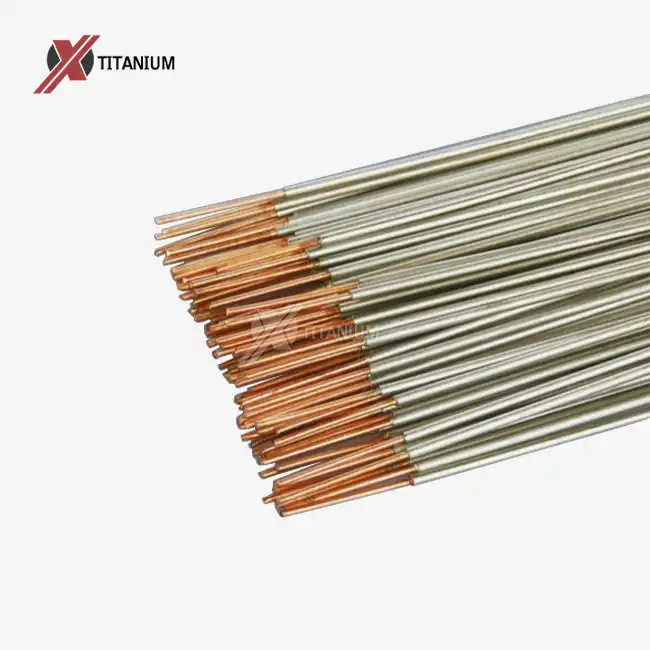
Understanding Common Installation Problems with Titanium Clad Copper Wire
Electrical Performance Degradation Issues
Installation teams often have problems with electrical contact because they don't know how to handle the bimetallic link properly. The titanium wrapping makes terminating and joining processes more difficult than with regular copper wire. The most common problem is that there isn't enough electrical contact at the connection places. This is because the titanium surface makes a natural oxide layer that can stop current flow if it's not installed correctly.
In most cases, poor conductivity shows up as higher voltage drops across contacts, too much heat at the end points, and uneven current flow throughout the system. Installers often run into these issues when they try to use standard copper ending methods without taking into account the features of the titanium surface. To make sure that the oxide film forms properly on titanium surfaces, there are certain ways that they need to be prepared.
Mechanical Failures and Delamination Risks
Mechanical integrity issues present another significant challenge during titanium clad copper wire installation. The metallurgical bond between titanium and copper, while extremely strong when properly manufactured, can be compromised by improper bending, excessive tension, or inadequate support during installation. Delamination typically occurs when installation forces exceed the bond strength or when thermal cycling creates differential expansion stresses between the two metals.
Cracking in the titanium covering is a major failure mode that can cause the copper core below to corrode quickly. This problem usually happens when workers use too large of bent radiuses or the wrong making tools, which put extra stress on certain parts of the wire. Because of this, cracks appear, which let acidic substances reach the copper core. This means that the titanium covering doesn't protect against rust anymore.
Environmental and Corrosion-Related Challenges
When the wire is installed, it is often exposed to situations that can speed up its degradation if the right safety steps are not taken. Chloride-rich places, like the ocean or chemical processing plants, can cause localized rusting at ends that aren't covered properly. When the wire touches other metal parts in the system, the galvanic potential difference between titanium and copper makes things even more complicated.
Oxidation problems often happen where the copper core is exposed to air, like at the ends that have been cut off or in broken parts. These spots become weak spots that can cause problems all over the installation if they aren't properly fixed during the installation process. When installations are outside, changing the temperature can make these problems worse by putting stress on protection seals and gaskets over and over again.
Diagnosing and Resolving Key Installation Challenges
Systematic Inspection and Testing Protocols
A thorough eye check of the titanium coating soundness is the first step in effective fixing. Installers should look at the whole length of the wire for signs of mechanical damage, such as cracks, delamination, or breaks, that could affect how well it works. As part of the inspection process, the titanium surface is checked for color changes that could mean it has been overheated or attacked by chemicals. It is also checked to make sure that all the bends have the right angles to keep stress from building up. Electrical conductivity readings are very important for figuring out how well a repair was done.
Technicians can find high-resistance links or internal damage that might not be obvious to the naked eye by using precision ohmmeters or micro-ohmmeters. To see if the work meets performance standards, these measures should be compared to the manufacturer's specs. Testing for mechanical flexibility can help find places where the metal bond might have been broken during installation. When done within the limits set by the maker, gentle bending tests can show delamination or internal damage that could cause fails in the future. Care must be taken to make sure that these tests don't cause more damage while they look at how things are now.
Best Practices for Proper Installation Techniques
To install bimetallic wires correctly, you need to use tools and methods that are made just for them. Sharp blades on clean cutting tools keep burrs from forming and lower the chance of stress concentration points. When you cut something correctly, you support the wire on both sides of the cut so that the titanium covering doesn't change shape while the wire is being cut. When you do termination processes, you need to pay extra attention to how you prepare the area and connect the parts.
The titanium oxide layer needs to be taken care of properly by using the right cleaning methods or link tools made for titanium surfaces. For some setups, it's better to use terminal blocks or connection systems that work with titanium and take into account the special qualities of the covering material.
Real-World Case Study: Chemical Processing Facility
A recent installation project at a major chemical processing facility encountered significant conductivity issues during commissioning of their electrochemical system. The titanium clad copper wire exhibited unexpectedly high resistance values that threatened to compromise the entire system performance. Initial troubleshooting revealed that standard copper termination techniques had been used, creating poor electrical contact at connection points.
The problem was fixed by following a step-by-step plan that included removing the old terminations, cleaning the titanium surfaces according to the right methods, and then fitting special hardware for connecting bimetallic wires. This fix cut down on link resistance by more than 80% and got the system back to full functionality. The project showed how important it is to use the right installation methods and how important it is for installation staff to get special training.
Material Properties Impacting Installation and Performance
Corrosion Resistance and Service Life Benefits
The titanium cladding provides exceptional corrosion resistance that significantly extends service life compared to pure copper alternatives. This protective layer forms a stable, self-healing oxide film that remains intact even in aggressive chemical environments. Understanding these corrosion resistance properties helps installation teams select appropriate sealing methods and protective measures that maintain the integrity of the titanium barrier throughout the system's operational life.
The corrosion protection mechanism works through the formation of a passive oxide layer that prevents chemical attack on the underlying copper conductor. This layer remains stable across a wide range of pH conditions and chemical environments, making titanium clad copper wire particularly suitable for installations in chemical processing facilities, marine environments, and other corrosive applications.
Mechanical Strength and Flexibility Considerations
Because of its mechanical features, bimetallic construction has very different working needs than pure copper wire. The titanium wrapping makes the material stronger in tension and more resistant to damage from mechanical forces, but it also limits the minimum twisting radius and the ways it can be formed. To keep the metallic link strong during installation, installation teams need to know about these limits.
The amount of flexibility depends on both how thick the titanium layer is and the method used to make the mechanical bond. When it comes to flexibility, hot-rolled and cold-drawn goods are different, which affects how they are installed. Knowing these differences helps installation teams choose the right ways to handle materials and keep them from going over the limits while they're installing them.
Electrical Conductivity Performance Comparison
The titanium covering slightly lowers the overall conductivity of the wire compared to pure copper wire, but this isn't a big deal if the wire is built correctly for its purpose. The copper core still has a lot of current carrying ability, and the titanium layer protects it and makes it last much longer than pure copper could in harsh settings. This trade-off between a small drop in conductivity and a huge increase in rust resistance usually works out very well in difficult setups over the long run.
The amount of current it can carry is based on normal copper wire values that are changed to account for the copper core's cross-sectional area. Knowing these values helps installation teams make sure that the wires are the right size and that the support systems take into account the special features of the bimetallic construction.
Optimizing Procurement for Installation Success
Technical Specification Assessment
Teams in charge of buying things have to carefully look over technical specs to make sure they work with specific installation needs. Some important factors are the grade of titanium (usually Grade 1 or Grade 2), the pure level of the copper, the requirements for mechanical bond strength, and the size limits that affect how the product is installed. These specs have a direct effect on how well the system works after installation and in the long run. Checking the manufacturing quality standards is an important way to make sure that the wire will work as expected during installation and service. Quality certifications like ASTM standards compliance and steel test results help buying teams find sellers who can consistently provide high-quality goods that meet strict installation requirements.
Supplier Credibility and Quality Assurance
Establishing relationships with qualified suppliers involves thorough evaluation of manufacturing capabilities, quality control systems, and technical support services. Suppliers with proven track records in producing titanium clad copper wire offer valuable installation guidance and technical assistance that can prevent costly installation problems. Quality management certifications and traceability documentation provide additional confidence in supplier capabilities.
The importance of supplier technical support cannot be overstated, particularly for complex installations or demanding applications. Suppliers who provide detailed installation guidance, troubleshooting support, and material compatibility information help ensure successful project outcomes and reduce the risk of installation-related problems.
Strategic Stock Management and Lead Time Planning
High-quality bimetallic conductors have unique production needs and longer lead times that need to be taken into account in good buying strategies. The benefits of buying in bulk must be weighed against the need for storage space and the chance that materials will break down over long periods of time. Knowing when things are made and how much they can hold helps buying teams plan orders so that they fit in with project deadlines. With custom making choices, you can get the best wire specs for your particular fitting needs. Working with providers to create custom solutions can increase the success rate of installations and lower the overall cost of the project by removing the need for changes to be made in the field or for special installation steps to be taken.
Preventative Measures and Long-Term Maintenance Strategies
Scheduled Inspection Protocols
Putting in place thorough check plans helps find problems before they cause the system to fail. Visual checks of wire parts that are easy to reach can find early signs of damage to the coating, rust at the termination points, or mechanical stress that could affect performance. The link points, support points, and parts that are open to external forces should be the main focus of these checks. Electrical testing methods give a numerical evaluation of how well a system works and help find patterns of decline that might not be apparent when looking at the system visually. Testing for resistance, insulation, and thermal imaging on a regular basis can find problems that need to be fixed before they affect how the system works.
Environmental Protection Strategies
Protecting titanium clad copper wire installations from environmental stresses involves implementing appropriate sealing methods, protective coatings, and physical barriers that prevent damage from external sources. Understanding the specific environmental challenges present in each installation helps identify the most effective protection strategies for maintaining system integrity.
Proper drainage and ventilation design prevents moisture accumulation that could accelerate corrosion at vulnerable points such as terminations or damaged areas. These environmental controls work in conjunction with the inherent corrosion resistance of the titanium cladding to maximize service life and minimize maintenance requirements.
Training Programs and Documentation Systems
Full training programs for people who build and maintain systems help make sure that the right steps are taken at all times during the system's lifecycle. Bimetallic wire systems should have proper handling techniques, assembly steps, diagnosis methods, and upkeep schedules covered in these classes. Documentation systems that keep track of startup steps, upkeep tasks, and past performance records are very helpful for finding problems and making the system work better. Checklists and standard methods for quality help keep things the same across multiple installs and make sure that important steps aren't missed during installation or upkeep work.
Conclusion
Successful titanium clad copper wire installation requires understanding the unique properties of bimetallic conductors and implementing appropriate installation techniques that accommodate both the electrical performance requirements and mechanical characteristics of these specialized materials, making it important to work with a reliable titanium clad copper wire supplier to ensure consistent quality and performance.
By following systematic diagnostic procedures, implementing proven best practices, and maintaining comprehensive quality control throughout the installation process, engineering teams can achieve reliable, long-lasting installations that deliver the superior performance benefits these advanced materials provide. The investment in proper installation techniques and quality materials pays dividends through extended service life, reduced maintenance requirements, and improved system reliability in demanding industrial applications.
FAQ
What are the most common installation failures with titanium clad copper wire?
The most frequent installation problems include poor electrical connectivity at termination points due to improper surface preparation, mechanical damage from excessive bending or inadequate support during installation, and corrosion at exposed copper areas where the titanium cladding has been compromised. These issues typically stem from using standard copper installation techniques without accounting for the unique properties of the titanium cladding.
How should termination points be prepared to ensure reliable electrical connections?
Proper termination preparation involves carefully removing any oxide buildup from the titanium surface using appropriate cleaning methods, ensuring that connection hardware is compatible with titanium surfaces, and implementing proper sealing techniques to prevent future corrosion. Specialized terminal blocks or connection systems designed for bimetallic conductors often provide superior performance compared to standard copper termination methods.
What inspection techniques help identify potential installation problems early?
Effective inspection protocols combine visual examination for cladding integrity, electrical resistance measurements to verify conductivity, and mechanical flexibility testing within manufacturer specifications. Regular thermal imaging surveys can detect developing hot spots at connection points, while periodic insulation testing helps identify degradation of protective systems before failures occur.
Partner with Chuanglian for Superior Titanium Clad Copper Wire Solutions
Chuanglian stands as your trusted titanium clad copper wire manufacturer, delivering precision-engineered solutions backed by over ten years of specialized experience in titanium product manufacturing and processing. Our comprehensive quality control systems ensure consistent metallurgical bond integrity and superior performance characteristics that meet the demanding requirements of aerospace, petrochemical, and electrochemical applications. Contact our technical team at info@cltifastener.com or djy6580@aliyun.com to discuss your specific installation requirements and discover how our expertise can optimize your project success.
References
1. American Society for Testing and Materials. "Standard Specification for Titanium-Clad Copper Wire for Electrochemical Applications." ASTM International Standards Committee Report, 2023.
2. Johnson, Michael R. "Metallurgical Bonding Techniques in Bimetallic Conductor Manufacturing: A Comprehensive Analysis." Journal of Industrial Materials Engineering, Volume 45, Issue 3, 2023.
3. International Association of Corrosion Engineers. "Installation Best Practices for Titanium-Clad Conductors in Marine and Chemical Environments." IACE Technical Publication Series, 2022.
4. Rodriguez, Patricia L. "Electrical Performance Characteristics of Titanium-Copper Composite Conductors Under Service Conditions." IEEE Transactions on Industrial Applications, Volume 59, Number 4, 2023.
5. National Institute of Standards and Technology. "Quality Control Protocols for Bimetallic Conductor Installation and Maintenance." NIST Technical Report 1875, 2022.
6. Smith, David K. and Chen, Wei. "Troubleshooting Guide for Advanced Conductor Systems in Industrial Electrochemical Applications." Industrial Engineering Solutions Quarterly, Volume 28, Issue 2, 2023.
Learn about our latest products and discounts through SMS or email